USA Rare Earth Stock Experiences Wild Post-Debut Fluctuations
Written by Emily J. Thompson, Senior Investment Analyst
Updated: Feb 07 2026
0mins
Should l Buy USAR?
Source: Fool
- Post-Debut Volatility: Since its March 2025 SPAC merger, USA Rare Earth has seen significant stock price fluctuations, currently up approximately 141% from its debut but down about 33% from last October's peak, indicating market uncertainty.
- Market Capitalization: As of now, USA Rare Earth boasts a market cap of around $3.5 billion, yet the company has yet to record any revenue, highlighting the speculative nature of its business model and the balance of potential growth against inherent risks.
- New Refining Contracts: At the beginning of 2026, the company announced contracts to launch new mineral refining operations in France, with a new plant expected to produce 3,750 metric tons of refined material annually, supported by the French government covering up to 45% of equipment costs and reimbursing €130 million in real estate expenses, significantly mitigating initial investment risks.
- Government Support and Investment Outlook: USA Rare Earth recently received a non-binding letter of intent from the U.S. Commerce Department, suggesting potential funding of $1.6 billion, alongside a stake from the U.S. government, reflecting the administration's commitment to enhancing rare-earth mineral sourcing and the company's promising future prospects.
Trade with 70% Backtested Accuracy
Stop guessing "Should I Buy USAR?" and start using high-conviction signals backed by rigorous historical data.
Sign up today to access powerful investing tools and make smarter, data-driven decisions.
Analyst Views on USAR
Wall Street analysts forecast USAR stock price to rise
5 Analyst Rating
5 Buy
0 Hold
0 Sell
Strong Buy
Current: 14.800

Low
15.00
Averages
22.75
High
28.00
Current: 14.800
Low
15.00
Averages
22.75
High
28.00
About USAR
USA Rare Earth, Inc. is a supplier of sintered neo magnets and other rare earth metals. The Company is engaged in developing a NdFeB magnet manufacturing plant in Stillwater, Oklahoma, and intends to establish domestic rare earth and critical minerals supply, extraction, and processing capabilities to both supply its magnet manufacturing plant and market surplus materials to third parties. It is focused on developing domestic rare earth production that offers sustainable and secure domestic supply of materials critical to key industries. Its vertically integrated approach consists of sourcing rare earth elements (REEs), in addition to other critical minerals such as gallium, to producing finished NdFeB magnets. The Company serve a variety of industries, such as defense, robotics, electric vehicles, wind power, appliances, cordless tools and computing and semiconductors. The Company owns, Less Common Metals Ltd., which is a scaled ex-China rare earth metal and alloy manufacturer.
About the author

Emily J. Thompson
Emily J. Thompson, a Chartered Financial Analyst (CFA) with 12 years in investment research, graduated with honors from the Wharton School. Specializing in industrial and technology stocks, she provides in-depth analysis for Intellectia’s earnings and market brief reports.

USA Rare Earth Plans to Ramp Up Magnet Production

- Production Capacity Boost: USA Rare Earth plans to commence commercial production from the Round Top deposit in 2028, becoming the sole beneficiary of the project, despite a 19.9% stock decline in March, reflecting market caution towards high-risk investments.
- Shareholder Dilution: The acquisition of an 18.6% interest in Round Top for 3,823,328 shares of common stock enhances project control but dilutes existing shareholders' interests, increasing investment risk.
- Production Line Commissioning: With the successful commissioning of a commercial magnet production line at its Stillwater facility, the company is now poised to start fulfilling customer orders, marking a significant enhancement in production capacity and laying the groundwork for future development of Round Top.
- Market Environment Impact: Although March's market volatility and geopolitical tensions affected investor sentiment, the company's potential in the rare earth magnet sector remains significant, particularly given the increasing demand for domestic supply chains in the defense industry.
See More

Analysis of USA Rare Earth Stock Volatility
- Significant Stock Decline: USA Rare Earth's stock fell by 19.9% in March despite several positive announcements, as a broad market sell-off driven by events in the Persian Gulf led investors to shift towards safer investments.
- Acquisition of Interest: The company acquired an 18.6% stake in the Round Top deposit for 3,823,328 shares of common stock, making it the 100% beneficiary of the project, which reduces financing risks but dilutes existing shareholders' interests.
- Production Line Commissioned: Management announced the successful commissioning of a commercial magnet production line at its Stillwater facility, enabling the company to start fulfilling customer orders and ramping up production, which is crucial for the future development of Round Top.
- Market Outlook Analysis: Although the consensus suggests the company won't generate net income until 2030, the recent stock price drop makes the risk-reward calculation more attractive, especially given the heightened need for a secure domestic supply chain for heavy rare-earth magnets amid escalating Gulf conflicts.
See More

USA Rare Earth Reports First Sales and Funding Progress
- First Sales Achievement: USA Rare Earth reported $1.64 million in revenue for Q4 2025, marking its first-ever sales, which indicates significant progress in establishing a domestic supply chain for rare earth materials and magnets in a market dominated by China.
- Government Funding Support: The company is finalizing a collaboration with the U.S. Department of Commerce that could provide $1.6 billion in funding, significantly enhancing its competitiveness in the rare earth industry and facilitating the establishment of a domestic supply chain.
- Production Capacity Expansion: USA Rare Earth has commissioned Phase 1A of its magnet facility, expected to start fulfilling customer orders in Q2 2023, ramping up to 600 metric tons per year, with plans to reach 1,200 metric tons by Q1 2027, showcasing rapid growth in production capacity.
- Strong Financial Position: The company currently holds approximately $1.75 billion in cash with no debt and a market cap of $2 billion, indicating that despite nearly zero revenue now, projected revenue growth over the next two years could attract speculative investors.
See More

REalloys Appoints Defense Executive to Drive Rare Earth Strategy

- Executive Appointment: REalloys has appointed Joe Kasper, former Chief of Staff to the U.S. Secretary of Defense, as chair of its advisory board, aiming to strengthen its strategic positioning in the rare earth metals sector to meet the urgent requirement of eliminating Chinese-sourced materials by 2027 for U.S. defense systems.
- Supply Chain Challenges: The U.S. still faces significant bottlenecks in its capacity to produce rare earth metals, and Kasper's involvement is expected to help address the critical step of converting rare earth oxides into metals and alloys, ensuring the security and stability of defense supply chains.
- Market Dynamics: With rising demand from electrification and defense procurement, the need for rare earth materials is projected to double or triple by 2030, while China's export volumes are decreasing due to increased domestic consumption, leading to a tightening global market and rising prices.
- Production Capacity Expansion: REalloys plans to produce 525 tonnes of NdPr metal annually starting in 2027, with subsequent phases expanding to 3,500 tonnes, ensuring a qualified supply of rare earth metals for U.S. defense and industrial systems to meet the growing market demand.
See More

REalloys Appoints Defense Executive to Drive Rare Earth Strategy

- Executive Appointment: REalloys has appointed Joe Kasper, former Chief of Staff to the U.S. Secretary of Defense, as chair of its advisory board, aiming to strengthen the company's strategic positioning in rare earth metals amid the urgent requirement for U.S. defense systems to eliminate Chinese-sourced materials by 2027.
- Supply Chain Challenges: Starting in 2027, U.S. defense procurement rules will mandate contractors to eliminate Chinese rare earth materials, prompting REalloys to address the critical shortage of domestic production capacity for rare earth metals, ensuring supply security for defense and advanced manufacturing.
- Market Dynamics: With rising demand from electrification and defense sectors, rare earth material demand is projected to double or triple by the 2030s, while China's exports are constrained due to increased domestic consumption, leading to a tightening global market.
- Production Capacity Expansion: REalloys plans to initiate Phase 1 in 2027, targeting an annual production of 525 tonnes of NdPr metal, with subsequent phases expanding to 3,500 tonnes, establishing a comprehensive rare earth metal supply chain in the U.S. to meet defense and industrial needs.
See More
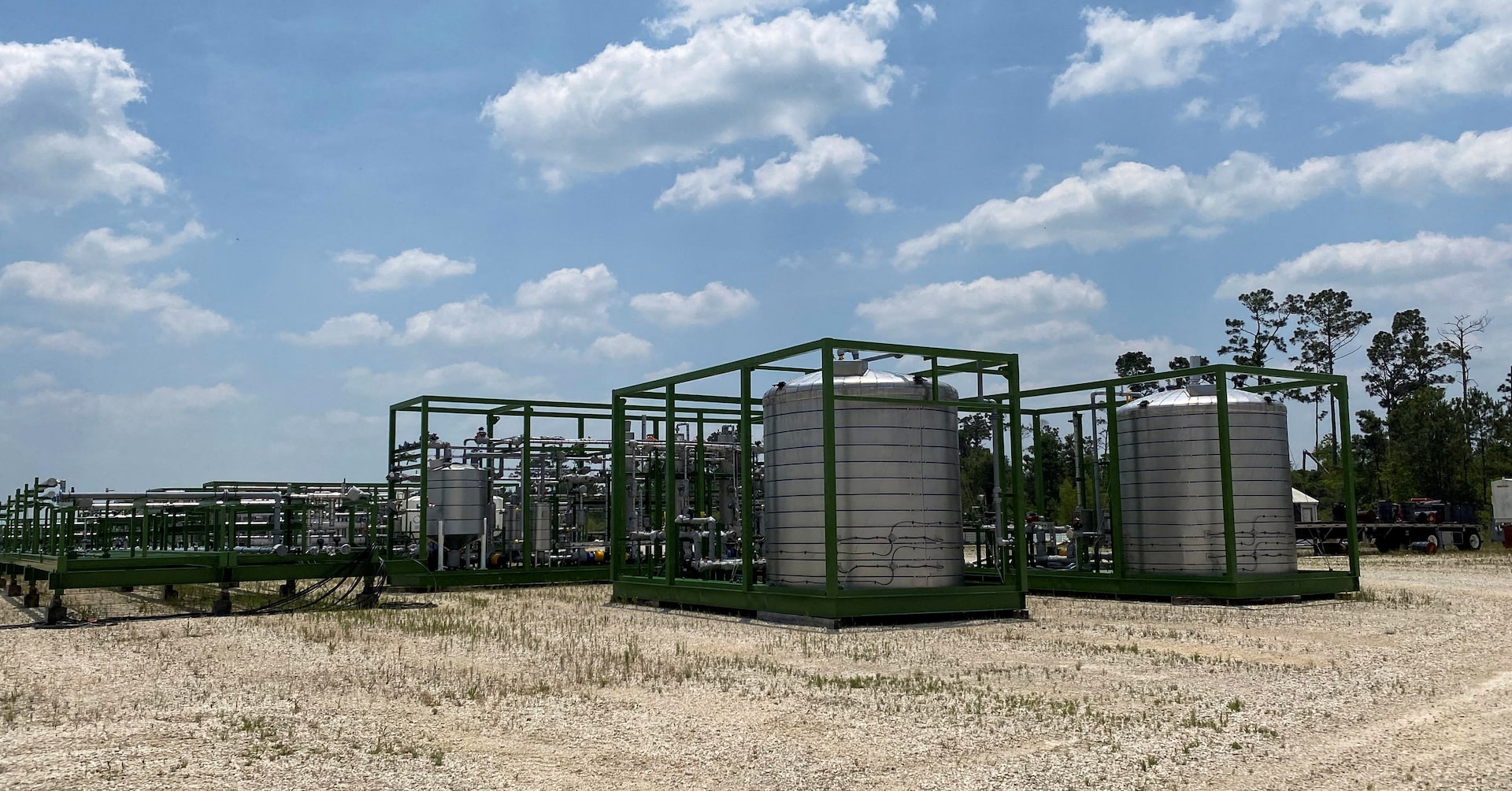
REalloys Appoints Defense Executive to Drive Rare Earth Strategy

- Executive Appointment: REalloys has appointed Joe Kasper, former Chief of Staff to the U.S. Secretary of Defense, as chair of its advisory board, aiming to strengthen its strategic positioning in the rare earth metals sector to meet the 2027 requirement for U.S. defense systems to eliminate Chinese-sourced materials.
- Supply Chain Challenges: U.S. defense procurement rules mandate that, starting in 2027, contractors must eliminate Chinese-origin rare earth materials, creating an urgent demand for domestic or allied sources, which REalloys is actively working to address.
- Market Dynamics: With rising demand from electrification and defense procurement, rare earth material demand is projected to double or triple by the 2030s, while China's export supply tightens due to increased domestic consumption, leading to rising market prices, positioning REalloys to capitalize on this shift.
- Production Capacity Expansion: REalloys plans to initiate Phase 1 in 2027, targeting an annual production of 525 tonnes of NdPr metal, with subsequent phases expanding to 3,500 tonnes, ensuring its critical role in rare earth metal and alloy production to meet the growing market demand.
See More
USA Rare Earth Plans to Ramp Up Magnet Production
- Production Capacity Boost: USA Rare Earth plans to commence commercial production from the Round Top deposit in 2028, becoming the sole beneficiary of the project, despite a 19.9% stock decline in March, reflecting market caution towards high-risk investments.
- Shareholder Dilution: The acquisition of an 18.6% interest in Round Top for 3,823,328 shares of common stock enhances project control but dilutes existing shareholders' interests, increasing investment risk.
- Production Line Commissioning: With the successful commissioning of a commercial magnet production line at its Stillwater facility, the company is now poised to start fulfilling customer orders, marking a significant enhancement in production capacity and laying the groundwork for future development of Round Top.
- Market Environment Impact: Although March's market volatility and geopolitical tensions affected investor sentiment, the company's potential in the rare earth magnet sector remains significant, particularly given the increasing demand for domestic supply chains in the defense industry.
See More
Analysis of USA Rare Earth Stock Volatility
- Significant Stock Decline: USA Rare Earth's stock fell by 19.9% in March despite several positive announcements, as a broad market sell-off driven by events in the Persian Gulf led investors to shift towards safer investments.
- Acquisition of Interest: The company acquired an 18.6% stake in the Round Top deposit for 3,823,328 shares of common stock, making it the 100% beneficiary of the project, which reduces financing risks but dilutes existing shareholders' interests.
- Production Line Commissioned: Management announced the successful commissioning of a commercial magnet production line at its Stillwater facility, enabling the company to start fulfilling customer orders and ramping up production, which is crucial for the future development of Round Top.
- Market Outlook Analysis: Although the consensus suggests the company won't generate net income until 2030, the recent stock price drop makes the risk-reward calculation more attractive, especially given the heightened need for a secure domestic supply chain for heavy rare-earth magnets amid escalating Gulf conflicts.
See More
USA Rare Earth Reports First Sales and Funding Progress
- First Sales Achievement: USA Rare Earth reported $1.64 million in revenue for Q4 2025, marking its first-ever sales, which indicates significant progress in establishing a domestic supply chain for rare earth materials and magnets in a market dominated by China.
- Government Funding Support: The company is finalizing a collaboration with the U.S. Department of Commerce that could provide $1.6 billion in funding, significantly enhancing its competitiveness in the rare earth industry and facilitating the establishment of a domestic supply chain.
- Production Capacity Expansion: USA Rare Earth has commissioned Phase 1A of its magnet facility, expected to start fulfilling customer orders in Q2 2023, ramping up to 600 metric tons per year, with plans to reach 1,200 metric tons by Q1 2027, showcasing rapid growth in production capacity.
- Strong Financial Position: The company currently holds approximately $1.75 billion in cash with no debt and a market cap of $2 billion, indicating that despite nearly zero revenue now, projected revenue growth over the next two years could attract speculative investors.
See More
REalloys Appoints Defense Executive to Drive Rare Earth Strategy
- Executive Appointment: REalloys has appointed Joe Kasper, former Chief of Staff to the U.S. Secretary of Defense, as chair of its advisory board, aiming to strengthen its strategic positioning in the rare earth metals sector to meet the urgent requirement of eliminating Chinese-sourced materials by 2027 for U.S. defense systems.
- Supply Chain Challenges: The U.S. still faces significant bottlenecks in its capacity to produce rare earth metals, and Kasper's involvement is expected to help address the critical step of converting rare earth oxides into metals and alloys, ensuring the security and stability of defense supply chains.
- Market Dynamics: With rising demand from electrification and defense procurement, the need for rare earth materials is projected to double or triple by 2030, while China's export volumes are decreasing due to increased domestic consumption, leading to a tightening global market and rising prices.
- Production Capacity Expansion: REalloys plans to produce 525 tonnes of NdPr metal annually starting in 2027, with subsequent phases expanding to 3,500 tonnes, ensuring a qualified supply of rare earth metals for U.S. defense and industrial systems to meet the growing market demand.
See More
REalloys Appoints Defense Executive to Drive Rare Earth Strategy
- Executive Appointment: REalloys has appointed Joe Kasper, former Chief of Staff to the U.S. Secretary of Defense, as chair of its advisory board, aiming to strengthen the company's strategic positioning in rare earth metals amid the urgent requirement for U.S. defense systems to eliminate Chinese-sourced materials by 2027.
- Supply Chain Challenges: Starting in 2027, U.S. defense procurement rules will mandate contractors to eliminate Chinese rare earth materials, prompting REalloys to address the critical shortage of domestic production capacity for rare earth metals, ensuring supply security for defense and advanced manufacturing.
- Market Dynamics: With rising demand from electrification and defense sectors, rare earth material demand is projected to double or triple by the 2030s, while China's exports are constrained due to increased domestic consumption, leading to a tightening global market.
- Production Capacity Expansion: REalloys plans to initiate Phase 1 in 2027, targeting an annual production of 525 tonnes of NdPr metal, with subsequent phases expanding to 3,500 tonnes, establishing a comprehensive rare earth metal supply chain in the U.S. to meet defense and industrial needs.
See More
REalloys Appoints Defense Executive to Drive Rare Earth Strategy
- Executive Appointment: REalloys has appointed Joe Kasper, former Chief of Staff to the U.S. Secretary of Defense, as chair of its advisory board, aiming to strengthen its strategic positioning in the rare earth metals sector to meet the 2027 requirement for U.S. defense systems to eliminate Chinese-sourced materials.
- Supply Chain Challenges: U.S. defense procurement rules mandate that, starting in 2027, contractors must eliminate Chinese-origin rare earth materials, creating an urgent demand for domestic or allied sources, which REalloys is actively working to address.
- Market Dynamics: With rising demand from electrification and defense procurement, rare earth material demand is projected to double or triple by the 2030s, while China's export supply tightens due to increased domestic consumption, leading to rising market prices, positioning REalloys to capitalize on this shift.
- Production Capacity Expansion: REalloys plans to initiate Phase 1 in 2027, targeting an annual production of 525 tonnes of NdPr metal, with subsequent phases expanding to 3,500 tonnes, ensuring its critical role in rare earth metal and alloy production to meet the growing market demand.
See More