

U.S. Navy Blockades Iranian Exports Amid Rising Oil Prices
Written by Emily J. Thompson, Senior Investment Analyst
Updated: Apr 13 2026
0mins

Source: stocktwits
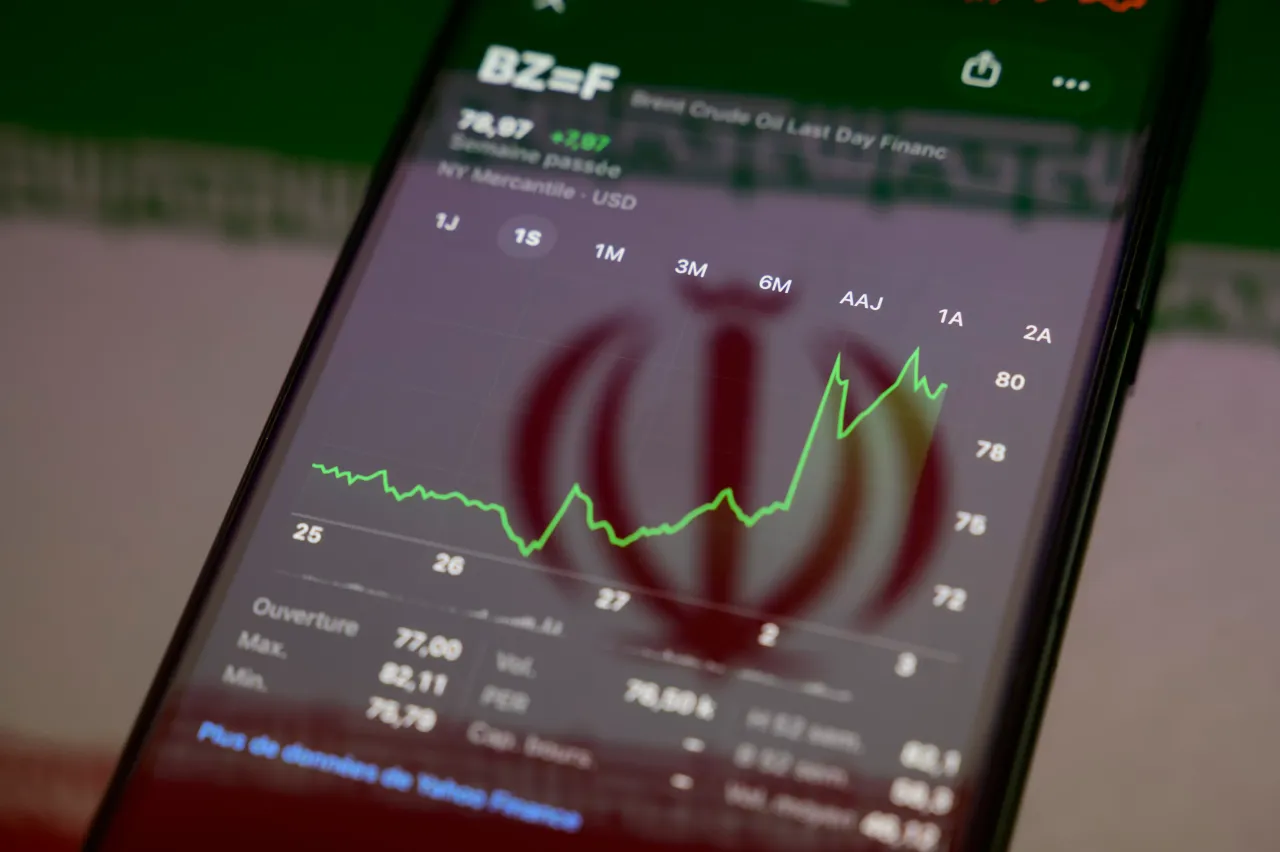
- Maritime Blockade Implementation: U.S. Central Command announced that enforcement of maritime restrictions on Iranian exports will begin at 10 a.m. ET on Monday, threatening approximately 1.7 to 2 million barrels per day of Iranian supply, which could push the global crude deficit above 5 million barrels per day, significantly impacting the global oil market's supply-demand balance.
- Surge in Oil Prices: Following the blockade announcement, West Texas Intermediate crude rose 7.1% to $103, while Brent crude climbed 6.7% to $102, indicating that investor expectations for future price increases have strengthened, potentially leading to more capital inflows into energy stocks.
- Saudi Capacity Restoration: Saudi Arabia has restored full capacity on its East-West pipeline and resumed output from the Manifa field, demonstrating proactive measures to secure its market share in response to Iranian supply threats, thereby reinforcing its position in the global energy market.
- Divergent Market Sentiment: While overall market sentiment towards energy stocks leans bullish, with Battalion Oil (BATL) surging 30% in premarket trading, other stocks like Trio Petroleum (TPET) and EON Resources (EONR) showed weaker performance, reflecting varying levels of investor confidence that could influence trading decisions.
Trade with 70% Backtested Accuracy
Stop guessing "Should I Buy INDO?" and start using high-conviction signals backed by rigorous historical data.
Sign up today to access powerful investing tools and make smarter, data-driven decisions.
Analyst Views on INDO
About INDO
Indonesia Energy Corporation Limited is an independent energy company engaged in the oil and gas business. The Company holds two oil and gas assets through its subsidiaries in Indonesia: The Kruh Block and the Citarum Block. It has also identified a potential third exploration block known as the Rangkas area. The Kruh Block is a producing block covering approximately 258 square kilometers and is located 16 miles northwest of Pendopo, Pali, South Sumatra. Of the eight identified oil-bearing structures, three structures (North Kruh, Kruh, and West Kruh fields) have combined proved developed and undeveloped gross crude oil reserves of approximately 2.06 million barrels (with net crude oil proved reserves of over 1.18 million barrels) and probable undeveloped gross crude oil reserves of over 2.44 million barrels. The block has drilled over four oil discoveries and one gas discovery. The Citarum Block, an exploration block, spans an area of approximately 3,924.67 square kilometers.
About the author

Emily J. Thompson
Emily J. Thompson, a Chartered Financial Analyst (CFA) with 12 years in investment research, graduated with honors from the Wharton School. Specializing in industrial and technology stocks, she provides in-depth analysis for Intellectia’s earnings and market brief reports.

Oil Prices Surge Amid Renewed Middle East Tensions


- Oil Price Surge: Brent crude futures rose over 3%, trading at approximately $96.26 per barrel, while WTI crude futures also climbed more than 3% to around $93.63 per barrel, indicating a market reaction to escalating tensions in the Middle East that could lead to higher energy costs.
- OPEC+ Production Increase: Seven OPEC+ members agreed to raise oil production targets by about 188,000 barrels per day in July, marking the fourth consecutive monthly output hike since the war began, aimed at stabilizing market supply and addressing rising demand.
- Energy Stocks Rally: Major energy companies saw significant stock price increases, with Battalion Oil Corp. (BATL) surging over 11%, while Exxon Mobil Corp. (XOM) and Chevron Corp. (CVX) rose more than 1%, reflecting investor optimism in the energy sector amid rising oil prices.
- Shifts in Market Sentiment: Retail sentiment around BATL was bullish, while XOM was neutral, indicating varying perceptions of different energy stocks that could influence future investment decisions.
See More

Oil Prices Surge Amid U.S.-Iran Conflict

- Oil Price Surge: Oil futures climbed nearly 2.5% in premarket trading following U.S. military strikes in Iran, although prices remained below $100 per barrel, indicating market sensitivity to geopolitical risks.
- Energy Stocks Rally: Major energy stocks like Battalion Oil Corp. and Sky Quarry Inc. surged over 15% and 14%, respectively, reflecting investor optimism about the energy market outlook amid rising oil prices.
- Divergent Market Sentiment: While retail sentiment for BATL and SKYQ leaned bearish, INDO and UCO showed bullish sentiment, highlighting significant differences in market perceptions of various energy stocks.
- Inflation Concerns Intensify: As oil prices continue to rise, Citigroup warned that this could exacerbate overall inflation pressures, prompting central banks to adopt a more hawkish monetary policy stance to counter energy-related inflation risks.
See More

Oil Prices Fluctuate Amid Negotiation Prospects
- Oil Price Decline: Brent crude hovered around $98.50 per barrel and WTI near $96.88 as traders grew cautious amid expectations of renewed U.S.-Iran negotiations, which negatively impacted oil stock performance in premarket trading.
- Demand Forecast Downgrade: The IEA projected a decline of 80,000 barrels per day in global oil demand for 2023, with a significant drop of 1.5 million barrels per day expected in Q2, marking the first annual decline since the pandemic and raising concerns about future demand.
- Slow Supply Recovery: ANZ warned that approximately 10 million barrels per day of supply has been removed from global markets due to the Iran conflict, with recovery likely to remain slow and uneven until mid-2026, exacerbating market worries about oil prices.
- Retail Sentiment Bearish: Retail sentiment on Stocktwits for USO, INDO, and EONR was extremely bearish, while BATL showed relatively optimistic sentiment, indicating a divergence in investor confidence regarding energy stocks amid uncertainty in the oil market.
See More

Morgan Stanley Keeps Oil Price Forecast Steady at $110 for Q2 2026

- Oil Price Forecast: Morgan Stanley maintains its crude oil price forecast at $110 per barrel for Q2 2026 and $100 for Q3 2026, with expectations of stabilization at $80 per barrel in 2027, reflecting a cautiously optimistic outlook on future market conditions.
- Slow Supply Chain Recovery: Despite the impending reopening of the Strait of Hormuz, Morgan Stanley highlights that oil supply chains will take months to normalize, with April exports expected to remain low and only 70% of lost volumes recovered between May and July, with a return to normal levels anticipated by October.
- Strong Market Reaction: Following Trump's embargo on the Strait of Hormuz, shares of Battalion Oil Corporation and AleAnna Inc. surged 183% and 75% respectively in early trading on Monday, indicating a strong market response to supply concerns.
- OPEC Report Focus: The upcoming OPEC monthly market report will focus on supply disruptions across the Middle East's energy infrastructure, particularly as Saudi Arabia restores full capacity through its East-West pipeline, increasing market attention on alternative export corridors.
See More
U.S. Navy Blockades Iranian Exports Amid Rising Oil Prices
- Maritime Blockade Implementation: U.S. Central Command announced that enforcement of maritime restrictions on Iranian exports will begin at 10 a.m. ET on Monday, threatening approximately 1.7 to 2 million barrels per day of Iranian supply, which could push the global crude deficit above 5 million barrels per day, significantly impacting the global oil market's supply-demand balance.
- Surge in Oil Prices: Following the blockade announcement, West Texas Intermediate crude rose 7.1% to $103, while Brent crude climbed 6.7% to $102, indicating that investor expectations for future price increases have strengthened, potentially leading to more capital inflows into energy stocks.
- Saudi Capacity Restoration: Saudi Arabia has restored full capacity on its East-West pipeline and resumed output from the Manifa field, demonstrating proactive measures to secure its market share in response to Iranian supply threats, thereby reinforcing its position in the global energy market.
- Divergent Market Sentiment: While overall market sentiment towards energy stocks leans bullish, with Battalion Oil (BATL) surging 30% in premarket trading, other stocks like Trio Petroleum (TPET) and EON Resources (EONR) showed weaker performance, reflecting varying levels of investor confidence that could influence trading decisions.
See More

Oil Price Fluctuations and Market Sentiment Analysis
- Oil Price Surge: WTI crude rose 3.2% to $97 per barrel, while Brent increased 3.5% to $98, primarily due to renewed tensions in the Strait of Hormuz, which may impact future supply chain stability.
- Goldman Sachs Lowers Price Outlook: Goldman Sachs adjusted its near-term crude price forecast, expecting Brent to average $90 and WTI $87 this quarter, reflecting reduced geopolitical risk premiums and initial signs of improved oil flows, which could influence investor confidence.
- Divergent Market Sentiment: On Stocktwits, retail sentiment for USO and INDO was rated as 'extremely bearish', while BATL was viewed as 'bullish' amid high message volume, indicating varying market sentiments towards different energy stocks that may affect short-term trading strategies.
- Cautious Supply Recovery Outlook: Analysts cautioned that even with diplomatic progress, oil supply conditions are unlikely to normalize quickly, with infrastructure damage and export bottlenecks potentially keeping crude prices above $100, increasing the risk of inventory drawdowns and affecting long-term market stability.
See More
Oil Prices Surge Amid Renewed Middle East Tensions
- Oil Price Surge: Brent crude futures rose over 3%, trading at approximately $96.26 per barrel, while WTI crude futures also climbed more than 3% to around $93.63 per barrel, indicating a market reaction to escalating tensions in the Middle East that could lead to higher energy costs.
- OPEC+ Production Increase: Seven OPEC+ members agreed to raise oil production targets by about 188,000 barrels per day in July, marking the fourth consecutive monthly output hike since the war began, aimed at stabilizing market supply and addressing rising demand.
- Energy Stocks Rally: Major energy companies saw significant stock price increases, with Battalion Oil Corp. (BATL) surging over 11%, while Exxon Mobil Corp. (XOM) and Chevron Corp. (CVX) rose more than 1%, reflecting investor optimism in the energy sector amid rising oil prices.
- Shifts in Market Sentiment: Retail sentiment around BATL was bullish, while XOM was neutral, indicating varying perceptions of different energy stocks that could influence future investment decisions.
See More
Oil Prices Surge Amid U.S.-Iran Conflict
- Oil Price Surge: Oil futures climbed nearly 2.5% in premarket trading following U.S. military strikes in Iran, although prices remained below $100 per barrel, indicating market sensitivity to geopolitical risks.
- Energy Stocks Rally: Major energy stocks like Battalion Oil Corp. and Sky Quarry Inc. surged over 15% and 14%, respectively, reflecting investor optimism about the energy market outlook amid rising oil prices.
- Divergent Market Sentiment: While retail sentiment for BATL and SKYQ leaned bearish, INDO and UCO showed bullish sentiment, highlighting significant differences in market perceptions of various energy stocks.
- Inflation Concerns Intensify: As oil prices continue to rise, Citigroup warned that this could exacerbate overall inflation pressures, prompting central banks to adopt a more hawkish monetary policy stance to counter energy-related inflation risks.
See More
Oil Prices Fluctuate Amid Negotiation Prospects
- Oil Price Decline: Brent crude hovered around $98.50 per barrel and WTI near $96.88 as traders grew cautious amid expectations of renewed U.S.-Iran negotiations, which negatively impacted oil stock performance in premarket trading.
- Demand Forecast Downgrade: The IEA projected a decline of 80,000 barrels per day in global oil demand for 2023, with a significant drop of 1.5 million barrels per day expected in Q2, marking the first annual decline since the pandemic and raising concerns about future demand.
- Slow Supply Recovery: ANZ warned that approximately 10 million barrels per day of supply has been removed from global markets due to the Iran conflict, with recovery likely to remain slow and uneven until mid-2026, exacerbating market worries about oil prices.
- Retail Sentiment Bearish: Retail sentiment on Stocktwits for USO, INDO, and EONR was extremely bearish, while BATL showed relatively optimistic sentiment, indicating a divergence in investor confidence regarding energy stocks amid uncertainty in the oil market.
See More
Morgan Stanley Keeps Oil Price Forecast Steady at $110 for Q2 2026
- Oil Price Forecast: Morgan Stanley maintains its crude oil price forecast at $110 per barrel for Q2 2026 and $100 for Q3 2026, with expectations of stabilization at $80 per barrel in 2027, reflecting a cautiously optimistic outlook on future market conditions.
- Slow Supply Chain Recovery: Despite the impending reopening of the Strait of Hormuz, Morgan Stanley highlights that oil supply chains will take months to normalize, with April exports expected to remain low and only 70% of lost volumes recovered between May and July, with a return to normal levels anticipated by October.
- Strong Market Reaction: Following Trump's embargo on the Strait of Hormuz, shares of Battalion Oil Corporation and AleAnna Inc. surged 183% and 75% respectively in early trading on Monday, indicating a strong market response to supply concerns.
- OPEC Report Focus: The upcoming OPEC monthly market report will focus on supply disruptions across the Middle East's energy infrastructure, particularly as Saudi Arabia restores full capacity through its East-West pipeline, increasing market attention on alternative export corridors.
See More
U.S. Navy Blockades Iranian Exports Amid Rising Oil Prices
- Maritime Blockade Implementation: U.S. Central Command announced that enforcement of maritime restrictions on Iranian exports will begin at 10 a.m. ET on Monday, threatening approximately 1.7 to 2 million barrels per day of Iranian supply, which could push the global crude deficit above 5 million barrels per day, significantly impacting the global oil market's supply-demand balance.
- Surge in Oil Prices: Following the blockade announcement, West Texas Intermediate crude rose 7.1% to $103, while Brent crude climbed 6.7% to $102, indicating that investor expectations for future price increases have strengthened, potentially leading to more capital inflows into energy stocks.
- Saudi Capacity Restoration: Saudi Arabia has restored full capacity on its East-West pipeline and resumed output from the Manifa field, demonstrating proactive measures to secure its market share in response to Iranian supply threats, thereby reinforcing its position in the global energy market.
- Divergent Market Sentiment: While overall market sentiment towards energy stocks leans bullish, with Battalion Oil (BATL) surging 30% in premarket trading, other stocks like Trio Petroleum (TPET) and EON Resources (EONR) showed weaker performance, reflecting varying levels of investor confidence that could influence trading decisions.
See More
Oil Price Fluctuations and Market Sentiment Analysis
- Oil Price Surge: WTI crude rose 3.2% to $97 per barrel, while Brent increased 3.5% to $98, primarily due to renewed tensions in the Strait of Hormuz, which may impact future supply chain stability.
- Goldman Sachs Lowers Price Outlook: Goldman Sachs adjusted its near-term crude price forecast, expecting Brent to average $90 and WTI $87 this quarter, reflecting reduced geopolitical risk premiums and initial signs of improved oil flows, which could influence investor confidence.
- Divergent Market Sentiment: On Stocktwits, retail sentiment for USO and INDO was rated as 'extremely bearish', while BATL was viewed as 'bullish' amid high message volume, indicating varying market sentiments towards different energy stocks that may affect short-term trading strategies.
- Cautious Supply Recovery Outlook: Analysts cautioned that even with diplomatic progress, oil supply conditions are unlikely to normalize quickly, with infrastructure damage and export bottlenecks potentially keeping crude prices above $100, increasing the risk of inventory drawdowns and affecting long-term market stability.
See More





