UnitedHealth Group: A Top Healthcare Stock for the Next Decade
Written by Emily J. Thompson, Senior Investment Analyst
Updated: Feb 18 2026
0mins
Should l Buy UNH?
Source: Fool
- Stock Performance Decline: As of February 16, UnitedHealth Group's stock has fallen over 41% in the past 12 months, primarily due to disappointing earnings, potential Medicare changes, and poor public relations, indicating significant challenges ahead.
- Vertical Integration Advantage: UnitedHealth Group's vertical integration through its insurance business (UnitedHealthcare) and care business (Optum) allows it to collect revenue from multiple parts of the healthcare ecosystem, enhancing its competitive position in the market.
- Diversified Revenue Streams: The insurance segment is projected to generate over $352 billion in premiums by 2025, while Optum earns revenue by providing healthcare services and products (e.g., doctors, pharmacies, data), which mitigates business risk through diversified income sources.
- Significant Scale Effects: In the healthcare sector, the scale provides UnitedHealth with negotiating power when dealing with drugmakers and hospitals, ensuring that even if one part of the business faces difficulties, the other can provide support, securing the company's long-term stability.
Trade with 70% Backtested Accuracy
Stop guessing "Should I Buy UNH?" and start using high-conviction signals backed by rigorous historical data.
Sign up today to access powerful investing tools and make smarter, data-driven decisions.
Analyst Views on UNH
Wall Street analysts forecast UNH stock price to rise
19 Analyst Rating
16 Buy
3 Hold
0 Sell
Strong Buy
Current: 273.980

Low
330.00
Averages
397.82
High
444.00
Current: 273.980
Low
330.00
Averages
397.82
High
444.00
About UNH
UnitedHealth Group Incorporated is a healthcare and well-being company. Its segments include Optum Health, Optum Insight, Optum Rx, and UnitedHealthcare, which includes UnitedHealthcare Employer & Individual, UnitedHealthcare Medicare & Retirement and UnitedHealthcare Community & State. Optum Health provides comprehensive and patient-centered care, addressing the physical, mental, and social well-being. Optum Health delivers primary, specialty and surgical care and helps patients and providers navigate and address complex, chronic and behavioral health needs. Optum Insight connects the healthcare system with services, analytics and platforms that make clinical, administrative and financial processes simpler and more efficient for all participants in the healthcare system. Optum Rx offers a range of pharmacy care services through retail pharmacies, through home delivery, specialty and community health pharmacies and the provision of in-home and community-based infusion services.
About the author

Emily J. Thompson
Emily J. Thompson, a Chartered Financial Analyst (CFA) with 12 years in investment research, graduated with honors from the Wharton School. Specializing in industrial and technology stocks, she provides in-depth analysis for Intellectia’s earnings and market brief reports.

U.S. Adds 178K Jobs in March, Unemployment Rate Dips to 4.3%

- Labor Market Recovery: The U.S. added 178,000 nonfarm jobs in March, significantly surpassing the Dow Jones estimate of 59,000, indicating signs of economic recovery despite the persistent slow-growth trend.
- Sector Growth Highlights: The healthcare sector was the largest contributor, adding 76,000 jobs, with 54,000 coming from returning workers post-strike, suggesting a rebound in this sector after facing short-term challenges.
- Unemployment Rate Changes: Although the unemployment rate dipped slightly to 4.3%, the labor force participation rate fell to 61.9% due to a decline of 396,000 individuals, reflecting underlying pressures in the job market.
- Wage Growth Slowdown: Average hourly earnings rose by only 0.2% in March, with a year-over-year increase of 3.5%, both below expectations, indicating that sluggish wage growth may impact consumer spending and overall economic growth.
See More

Market Watch: Oil Price Surge and Stock Market Turmoil

- Oil Price Surge Impact: Following President Trump's address on the Iran war, which raised escalation concerns, U.S. crude benchmark WTI surged 9% to $109 a barrel, putting downward pressure on the stock market and negatively affecting investor sentiment.
- Bank of America Upgrades Vale: Bank of America upgraded Vale from hold to buy, suggesting that now is an attractive entry point for investors in the iron ore producer, despite Vale's stock dropping nearly 7% since the Iran conflict began, while iron ore prices have risen about 8%.
- Wix's Outlook Downgraded: UBS downgraded Wix from buy to hold, with analysts believing its 2026 outlook indicates a slowdown in core business growth from 12% last year to 8% this year, and despite efforts to integrate AI capabilities, the company remains vulnerable to disruption by AI.
- Cheniere Energy Price Target Increased: Citigroup raised Cheniere Energy's price target from $280 to $330 while reiterating its buy rating, as supply disruptions in the Middle East could benefit U.S. LNG exports long-term, with shares up about 17% since the war began.
See More
Wegovy Pill Shows Superior Weight Loss Over Foundayo

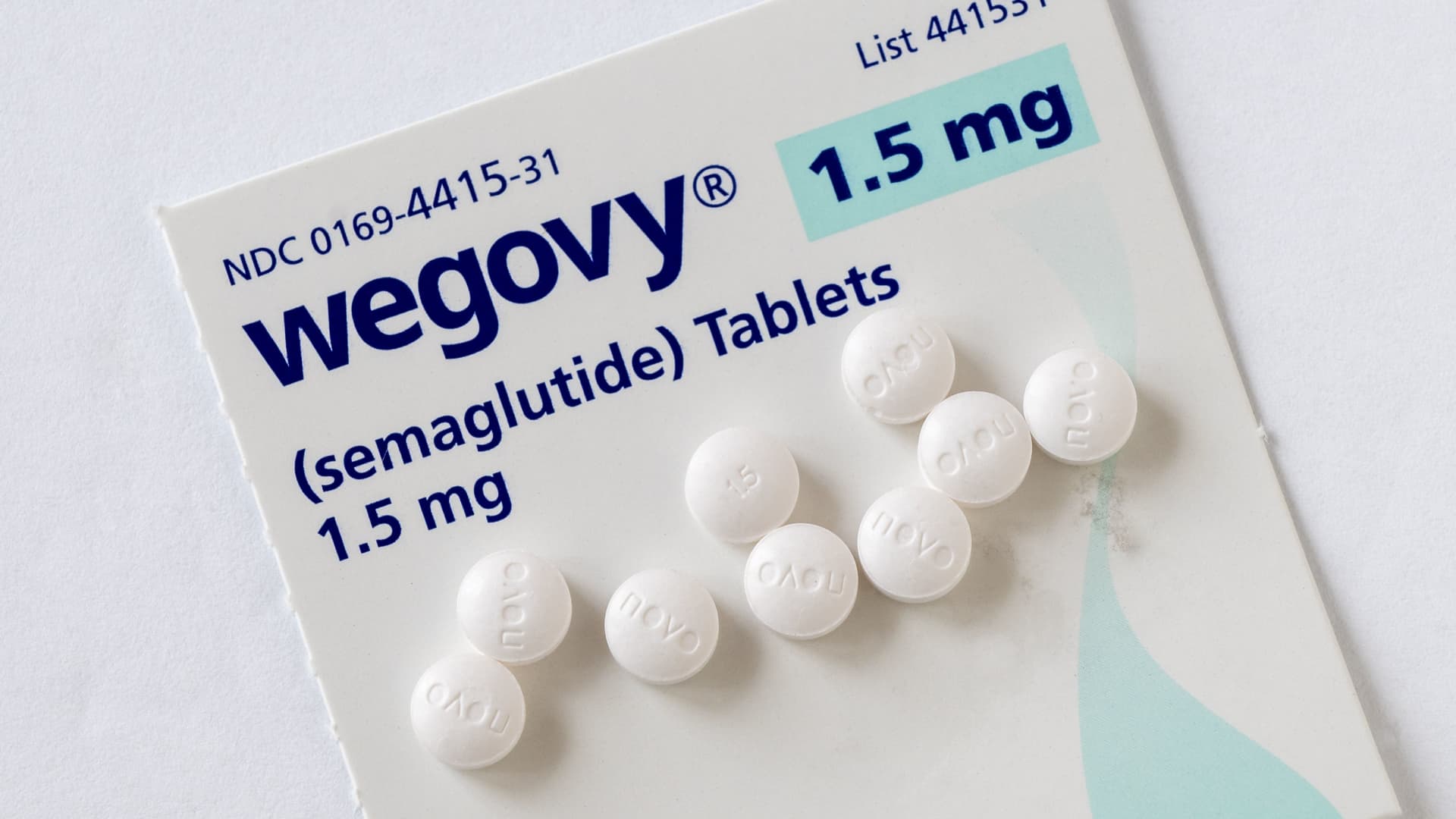
- Weight Loss Efficacy: The Wegovy pill demonstrated significantly greater mean weight loss of 16.6% compared to Eli Lilly's Foundayo, which showed only 12.4%, indicating Wegovy's competitive edge in the weight-loss drug market.
- Patient Preference Insights: An analysis by Novo revealed that 84% of patients preferred the drug profile of Wegovy, highlighting strong patient recognition of its lifestyle compatibility, which provides robust support for Novo's market promotion efforts.
- Market Competition Dynamics: The launch of the Wegovy pill is seen as the beginning of a new era in weight-loss medications; however, analysts note that the rapid increase in prescriptions may slow down as Foundayo approaches its market entry, potentially impacting Wegovy's market share.
- Side Effect Comparison: Recent studies indicate that Wegovy outperforms Foundayo in terms of discontinuation rates, with the latter associated with about 14 times higher odds of stopping treatment due to side effects, providing Wegovy with a crucial differentiation advantage in the increasingly competitive anti-obesity drug market.
See More
Analysis of High Dividend Stock Investment Strategy

- Philip Morris Growth: Despite declining global cigarette demand, Philip Morris International's smoke-free product volumes grew by 12.8% in 2025, demonstrating strong pricing power and unit economics in emerging markets, with expectations for significant increases in dividend per share in the future.
- Pfizer Dividend Advantage: Pfizer currently offers a dividend yield of 6.2%, and despite its stock price being down 55% from all-time highs, its investments in oncology and obesity drug markets may provide future growth potential, making it a stable income source.
- UnitedHealth Group Challenges: UnitedHealth Group has a dividend yield of 3.4%, and despite facing rising healthcare costs and cyberattack challenges, it is projected to rebound to $24 billion in operating earnings by 2026, supporting future dividend payments.
- Healthcare Spending Growth: As the U.S. population ages and healthcare costs inflate, healthcare spending is expected to continue rising, and while the insurance industry may not be popular, UnitedHealth Group's long-term growth potential remains noteworthy.
See More

Analysis of High-Yield Stocks in Dow Jones


- Verizon's Yield Potential: Verizon, the highest-yielding stock in the Dow with a current yield of 5.6%, primarily operates in mobile communications, and while its high debt limits cash flow, its stable customer base makes it a choice for income-focused investors.
- Chevron's Market Performance: As one of the world's largest energy companies, Chevron offers an attractive 3.3% yield and has increased dividends annually for over 25 years; however, the current rise in oil prices may lead to short-term stock price volatility, yet its diversified business model and low leverage make it a solid investment choice.
- UnitedHealth's Industry Position: UnitedHealth Group, one of the largest health insurance companies in the U.S., provides a broad spectrum of healthcare services with a 3.3% yield, but due to earnings volatility and increasing regulatory scrutiny, conservative dividend investors may need to remain on the sidelines.
- Investment Summary: While Verizon, Chevron, and UnitedHealth each have their attractions, the challenges they face suggest that long-term investors should proceed with caution, particularly in the current market environment, as none of the three presents a clear buying opportunity.
See More
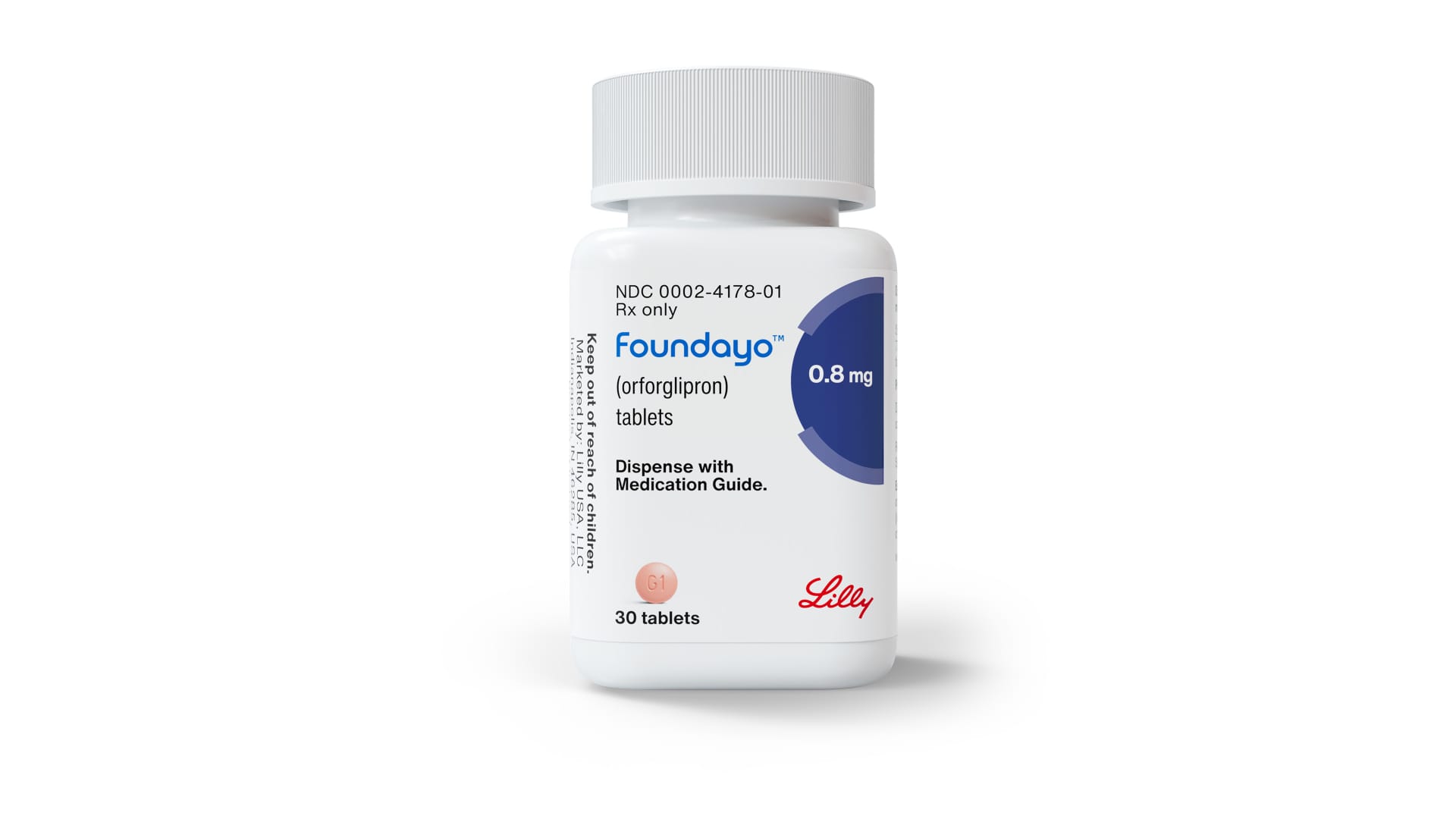
Eli Lilly's GLP-1 Pill Approval Marks New Weight Loss Market Entry
- Regulatory Milestone: The FDA's approval of Eli Lilly's GLP-1 pill, Foundayo, represents a significant advancement for the company in the weight-loss medication market, setting the stage for competition with Novo Nordisk's Wegovy and altering market dynamics.
- Pricing Strategy: Foundayo is priced at $25 per month with insurance or between $149 and $349 out-of-pocket, aiming to attract a broader patient base, particularly appealing to seniors, thereby expanding the market for weight-loss drugs.
- Global Market Expansion: Lilly plans to seek approval for Foundayo in over 40 countries within the next year, leveraging its small molecule nature to enable global production and distribution without cold-chain constraints, enhancing its competitive edge.
- Sales Projections: Analysts estimate Foundayo's sales could reach $14.79 billion by 2030, although lower than Zepbound's $24.68 billion, it still indicates strong market potential and is seen as a key factor for Eli Lilly's stock recovery.
See More
U.S. Adds 178K Jobs in March, Unemployment Rate Dips to 4.3%
- Labor Market Recovery: The U.S. added 178,000 nonfarm jobs in March, significantly surpassing the Dow Jones estimate of 59,000, indicating signs of economic recovery despite the persistent slow-growth trend.
- Sector Growth Highlights: The healthcare sector was the largest contributor, adding 76,000 jobs, with 54,000 coming from returning workers post-strike, suggesting a rebound in this sector after facing short-term challenges.
- Unemployment Rate Changes: Although the unemployment rate dipped slightly to 4.3%, the labor force participation rate fell to 61.9% due to a decline of 396,000 individuals, reflecting underlying pressures in the job market.
- Wage Growth Slowdown: Average hourly earnings rose by only 0.2% in March, with a year-over-year increase of 3.5%, both below expectations, indicating that sluggish wage growth may impact consumer spending and overall economic growth.
See More
Market Watch: Oil Price Surge and Stock Market Turmoil
- Oil Price Surge Impact: Following President Trump's address on the Iran war, which raised escalation concerns, U.S. crude benchmark WTI surged 9% to $109 a barrel, putting downward pressure on the stock market and negatively affecting investor sentiment.
- Bank of America Upgrades Vale: Bank of America upgraded Vale from hold to buy, suggesting that now is an attractive entry point for investors in the iron ore producer, despite Vale's stock dropping nearly 7% since the Iran conflict began, while iron ore prices have risen about 8%.
- Wix's Outlook Downgraded: UBS downgraded Wix from buy to hold, with analysts believing its 2026 outlook indicates a slowdown in core business growth from 12% last year to 8% this year, and despite efforts to integrate AI capabilities, the company remains vulnerable to disruption by AI.
- Cheniere Energy Price Target Increased: Citigroup raised Cheniere Energy's price target from $280 to $330 while reiterating its buy rating, as supply disruptions in the Middle East could benefit U.S. LNG exports long-term, with shares up about 17% since the war began.
See More
Wegovy Pill Shows Superior Weight Loss Over Foundayo
- Weight Loss Efficacy: The Wegovy pill demonstrated significantly greater mean weight loss of 16.6% compared to Eli Lilly's Foundayo, which showed only 12.4%, indicating Wegovy's competitive edge in the weight-loss drug market.
- Patient Preference Insights: An analysis by Novo revealed that 84% of patients preferred the drug profile of Wegovy, highlighting strong patient recognition of its lifestyle compatibility, which provides robust support for Novo's market promotion efforts.
- Market Competition Dynamics: The launch of the Wegovy pill is seen as the beginning of a new era in weight-loss medications; however, analysts note that the rapid increase in prescriptions may slow down as Foundayo approaches its market entry, potentially impacting Wegovy's market share.
- Side Effect Comparison: Recent studies indicate that Wegovy outperforms Foundayo in terms of discontinuation rates, with the latter associated with about 14 times higher odds of stopping treatment due to side effects, providing Wegovy with a crucial differentiation advantage in the increasingly competitive anti-obesity drug market.
See More
Analysis of High Dividend Stock Investment Strategy
- Philip Morris Growth: Despite declining global cigarette demand, Philip Morris International's smoke-free product volumes grew by 12.8% in 2025, demonstrating strong pricing power and unit economics in emerging markets, with expectations for significant increases in dividend per share in the future.
- Pfizer Dividend Advantage: Pfizer currently offers a dividend yield of 6.2%, and despite its stock price being down 55% from all-time highs, its investments in oncology and obesity drug markets may provide future growth potential, making it a stable income source.
- UnitedHealth Group Challenges: UnitedHealth Group has a dividend yield of 3.4%, and despite facing rising healthcare costs and cyberattack challenges, it is projected to rebound to $24 billion in operating earnings by 2026, supporting future dividend payments.
- Healthcare Spending Growth: As the U.S. population ages and healthcare costs inflate, healthcare spending is expected to continue rising, and while the insurance industry may not be popular, UnitedHealth Group's long-term growth potential remains noteworthy.
See More
Analysis of High-Yield Stocks in Dow Jones
- Verizon's Yield Potential: Verizon, the highest-yielding stock in the Dow with a current yield of 5.6%, primarily operates in mobile communications, and while its high debt limits cash flow, its stable customer base makes it a choice for income-focused investors.
- Chevron's Market Performance: As one of the world's largest energy companies, Chevron offers an attractive 3.3% yield and has increased dividends annually for over 25 years; however, the current rise in oil prices may lead to short-term stock price volatility, yet its diversified business model and low leverage make it a solid investment choice.
- UnitedHealth's Industry Position: UnitedHealth Group, one of the largest health insurance companies in the U.S., provides a broad spectrum of healthcare services with a 3.3% yield, but due to earnings volatility and increasing regulatory scrutiny, conservative dividend investors may need to remain on the sidelines.
- Investment Summary: While Verizon, Chevron, and UnitedHealth each have their attractions, the challenges they face suggest that long-term investors should proceed with caution, particularly in the current market environment, as none of the three presents a clear buying opportunity.
See More
Eli Lilly's GLP-1 Pill Approval Marks New Weight Loss Market Entry
- Regulatory Milestone: The FDA's approval of Eli Lilly's GLP-1 pill, Foundayo, represents a significant advancement for the company in the weight-loss medication market, setting the stage for competition with Novo Nordisk's Wegovy and altering market dynamics.
- Pricing Strategy: Foundayo is priced at $25 per month with insurance or between $149 and $349 out-of-pocket, aiming to attract a broader patient base, particularly appealing to seniors, thereby expanding the market for weight-loss drugs.
- Global Market Expansion: Lilly plans to seek approval for Foundayo in over 40 countries within the next year, leveraging its small molecule nature to enable global production and distribution without cold-chain constraints, enhancing its competitive edge.
- Sales Projections: Analysts estimate Foundayo's sales could reach $14.79 billion by 2030, although lower than Zepbound's $24.68 billion, it still indicates strong market potential and is seen as a key factor for Eli Lilly's stock recovery.
See More