Uber's Q4 Earnings Analysis and Market Reaction
Written by Emily J. Thompson, Senior Investment Analyst
Updated: Feb 05 2026
0mins

Should l Buy UBER?
Source: stocktwits
- Earnings Miss: Uber reported Q4 adjusted earnings of $0.71 per share, falling short of the $0.78 consensus, although revenue reached $14.4 billion, slightly above the expected $14.32 billion, indicating pressure on profitability that may affect investor confidence.
- Stock Volatility and Ratings: Despite Uber's stock dropping over 5% on Wednesday to a nine-month low, BofA, Citizens, and Goldman Sachs maintained positive ratings, with BofA lowering its price target to $103, implying a 39% upside, reflecting market confidence in Uber's long-term growth potential.
- Increased AV Utilization: Uber noted that autonomous vehicles on its platform are seeing approximately 30% higher trips per vehicle per day, which not only enhances operational efficiency but could also strengthen Uber's competitive position in the future mobility market, particularly against rivals like Tesla.
- Future Outlook and Buyback Plans: Uber plans to remain aggressive with share buybacks and expects to generate strong cash flow by 2025, with the CEO emphasizing a focus on reinvesting in core opportunities, especially in AVs and selective M&A, demonstrating confidence in future growth.
Trade with 70% Backtested Accuracy
Stop guessing "Should I Buy UBER?" and start using high-conviction signals backed by rigorous historical data.
Sign up today to access powerful investing tools and make smarter, data-driven decisions.
Analyst Views on UBER
Wall Street analysts forecast UBER stock price to rise
32 Analyst Rating
28 Buy
3 Hold
1 Sell
Strong Buy
Current: 71.710

Low
72.00
Averages
107.10
High
150.00
Current: 71.710
Low
72.00
Averages
107.10
High
150.00
About UBER
Uber Technologies, Inc. operates a technology platform that uses network and technology to power movement from point A to point B. It develops and operates technology applications supporting a variety of offerings on its platform (platform(s)). Its segments include Mobility, Delivery and Freight. Mobility products connect consumers with drivers who provide rides in a variety of vehicles, such as cars, auto rickshaws, motorbikes, minibuses, or taxis. Delivery offerings allow consumers to search for and discover local restaurants, order a meal, and either pick-up at the restaurant or have the meal delivered. In certain markets, the Delivery segment provides offerings for grocery, alcohol, and convenience store delivery as well as select other goods. The Freight segment connects carriers with shippers on its platform, and gives carriers upfront, pricing and the ability to book a shipment. The Freight segment also includes transportation management and other logistics service offerings.
About the author

Emily J. Thompson
Emily J. Thompson, a Chartered Financial Analyst (CFA) with 12 years in investment research, graduated with honors from the Wharton School. Specializing in industrial and technology stocks, she provides in-depth analysis for Intellectia’s earnings and market brief reports.

Joby Aviation Plans Certification and Operations in 2026


- Market Risk Assessment: Joby Aviation's stock declined by 17.9% in March, mirroring Archer Aviation's 27.4% drop, indicating the vulnerability of high-risk assets during market turmoil, although recent events have somewhat mitigated this risk.
- Geopolitical Impact: The ongoing conflict in the Persian Gulf poses uncertainty for Joby's partnership with Uber for air taxi services in Dubai, potentially delaying operations in the UAE and affecting the company's market expansion strategy.
- Policy Support Opportunity: Joby has been selected as a partner in multiple winning applications under the White House-backed Electric Vertical Takeoff and Landing (eVTOL) Integration Pilot Program, with plans to potentially begin operations in 10 states, including Florida, New York, and Texas, highlighting the potential for policy support.
- Flight Testing Progress: In mid-March, Joby began flight testing FAA-conforming aircraft for Type Inspection Authorization (TIA), paving the way for commercial deployment ahead of FAA certification, which is crucial for the company's growth trajectory.
See More

Joby Aviation Stock Declines Amid Geopolitical Tensions
- Stock Decline: Joby Aviation's stock fell by 17.9% in March, mirroring a 27.4% drop in peer Archer Aviation, indicating a broader sell-off in risk assets as investors shifted towards safer options amid market volatility.
- Geopolitical Impact: The ongoing conflict in the Persian Gulf has adversely affected Joby's partnership with Uber for Uber Air, as the announcement of their service targeting Dubai came at a particularly inopportune time, potentially hindering future business expansion.
- Positive Developments: In early March, Joby was selected as a partner in several White House-backed Electric Vertical Takeoff and Landing (eVTOL) Integration Pilot Program applications, with potential operations in 10 states by 2026, highlighting significant future growth opportunities.
- Flight Testing Initiated: Joby commenced flight testing of FAA-conforming aircraft in mid-March, preparing for FAA Type Inspection Authorization, which signifies technological advancements and readiness for market entry in the electric aviation sector.
See More

American Express Increases Quarterly Dividend by 16%
- Dividend Increase: American Express has raised its quarterly dividend by 16%, bringing the payout to $0.95 per share, reflecting strong cash flow and a payout ratio below 25%, providing ample room for future dividend hikes.
- Strong Earnings Performance: In 2025, the company reported a 10% revenue increase to $72.2 billion, with earnings per share reaching $15.38, a 15% year-over-year growth, demonstrating robust profitability amid resilient consumer spending.
- Share Buyback Program: In 2025, American Express returned $7.6 billion to shareholders, with approximately $5.3 billion allocated for share repurchases, reducing the share count by about 2%, which directly boosts earnings per share and enhances shareholder returns.
- Market Appeal: Despite a 20% decline in share price since the start of 2026, trading around $300 with a price-to-earnings ratio of approximately 17, the stock presents an attractive valuation for long-term investors in a high-quality lending institution.
See More

Uber Stock Declines Over 10% in 2026
- Stock Decline: Uber's stock has fallen over 10% in 2026, indicating market concerns about its future growth, which could negatively impact investor confidence and the company's ability to raise funds.
- Investor Interest: Despite the stock's decline, investors remain curious about potential buying opportunities in Uber, reflecting expectations of its long-term value, which may lead to future capital inflows.
- Market Reaction: The stock price data from the afternoon of March 29, 2026, suggests that Uber is under pressure, possibly due to the overall market environment and intensified industry competition, necessitating close monitoring of its subsequent performance.
- Video Release: The video published on April 1, 2026, aims to analyze Uber's stock trends and market sentiment, potentially providing investors with decision-making insights.
See More

American Express Stock Offers Investment Opportunity Amid Price Decline
- Strong Earnings Performance: American Express reported a 10% revenue increase for 2025, reaching $72.2 billion, with adjusted earnings per share at $15.38, a 15% year-over-year growth, demonstrating resilience amid economic uncertainties and boosting investor confidence.
- Dividend Growth and Buybacks: The board approved a 16% increase in the quarterly dividend to $0.95 per share, with an annualized payout of $3.80 reflecting a low payout ratio under 25%, indicating room for future increases, while $5.3 billion was spent on share repurchases in 2025, reducing the share count by 2% and enhancing per-share earnings.
- Enhanced Pricing Power: By raising the annual fee of its flagship Platinum Card by nearly 30% to $895 and adding various lifestyle perks, American Express successfully attracted younger consumers, particularly Millennials and Gen Z, thereby strengthening customer loyalty and laying the groundwork for future growth.
- Attractive Valuation: With shares trading around $300, the stock is valued at approximately 17 times the midpoint of management's 2026 earnings guidance, presenting an appealing price-to-earnings ratio for a high-quality lender, offering investors a solid entry point despite potential economic downturn risks.
See More
Coca-Cola Launches New Marketing Campaign to Boost Restaurant Sales


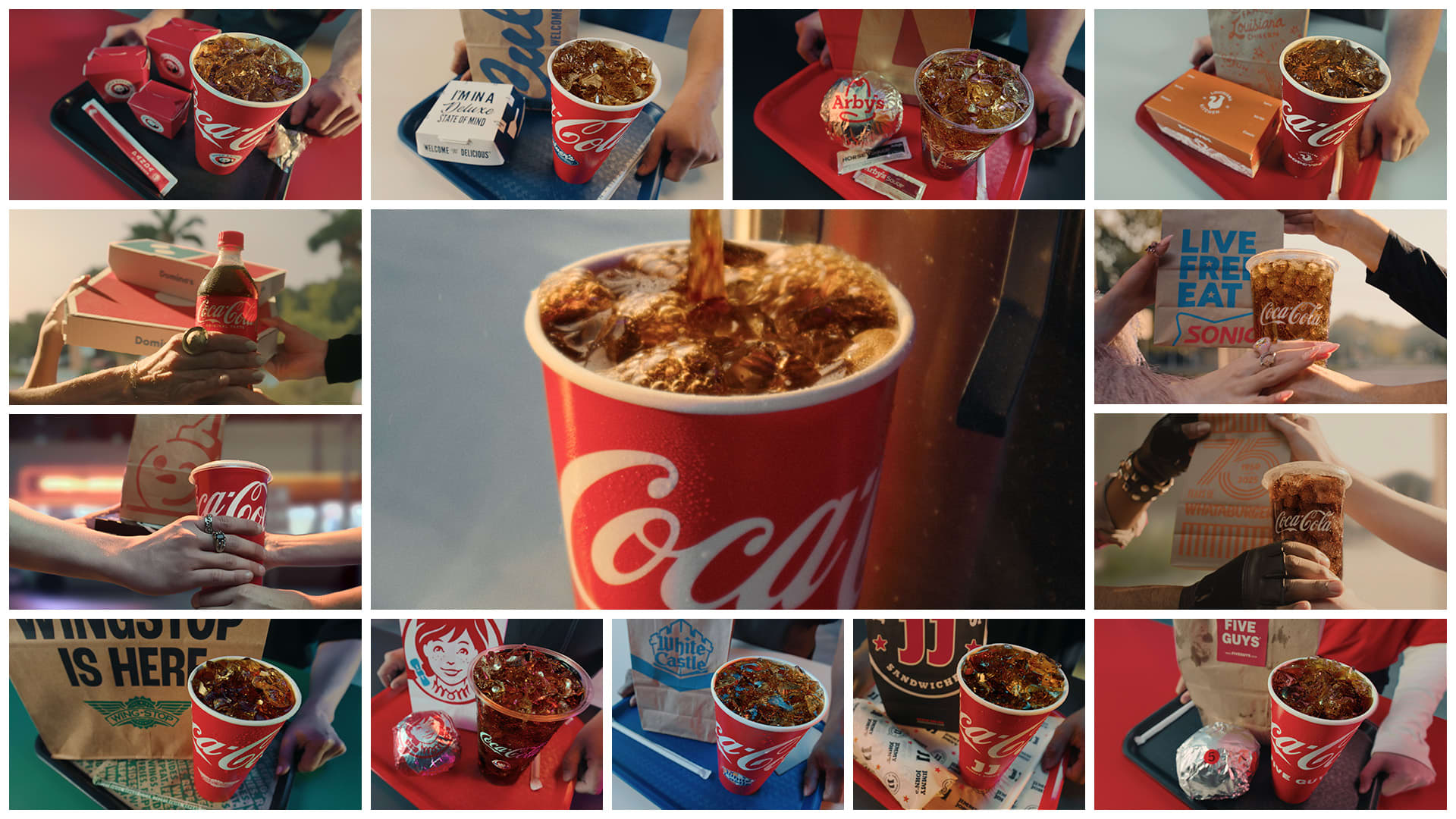
- Campaign Launch: Coca-Cola unveiled a new marketing campaign on Thursday aimed at boosting beverage sales in restaurants to tackle challenges posed by declining traffic and sluggish sales growth, marking the first time it has partnered with multiple restaurant chains for ads.
- Wide Advertising Reach: The campaign features commercials showcasing 13 different chains, including Arby's, Domino's, and Wendy's, emphasizing the importance of drinks as high-margin menu items, particularly as consumers cut back on dining out.
- Deepening Partnerships: Coca-Cola collaborates with restaurants to market combo meals, providing marketing funds to attract customers, especially amid intensified value competition in the fast-food sector, highlighting its role as a “business partner.”
- Sales Outlook: Despite a 4% organic sales growth in North America in 2025, Coca-Cola's domestic unit case volume fell by 1%, indicating weak demand, with modest sales growth projected for 2026, reflecting a challenging market environment.
See More
Joby Aviation Plans Certification and Operations in 2026
- Market Risk Assessment: Joby Aviation's stock declined by 17.9% in March, mirroring Archer Aviation's 27.4% drop, indicating the vulnerability of high-risk assets during market turmoil, although recent events have somewhat mitigated this risk.
- Geopolitical Impact: The ongoing conflict in the Persian Gulf poses uncertainty for Joby's partnership with Uber for air taxi services in Dubai, potentially delaying operations in the UAE and affecting the company's market expansion strategy.
- Policy Support Opportunity: Joby has been selected as a partner in multiple winning applications under the White House-backed Electric Vertical Takeoff and Landing (eVTOL) Integration Pilot Program, with plans to potentially begin operations in 10 states, including Florida, New York, and Texas, highlighting the potential for policy support.
- Flight Testing Progress: In mid-March, Joby began flight testing FAA-conforming aircraft for Type Inspection Authorization (TIA), paving the way for commercial deployment ahead of FAA certification, which is crucial for the company's growth trajectory.
See More
Joby Aviation Stock Declines Amid Geopolitical Tensions
- Stock Decline: Joby Aviation's stock fell by 17.9% in March, mirroring a 27.4% drop in peer Archer Aviation, indicating a broader sell-off in risk assets as investors shifted towards safer options amid market volatility.
- Geopolitical Impact: The ongoing conflict in the Persian Gulf has adversely affected Joby's partnership with Uber for Uber Air, as the announcement of their service targeting Dubai came at a particularly inopportune time, potentially hindering future business expansion.
- Positive Developments: In early March, Joby was selected as a partner in several White House-backed Electric Vertical Takeoff and Landing (eVTOL) Integration Pilot Program applications, with potential operations in 10 states by 2026, highlighting significant future growth opportunities.
- Flight Testing Initiated: Joby commenced flight testing of FAA-conforming aircraft in mid-March, preparing for FAA Type Inspection Authorization, which signifies technological advancements and readiness for market entry in the electric aviation sector.
See More
American Express Increases Quarterly Dividend by 16%
- Dividend Increase: American Express has raised its quarterly dividend by 16%, bringing the payout to $0.95 per share, reflecting strong cash flow and a payout ratio below 25%, providing ample room for future dividend hikes.
- Strong Earnings Performance: In 2025, the company reported a 10% revenue increase to $72.2 billion, with earnings per share reaching $15.38, a 15% year-over-year growth, demonstrating robust profitability amid resilient consumer spending.
- Share Buyback Program: In 2025, American Express returned $7.6 billion to shareholders, with approximately $5.3 billion allocated for share repurchases, reducing the share count by about 2%, which directly boosts earnings per share and enhances shareholder returns.
- Market Appeal: Despite a 20% decline in share price since the start of 2026, trading around $300 with a price-to-earnings ratio of approximately 17, the stock presents an attractive valuation for long-term investors in a high-quality lending institution.
See More
Uber Stock Declines Over 10% in 2026
- Stock Decline: Uber's stock has fallen over 10% in 2026, indicating market concerns about its future growth, which could negatively impact investor confidence and the company's ability to raise funds.
- Investor Interest: Despite the stock's decline, investors remain curious about potential buying opportunities in Uber, reflecting expectations of its long-term value, which may lead to future capital inflows.
- Market Reaction: The stock price data from the afternoon of March 29, 2026, suggests that Uber is under pressure, possibly due to the overall market environment and intensified industry competition, necessitating close monitoring of its subsequent performance.
- Video Release: The video published on April 1, 2026, aims to analyze Uber's stock trends and market sentiment, potentially providing investors with decision-making insights.
See More
American Express Stock Offers Investment Opportunity Amid Price Decline
- Strong Earnings Performance: American Express reported a 10% revenue increase for 2025, reaching $72.2 billion, with adjusted earnings per share at $15.38, a 15% year-over-year growth, demonstrating resilience amid economic uncertainties and boosting investor confidence.
- Dividend Growth and Buybacks: The board approved a 16% increase in the quarterly dividend to $0.95 per share, with an annualized payout of $3.80 reflecting a low payout ratio under 25%, indicating room for future increases, while $5.3 billion was spent on share repurchases in 2025, reducing the share count by 2% and enhancing per-share earnings.
- Enhanced Pricing Power: By raising the annual fee of its flagship Platinum Card by nearly 30% to $895 and adding various lifestyle perks, American Express successfully attracted younger consumers, particularly Millennials and Gen Z, thereby strengthening customer loyalty and laying the groundwork for future growth.
- Attractive Valuation: With shares trading around $300, the stock is valued at approximately 17 times the midpoint of management's 2026 earnings guidance, presenting an appealing price-to-earnings ratio for a high-quality lender, offering investors a solid entry point despite potential economic downturn risks.
See More
Coca-Cola Launches New Marketing Campaign to Boost Restaurant Sales
- Campaign Launch: Coca-Cola unveiled a new marketing campaign on Thursday aimed at boosting beverage sales in restaurants to tackle challenges posed by declining traffic and sluggish sales growth, marking the first time it has partnered with multiple restaurant chains for ads.
- Wide Advertising Reach: The campaign features commercials showcasing 13 different chains, including Arby's, Domino's, and Wendy's, emphasizing the importance of drinks as high-margin menu items, particularly as consumers cut back on dining out.
- Deepening Partnerships: Coca-Cola collaborates with restaurants to market combo meals, providing marketing funds to attract customers, especially amid intensified value competition in the fast-food sector, highlighting its role as a “business partner.”
- Sales Outlook: Despite a 4% organic sales growth in North America in 2025, Coca-Cola's domestic unit case volume fell by 1%, indicating weak demand, with modest sales growth projected for 2026, reflecting a challenging market environment.
See More