Trump's Drug Price Order Hits PBMs Hardest: CVS, Cigna, UNH In Focus As Experts Highlight 'Racket,' Pricing Distortion


Impact of Trump's Executive Order: Donald Trump's recent executive order aimed at reducing drug prices is expected to significantly affect pharmacy benefit managers (PBMs), which may face scrutiny over their pricing practices, while pharmaceutical manufacturers could experience compressed margins due to increased pressure to lower prices.
Calls for Transparency: The order emphasizes the need for transparency in PBM fees and operations, with notable figures like Mark Cuban criticizing PBMs for controlling rebate negotiations and contributing to healthcare spending inefficiencies.
Trade with 70% Backtested Accuracy
Analyst Views on PPH
About the author


Trump Imposes Full 100% Tariffs on Imported Patented Medications, Exempting Firms That Onshore Production or Reduce Prices


Tariffs on Imported Drugs: The U.S. will impose a 15% tariff on drugs imported from countries with which it has tariff deals, including the European Union, South Korea, Japan, and the UK, with larger pharmaceutical companies facing duties in 120 days and smaller ones in 60 days.
Executive Order by President Trump: President Trump signed an executive order imposing a 100% tariff on imported patented pharmaceuticals and active pharmaceutical ingredients, citing national security concerns over reliance on foreign supply chains.
Impact on Pharmaceutical Production: The U.S. currently produces only 15% of the active pharmaceutical ingredients used in patented medicines, with 53% of finished products being imported, prompting the administration to seek increased domestic manufacturing.
Strategies for Companies: Companies can avoid tariffs by committing to onshore production or signing drug pricing agreements with the Department of Health and Human Services, with those meeting these criteria exempt from tariffs until January 20, 2029.
Trump Administration Readies Potential 100% Tariffs on Pharmaceuticals from Companies Without Agreements: Report


Pharmaceutical Tariffs: Pharmaceutical companies from the EU, Japan, South Korea, Switzerland, and the UK will face separate tariff rates under bilateral deals with the U.S., with potential new tariffs announced as early as Thursday, possibly reaching up to 100% on certain drugs.
Exemptions for Generic Drugs: The new tariffs will not apply to generic drugs, which will be exempt from any additional tariffs, allowing companies to avoid these costs if they relocate manufacturing to the U.S. or negotiate deals with the Trump administration.
Major Pharmaceutical Agreements: Several major pharmaceutical companies have already struck deals with the Trump administration to lower drug prices for American patients, including agreements from companies like Eli Lilly and Pfizer.
Market Reactions: As of the time of reporting, major pharmaceutical ETFs were down about 1%, reflecting market sentiment amid the impending tariff announcements and ongoing negotiations regarding drug pricing.
Pharma Stocks Pfizer and GSK Provide Safe Investment Options Amid Market Uncertainty: Charts


Pharmaceutical Stocks in Focus: Investors are increasingly interested in pharmaceutical stocks as a stable investment option amid market uncertainty.
Market Volatility Impact: The sector is gaining attention due to its steady demand and resilient earnings, which are less affected by economic fluctuations.
Novo Nordisk's Stock Decline Highlights the Side Effect of GLP-1 Investments: ETF Concentration Risk


Novo Nordisk's Market Impact: Novo Nordisk experienced a significant drop in stock price following disappointing results from its Alzheimer’s trials, raising concerns about the volatility of healthcare ETFs heavily reliant on a few key players like Novo and Eli Lilly.
Concentration Risk in ETFs: ETFs such as the Roundhill GLP-1 & Weight Loss ETF and the VanEck Pharmaceutical ETF are heavily weighted towards Eli Lilly and Novo Nordisk, making them vulnerable to fluctuations in these companies' performances.
Eli Lilly's Resilience: Despite the challenges faced by Novo, Eli Lilly's diverse portfolio and strong revenue from multiple products position it favorably, suggesting that Lilly-heavy ETFs may remain stable even amid short-term setbacks in the GLP-1 market.
Investor Considerations: The recent developments highlight the importance for investors in healthcare ETFs to assess their exposure to Novo Nordisk's risks versus Eli Lilly's resilience, as the GLP-1 boom continues to reshape the sector.

Hedge Funds Acquire Eli Lilly, United Healthcare, and Others, Renewing Focus on Healthcare ETFs
Hedge Fund Strategy Shift: Hedge funds are pivoting towards healthcare investments, moving away from tech stocks due to high valuations and market volatility, with a focus on large-cap pharma and managed-care companies.
Key Players in Healthcare: Notable companies attracting institutional investment include Eli Lilly, UnitedHealth Group, Johnson & Johnson, and Elevance Health, driven by their strong earnings potential and stable revenue streams.
Healthcare ETFs to Watch: Recommended ETFs for investors include the Health Care Select Sector SPDR Fund (XLV), VanEck Pharmaceutical ETF (PPH), and Vanguard Health Care ETF (VHT), which align with hedge fund positioning and offer varying levels of exposure to the healthcare sector.
Market Outlook: As hedge funds recalibrate their portfolios, healthcare ETFs are expected to benefit from their defensive characteristics, earnings visibility, and growth potential in drug pipelines, making them attractive for Q4 investments.
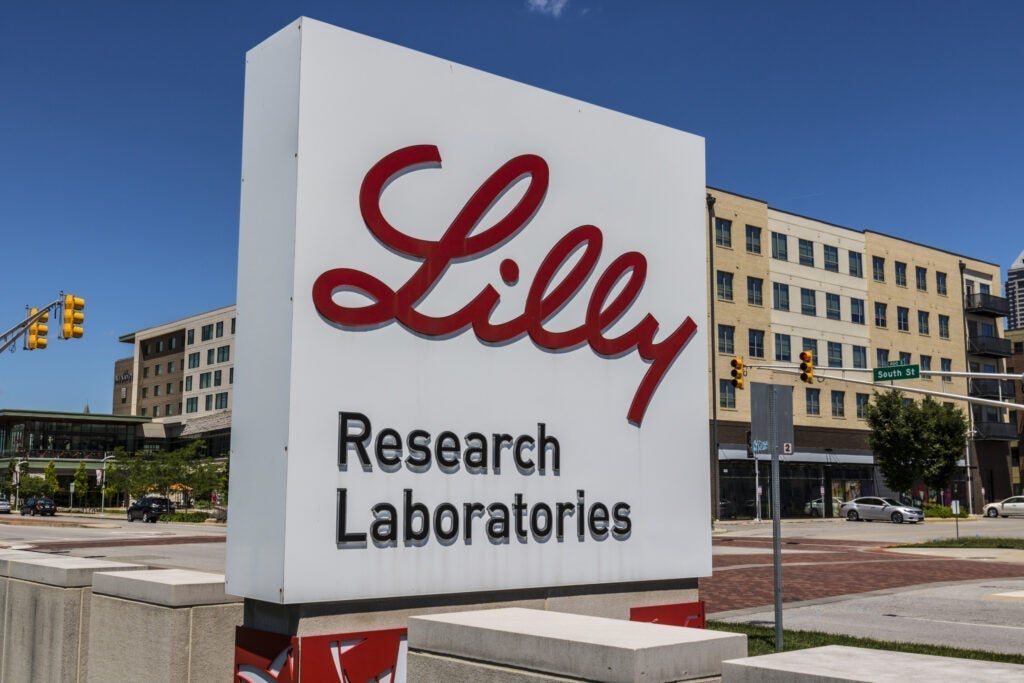
Eli Lilly Dominance: The Impact of a Single Stock on Pharma ETF Performance

Eli Lilly's Influence on Healthcare ETFs: Eli Lilly has become a significant driver in the pharmaceutical ETF market, with around 15 ETFs allocating double-digit weights to the company, making it a key player in healthcare fund performance.
Strong Q3 Performance: In Q3, Eli Lilly reported a 54% year-over-year revenue increase, surpassing Wall Street expectations, and raised its full-year sales and EPS guidance, solidifying its status as a growth engine in the sector.
Major ETF Allocations: Leading ETFs like iShares US Pharmaceuticals ETF and VanEck Pharmaceutical ETF have substantial allocations to Lilly, with weights of 26.9% and 24.1% respectively, indicating a strong reliance on the stock for performance.
Concerns Over Concentration: While Eli Lilly's growth is beneficial for investors, there are concerns about the potential over-dependence of ETFs on a single stock, as Lilly's performance continues to significantly impact the broader pharmaceutical ETF market.
Trump Imposes Full 100% Tariffs on Imported Patented Medications, Exempting Firms That Onshore Production or Reduce Prices
Tariffs on Imported Drugs: The U.S. will impose a 15% tariff on drugs imported from countries with which it has tariff deals, including the European Union, South Korea, Japan, and the UK, with larger pharmaceutical companies facing duties in 120 days and smaller ones in 60 days.
Executive Order by President Trump: President Trump signed an executive order imposing a 100% tariff on imported patented pharmaceuticals and active pharmaceutical ingredients, citing national security concerns over reliance on foreign supply chains.
Impact on Pharmaceutical Production: The U.S. currently produces only 15% of the active pharmaceutical ingredients used in patented medicines, with 53% of finished products being imported, prompting the administration to seek increased domestic manufacturing.
Strategies for Companies: Companies can avoid tariffs by committing to onshore production or signing drug pricing agreements with the Department of Health and Human Services, with those meeting these criteria exempt from tariffs until January 20, 2029.
Trump Administration Readies Potential 100% Tariffs on Pharmaceuticals from Companies Without Agreements: Report
Pharmaceutical Tariffs: Pharmaceutical companies from the EU, Japan, South Korea, Switzerland, and the UK will face separate tariff rates under bilateral deals with the U.S., with potential new tariffs announced as early as Thursday, possibly reaching up to 100% on certain drugs.
Exemptions for Generic Drugs: The new tariffs will not apply to generic drugs, which will be exempt from any additional tariffs, allowing companies to avoid these costs if they relocate manufacturing to the U.S. or negotiate deals with the Trump administration.
Major Pharmaceutical Agreements: Several major pharmaceutical companies have already struck deals with the Trump administration to lower drug prices for American patients, including agreements from companies like Eli Lilly and Pfizer.
Market Reactions: As of the time of reporting, major pharmaceutical ETFs were down about 1%, reflecting market sentiment amid the impending tariff announcements and ongoing negotiations regarding drug pricing.
Pharma Stocks Pfizer and GSK Provide Safe Investment Options Amid Market Uncertainty: Charts
Pharmaceutical Stocks in Focus: Investors are increasingly interested in pharmaceutical stocks as a stable investment option amid market uncertainty.
Market Volatility Impact: The sector is gaining attention due to its steady demand and resilient earnings, which are less affected by economic fluctuations.
Novo Nordisk's Stock Decline Highlights the Side Effect of GLP-1 Investments: ETF Concentration Risk
Novo Nordisk's Market Impact: Novo Nordisk experienced a significant drop in stock price following disappointing results from its Alzheimer’s trials, raising concerns about the volatility of healthcare ETFs heavily reliant on a few key players like Novo and Eli Lilly.
Concentration Risk in ETFs: ETFs such as the Roundhill GLP-1 & Weight Loss ETF and the VanEck Pharmaceutical ETF are heavily weighted towards Eli Lilly and Novo Nordisk, making them vulnerable to fluctuations in these companies' performances.
Eli Lilly's Resilience: Despite the challenges faced by Novo, Eli Lilly's diverse portfolio and strong revenue from multiple products position it favorably, suggesting that Lilly-heavy ETFs may remain stable even amid short-term setbacks in the GLP-1 market.
Investor Considerations: The recent developments highlight the importance for investors in healthcare ETFs to assess their exposure to Novo Nordisk's risks versus Eli Lilly's resilience, as the GLP-1 boom continues to reshape the sector.
Hedge Funds Acquire Eli Lilly, United Healthcare, and Others, Renewing Focus on Healthcare ETFs
Hedge Fund Strategy Shift: Hedge funds are pivoting towards healthcare investments, moving away from tech stocks due to high valuations and market volatility, with a focus on large-cap pharma and managed-care companies.
Key Players in Healthcare: Notable companies attracting institutional investment include Eli Lilly, UnitedHealth Group, Johnson & Johnson, and Elevance Health, driven by their strong earnings potential and stable revenue streams.
Healthcare ETFs to Watch: Recommended ETFs for investors include the Health Care Select Sector SPDR Fund (XLV), VanEck Pharmaceutical ETF (PPH), and Vanguard Health Care ETF (VHT), which align with hedge fund positioning and offer varying levels of exposure to the healthcare sector.
Market Outlook: As hedge funds recalibrate their portfolios, healthcare ETFs are expected to benefit from their defensive characteristics, earnings visibility, and growth potential in drug pipelines, making them attractive for Q4 investments.
Eli Lilly Dominance: The Impact of a Single Stock on Pharma ETF Performance
Eli Lilly's Influence on Healthcare ETFs: Eli Lilly has become a significant driver in the pharmaceutical ETF market, with around 15 ETFs allocating double-digit weights to the company, making it a key player in healthcare fund performance.
Strong Q3 Performance: In Q3, Eli Lilly reported a 54% year-over-year revenue increase, surpassing Wall Street expectations, and raised its full-year sales and EPS guidance, solidifying its status as a growth engine in the sector.
Major ETF Allocations: Leading ETFs like iShares US Pharmaceuticals ETF and VanEck Pharmaceutical ETF have substantial allocations to Lilly, with weights of 26.9% and 24.1% respectively, indicating a strong reliance on the stock for performance.
Concerns Over Concentration: While Eli Lilly's growth is beneficial for investors, there are concerns about the potential over-dependence of ETFs on a single stock, as Lilly's performance continues to significantly impact the broader pharmaceutical ETF market.