Trump Proposes Credit Card Rate Cap; Banks to Voluntarily Offer New Cards
Written by Emily J. Thompson, Senior Investment Analyst
Updated: Jan 16 2026
0mins

Source: stocktwits
- Credit Card Rate Cap: President Trump proposed a one-year 10% cap on credit card interest rates to alleviate consumer burdens, especially ahead of the midterm elections, potentially impacting banks' profit models.
- Voluntary Card Offering: White House economic advisor Hassett stated that major U.S. banks could voluntarily provide credit cards to underserved Americans to support Trump's affordability push, with expectations that legislation may not be necessary.
- Regulatory Changes Expected: Under the Credit Card Competition Act, the Federal Reserve is expected to issue new regulations within a year, restricting banks with assets over $100 billion from limiting the number of networks for electronic credit transactions, which could pressure large banks like JPMorgan and Citigroup.
- Market Sentiment Reaction: Retail sentiment for Visa and Mastercard trended towards 'extremely bullish' amid high message volume, while JPMorgan also showed 'extremely bullish' sentiment, and Citigroup remained in 'bullish' territory, indicating optimism in the credit card sector.
Trade with 70% Backtested Accuracy
Stop guessing "Should I Buy C?" and start using high-conviction signals backed by rigorous historical data.
Sign up today to access powerful investing tools and make smarter, data-driven decisions.
Analyst Views on C
Wall Street analysts forecast C stock price to rise
18 Analyst Rating
15 Buy
3 Hold
0 Sell
Strong Buy
Current: 115.300

Low
87.00
Averages
131.00
High
150.00
Current: 115.300
Low
87.00
Averages
131.00
High
150.00
About C
Citigroup Inc. is a global diversified financial services holding company. The Company’s segments include Services, Markets, Banking, Wealth and U.S. Personal Banking (USPB). The Services segment includes Treasury and Trade Solutions (TTS) and securities services. TTS provides an integrated suite of tailored cash management, trade and working capital solutions to multinational corporations, financial institutions and public sector organizations. The Markets segment provides corporate, institutional and public sector clients around the world with a full range of sales and trading services across equities, foreign exchange, rates, spread products and commodities. The Banking segment includes investment banking, which supports client capital-raising needs to help strengthen and grow their businesses. The Wealth segment includes Private Bank, Wealth at Work and Citigold and provides financial services to a range of client segments. USPB segment includes branded cards and retail services.
About the author

Emily J. Thompson
Emily J. Thompson, a Chartered Financial Analyst (CFA) with 12 years in investment research, graduated with honors from the Wharton School. Specializing in industrial and technology stocks, she provides in-depth analysis for Intellectia’s earnings and market brief reports.

Nordic Investment Bank Bond Interest Rate Announcement
- Bond Maturity Information: The Nordic Investment Bank has issued bonds totaling $408 million, maturing on October 4, 2027, indicating the bank's stability and long-term financing capability in the capital markets.
- Fixed Interest Rate Announcement: The interest rate for the period from January 5, 2026, to April 6, 2026, has been fixed at 3.97%, providing investors with a predictable yield that helps enhance market confidence.
- Interest Payment Details: According to the announcement, the interest payment on April 6, 2026, will amount to $3,841,200.20 based on a denomination of $382,319,000, offering a stable cash flow for bondholders.
- Market Reaction Expectations: This announcement may influence investor demand for Nordic Investment Bank bonds, particularly in the current interest rate environment, as fixed-rate bonds could attract investors seeking stable returns.
See More

Citigroup Declares Preferred Dividends
- Dividend Declaration: Citigroup's Board of Directors has declared a quarterly dividend of $0.60 per share on common stock, payable on May 22, 2026, to shareholders of record on May 4, 2026, indicating the company's ongoing profitability and commitment to shareholder returns.
- Preferred Stock Details: The bank also declared dividends on various preferred stocks, including 4.150% and 7.375% series, payable on May 15, 2026, to holders of record on May 5, 2026, reflecting the company's robust capital structure management.
- Depositary Receipt Payments: Holders of depositary receipts representing preferred shares will receive corresponding dividends, such as $19.0625 for each receipt of the 7.625% series, showcasing the company's attractiveness to investors and market confidence.
- Global Business Context: Operating in over 180 countries, Citigroup is a global leader in wealth management, and its dividend policy not only enhances shareholder trust but also supports its competitive position in international markets.
See More

Market Watch: Oil Price Surge and Stock Market Turmoil

- Oil Price Surge Impact: Following President Trump's address on the Iran war, which raised escalation concerns, U.S. crude benchmark WTI surged 9% to $109 a barrel, putting downward pressure on the stock market and negatively affecting investor sentiment.
- Bank of America Upgrades Vale: Bank of America upgraded Vale from hold to buy, suggesting that now is an attractive entry point for investors in the iron ore producer, despite Vale's stock dropping nearly 7% since the Iran conflict began, while iron ore prices have risen about 8%.
- Wix's Outlook Downgraded: UBS downgraded Wix from buy to hold, with analysts believing its 2026 outlook indicates a slowdown in core business growth from 12% last year to 8% this year, and despite efforts to integrate AI capabilities, the company remains vulnerable to disruption by AI.
- Cheniere Energy Price Target Increased: Citigroup raised Cheniere Energy's price target from $280 to $330 while reiterating its buy rating, as supply disruptions in the Middle East could benefit U.S. LNG exports long-term, with shares up about 17% since the war began.
See More
Big Tech Plans $700 Billion Investment to Advance AI Development


- Massive Investment: Major tech companies like Google, Microsoft, Meta, and Amazon have announced plans to invest over $700 billion in 2026 to advance their AI strategies, with the majority allocated to semiconductors, which is expected to significantly enhance the competitive positioning of related firms.
- Memory Chip Bottleneck: The ongoing shortage of memory chips, including high-bandwidth memory (HBM), DRAM, and NAND, has driven prices up, with Arista Networks' management highlighting supply constraints on DDR4 memory during their earnings call, indicating a persistent headwind for profitability.
- Technological Breakthrough: Google's TurboQuant algorithm, which can reduce memory usage by at least 6x and achieve up to 8x speedup, is expected to alleviate the demand for memory chips, potentially improving Arista's cost structure and enhancing its market outlook.
- Strong Financial Performance: Arista reported record quarterly revenue of $2.49 billion in Q4, a 29% year-over-year increase, and raised its 2026 revenue outlook to $11.25 billion, demonstrating resilience amid challenges and attracting investor interest due to its growth potential.
See More
Indian Markets Rattle Amid Iran War Turmoil


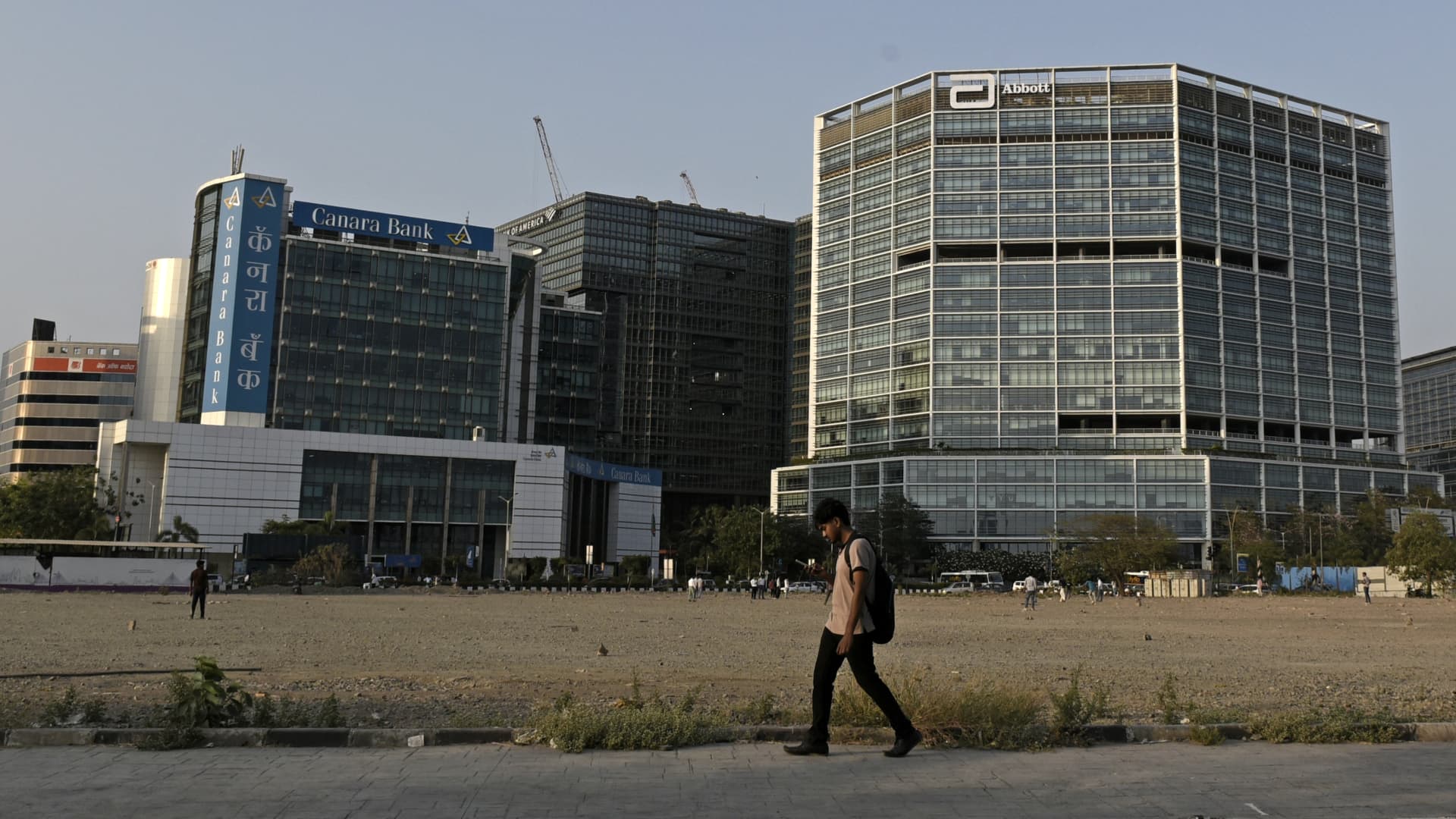
- Foreign Capital Exodus: Amid the turmoil of the Iran war, Indian markets experienced a record foreign investor sell-off exceeding $12 billion in March, resulting in a more than 10% drop in the Nifty 50 index, highlighting significant concerns over future economic growth prospects.
- Diminished Growth Outlook: India's Chief Economic Advisor V. Anantha Nageswaran warned that rising energy costs and supply chain disruptions pose considerable downside risks to the forecasted 7.0%-7.4% growth for FY 2027, with expectations of a significant widening of the trade deficit exacerbating fiscal pressures.
- Government Intervention: In response to economic strains, the Indian government implemented two key measures, including limiting banks' currency-hedging positions and cutting excise duties on petrol and diesel by 10 rupees per liter, which will significantly impact tax revenues and potentially hinder government spending capabilities.
- Weak Job Market: While India's consumption narrative continues to attract foreign investment, the lack of white-collar job creation undermines this story, with reports indicating that only a small percentage of graduates secure stable employment within a year of graduation, posing a long-term challenge to economic growth.
See More

Market Watch: Corporate Dynamics and Analysis

- Nike's Disappointing Performance: Despite beating revenue and earnings expectations, Nike issued weak guidance due to inventory issues and a slowdown in North American growth, prompting downgrades from Goldman, JPMorgan, and Bank of America, reflecting market concerns about its future performance.
- RH's Poor Earnings Report: Luxury home furnishings maker RH fell short on key metrics in its fourth quarter, and its current quarter guidance was also weak, impacted by tariffs and a sluggish housing market, leading to an 18% drop in shares, although its full-year cash flow guidance improved, the overall outlook remains bleak.
- Arm's Price Target Increase: Wells Fargo raised Arm's price target from $165 to $175, with analysts optimistic about Arm's entry into the data center CPU market with its first in-house silicon offering, reiterating a buy rating, indicating strong market confidence in its competition against Intel and AMD.
- Boeing Stock Rating Upgrade: Wells Fargo upgraded Boeing's stock to buy with a price target of $250, implying over 25% upside from yesterday's close, as analysts favor Boeing's free cash flow recovery and overall turnaround under CEO Kelly Ortberg, suggesting potential returns for investors.
See More
Nordic Investment Bank Bond Interest Rate Announcement
- Bond Maturity Information: The Nordic Investment Bank has issued bonds totaling $408 million, maturing on October 4, 2027, indicating the bank's stability and long-term financing capability in the capital markets.
- Fixed Interest Rate Announcement: The interest rate for the period from January 5, 2026, to April 6, 2026, has been fixed at 3.97%, providing investors with a predictable yield that helps enhance market confidence.
- Interest Payment Details: According to the announcement, the interest payment on April 6, 2026, will amount to $3,841,200.20 based on a denomination of $382,319,000, offering a stable cash flow for bondholders.
- Market Reaction Expectations: This announcement may influence investor demand for Nordic Investment Bank bonds, particularly in the current interest rate environment, as fixed-rate bonds could attract investors seeking stable returns.
See More
Citigroup Declares Preferred Dividends
- Dividend Declaration: Citigroup's Board of Directors has declared a quarterly dividend of $0.60 per share on common stock, payable on May 22, 2026, to shareholders of record on May 4, 2026, indicating the company's ongoing profitability and commitment to shareholder returns.
- Preferred Stock Details: The bank also declared dividends on various preferred stocks, including 4.150% and 7.375% series, payable on May 15, 2026, to holders of record on May 5, 2026, reflecting the company's robust capital structure management.
- Depositary Receipt Payments: Holders of depositary receipts representing preferred shares will receive corresponding dividends, such as $19.0625 for each receipt of the 7.625% series, showcasing the company's attractiveness to investors and market confidence.
- Global Business Context: Operating in over 180 countries, Citigroup is a global leader in wealth management, and its dividend policy not only enhances shareholder trust but also supports its competitive position in international markets.
See More
Market Watch: Oil Price Surge and Stock Market Turmoil
- Oil Price Surge Impact: Following President Trump's address on the Iran war, which raised escalation concerns, U.S. crude benchmark WTI surged 9% to $109 a barrel, putting downward pressure on the stock market and negatively affecting investor sentiment.
- Bank of America Upgrades Vale: Bank of America upgraded Vale from hold to buy, suggesting that now is an attractive entry point for investors in the iron ore producer, despite Vale's stock dropping nearly 7% since the Iran conflict began, while iron ore prices have risen about 8%.
- Wix's Outlook Downgraded: UBS downgraded Wix from buy to hold, with analysts believing its 2026 outlook indicates a slowdown in core business growth from 12% last year to 8% this year, and despite efforts to integrate AI capabilities, the company remains vulnerable to disruption by AI.
- Cheniere Energy Price Target Increased: Citigroup raised Cheniere Energy's price target from $280 to $330 while reiterating its buy rating, as supply disruptions in the Middle East could benefit U.S. LNG exports long-term, with shares up about 17% since the war began.
See More
Big Tech Plans $700 Billion Investment to Advance AI Development
- Massive Investment: Major tech companies like Google, Microsoft, Meta, and Amazon have announced plans to invest over $700 billion in 2026 to advance their AI strategies, with the majority allocated to semiconductors, which is expected to significantly enhance the competitive positioning of related firms.
- Memory Chip Bottleneck: The ongoing shortage of memory chips, including high-bandwidth memory (HBM), DRAM, and NAND, has driven prices up, with Arista Networks' management highlighting supply constraints on DDR4 memory during their earnings call, indicating a persistent headwind for profitability.
- Technological Breakthrough: Google's TurboQuant algorithm, which can reduce memory usage by at least 6x and achieve up to 8x speedup, is expected to alleviate the demand for memory chips, potentially improving Arista's cost structure and enhancing its market outlook.
- Strong Financial Performance: Arista reported record quarterly revenue of $2.49 billion in Q4, a 29% year-over-year increase, and raised its 2026 revenue outlook to $11.25 billion, demonstrating resilience amid challenges and attracting investor interest due to its growth potential.
See More
Indian Markets Rattle Amid Iran War Turmoil
- Foreign Capital Exodus: Amid the turmoil of the Iran war, Indian markets experienced a record foreign investor sell-off exceeding $12 billion in March, resulting in a more than 10% drop in the Nifty 50 index, highlighting significant concerns over future economic growth prospects.
- Diminished Growth Outlook: India's Chief Economic Advisor V. Anantha Nageswaran warned that rising energy costs and supply chain disruptions pose considerable downside risks to the forecasted 7.0%-7.4% growth for FY 2027, with expectations of a significant widening of the trade deficit exacerbating fiscal pressures.
- Government Intervention: In response to economic strains, the Indian government implemented two key measures, including limiting banks' currency-hedging positions and cutting excise duties on petrol and diesel by 10 rupees per liter, which will significantly impact tax revenues and potentially hinder government spending capabilities.
- Weak Job Market: While India's consumption narrative continues to attract foreign investment, the lack of white-collar job creation undermines this story, with reports indicating that only a small percentage of graduates secure stable employment within a year of graduation, posing a long-term challenge to economic growth.
See More
Market Watch: Corporate Dynamics and Analysis
- Nike's Disappointing Performance: Despite beating revenue and earnings expectations, Nike issued weak guidance due to inventory issues and a slowdown in North American growth, prompting downgrades from Goldman, JPMorgan, and Bank of America, reflecting market concerns about its future performance.
- RH's Poor Earnings Report: Luxury home furnishings maker RH fell short on key metrics in its fourth quarter, and its current quarter guidance was also weak, impacted by tariffs and a sluggish housing market, leading to an 18% drop in shares, although its full-year cash flow guidance improved, the overall outlook remains bleak.
- Arm's Price Target Increase: Wells Fargo raised Arm's price target from $165 to $175, with analysts optimistic about Arm's entry into the data center CPU market with its first in-house silicon offering, reiterating a buy rating, indicating strong market confidence in its competition against Intel and AMD.
- Boeing Stock Rating Upgrade: Wells Fargo upgraded Boeing's stock to buy with a price target of $250, implying over 25% upside from yesterday's close, as analysts favor Boeing's free cash flow recovery and overall turnaround under CEO Kelly Ortberg, suggesting potential returns for investors.
See More