Top Analyst Reports for Johnson & Johnson, T-Mobile US & Boeing
Written by Emily J. Thompson, Senior Investment Analyst
Updated: Jun 10 2025
0mins


Source: NASDAQ.COM
Research Reports Overview: Zacks Research Daily highlights reports on 16 major stocks, including Johnson & Johnson, T-Mobile US, and Boeing, showcasing their performance and market outlooks, with a focus on unique micro-cap research for smaller companies.
Market Trends and Challenges: The article discusses various companies' growth prospects and challenges, such as J&J's slowing MedTech sales, T-Mobile's strong customer additions amid competition, Boeing's labor shortages affecting jet deliveries, and Franklin Financial's robust loan growth despite broader economic concerns.
Trade with 70% Backtested Accuracy
Stop guessing "Should I Buy BA?" and start using high-conviction signals backed by rigorous historical data.
Sign up today to access powerful investing tools and make smarter, data-driven decisions.
Analyst Views on BA
Wall Street analysts forecast BA stock price to rise
16 Analyst Rating
14 Buy
1 Hold
1 Sell
Strong Buy
Current: 223.930

Low
150.00
Averages
269.14
High
298.00
Current: 223.930
Low
150.00
Averages
269.14
High
298.00
About BA
The Boeing Company is an aerospace company. Its segments include Commercial Airplanes (BCA), Defense, Space & Security (BDS), and Global Services (BGS). Its BCA segment develops, produces and markets commercial jet aircraft principally for the commercial airline industry worldwide. Its family of commercial jet aircraft in production includes the 737 narrow-body model and the 767, 777 and 787 wide-body models. Its BDS segment is engaged in the research, development, production and modification of manned and unmanned military aircraft and weapons systems for strike, surveillance and mobility. Its BGS segment provides services to its commercial and defense customers worldwide. It sustains aerospace platforms and systems with a range of products and services, including supply chain and logistics management, engineering, maintenance and modifications, upgrades and conversions, spare parts, pilot and maintenance training systems and services, technical and maintenance documents, and others.
About the author

Emily J. Thompson
Emily J. Thompson, a Chartered Financial Analyst (CFA) with 12 years in investment research, graduated with honors from the Wharton School. Specializing in industrial and technology stocks, she provides in-depth analysis for Intellectia’s earnings and market brief reports.

U.S. Army Awards Boeing $324 Million Contract for Chinook Helicopters

- Contract Expansion: The U.S. Army awarded Boeing a $324 million contract for six additional CH-47F Block II helicopters, expanding the existing order to a total of 24 aircraft, highlighting the emphasis on accelerating the delivery of key equipment.
- Rapid Deployment Initiative: This contract is part of the Army's rapid fielding initiative aimed at shortening delivery timelines, with Boeing having already delivered six upgraded helicopters, and plans to equip the first operational unit by mid-2028, enhancing operational capabilities.
- Technical Upgrades: The CH-47F Block II features structural and mechanical enhancements that increase its maximum weight capacity for heavier loads, while adjustments to the fuel system extend its operational range, improving adaptability in various operational environments.
- Maintenance Simplification: The new design aims to simplify maintenance processes and support future upgrades, ensuring the CH-47F Block II remains a vital component of the Army's rotorcraft fleet, continuing to support cargo transport and resupply missions across diverse environments.
See More

Israel and Lebanon Reach Historic Ceasefire Agreement

- Historic Ceasefire Agreement: Israel and Lebanon have reached a 10-day ceasefire agreement in Washington, marking the first meaningful talks between the two nations since 1983, potentially paving the way for a broader peace agreement in the Middle East.
- Positive Market Reaction: Israel's central bank governor noted that markets are responding positively to the latest peace developments, with major markets holding near record highs, reflecting investor optimism for stability in the region despite ongoing geopolitical uncertainties.
- U.S. Diplomatic Efforts: President Trump plans to invite Israeli Prime Minister Netanyahu and Lebanese President Aoun for talks, further advancing the improvement of relations between the two countries and highlighting the U.S.'s active role in the Middle East peace process.
- Impact of Iranian Situation: Trump mentioned that the war in Iran is progressing well and is expected to end soon, a statement that could influence regional security dynamics and market reactions, prompting investors to monitor future military and diplomatic developments.
See More
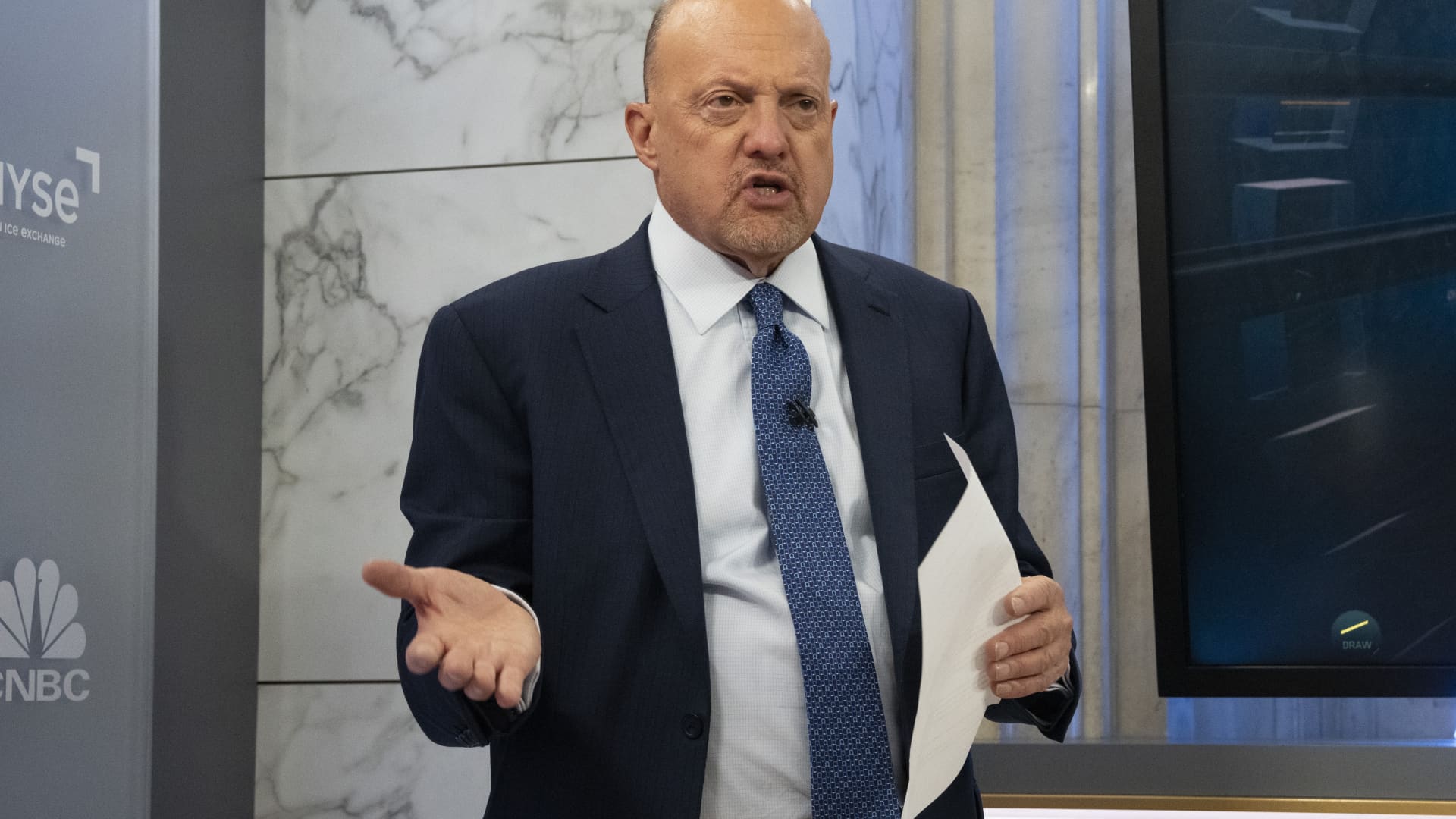
CNBC Investing Club April Meeting Highlights


- Market Rebound Analysis: The S&P 500 index reached a record high in April, marking a significant recovery from the Iran war sell-off, indicating a renewed focus on company fundamentals despite the ongoing conflict, which underscores the importance of investor calmness.
- Nike Investment Reflection: Despite insider buying signals prompting us to increase our stake in Nike last December, we are now skeptical about CEO Elliott Hill's ability to turn the company around, and if next quarter's performance is disappointing, we will consider exiting.
- Amazon Cloud Business Recovery: Amazon's stock rebound highlights the importance of patience, as the market is gradually recognizing the strength of its AWS cloud division and online retail business, which are expected to continue growing in the future.
- Nvidia Market Leadership: Nvidia's leading position in the AI chip sector is paying off, and despite competitive pressures, its advantage in computing power positions it well to maintain market leadership going forward.
See More

Boeing Expands Satellite Production Capacity
- Satellite Delivery Goals: Boeing aims to deliver 26 satellites by 2026, supported by investments in standardized components and repeatable manufacturing processes, addressing the increasing demand from government and commercial customers.
- New Platform Launch: The newly introduced “Resolute” mid-class satellite platform is designed to bridge the capability gap between small satellites and large systems, offering shorter development timelines to adapt to rapidly changing mission requirements, thereby enhancing Boeing's competitiveness in the satellite market.
- Production Capacity Expansion: Subsidiary Millennium Space Systems is expanding its production capacity to support a growing backlog and a wider range of customer needs, reflecting Boeing's strategic positioning in the fast-growing satellite market.
- Market Strategy Shift: Boeing's expansion strategy signifies a shift towards scalable satellite architectures aimed at increasing delivery speed while maintaining flexibility for customized spacecraft, capitalizing on opportunities arising from rising defense spending and commercial space investments.
See More

U.S. Stock Futures Rise, Four Key Stocks to Watch

- Ford's New Organization: Ford Motor Company has announced the creation of a new end-to-end organization called Product Creation and Industrialization, which combines its advanced technology and global industrial teams, aiming to scale next-generation vehicles and software while targeting an 8% adjusted EBIT margin by 2029.
- Boeing's Hiring Surge: Boeing is ramping up hiring at its fastest pace since 2024, bringing on approximately 100 to 140 factory workers each week, reflecting strong demand linked to expanded assembly lines and upcoming aircraft programs, with its Pacific Northwest workforce now exceeding 34,000.
- Eli Lilly's Label Expansion: Eli Lilly plans to seek a label expansion for its newly approved weight loss pill, Foundayo, in Q2, based on successful results from its Phase 3 ACHIEVE-4 trial, which evaluated Foundayo against insulin glargine in adults with type 2 diabetes.
- PepsiCo's Improved Results: PepsiCo's stock rose 0.69% as its convenient food segment showed improved results in Q1, following a commitment last December to lower some prices, highlighting effective execution of its global brand restaging and innovation initiatives.
See More
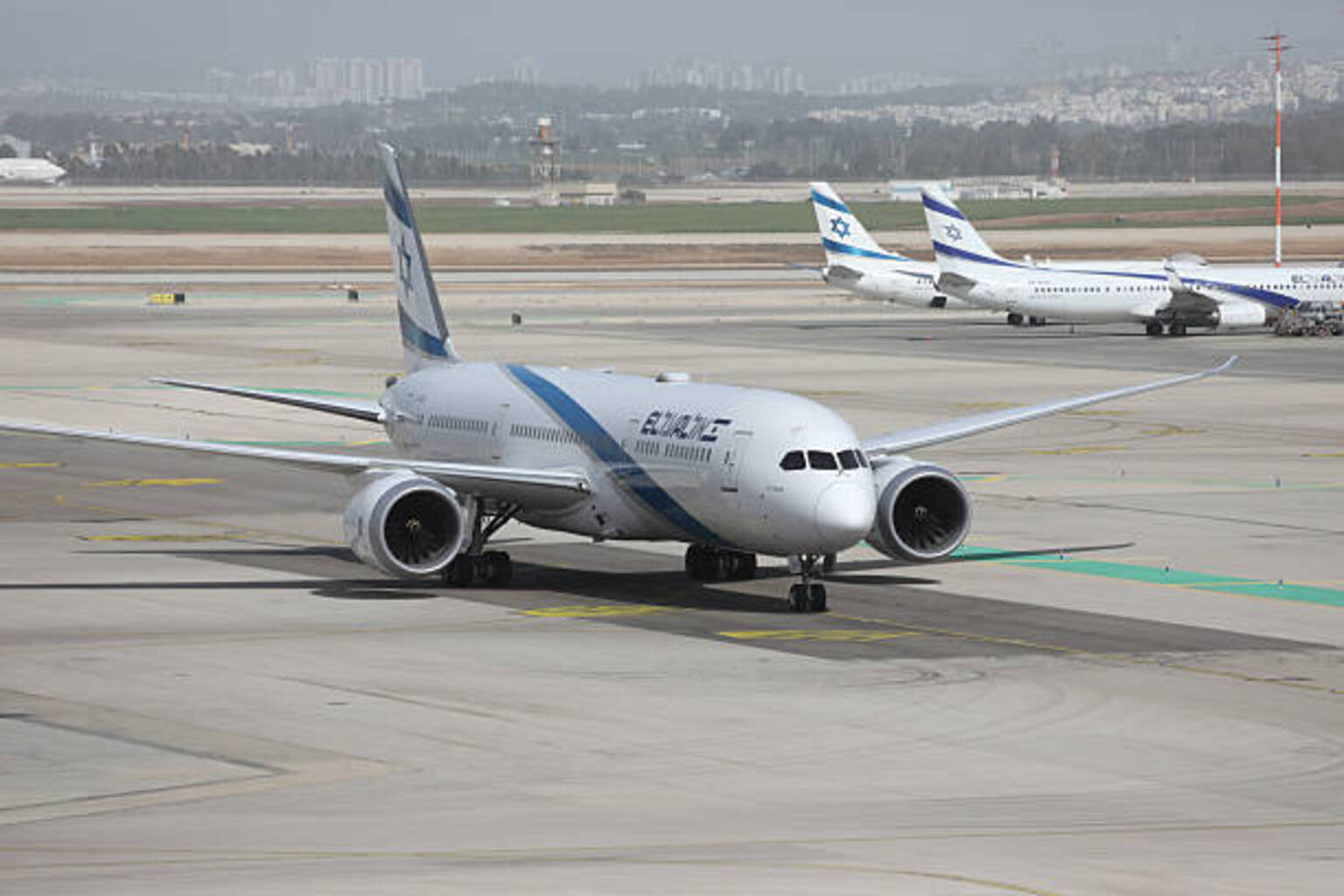
El Al to Purchase Up to 12 Additional Dreamliners from Boeing
- Order Expansion: El Al Israel Airlines announced it will purchase up to 12 additional 787 Dreamliners from Boeing in a deal valued at approximately $1.5 billion, aimed at strengthening capacity during a period of limited competition.
- Model Upgrade: The order includes options for six 787-9 jets and upgrades part of the order to four larger, more efficient 787-10 aircraft, with deliveries expected between 2030 and 2032.
- Market Growth Support: The expanded widebody fleet will support El Al's long-haul growth to key markets such as North America and Asia while improving operating efficiency, with the fleet expected to grow from 17 to 28 aircraft by 2030.
- Modernization Strategy: El Al has long relied exclusively on Boeing aircraft and is modernizing its fleet with recent orders, including 737 Max planes for short-haul routes, to recover market share lost due to older jets.
See More
U.S. Army Awards Boeing $324 Million Contract for Chinook Helicopters
- Contract Expansion: The U.S. Army awarded Boeing a $324 million contract for six additional CH-47F Block II helicopters, expanding the existing order to a total of 24 aircraft, highlighting the emphasis on accelerating the delivery of key equipment.
- Rapid Deployment Initiative: This contract is part of the Army's rapid fielding initiative aimed at shortening delivery timelines, with Boeing having already delivered six upgraded helicopters, and plans to equip the first operational unit by mid-2028, enhancing operational capabilities.
- Technical Upgrades: The CH-47F Block II features structural and mechanical enhancements that increase its maximum weight capacity for heavier loads, while adjustments to the fuel system extend its operational range, improving adaptability in various operational environments.
- Maintenance Simplification: The new design aims to simplify maintenance processes and support future upgrades, ensuring the CH-47F Block II remains a vital component of the Army's rotorcraft fleet, continuing to support cargo transport and resupply missions across diverse environments.
See More
Israel and Lebanon Reach Historic Ceasefire Agreement
- Historic Ceasefire Agreement: Israel and Lebanon have reached a 10-day ceasefire agreement in Washington, marking the first meaningful talks between the two nations since 1983, potentially paving the way for a broader peace agreement in the Middle East.
- Positive Market Reaction: Israel's central bank governor noted that markets are responding positively to the latest peace developments, with major markets holding near record highs, reflecting investor optimism for stability in the region despite ongoing geopolitical uncertainties.
- U.S. Diplomatic Efforts: President Trump plans to invite Israeli Prime Minister Netanyahu and Lebanese President Aoun for talks, further advancing the improvement of relations between the two countries and highlighting the U.S.'s active role in the Middle East peace process.
- Impact of Iranian Situation: Trump mentioned that the war in Iran is progressing well and is expected to end soon, a statement that could influence regional security dynamics and market reactions, prompting investors to monitor future military and diplomatic developments.
See More
CNBC Investing Club April Meeting Highlights
- Market Rebound Analysis: The S&P 500 index reached a record high in April, marking a significant recovery from the Iran war sell-off, indicating a renewed focus on company fundamentals despite the ongoing conflict, which underscores the importance of investor calmness.
- Nike Investment Reflection: Despite insider buying signals prompting us to increase our stake in Nike last December, we are now skeptical about CEO Elliott Hill's ability to turn the company around, and if next quarter's performance is disappointing, we will consider exiting.
- Amazon Cloud Business Recovery: Amazon's stock rebound highlights the importance of patience, as the market is gradually recognizing the strength of its AWS cloud division and online retail business, which are expected to continue growing in the future.
- Nvidia Market Leadership: Nvidia's leading position in the AI chip sector is paying off, and despite competitive pressures, its advantage in computing power positions it well to maintain market leadership going forward.
See More
Boeing Expands Satellite Production Capacity
- Satellite Delivery Goals: Boeing aims to deliver 26 satellites by 2026, supported by investments in standardized components and repeatable manufacturing processes, addressing the increasing demand from government and commercial customers.
- New Platform Launch: The newly introduced “Resolute” mid-class satellite platform is designed to bridge the capability gap between small satellites and large systems, offering shorter development timelines to adapt to rapidly changing mission requirements, thereby enhancing Boeing's competitiveness in the satellite market.
- Production Capacity Expansion: Subsidiary Millennium Space Systems is expanding its production capacity to support a growing backlog and a wider range of customer needs, reflecting Boeing's strategic positioning in the fast-growing satellite market.
- Market Strategy Shift: Boeing's expansion strategy signifies a shift towards scalable satellite architectures aimed at increasing delivery speed while maintaining flexibility for customized spacecraft, capitalizing on opportunities arising from rising defense spending and commercial space investments.
See More
U.S. Stock Futures Rise, Four Key Stocks to Watch
- Ford's New Organization: Ford Motor Company has announced the creation of a new end-to-end organization called Product Creation and Industrialization, which combines its advanced technology and global industrial teams, aiming to scale next-generation vehicles and software while targeting an 8% adjusted EBIT margin by 2029.
- Boeing's Hiring Surge: Boeing is ramping up hiring at its fastest pace since 2024, bringing on approximately 100 to 140 factory workers each week, reflecting strong demand linked to expanded assembly lines and upcoming aircraft programs, with its Pacific Northwest workforce now exceeding 34,000.
- Eli Lilly's Label Expansion: Eli Lilly plans to seek a label expansion for its newly approved weight loss pill, Foundayo, in Q2, based on successful results from its Phase 3 ACHIEVE-4 trial, which evaluated Foundayo against insulin glargine in adults with type 2 diabetes.
- PepsiCo's Improved Results: PepsiCo's stock rose 0.69% as its convenient food segment showed improved results in Q1, following a commitment last December to lower some prices, highlighting effective execution of its global brand restaging and innovation initiatives.
See More
El Al to Purchase Up to 12 Additional Dreamliners from Boeing
- Order Expansion: El Al Israel Airlines announced it will purchase up to 12 additional 787 Dreamliners from Boeing in a deal valued at approximately $1.5 billion, aimed at strengthening capacity during a period of limited competition.
- Model Upgrade: The order includes options for six 787-9 jets and upgrades part of the order to four larger, more efficient 787-10 aircraft, with deliveries expected between 2030 and 2032.
- Market Growth Support: The expanded widebody fleet will support El Al's long-haul growth to key markets such as North America and Asia while improving operating efficiency, with the fleet expected to grow from 17 to 28 aircraft by 2030.
- Modernization Strategy: El Al has long relied exclusively on Boeing aircraft and is modernizing its fleet with recent orders, including 737 Max planes for short-haul routes, to recover market share lost due to older jets.
See More