This STMicroelectronics Analyst Turns Bearish; Here Are Top 5 Downgrades For Wednesday
Written by Emily J. Thompson, Senior Investment Analyst
Updated: Jan 22 2025
0mins


Source: Benzinga
Analyst Downgrades: Several Wall Street analysts have downgraded their ratings on various companies, including New Oriental Education, STMicroelectronics, Paycor HCM, Charles River Laboratories, and Fluence Energy, with significant changes in price targets.
Current Stock Performance: The affected stocks closed at prices below the new targets set by analysts, indicating a cautious outlook for these companies in the market.
Trade with 70% Backtested Accuracy
Stop guessing "Should I Buy FLNC?" and start using high-conviction signals backed by rigorous historical data.
Sign up today to access powerful investing tools and make smarter, data-driven decisions.
Analyst Views on FLNC
Wall Street analysts forecast FLNC stock price to fall
18 Analyst Rating
3 Buy
12 Hold
3 Sell
Hold
Current: 24.800

Low
8.00
Averages
16.25
High
26.00
Current: 24.800
Low
8.00
Averages
16.25
High
26.00
About FLNC
Fluence Energy, Inc. is a global provider of energy storage products and services, and optimization software for renewables and storage. With a presence in 47 markets globally, the Company provides an ecosystem of offerings to drive the clean energy transition, including modular, scalable energy storage products, comprehensive service offerings, and artificial intelligence (AI)-enabled optimization software for managing and optimizing renewables and storage from any provider. Its offerings include energy storage products and solutions, delivery services, recurring O&M services, and digital applications and solutions for energy storage and other power assets. Its energy storage solutions include Gridstack Pro, Gridstack, Sunstack, Edgestack, and Ultrastack. In addition, each of its energy storage solutions comes with its proprietary energy management system, Fluence OS. The Company’s cloud-based software products include Fluence Mosaic and Fluence Nispera.
About the author

Emily J. Thompson
Emily J. Thompson, a Chartered Financial Analyst (CFA) with 12 years in investment research, graduated with honors from the Wharton School. Specializing in industrial and technology stocks, she provides in-depth analysis for Intellectia’s earnings and market brief reports.

LIXTE to Merge with NOMAD, Forming Power Solutions Company

- Strategic Transformation: LIXTE Biotechnology has entered into a merger agreement with NOMAD, transforming into a company focused on deployable power solutions, with the transaction expected to close on July 1, 2026, marking a significant shift in corporate strategy.
- Pre-Closing Investment: Prior to the deal's completion, LIXTE has loaned NOMAD $6.5 million to support the procurement of long-lead components and scale manufacturing, demonstrating management's strong confidence in market demand.
- Market Opportunity: NOMAD achieved approximately 175% year-over-year revenue growth in 2025, with projections of an additional 135% growth in 2026, and about 75% of its sales activities are driven by inbound customer inquiries, indicating robust demand in the rapidly expanding power market.
- Industry Challenges: As AI infrastructure expands rapidly, electricity demand is surging, outpacing the traditional grid's capacity; NOMAD's mobile power solutions are crucial in addressing this bottleneck, highlighting significant strategic implications for the market.
See More

LIXTE to Merge with NOMAD, Transforming into Power Solutions Company
- Strategic Transformation: LIXTE Biotechnology Holdings has entered into a merger agreement with NOMAD, planning to rename itself NOMAD Power Solutions, focusing on addressing the urgent power needs of AI infrastructure, with the transaction expected to close on July 1, 2026.
- Pre-Closing Investment: Before the deal closes, LIXTE has loaned $6.5 million to NOMAD to support the procurement of long-lead components and meet the growing order demand, demonstrating management's strong confidence in market needs.
- Market Opportunity: NOMAD achieved approximately 175% revenue growth in 2025, with an expected additional 135% growth in 2026, and about 75% of sales activities are initiated by customers, indicating its leading position in the rapidly expanding power market.
- Technological Advantage: NOMAD's mobile battery energy storage systems (BESS) can be deployed quickly to meet the immediate high-quality power demands of data centers, circumventing the time and approval bottlenecks associated with traditional power infrastructure construction.
See More
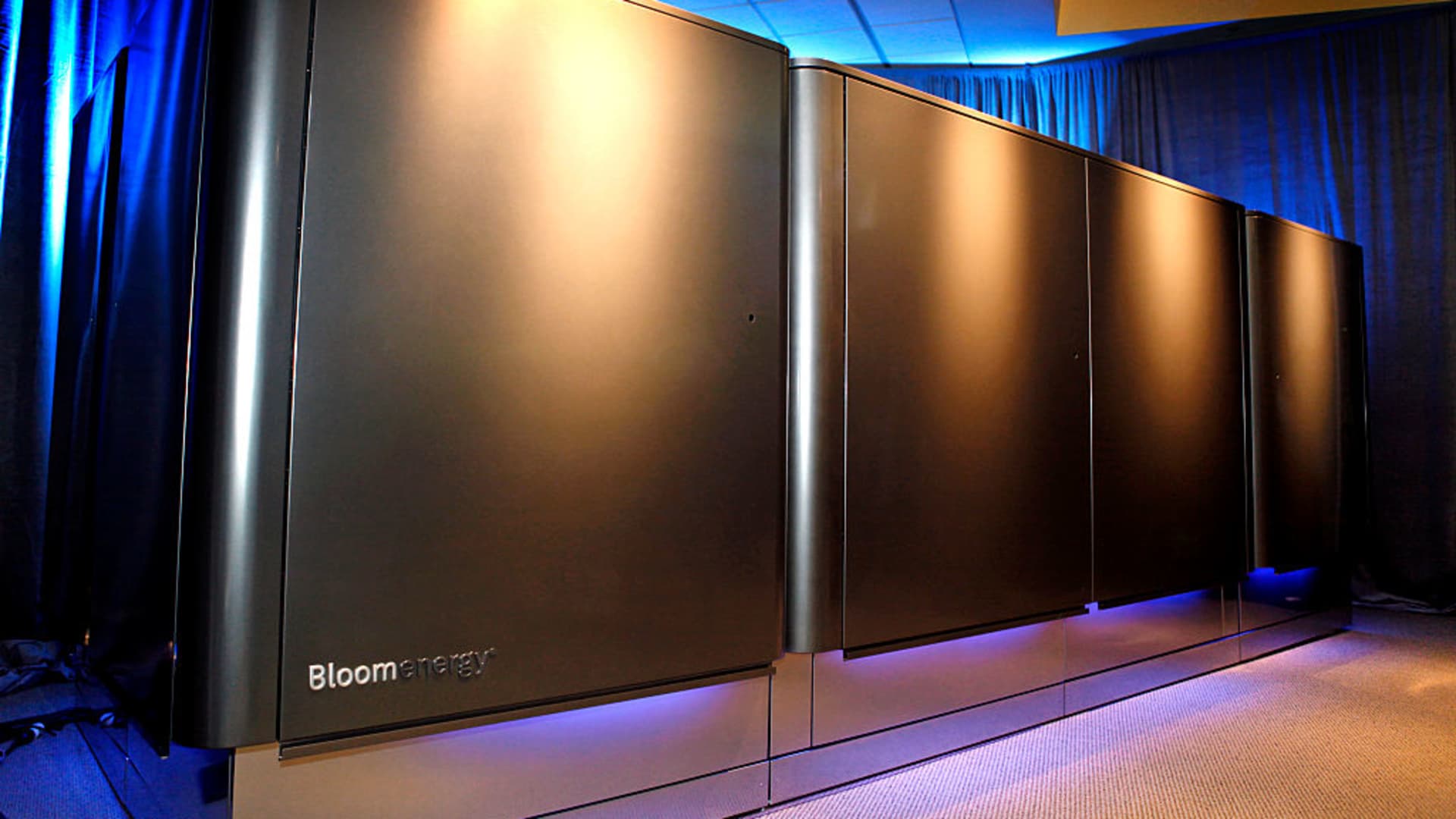
LIXTE Biotechnology to Merge with NOMAD, Transforming into Power Solutions Firm
- Company Repositioning: LIXTE Biotechnology has entered into a merger agreement with NOMAD, renaming itself NOMAD Power Solutions, Inc., which signifies a major strategic shift towards addressing the AI-driven power demand crisis.
- Pre-Closing Financial Support: LIXTE will provide NOMAD with a $6.5 million loan before the transaction closes to fund long-lead component procurement and working capital, ensuring customer demand is met ahead of the merger.
- Market Leadership: NOMAD is a market leader in deployable utility-grade battery energy storage systems, with projected revenue growth of approximately 175% in 2025 and an additional 135% in 2026, indicating strong market demand and growth potential.
- Addressing Power Bottlenecks: As AI infrastructure demand for electricity surges, NOMAD's deployable storage solutions provide fast and reliable power to data centers, filling the gap left by traditional grids, which holds significant strategic market implications.
See More

LIXTE to Merge with NOMAD, Transforming into Power Solutions Firm
- Company Repositioning: LIXTE Biotechnology Holdings has entered into a definitive agreement to merge with NOMAD, rebranding as NOMAD Power Solutions, Inc., focusing on addressing the power shortages of the AI era, with the transaction expected to close on July 1, 2026.
- Pre-Closing Financial Support: LIXTE will provide NOMAD with a $6.5 million loan before the deal closes to fund long-lead component procurement and working capital, demonstrating management's confidence in NOMAD's market potential.
- Market Leadership: NOMAD is a leader in deployable utility-grade battery energy storage systems, reporting approximately 175% revenue growth in 2025, with an additional projected growth of 135% in 2026, indicating strong market demand and customer interest.
- Addressing Power Bottlenecks: As AI infrastructure drives surging electricity demand, NOMAD's deployable storage solutions offer rapid and reliable power supply to data centers, effectively filling the gaps that traditional grids cannot meet.
See More
Fluence Energy Stock Investment Outlook
- Strong Market Demand: Fluence Energy's backlog has reached a record $5.6 billion, with management indicating that 50% to 55% is expected to convert into revenue within the next 12 months, providing robust near-term revenue visibility that the market has yet to fully recognize.
- Improved Financial Performance: Fluence reported revenue of $464.9 million with a gross margin of 10% and an adjusted EBITDA loss of $9.4 million, while reaffirming full-year revenue guidance of $3.2 billion to $3.6 billion, indicating improving operational momentum despite near-term volatility.
- Liquidity and Risk Management: The company has approximately $900 million in liquidity and potential tariff-related recoveries, which together mitigate balance sheet constraint risks during the ramp-up phase, enhancing investor confidence.
- Short-Term Catalysts: With signed master supply agreements with two major hyperscalers, the first order is expected soon, acting as a key catalyst for revenue acceleration, potentially shifting market sentiment from policy-driven skepticism to fundamentals-driven valuation expansion.
See More
LIXTE Acquires NOMAD to Address Power Shortages
- Power Supply Challenge: Approximately 2.3 terawatts of generation and storage capacity are currently in U.S. interconnection queues, with the time to develop new capacity extending from two years to five to seven years, highlighting the urgency and investment opportunity in power supply.
- Strategic Acquisition: LIXTE Biotechnology Holdings has announced the acquisition of NOMAD Transportable Power Systems, intending to rename itself NOMAD Power Solutions, which emphasizes its commitment to the power availability market and innovative solutions.
- Market Growth Potential: NOMAD's mobile battery systems can bypass the complex approval processes of traditional power projects, which is expected to drive rapid growth in the North American market, with management projecting a revenue increase of approximately 175% year-over-year in 2025.
- Competitive Advantage: NOMAD's transportable systems provide a significant competitive edge in regions where battery storage projects face restrictions, enabling quick deployment to meet urgent customer power needs, positioning the company as a key player in emerging power infrastructure.
See More
LIXTE to Merge with NOMAD, Forming Power Solutions Company
- Strategic Transformation: LIXTE Biotechnology has entered into a merger agreement with NOMAD, transforming into a company focused on deployable power solutions, with the transaction expected to close on July 1, 2026, marking a significant shift in corporate strategy.
- Pre-Closing Investment: Prior to the deal's completion, LIXTE has loaned NOMAD $6.5 million to support the procurement of long-lead components and scale manufacturing, demonstrating management's strong confidence in market demand.
- Market Opportunity: NOMAD achieved approximately 175% year-over-year revenue growth in 2025, with projections of an additional 135% growth in 2026, and about 75% of its sales activities are driven by inbound customer inquiries, indicating robust demand in the rapidly expanding power market.
- Industry Challenges: As AI infrastructure expands rapidly, electricity demand is surging, outpacing the traditional grid's capacity; NOMAD's mobile power solutions are crucial in addressing this bottleneck, highlighting significant strategic implications for the market.
See More
LIXTE to Merge with NOMAD, Transforming into Power Solutions Company
- Strategic Transformation: LIXTE Biotechnology Holdings has entered into a merger agreement with NOMAD, planning to rename itself NOMAD Power Solutions, focusing on addressing the urgent power needs of AI infrastructure, with the transaction expected to close on July 1, 2026.
- Pre-Closing Investment: Before the deal closes, LIXTE has loaned $6.5 million to NOMAD to support the procurement of long-lead components and meet the growing order demand, demonstrating management's strong confidence in market needs.
- Market Opportunity: NOMAD achieved approximately 175% revenue growth in 2025, with an expected additional 135% growth in 2026, and about 75% of sales activities are initiated by customers, indicating its leading position in the rapidly expanding power market.
- Technological Advantage: NOMAD's mobile battery energy storage systems (BESS) can be deployed quickly to meet the immediate high-quality power demands of data centers, circumventing the time and approval bottlenecks associated with traditional power infrastructure construction.
See More
LIXTE Biotechnology to Merge with NOMAD, Transforming into Power Solutions Firm
- Company Repositioning: LIXTE Biotechnology has entered into a merger agreement with NOMAD, renaming itself NOMAD Power Solutions, Inc., which signifies a major strategic shift towards addressing the AI-driven power demand crisis.
- Pre-Closing Financial Support: LIXTE will provide NOMAD with a $6.5 million loan before the transaction closes to fund long-lead component procurement and working capital, ensuring customer demand is met ahead of the merger.
- Market Leadership: NOMAD is a market leader in deployable utility-grade battery energy storage systems, with projected revenue growth of approximately 175% in 2025 and an additional 135% in 2026, indicating strong market demand and growth potential.
- Addressing Power Bottlenecks: As AI infrastructure demand for electricity surges, NOMAD's deployable storage solutions provide fast and reliable power to data centers, filling the gap left by traditional grids, which holds significant strategic market implications.
See More
LIXTE to Merge with NOMAD, Transforming into Power Solutions Firm
- Company Repositioning: LIXTE Biotechnology Holdings has entered into a definitive agreement to merge with NOMAD, rebranding as NOMAD Power Solutions, Inc., focusing on addressing the power shortages of the AI era, with the transaction expected to close on July 1, 2026.
- Pre-Closing Financial Support: LIXTE will provide NOMAD with a $6.5 million loan before the deal closes to fund long-lead component procurement and working capital, demonstrating management's confidence in NOMAD's market potential.
- Market Leadership: NOMAD is a leader in deployable utility-grade battery energy storage systems, reporting approximately 175% revenue growth in 2025, with an additional projected growth of 135% in 2026, indicating strong market demand and customer interest.
- Addressing Power Bottlenecks: As AI infrastructure drives surging electricity demand, NOMAD's deployable storage solutions offer rapid and reliable power supply to data centers, effectively filling the gaps that traditional grids cannot meet.
See More
Fluence Energy Stock Investment Outlook
- Strong Market Demand: Fluence Energy's backlog has reached a record $5.6 billion, with management indicating that 50% to 55% is expected to convert into revenue within the next 12 months, providing robust near-term revenue visibility that the market has yet to fully recognize.
- Improved Financial Performance: Fluence reported revenue of $464.9 million with a gross margin of 10% and an adjusted EBITDA loss of $9.4 million, while reaffirming full-year revenue guidance of $3.2 billion to $3.6 billion, indicating improving operational momentum despite near-term volatility.
- Liquidity and Risk Management: The company has approximately $900 million in liquidity and potential tariff-related recoveries, which together mitigate balance sheet constraint risks during the ramp-up phase, enhancing investor confidence.
- Short-Term Catalysts: With signed master supply agreements with two major hyperscalers, the first order is expected soon, acting as a key catalyst for revenue acceleration, potentially shifting market sentiment from policy-driven skepticism to fundamentals-driven valuation expansion.
See More
LIXTE Acquires NOMAD to Address Power Shortages
- Power Supply Challenge: Approximately 2.3 terawatts of generation and storage capacity are currently in U.S. interconnection queues, with the time to develop new capacity extending from two years to five to seven years, highlighting the urgency and investment opportunity in power supply.
- Strategic Acquisition: LIXTE Biotechnology Holdings has announced the acquisition of NOMAD Transportable Power Systems, intending to rename itself NOMAD Power Solutions, which emphasizes its commitment to the power availability market and innovative solutions.
- Market Growth Potential: NOMAD's mobile battery systems can bypass the complex approval processes of traditional power projects, which is expected to drive rapid growth in the North American market, with management projecting a revenue increase of approximately 175% year-over-year in 2025.
- Competitive Advantage: NOMAD's transportable systems provide a significant competitive edge in regions where battery storage projects face restrictions, enabling quick deployment to meet urgent customer power needs, positioning the company as a key player in emerging power infrastructure.
See More