Swatch Advertisement That Provoked Controversy Highlights Risky Marketing Strategies Amidst Setbacks in Diversity Efforts

Risky Marketing Strategies: Companies are increasingly adopting edgy marketing tactics to stand out, despite the potential backlash, as seen with Swatch's controversial ad mimicking racist taunts against Asians.
Shift in Diversity Focus: The rollback of diversity programs in the U.S. has led brands to prioritize attention-grabbing ads over inclusivity, which may alienate non-white consumers and harm brand reputation in the long run.
Social Media Backlash: Recent advertisements from brands like American Eagle and Dunkin Donuts have faced criticism on social media for promoting problematic themes or endorsers, highlighting the fine line marketers must walk between controversy and consumer acceptance.
Market Dynamics: As non-Hispanic white Americans dominate buying power, other demographics are growing rapidly, prompting brands to reconsider their marketing strategies to avoid leaving money on the table by excluding diverse audiences.
Trade with 70% Backtested Accuracy
Analyst Views on AEO

About AEO
About the author


GLP-1 Drugs Drive Growth in U.S. Apparel Spending


- Surge in Apparel Demand: Approximately 80% of GLP-1 users anticipate needing new clothing due to size changes, with a Circana survey revealing that 55% of active users have already purchased new items, indicating a fresh wave of consumer spending in the apparel market.
- Significant Market Potential: Bernstein estimates that GLP-1 users could purchase between 150 million and 700 million apparel items due to weight loss, translating to an additional $13 billion in annual spending in the U.S. apparel sector, highlighting robust market demand.
- Brands Adapting to Change: Retailers like Stitch Fix have launched targeted marketing campaigns for weight loss users, with client mentions of weight loss requests tripling over the past two years, demonstrating brands' proactive adaptation to this emerging trend.
- Shift in Consumer Behavior: An increasing number of consumers are opting for more affordable clothing during their weight loss journey, with Destination XL's CEO noting that about 25% of their customers are using GLP-1 drugs, leading to a preference for cost-effective options.
Analysts Upgrade AEO and TSLA Ratings Amid Market Pressures

- AEO Upgrade: Analyst Jay Capital upgraded American Eagle Outfitters (AEO) from Sell to Hold, citing a strong 23% comp growth in the Aerie brand and early signs of stabilization in the American Eagle brand, with the stock now fairly valued at 9.4x NTM P/E despite tariff pressures, indicating improved fundamentals.
- TSLA Upgrade: The Techie upgraded Tesla (TSLA) to Buy, believing that after a significant 21.5% year-to-date selloff, the risk-reward profile has become favorable, with international growth catalysts and long-term optionality in autonomy and energy positioning Tesla well for a rebound if geopolitical and tariff issues are resolved.
- NVO Downgrade: Analyst Terry Chrisomalis downgraded Novo Nordisk (NVO) from Buy to Sell due to Cagri Sema's clinical failure to outperform Eli Lilly's tirzepatide, alongside looming patent cliffs and intensifying GLP-1 competition, projecting a sales decline for 2026 and highlighting growth challenges.
- MSFT Downgrade: YR Research downgraded Microsoft (MSFT) to Hold, noting a 31% share drawdown, but emphasized that Microsoft is falling behind competitors like Google and Amazon in critical AI infrastructure areas, with significant headwinds from rapid competitor growth and hardware advancements, leading to market skepticism about re-rating the stock.
Navy Retail Business Faces Turnaround Challenges


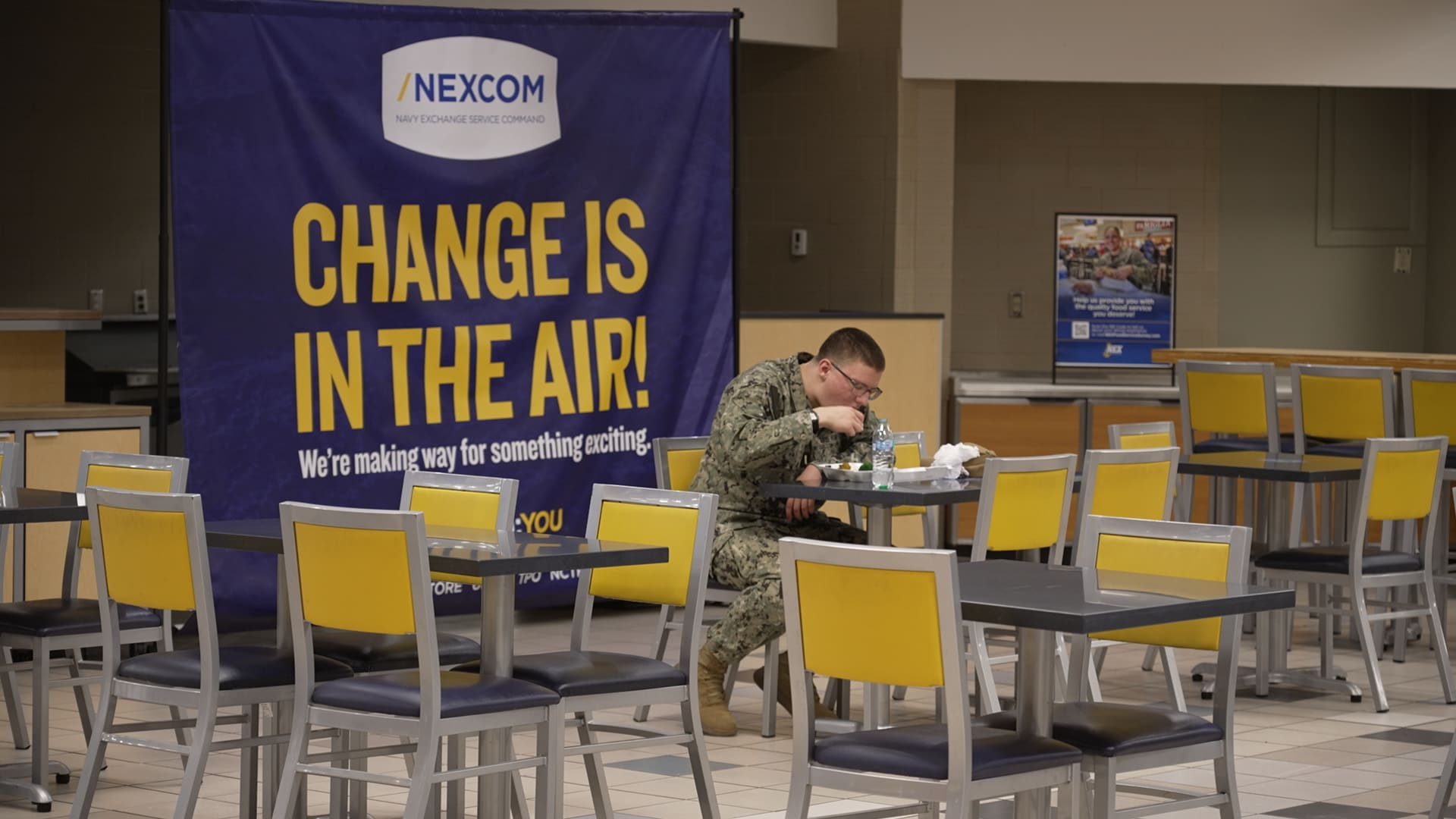
- Declining Sales: Nexcom's sales have dropped 19% over the past 12 years, reaching the lowest level in nearly 20 years in fiscal 2024, indicating a loss of market share to retail giants like Walmart and Amazon, which could adversely affect the welfare of sailors and their families.
- Reduced Profit Distribution: Between fiscal 2013 and fiscal 2024, dividends generated by Nexcom fell from $51.9 million to $29.8 million, a 43% decline, meaning significantly less funding for morale and welfare programs that support sailors, potentially impacting their morale and family support.
- Implementation of Turnaround Plan: In 2020, Nexcom hired retail consultant Melissa Gonzalez and plans to invest $80 million over the next three years to renovate stores under the
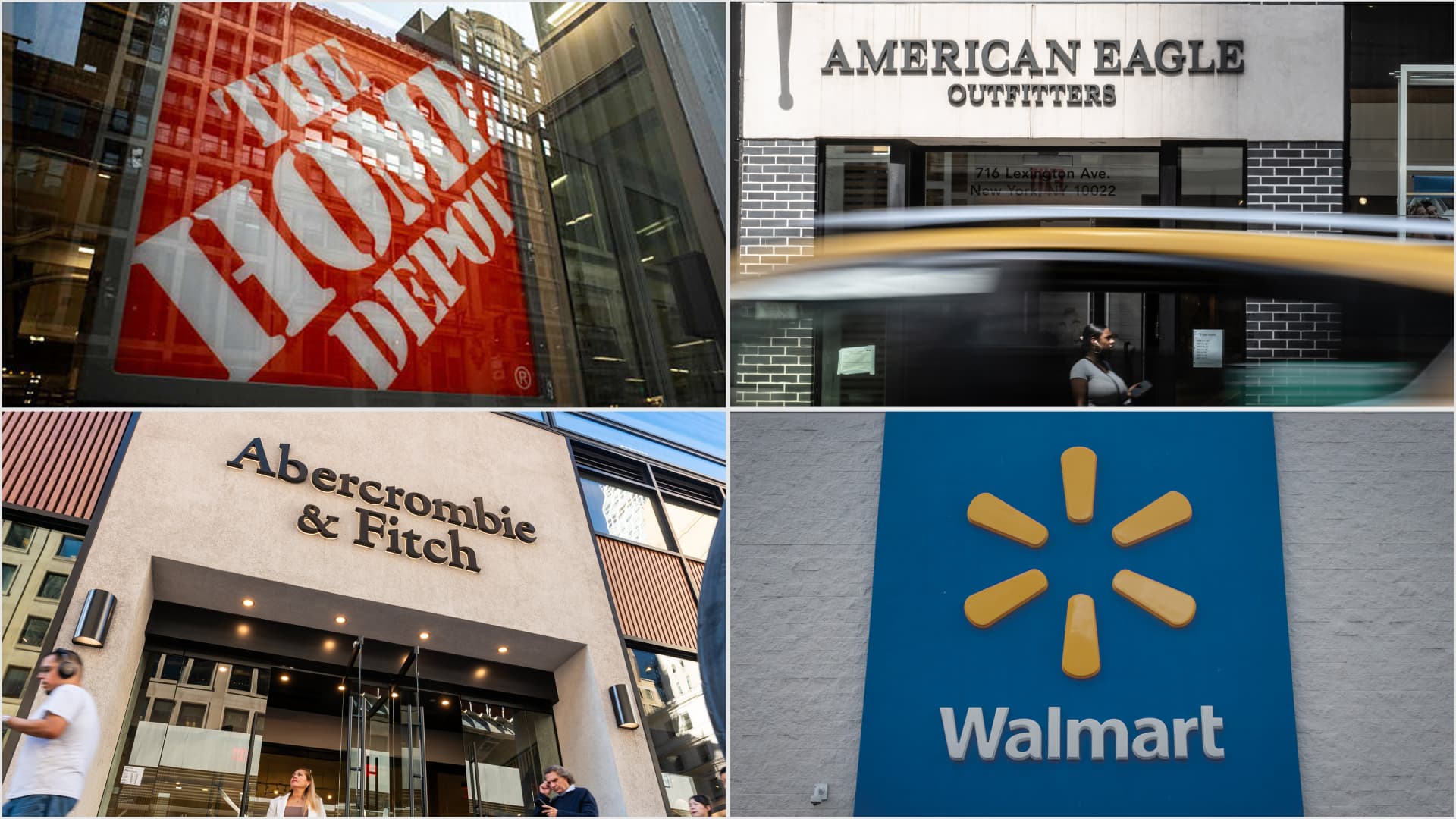
Impact of Trump's Tariffs One Year Later


- Widespread Tariff Impact: Trump's tariff policies have placed significant economic pressure on U.S. businesses over the past year, with approximately 80% to 85% of costs absorbed by companies, leading to reduced profits and increased consumer prices, thereby exacerbating overall economic uncertainty.
- Retail Sector Adaptation: While large retailers like Walmart have emerged relatively unscathed, smaller businesses have been severely impacted, with Home Depot aiming to limit purchases from any single country to 10% to reduce dependency and enhance supply chain flexibility.
- Automotive Industry Cost Surge: Automakers such as General Motors and Toyota are facing tariff impacts estimated at up to $9.5 billion, and although the Trump administration has taken steps to alleviate overlapping tariffs, overall costs remain significant, forcing companies to reassess their supply chain strategies.
- Pharmaceutical Sector Stability: Pharmaceutical companies have secured three-year tariff exemptions through pricing agreements with Trump, although new tariffs impose 100% on companies that do not reach agreements, the overall industry is still striving to increase investments in U.S. manufacturing.

Fabletics Launches First Denim Collection Amid Changing Consumer Trends

- Market Expansion Signal: Fabletics announces the launch of its first denim collection featuring 11 styles and 7 washes, priced between $79.95 and $174.95, signaling a strategic shift amid a slowdown in the athleisure market.
- Consumer Demand Driven: CEO Adam Goldenberg states that over 1 million customers expressed strong interest in denim, prompting the company to enter this category after two years of market research, showcasing its keen awareness of consumer needs.
- Changing Market Trends: While the athleisure market continues to grow, North America's growth rate has decreased from 3.1% to 2.3%, whereas the denim market is projected to grow by 2.1%, reflecting a shift in consumer preferences that Fabletics' denim line aims to capitalize on.
- Balancing Innovation and Expansion: Fabletics emphasizes that while expanding into denim, activewear remains a top priority, with the CEO highlighting the need for innovation alongside category expansion to attract new customers and increase purchase frequency among existing ones.

Fabletics Launches First Denim Collection Amid Slowing Athleisure Market

- Market Trend Shift: Fabletics is launching its first denim collection, indicating a slowdown in the athleisure market, despite generating over $1 billion in revenue last year, as consumer demand for comfortable denim rises, reflecting a shift in market preferences.
- Product Diversification: The new collection features 11 styles and 7 washes, priced between $79.95 and $174.95, aimed at attracting consumers seeking comfort and style, particularly in a hybrid work environment.
- Customer Feedback Driven: The CEO of Fabletics noted that over a million customers expressed interest in denim products, which prompted the company to expand its product line, highlighting consumer loyalty and sensitivity to market demand.
- Future Growth Potential: While the sports apparel market is projected to grow only 2.3% by 2026, the denim market is expected to grow by 2.1%, suggesting that Fabletics' expansion strategy could help it capture a larger share in a competitive landscape.
GLP-1 Drugs Drive Growth in U.S. Apparel Spending
- Surge in Apparel Demand: Approximately 80% of GLP-1 users anticipate needing new clothing due to size changes, with a Circana survey revealing that 55% of active users have already purchased new items, indicating a fresh wave of consumer spending in the apparel market.
- Significant Market Potential: Bernstein estimates that GLP-1 users could purchase between 150 million and 700 million apparel items due to weight loss, translating to an additional $13 billion in annual spending in the U.S. apparel sector, highlighting robust market demand.
- Brands Adapting to Change: Retailers like Stitch Fix have launched targeted marketing campaigns for weight loss users, with client mentions of weight loss requests tripling over the past two years, demonstrating brands' proactive adaptation to this emerging trend.
- Shift in Consumer Behavior: An increasing number of consumers are opting for more affordable clothing during their weight loss journey, with Destination XL's CEO noting that about 25% of their customers are using GLP-1 drugs, leading to a preference for cost-effective options.
Analysts Upgrade AEO and TSLA Ratings Amid Market Pressures
- AEO Upgrade: Analyst Jay Capital upgraded American Eagle Outfitters (AEO) from Sell to Hold, citing a strong 23% comp growth in the Aerie brand and early signs of stabilization in the American Eagle brand, with the stock now fairly valued at 9.4x NTM P/E despite tariff pressures, indicating improved fundamentals.
- TSLA Upgrade: The Techie upgraded Tesla (TSLA) to Buy, believing that after a significant 21.5% year-to-date selloff, the risk-reward profile has become favorable, with international growth catalysts and long-term optionality in autonomy and energy positioning Tesla well for a rebound if geopolitical and tariff issues are resolved.
- NVO Downgrade: Analyst Terry Chrisomalis downgraded Novo Nordisk (NVO) from Buy to Sell due to Cagri Sema's clinical failure to outperform Eli Lilly's tirzepatide, alongside looming patent cliffs and intensifying GLP-1 competition, projecting a sales decline for 2026 and highlighting growth challenges.
- MSFT Downgrade: YR Research downgraded Microsoft (MSFT) to Hold, noting a 31% share drawdown, but emphasized that Microsoft is falling behind competitors like Google and Amazon in critical AI infrastructure areas, with significant headwinds from rapid competitor growth and hardware advancements, leading to market skepticism about re-rating the stock.
Navy Retail Business Faces Turnaround Challenges
- Declining Sales: Nexcom's sales have dropped 19% over the past 12 years, reaching the lowest level in nearly 20 years in fiscal 2024, indicating a loss of market share to retail giants like Walmart and Amazon, which could adversely affect the welfare of sailors and their families.
- Reduced Profit Distribution: Between fiscal 2013 and fiscal 2024, dividends generated by Nexcom fell from $51.9 million to $29.8 million, a 43% decline, meaning significantly less funding for morale and welfare programs that support sailors, potentially impacting their morale and family support.
- Implementation of Turnaround Plan: In 2020, Nexcom hired retail consultant Melissa Gonzalez and plans to invest $80 million over the next three years to renovate stores under the
Impact of Trump's Tariffs One Year Later
- Widespread Tariff Impact: Trump's tariff policies have placed significant economic pressure on U.S. businesses over the past year, with approximately 80% to 85% of costs absorbed by companies, leading to reduced profits and increased consumer prices, thereby exacerbating overall economic uncertainty.
- Retail Sector Adaptation: While large retailers like Walmart have emerged relatively unscathed, smaller businesses have been severely impacted, with Home Depot aiming to limit purchases from any single country to 10% to reduce dependency and enhance supply chain flexibility.
- Automotive Industry Cost Surge: Automakers such as General Motors and Toyota are facing tariff impacts estimated at up to $9.5 billion, and although the Trump administration has taken steps to alleviate overlapping tariffs, overall costs remain significant, forcing companies to reassess their supply chain strategies.
- Pharmaceutical Sector Stability: Pharmaceutical companies have secured three-year tariff exemptions through pricing agreements with Trump, although new tariffs impose 100% on companies that do not reach agreements, the overall industry is still striving to increase investments in U.S. manufacturing.
Fabletics Launches First Denim Collection Amid Changing Consumer Trends
- Market Expansion Signal: Fabletics announces the launch of its first denim collection featuring 11 styles and 7 washes, priced between $79.95 and $174.95, signaling a strategic shift amid a slowdown in the athleisure market.
- Consumer Demand Driven: CEO Adam Goldenberg states that over 1 million customers expressed strong interest in denim, prompting the company to enter this category after two years of market research, showcasing its keen awareness of consumer needs.
- Changing Market Trends: While the athleisure market continues to grow, North America's growth rate has decreased from 3.1% to 2.3%, whereas the denim market is projected to grow by 2.1%, reflecting a shift in consumer preferences that Fabletics' denim line aims to capitalize on.
- Balancing Innovation and Expansion: Fabletics emphasizes that while expanding into denim, activewear remains a top priority, with the CEO highlighting the need for innovation alongside category expansion to attract new customers and increase purchase frequency among existing ones.
Fabletics Launches First Denim Collection Amid Slowing Athleisure Market
- Market Trend Shift: Fabletics is launching its first denim collection, indicating a slowdown in the athleisure market, despite generating over $1 billion in revenue last year, as consumer demand for comfortable denim rises, reflecting a shift in market preferences.
- Product Diversification: The new collection features 11 styles and 7 washes, priced between $79.95 and $174.95, aimed at attracting consumers seeking comfort and style, particularly in a hybrid work environment.
- Customer Feedback Driven: The CEO of Fabletics noted that over a million customers expressed interest in denim products, which prompted the company to expand its product line, highlighting consumer loyalty and sensitivity to market demand.
- Future Growth Potential: While the sports apparel market is projected to grow only 2.3% by 2026, the denim market is expected to grow by 2.1%, suggesting that Fabletics' expansion strategy could help it capture a larger share in a competitive landscape.