

Soybeans Propel U.S. Grains Upward Amid Hopes for Trade Resurgence
U.S. Grain Futures Surge: U.S. grain futures, particularly soybeans, wheat, and corn, saw significant gains following Treasury Secretary Bessent's optimistic comments about China's potential resumption of soybean purchases ahead of upcoming trade talks.
Soybean Shipment Data: Recent USDA data indicated that soybean shipments totaled approximately 1.06 million tons, a decrease of one-third from the previous week, with no shipments to China.
Market Analysts' Perspectives: Some analysts are optimistic about China's demand for U.S. soybeans in late 2025 and into the next year, while others caution that China's near-term needs are limited due to prior purchases from Brazil and Argentina.
Focus on Timing: The current market situation emphasizes the importance of timing for U.S. soybean sales rather than the overall size of potential sales, as China has already secured significant supplies from other countries.
Trade with 70% Backtested Accuracy
Analyst Views on SOYB
About the author


Economist Claims Trump's $12 Billion Farmer Aid Indicates His Policies Have Negatively Impacted Americans


Trump's Financial Aid Package: President Trump's $12 billion aid package for struggling U.S. farmers is facing criticism from economists and farmers, highlighting the negative impact of his trade and tariff policies.
Impact of Trade Wars: Farmers, particularly in the soybean sector, have suffered due to reduced export demand as major buyers like China shifted their purchases, although some buying has resumed following a trade truce.
Criticism of Bailouts: Economist Justin Wolfers argues that the bailout acknowledges the harm caused by tariffs and questions why consumers aren't also compensated for increased prices on imported goods.
Farmers' Perspective: A soybean farmer expressed that they prefer market solutions over bailouts, emphasizing that the aid is merely a temporary fix and that the tariffs are damaging long-term market viability.
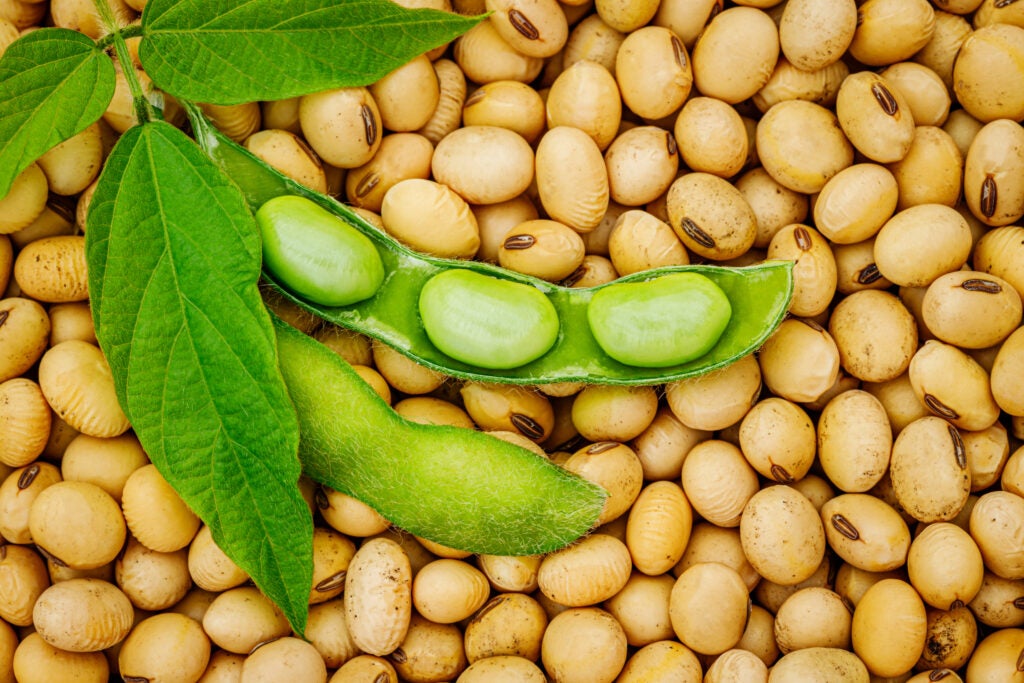
Will China's Purchase of a Million Tons of US Soybeans Boost Agricultural ETFs?
China's Soybean Purchases: China has resumed purchasing U.S. soybeans, booking over 1 million tons since early October, marking its largest daily purchase in two years, following a trade truce with the U.S.
Impact on Agricultural ETFs: Despite the positive news for farmers, agricultural ETFs have shown a cautious response, reflecting volatility in U.S.-China trade relations and the structural lag in commodity ETFs.
Long-term Agreements: China has committed to buying at least 25 million metric tons of U.S. soybeans annually until 2028, suggesting a more stable environment for the agricultural sector compared to earlier disruptions.
ETF Performance Outlook: While ETFs like PDBA and SOYB have not seen significant rallies, the improved trade backdrop may prompt investors to consider diversified agricultural investments based on their risk appetite.

China to Halt Majority of U.S. Tariffs Following Trump-Xi Meeting, Soybeans Remain Subject to 13% Duty

Tariff Suspension Announcement: China will suspend retaliatory tariffs on U.S. imports, including lifting duties on certain agricultural goods, following a meeting between President Trump and Xi Jinping.
Remaining Tariffs on Soybeans: Despite the tariff cuts, U.S. soybean imports will still face a 13% tariff, making them less competitive compared to Brazilian soybeans.
Market Impact: The tariff situation has led to U.S. soybeans being priced higher than Brazilian alternatives, affecting trade dynamics.
Broader Market Trends: Asian markets are experiencing declines as traders react to the fragile U.S.-China truce and other economic factors, including the Reserve Bank of Australia's decision to hold interest rates.
Soybean Futures Increase Following China's Suspension of Retaliatory Tariffs
Soybean Futures Rise: U.S. soybean futures increased by 0.60% to $1,106.32 following China's agreement to suspend retaliatory tariffs on U.S. agricultural products after a recent summit.
China's Purchase Plans: China is looking to buy U.S. wheat for the first time in over a year and has made inquiries for U.S. cargoes for delivery from December to February.
Trade Truce Impact: The trade truce between the U.S. and China has led to China planning to purchase 12 million metric tons of U.S. soybeans this season and 87 million tons through 2028.
Market Reactions: Easing trade tensions have positively influenced market conditions, contributing to gains in soybean futures and other commodities.
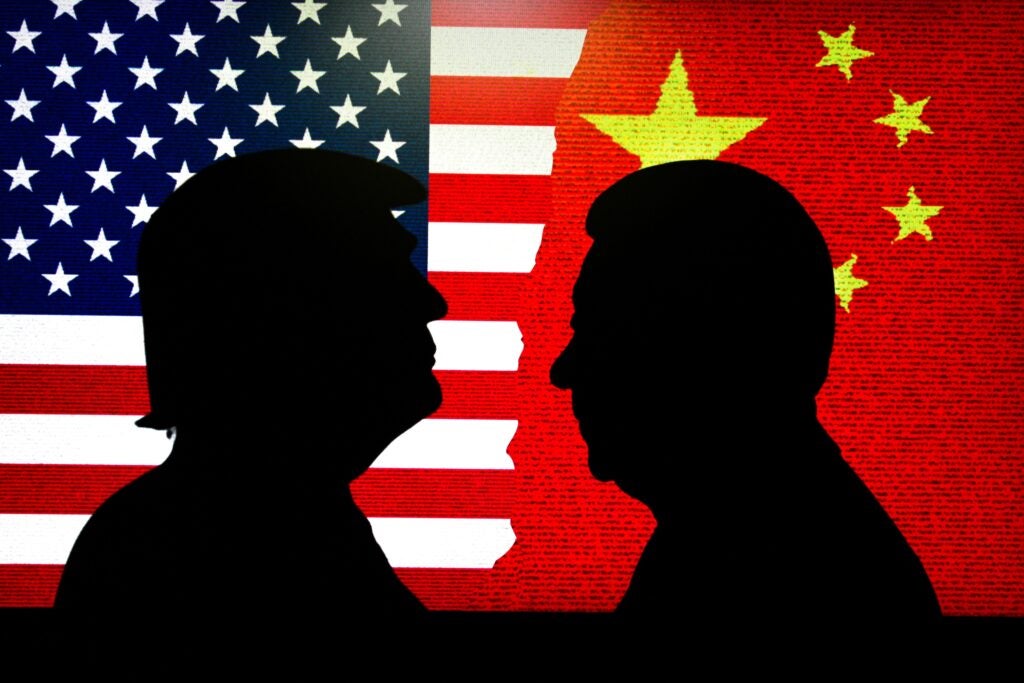
China Allegedly Restarts US Soybean Imports Ahead of Trump-Xi Meeting
China Resumes U.S. Soybean Purchases: China has made its first purchase of U.S. soybeans from this year's harvest, totaling approximately 180,000 metric tons, signaling an end to a long-standing boycott amid ongoing trade negotiations with the U.S.
Impact on Soybean Prices: The announcement of China's soybean purchase has led to a surge in soybean prices, reaching a 15-month high of $10.91 per bushel, reflecting renewed optimism for a potential U.S.-China trade agreement.
Significance for U.S. Farmers: The resumption of soybean sales to China is crucial for U.S. farmers, who have faced significant losses due to previous trade disputes and tariffs, and is seen as a pivotal point in the ongoing trade discussions.
Global Demand and Market Monitoring: Despite trade tensions, global demand for soybeans remains strong, with investors keeping a close watch on market trends, including the Teucrium Soybean ETF, which has shown a 7.88% gain over the past year.
China's COFCO Purchases First U.S. Soybeans from 2025 Harvest Before Trump-Xi Meeting, According to Reports
China's Soybean Purchases: China's state-owned COFCO has purchased three U.S. soybean cargoes, marking the country's first acquisitions from this year's U.S. harvest ahead of a summit between leaders Donald Trump and Xi Jinping.
Impact on Soybean Prices: The purchases have contributed to a surge in benchmark Chicago soybean futures prices, which have reached their highest levels in 15 months, driven by optimism surrounding a potential U.S.-China trade deal.
Trade Dispute Background: Soybeans have been a contentious issue in the U.S.-China trade dispute, with China significantly reducing its imports from the U.S. and sourcing from South America, negatively impacting American farmers.
Market Reactions: The easing of trade tensions has led to a positive outlook for U.S. grains, with soybean prices climbing as trade talks between the U.S. and China show signs of progress.
Economist Claims Trump's $12 Billion Farmer Aid Indicates His Policies Have Negatively Impacted Americans
Trump's Financial Aid Package: President Trump's $12 billion aid package for struggling U.S. farmers is facing criticism from economists and farmers, highlighting the negative impact of his trade and tariff policies.
Impact of Trade Wars: Farmers, particularly in the soybean sector, have suffered due to reduced export demand as major buyers like China shifted their purchases, although some buying has resumed following a trade truce.
Criticism of Bailouts: Economist Justin Wolfers argues that the bailout acknowledges the harm caused by tariffs and questions why consumers aren't also compensated for increased prices on imported goods.
Farmers' Perspective: A soybean farmer expressed that they prefer market solutions over bailouts, emphasizing that the aid is merely a temporary fix and that the tariffs are damaging long-term market viability.
Will China's Purchase of a Million Tons of US Soybeans Boost Agricultural ETFs?
China's Soybean Purchases: China has resumed purchasing U.S. soybeans, booking over 1 million tons since early October, marking its largest daily purchase in two years, following a trade truce with the U.S.
Impact on Agricultural ETFs: Despite the positive news for farmers, agricultural ETFs have shown a cautious response, reflecting volatility in U.S.-China trade relations and the structural lag in commodity ETFs.
Long-term Agreements: China has committed to buying at least 25 million metric tons of U.S. soybeans annually until 2028, suggesting a more stable environment for the agricultural sector compared to earlier disruptions.
ETF Performance Outlook: While ETFs like PDBA and SOYB have not seen significant rallies, the improved trade backdrop may prompt investors to consider diversified agricultural investments based on their risk appetite.
China to Halt Majority of U.S. Tariffs Following Trump-Xi Meeting, Soybeans Remain Subject to 13% Duty
Tariff Suspension Announcement: China will suspend retaliatory tariffs on U.S. imports, including lifting duties on certain agricultural goods, following a meeting between President Trump and Xi Jinping.
Remaining Tariffs on Soybeans: Despite the tariff cuts, U.S. soybean imports will still face a 13% tariff, making them less competitive compared to Brazilian soybeans.
Market Impact: The tariff situation has led to U.S. soybeans being priced higher than Brazilian alternatives, affecting trade dynamics.
Broader Market Trends: Asian markets are experiencing declines as traders react to the fragile U.S.-China truce and other economic factors, including the Reserve Bank of Australia's decision to hold interest rates.
Soybean Futures Increase Following China's Suspension of Retaliatory Tariffs
Soybean Futures Rise: U.S. soybean futures increased by 0.60% to $1,106.32 following China's agreement to suspend retaliatory tariffs on U.S. agricultural products after a recent summit.
China's Purchase Plans: China is looking to buy U.S. wheat for the first time in over a year and has made inquiries for U.S. cargoes for delivery from December to February.
Trade Truce Impact: The trade truce between the U.S. and China has led to China planning to purchase 12 million metric tons of U.S. soybeans this season and 87 million tons through 2028.
Market Reactions: Easing trade tensions have positively influenced market conditions, contributing to gains in soybean futures and other commodities.
China Allegedly Restarts US Soybean Imports Ahead of Trump-Xi Meeting
China Resumes U.S. Soybean Purchases: China has made its first purchase of U.S. soybeans from this year's harvest, totaling approximately 180,000 metric tons, signaling an end to a long-standing boycott amid ongoing trade negotiations with the U.S.
Impact on Soybean Prices: The announcement of China's soybean purchase has led to a surge in soybean prices, reaching a 15-month high of $10.91 per bushel, reflecting renewed optimism for a potential U.S.-China trade agreement.
Significance for U.S. Farmers: The resumption of soybean sales to China is crucial for U.S. farmers, who have faced significant losses due to previous trade disputes and tariffs, and is seen as a pivotal point in the ongoing trade discussions.
Global Demand and Market Monitoring: Despite trade tensions, global demand for soybeans remains strong, with investors keeping a close watch on market trends, including the Teucrium Soybean ETF, which has shown a 7.88% gain over the past year.
China's COFCO Purchases First U.S. Soybeans from 2025 Harvest Before Trump-Xi Meeting, According to Reports
China's Soybean Purchases: China's state-owned COFCO has purchased three U.S. soybean cargoes, marking the country's first acquisitions from this year's U.S. harvest ahead of a summit between leaders Donald Trump and Xi Jinping.
Impact on Soybean Prices: The purchases have contributed to a surge in benchmark Chicago soybean futures prices, which have reached their highest levels in 15 months, driven by optimism surrounding a potential U.S.-China trade deal.
Trade Dispute Background: Soybeans have been a contentious issue in the U.S.-China trade dispute, with China significantly reducing its imports from the U.S. and sourcing from South America, negatively impacting American farmers.
Market Reactions: The easing of trade tensions has led to a positive outlook for U.S. grains, with soybean prices climbing as trade talks between the U.S. and China show signs of progress.





