Saks Global Files for Bankruptcy Protection, Secures $1.75B Financing
Written by Emily J. Thompson, Senior Investment Analyst
Updated: Jan 14 2026
0mins

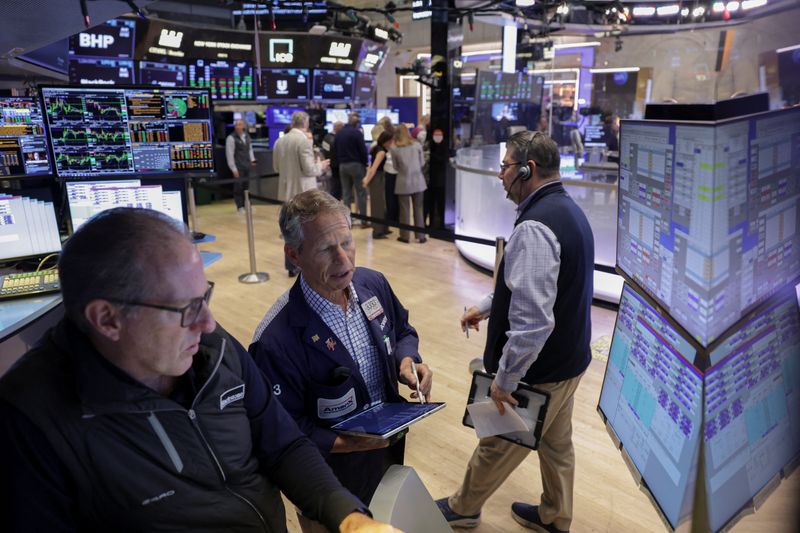
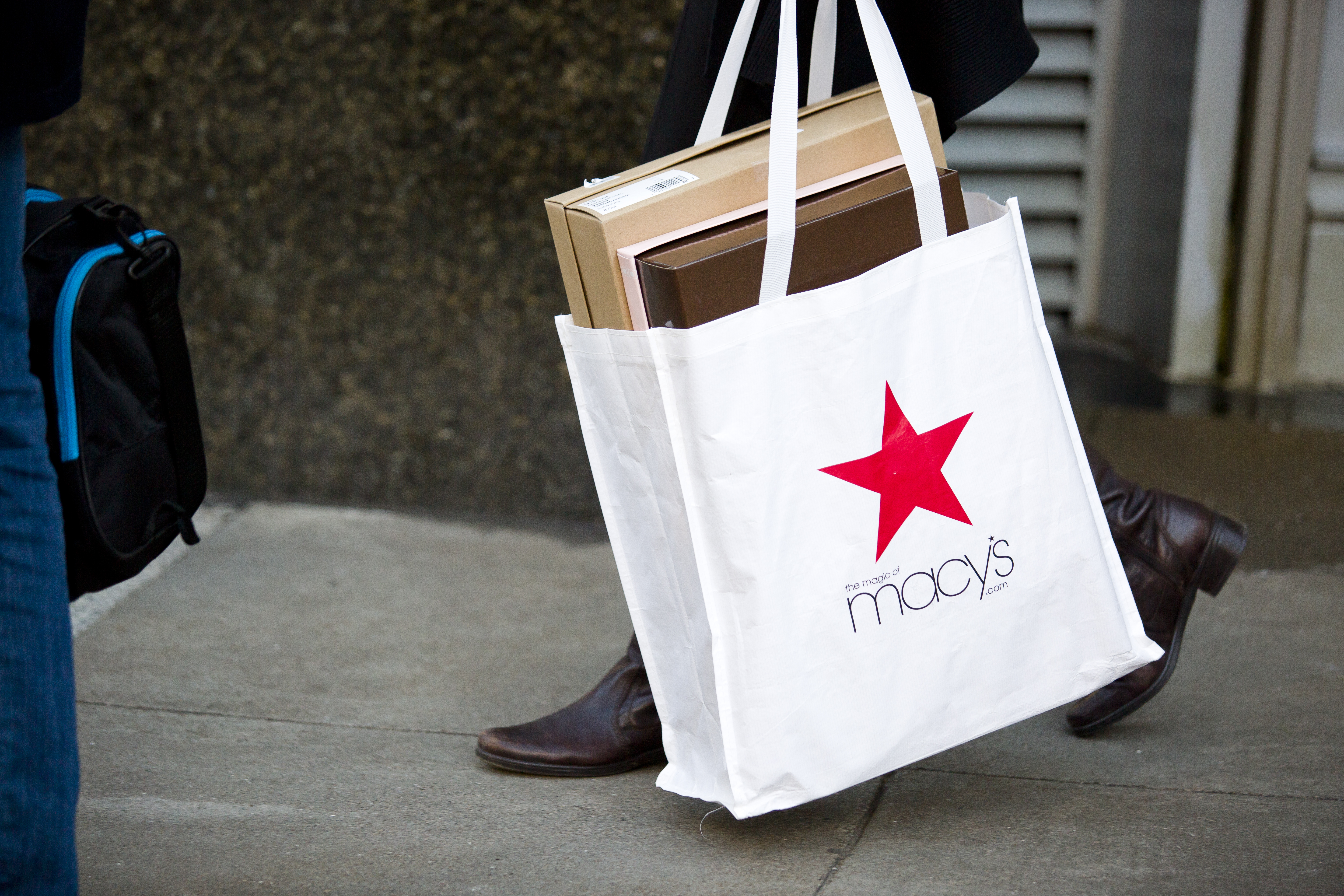
Saks Global, the parent of Saks Fifth Avenue and Neiman Marcus, has filed for bankruptcy protection, The Wall Street Journal's Suzanne Kapner and Becky Yerak report. Former Neiman Marcus CEO Geoffroy van Raemdonck has been selected to lead Saks through bankruptcy as its CEO, effective immediately, according to the report, which adds that Saks has secured roughly $1.75B in financing for the process. Publicly traded companies in the space include Macy's (M), Kohl's (KSS), Dillard's (DDS).
Trade with 70% Backtested Accuracy
Stop guessing "Should I Buy M?" and start using high-conviction signals backed by rigorous historical data.
Sign up today to access powerful investing tools and make smarter, data-driven decisions.
Analyst Views on M
Wall Street analysts forecast M stock price to rise
12 Analyst Rating
2 Buy
9 Hold
1 Sell
Hold
Current: 20.000

Low
8.00
Averages
21.33
High
27.00
Current: 20.000
Low
8.00
Averages
21.33
High
27.00
About M
Macy's, Inc. is an omni-channel retail company. The Company operates stores, websites and mobile applications under three brands, Macy's, Bloomingdale's and Bluemercury, which sell a range of merchandise, including apparel and accessories (men's, women's and kids'), cosmetics, home furnishings and other consumer goods. The Company has stores in 43 states, the District of Columbia, Puerto Rico and Guam. Its operations are conducted through Macy's, Macy's Backstage, Macy's small format, Bloomingdale's, Bloomingdale's The Outlet, Bloomie's, and Bluemercury. In addition, Bloomingdale's in Dubai, United Arab Emirates and Al Zahra, Kuwait are operated under a license agreement with Al Tayer Insignia. The principal private label brands offered by the Company include Alfani, And Now This, Aqua, Bar III, Cerulean 6, Charter Club, Club Room, Epic Threads, first impressions, Giani Bernini, Holiday Lane, Home Design, Hotel Collection, Hudson Park, Ideology, I-N-C, jenni, JM Collection, and others.
About the author

Emily J. Thompson
Emily J. Thompson, a Chartered Financial Analyst (CFA) with 12 years in investment research, graduated with honors from the Wharton School. Specializing in industrial and technology stocks, she provides in-depth analysis for Intellectia’s earnings and market brief reports.
Berkshire's First Investment in Macy's in 60 Years

- Berkshire's Investment: Berkshire Hathaway's $55 million investment in Macy's marks its first public department store investment since 1966, indicating a renewed interest in the retail sector that could attract more investor attention.
- Stock Price Movement: Macy's stock has pulled back from highs above $23 and is currently hovering near the lower half of a symmetrical triangle pattern, with the white ascending trendline serving as a key near-term support area, where a break could undermine market confidence.
- Technical Analysis: The longer-term orange ascending trendline has been building since mid-2025, and a breach below both trendlines may shift investor focus toward lower support zones, increasing market uncertainty.
- Market Sentiment: Despite a rally in Macy's stock following Berkshire's investment, consumer sentiment remains at record lows, indicating challenges in the retail market and suggesting that future growth potential should be assessed with caution.
See More

Warren Buffett Steps Down as CEO, Berkshire Adjusts Portfolio

- Buffett's Transition: Warren Buffett will step down as CEO of Berkshire Hathaway at the end of 2025 while remaining chairman, with Greg Abel taking over as CEO, indicating a smooth leadership transition and continued strategic involvement in investment decisions.
- Exit from Amazon: As of March 31, Berkshire Hathaway has completely exited its Amazon holdings, reducing its stake from 10 million shares in September 2025 to under 2.3 million, reflecting a significant shift in the company's investment strategy towards tech stocks.
- Acquisition of Macy's: In the first quarter, Berkshire Hathaway purchased nearly 1.7 million shares of Macy's valued at $30.1 million, marking a strategic entry into the retail sector and indicating a reassessment of investment opportunities in consumer goods.
- Positive Outlook for Macy's: Despite a 16.5% drop in Macy's stock this year, its P/E ratio has fallen from 13 to 8, making it an attractive investment for Berkshire, which reflects confidence in the retailer's potential for future sales growth amidst broader economic challenges.
See More

Abel's First Quarter: New Investment Directions for Berkshire Hathaway

- Portfolio Overhaul: Under Abel's leadership, Berkshire Hathaway exited 15 positions in Q1, adding Delta Air Lines and Macy's, indicating a keen responsiveness to market changes while maintaining Buffett's overall investment strategy.
- Delta Air Lines Return: Abel's re-entry into Delta suggests optimism about travel recovery, although the stock is not trading significantly below historical averages, reflecting confidence in the airline industry's rebound.
- Alphabet Stake Increase: Berkshire added approximately 40 million shares of Alphabet worth around $11 billion in Q1, making it the fifth-largest position in the portfolio, showcasing a continued bullish outlook on tech stocks, particularly during market pullbacks.
- Core Holdings Stability: Despite significant adjustments, Abel retained core holdings like Apple, American Express, and Coca-Cola, demonstrating steadfast confidence in these high-conviction stocks and ensuring the continuity of Berkshire's investment philosophy.
See More
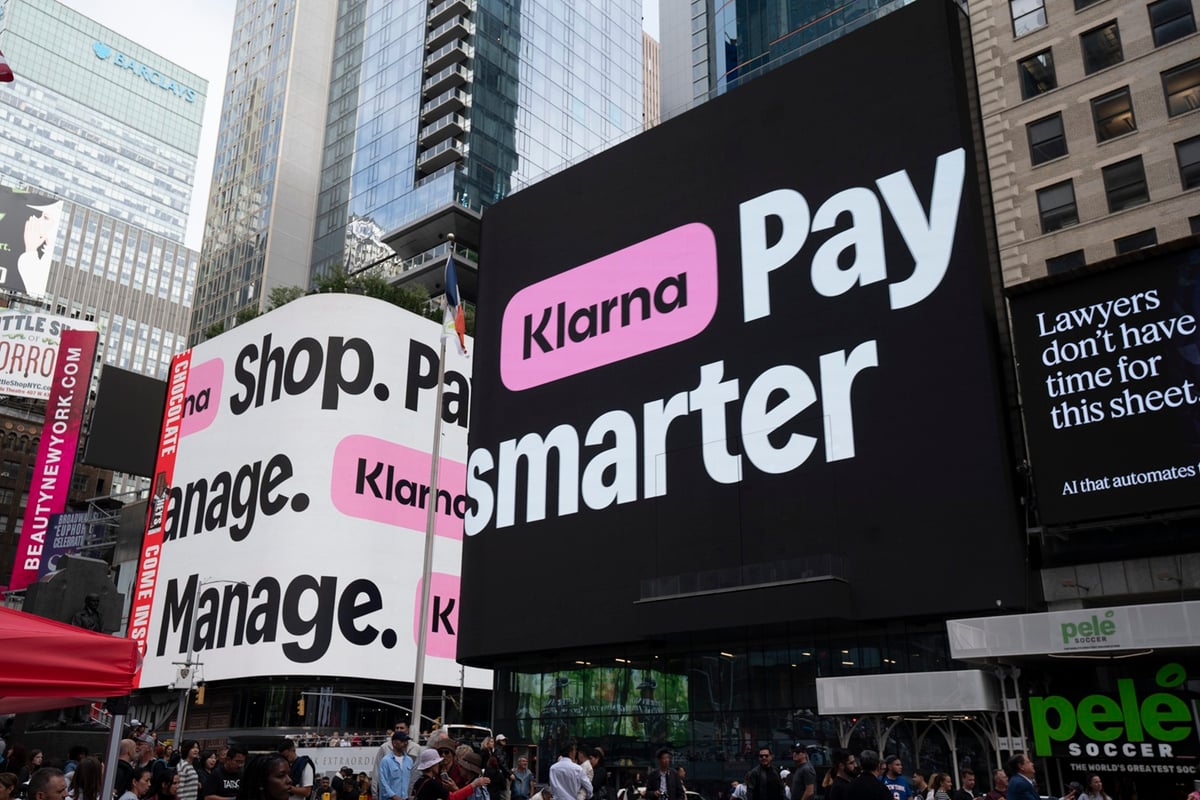
Klarna's Stock Plummets Post-IPO Amid Market Concerns


- Poor IPO Performance: Klarna's stock has plummeted 62% from its first-day closing price last September, indicating investor concerns about its future growth, although the current lower price may attract buyers.
- Strong User Growth: With over 119 million active consumers across 26 countries and processing 3.4 million transactions daily, Klarna maintains its leadership in the buy now, pay later market, despite risks associated with declining consumer spending.
- Improved Financials: In the first quarter, Klarna's revenue surged 44% year-over-year, with adjusted operating income rising from $3 million to $68 million, and net income flipping from a $99 million loss to a $1 million profit, showcasing significant progress in diversifying revenue streams.
- Market Share Gains: By forging new partnerships with JPMorgan and Worldpay, Klarna is capturing market share from competitors like Affirm and PayPal, further solidifying its position in the rapidly growing BNPL sector.
See More

Klarna Reports Strong Q1 Growth Amid Product Diversification
- Product Diversification: Klarna has successfully expanded its market reach by launching new products and partnering with JPMorgan Payments and Worldpay, with its Fair Financing product's GMV increasing by 138% year-over-year in Q1, indicating strong market demand and profit potential.
- Significant User Growth: With over 119 million active consumers across 26 countries and processing more than 3.4 million transactions daily, Klarna solidifies its leadership position in the buy now, pay later market, further enhancing its market share.
- Improved Profitability: Despite being unprofitable since its IPO, Klarna reported a net profit in Q1, reflecting the resilience of its business model, particularly as consumer spending faces pressure, showcasing the necessity and appeal of its products.
- Competitive Market Advantage: Klarna's price-to-sales ratio is lower than that of its competitors, especially compared to PayPal, enhancing its competitiveness in the buy now, pay later sector; although its stock is down 48% year-to-date, its diversification strategy lays a solid foundation for future growth.
See More

Berkshire Hathaway Increases Holdings in Seven Stocks


- Increased Google Holdings: Berkshire Hathaway boosted its stake in Alphabet's Class A shares by 204% in Q1, reflecting strong confidence in the tech giant's future growth potential and solidifying its importance in the investment portfolio.
- New Investment Highlight: Under CEO Abel's leadership, Berkshire initiated a purchase of 39.8 million shares of Delta Air Lines, valued at $2.6 billion, making it the largest new holding, indicating optimism about the airline industry's recovery.
- Digital Success of NYT: Berkshire significantly increased its stake in The New York Times Company in Q1, driven by a 24.9% year-over-year growth in digital advertising revenue reported in Q4 2025, showcasing the success of its digital transformation and enhancing the attractiveness of the investment.
- Diversified Investment Strategy: Berkshire also initiated a new position in Alphabet's Class C shares in Q1, demonstrating a long-term bullish outlook on the company's prospects in AI and cloud computing, despite its relatively high valuation, indicating substantial future growth potential.
See More
Berkshire's First Investment in Macy's in 60 Years
- Berkshire's Investment: Berkshire Hathaway's $55 million investment in Macy's marks its first public department store investment since 1966, indicating a renewed interest in the retail sector that could attract more investor attention.
- Stock Price Movement: Macy's stock has pulled back from highs above $23 and is currently hovering near the lower half of a symmetrical triangle pattern, with the white ascending trendline serving as a key near-term support area, where a break could undermine market confidence.
- Technical Analysis: The longer-term orange ascending trendline has been building since mid-2025, and a breach below both trendlines may shift investor focus toward lower support zones, increasing market uncertainty.
- Market Sentiment: Despite a rally in Macy's stock following Berkshire's investment, consumer sentiment remains at record lows, indicating challenges in the retail market and suggesting that future growth potential should be assessed with caution.
See More
Warren Buffett Steps Down as CEO, Berkshire Adjusts Portfolio
- Buffett's Transition: Warren Buffett will step down as CEO of Berkshire Hathaway at the end of 2025 while remaining chairman, with Greg Abel taking over as CEO, indicating a smooth leadership transition and continued strategic involvement in investment decisions.
- Exit from Amazon: As of March 31, Berkshire Hathaway has completely exited its Amazon holdings, reducing its stake from 10 million shares in September 2025 to under 2.3 million, reflecting a significant shift in the company's investment strategy towards tech stocks.
- Acquisition of Macy's: In the first quarter, Berkshire Hathaway purchased nearly 1.7 million shares of Macy's valued at $30.1 million, marking a strategic entry into the retail sector and indicating a reassessment of investment opportunities in consumer goods.
- Positive Outlook for Macy's: Despite a 16.5% drop in Macy's stock this year, its P/E ratio has fallen from 13 to 8, making it an attractive investment for Berkshire, which reflects confidence in the retailer's potential for future sales growth amidst broader economic challenges.
See More
Abel's First Quarter: New Investment Directions for Berkshire Hathaway
- Portfolio Overhaul: Under Abel's leadership, Berkshire Hathaway exited 15 positions in Q1, adding Delta Air Lines and Macy's, indicating a keen responsiveness to market changes while maintaining Buffett's overall investment strategy.
- Delta Air Lines Return: Abel's re-entry into Delta suggests optimism about travel recovery, although the stock is not trading significantly below historical averages, reflecting confidence in the airline industry's rebound.
- Alphabet Stake Increase: Berkshire added approximately 40 million shares of Alphabet worth around $11 billion in Q1, making it the fifth-largest position in the portfolio, showcasing a continued bullish outlook on tech stocks, particularly during market pullbacks.
- Core Holdings Stability: Despite significant adjustments, Abel retained core holdings like Apple, American Express, and Coca-Cola, demonstrating steadfast confidence in these high-conviction stocks and ensuring the continuity of Berkshire's investment philosophy.
See More
Klarna's Stock Plummets Post-IPO Amid Market Concerns
- Poor IPO Performance: Klarna's stock has plummeted 62% from its first-day closing price last September, indicating investor concerns about its future growth, although the current lower price may attract buyers.
- Strong User Growth: With over 119 million active consumers across 26 countries and processing 3.4 million transactions daily, Klarna maintains its leadership in the buy now, pay later market, despite risks associated with declining consumer spending.
- Improved Financials: In the first quarter, Klarna's revenue surged 44% year-over-year, with adjusted operating income rising from $3 million to $68 million, and net income flipping from a $99 million loss to a $1 million profit, showcasing significant progress in diversifying revenue streams.
- Market Share Gains: By forging new partnerships with JPMorgan and Worldpay, Klarna is capturing market share from competitors like Affirm and PayPal, further solidifying its position in the rapidly growing BNPL sector.
See More
Klarna Reports Strong Q1 Growth Amid Product Diversification
- Product Diversification: Klarna has successfully expanded its market reach by launching new products and partnering with JPMorgan Payments and Worldpay, with its Fair Financing product's GMV increasing by 138% year-over-year in Q1, indicating strong market demand and profit potential.
- Significant User Growth: With over 119 million active consumers across 26 countries and processing more than 3.4 million transactions daily, Klarna solidifies its leadership position in the buy now, pay later market, further enhancing its market share.
- Improved Profitability: Despite being unprofitable since its IPO, Klarna reported a net profit in Q1, reflecting the resilience of its business model, particularly as consumer spending faces pressure, showcasing the necessity and appeal of its products.
- Competitive Market Advantage: Klarna's price-to-sales ratio is lower than that of its competitors, especially compared to PayPal, enhancing its competitiveness in the buy now, pay later sector; although its stock is down 48% year-to-date, its diversification strategy lays a solid foundation for future growth.
See More
Berkshire Hathaway Increases Holdings in Seven Stocks
- Increased Google Holdings: Berkshire Hathaway boosted its stake in Alphabet's Class A shares by 204% in Q1, reflecting strong confidence in the tech giant's future growth potential and solidifying its importance in the investment portfolio.
- New Investment Highlight: Under CEO Abel's leadership, Berkshire initiated a purchase of 39.8 million shares of Delta Air Lines, valued at $2.6 billion, making it the largest new holding, indicating optimism about the airline industry's recovery.
- Digital Success of NYT: Berkshire significantly increased its stake in The New York Times Company in Q1, driven by a 24.9% year-over-year growth in digital advertising revenue reported in Q4 2025, showcasing the success of its digital transformation and enhancing the attractiveness of the investment.
- Diversified Investment Strategy: Berkshire also initiated a new position in Alphabet's Class C shares in Q1, demonstrating a long-term bullish outlook on the company's prospects in AI and cloud computing, despite its relatively high valuation, indicating substantial future growth potential.
See More