Rocket Lab Breaks U.S. Space Force Launch Record with Victus Haze Mission
Written by Emily J. Thompson, Senior Investment Analyst
Updated: 55 minutes ago
0mins
Source: stocktwits
- Launch Speed Innovation: Rocket Lab successfully launched the Victus Haze mission in just 16 hours and 42 minutes after receiving the official Notice to Launch, breaking a U.S. Space Force record, which highlights its significant improvement in rapid response capability, although shares fell 3% post-announcement.
- Mission Preparation Efficiency: The company's team completed trajectory calculations, flight software updates, and ground station coordination in just four hours before launch, demonstrating high execution efficiency in complex missions and further solidifying its market position in rapid-response space operations.
- Pioneer Spacecraft Performance: The Pioneer spacecraft was fully prepared in 37 hours and 36 minutes, exceeding the strict 72-hour deadline, indicating Rocket Lab's technological advantage in rapid spacecraft deployment and enhancing its strategic importance in national defense.
- Market Sentiment Decline: Despite Rocket Lab's stock surging 234% over the past year, RKLB shares dropped over 6% on Monday due to broader negative sentiment in the space sector, reflecting investor pessimism towards space stocks overall.
Trade with 70% Backtested Accuracy
Stop guessing "Should I Buy RKLB?" and start using high-conviction signals backed by rigorous historical data.
Sign up today to access powerful investing tools and make smarter, data-driven decisions.
Analyst Views on RKLB
Wall Street analysts forecast RKLB stock price to fall
11 Analyst Rating
7 Buy
4 Hold
0 Sell
Moderate Buy
Current: 107.240

Low
63.00
Averages
86.89
High
120.00
Current: 107.240
Low
63.00
Averages
86.89
High
120.00
About RKLB
Rocket Lab Corporation is an end-to-end space company. The Company designs and manufactures small and medium-class rockets, spacecraft and spacecraft components, and related software and services to support the space economy. The Company delivers reliable launch services, satellite manufacture, spacecraft design services, spacecraft components, spacecraft manufacturing, and other spacecraft and on-orbit management solutions that make it easier to access space. Its Launch Services segment provides launch and launch-related services to customers on a dedicated mission or ride-share basis. Its Space Systems segment comprises the design and manufacture of spacecraft components and spacecraft program management services, space data applications, and mission operations. Its space systems solutions are the building blocks for spacecraft, which include composite structures, reaction wheels, star trackers, solar solutions, radios, separation systems, and command and control spacecraft software.
About the author

Emily J. Thompson
Emily J. Thompson, a Chartered Financial Analyst (CFA) with 12 years in investment research, graduated with honors from the Wharton School. Specializing in industrial and technology stocks, she provides in-depth analysis for Intellectia’s earnings and market brief reports.
Rocket Lab Stock Drops 6.6% Despite Rapid Revenue Growth

- Rapid Revenue Growth: Rocket Lab's revenue has approached $680 million over the past 12 months, and despite a 6.6% drop in stock price following SpaceX's IPO, the company continues to demonstrate significant market potential through its growth trajectory.
- Strategic Importance of Neutron: The Neutron rocket is expected to launch by year-end, capable of carrying heavier payloads at a lower cost than SpaceX's Falcon 9, which could unlock new contract opportunities and enhance Rocket Lab's competitive positioning in the market.
- Valuation Challenges: With a price-to-sales ratio of 100, Rocket Lab is not cheap, although it is slightly more favorable compared to SpaceX's 130 times sales; this reflects the high-risk nature of the investment, necessitating careful consideration by investors.
- Competitive Market Pressure: While Rocket Lab shows strong revenue growth, it faces immense competitive pressure from SpaceX's dominant market position, and future success will heavily depend on the successful launch and market acceptance of the Neutron rocket.
See More
Rocket Lab Breaks U.S. Space Force Launch Record with Victus Haze Mission

- Launch Speed Innovation: Rocket Lab successfully launched the Victus Haze mission in just 16 hours and 42 minutes after receiving the official Notice to Launch, breaking a U.S. Space Force record, which highlights its significant improvement in rapid response capability, although shares fell 3% post-announcement.
- Mission Preparation Efficiency: The company's team completed trajectory calculations, flight software updates, and ground station coordination in just four hours before launch, demonstrating high execution efficiency in complex missions and further solidifying its market position in rapid-response space operations.
- Pioneer Spacecraft Performance: The Pioneer spacecraft was fully prepared in 37 hours and 36 minutes, exceeding the strict 72-hour deadline, indicating Rocket Lab's technological advantage in rapid spacecraft deployment and enhancing its strategic importance in national defense.
- Market Sentiment Decline: Despite Rocket Lab's stock surging 234% over the past year, RKLB shares dropped over 6% on Monday due to broader negative sentiment in the space sector, reflecting investor pessimism towards space stocks overall.
See More

SpaceX IPO Surge and Investment Opportunities

- IPO Popularity: SpaceX's IPO has emerged as one of the hottest events on the financial calendar this year, with an initial price of $135, and many retail investors unable to secure their desired shares, highlighting strong market interest and demand for space exploration.
- ETF Investment Opportunities: Investors can gain indirect exposure to SpaceX by purchasing ETFs that include the company, such as the ARK Space & Defense Innovation ETF (ARKX), which allocates 9.4% to SpaceX; despite a 0.75% expense ratio, it has generated over 65% returns in the past year, indicating significant investment potential.
- Supplier Investment Potential: Major suppliers to SpaceX, like Redwire and Filtronic, are likely to benefit from the company's substantial funding and increased demand, with Redwire focusing on space infrastructure construction, which is expected to drive its stock price higher.
- Long-Term Investment Perspective: Investors should consider their long-term allocation to SpaceX within their portfolios, as companies like Alphabet hold a 6% stake in SpaceX, reflecting confidence from large tech firms in its future growth, and it is advisable to monitor its performance over the next 5 to 25 years.
See More

SpaceX IPO Sparks Supplier Demand Surge

- Surge in Supplier Demand: SpaceX's upcoming spending spree is expected to benefit its main suppliers like Redwire, which focuses on building space infrastructure, particularly solar panels, potentially leading to a surge in demand and driving business growth.
- Portfolio Allocation Advice: Investors should consider the long-term potential of SpaceX when allocating their portfolios, especially as its stock is likely to attract more attention once it enters broader indexes like the Nasdaq-100.
- ETF Investment Opportunities: The ARK Space & Defense Innovation ETF holds 9.4% of SpaceX, and despite a 0.75% expense ratio, it has generated over 65% returns in the past year, highlighting its investment value in innovation and new technologies.
- Market Volatility Analysis: The post-IPO period for SpaceX is expected to be more volatile than that of other newly listed companies due to untapped space potential and technological uncertainties, necessitating careful risk-reward assessments by investors.
See More
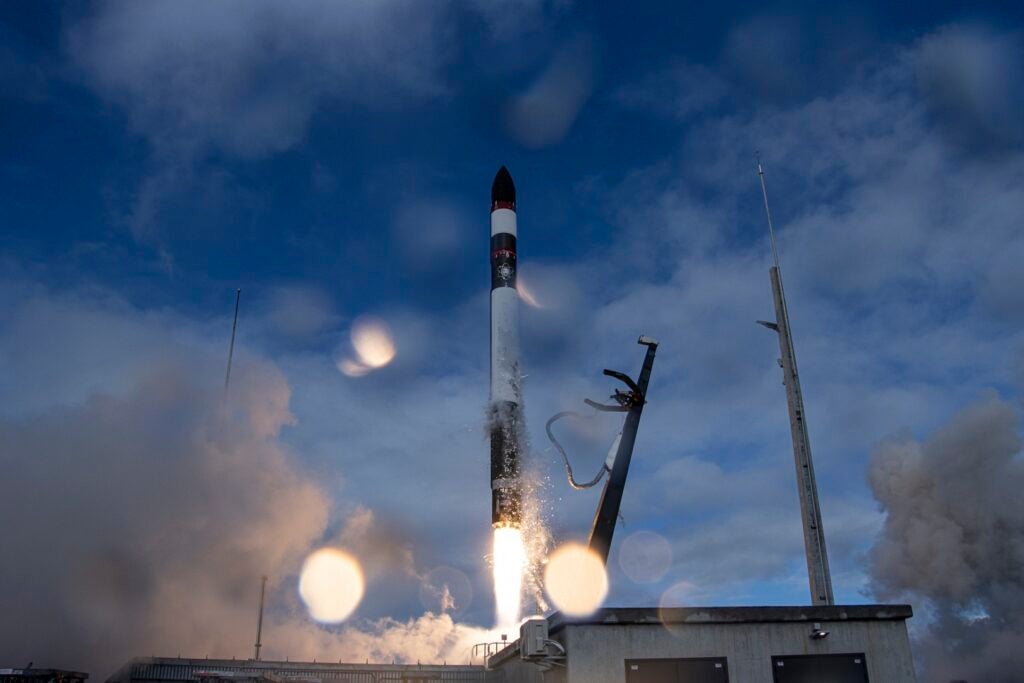
Rocket Lab Successfully Launches Electron Rocket for U.S. Space Force
- Rapid Response Launch: Rocket Lab successfully launched its Electron rocket and deployed the Pioneer spacecraft in under 17 hours after receiving the order, setting a new record for rapid-response space missions, although the stock fell approximately 6%, indicating market concerns about its short-term performance.
- Complete Mission Package Delivery: The company became the first contractor to deliver a complete TacRS mission package, including spacecraft design, manufacturing, launch, and on-orbit operations, showcasing its strong in-house capabilities and further solidifying its leadership in space and defense services.
- Execution Efficiency: The Pioneer spacecraft was fully activated in 37 hours and 36 minutes, well ahead of the 72-hour mission target, demonstrating Rocket Lab's exceptional rapid deployment and response capabilities, enhancing its operational capacity in low Earth orbit.
- Strengthened Market Position: The success of this mission not only highlights Rocket Lab's technical prowess but also strengthens its position as a leading provider of fast and reliable space and defense services for the U.S. and its allies, despite facing stock price volatility challenges.
See More
Rocket Lab Successfully Launches Electron Rocket
- Successful Launch: Rocket Lab successfully launched its Electron rocket on Monday, marking a significant advancement in the small satellite launch market and enhancing its competitive position in the aerospace industry.
- Technology Upgrade: The launch also deployed the PioPREMIUM upgrade, indicating Rocket Lab's ongoing efforts to enhance its launch capabilities and service quality to meet the growing market demand.
- Market Positioning: This successful launch further solidifies Rocket Lab's market position in the small satellite launch sector, which is expected to attract more customers and drive future business growth.
- Strategic Implications: The launch not only showcases the company's technical prowess but also lays the groundwork for future missions, potentially attracting investor interest and increasing the overall valuation of the company.
See More
Rocket Lab Stock Drops 6.6% Despite Rapid Revenue Growth
- Rapid Revenue Growth: Rocket Lab's revenue has approached $680 million over the past 12 months, and despite a 6.6% drop in stock price following SpaceX's IPO, the company continues to demonstrate significant market potential through its growth trajectory.
- Strategic Importance of Neutron: The Neutron rocket is expected to launch by year-end, capable of carrying heavier payloads at a lower cost than SpaceX's Falcon 9, which could unlock new contract opportunities and enhance Rocket Lab's competitive positioning in the market.
- Valuation Challenges: With a price-to-sales ratio of 100, Rocket Lab is not cheap, although it is slightly more favorable compared to SpaceX's 130 times sales; this reflects the high-risk nature of the investment, necessitating careful consideration by investors.
- Competitive Market Pressure: While Rocket Lab shows strong revenue growth, it faces immense competitive pressure from SpaceX's dominant market position, and future success will heavily depend on the successful launch and market acceptance of the Neutron rocket.
See More
Rocket Lab Breaks U.S. Space Force Launch Record with Victus Haze Mission
- Launch Speed Innovation: Rocket Lab successfully launched the Victus Haze mission in just 16 hours and 42 minutes after receiving the official Notice to Launch, breaking a U.S. Space Force record, which highlights its significant improvement in rapid response capability, although shares fell 3% post-announcement.
- Mission Preparation Efficiency: The company's team completed trajectory calculations, flight software updates, and ground station coordination in just four hours before launch, demonstrating high execution efficiency in complex missions and further solidifying its market position in rapid-response space operations.
- Pioneer Spacecraft Performance: The Pioneer spacecraft was fully prepared in 37 hours and 36 minutes, exceeding the strict 72-hour deadline, indicating Rocket Lab's technological advantage in rapid spacecraft deployment and enhancing its strategic importance in national defense.
- Market Sentiment Decline: Despite Rocket Lab's stock surging 234% over the past year, RKLB shares dropped over 6% on Monday due to broader negative sentiment in the space sector, reflecting investor pessimism towards space stocks overall.
See More
SpaceX IPO Surge and Investment Opportunities
- IPO Popularity: SpaceX's IPO has emerged as one of the hottest events on the financial calendar this year, with an initial price of $135, and many retail investors unable to secure their desired shares, highlighting strong market interest and demand for space exploration.
- ETF Investment Opportunities: Investors can gain indirect exposure to SpaceX by purchasing ETFs that include the company, such as the ARK Space & Defense Innovation ETF (ARKX), which allocates 9.4% to SpaceX; despite a 0.75% expense ratio, it has generated over 65% returns in the past year, indicating significant investment potential.
- Supplier Investment Potential: Major suppliers to SpaceX, like Redwire and Filtronic, are likely to benefit from the company's substantial funding and increased demand, with Redwire focusing on space infrastructure construction, which is expected to drive its stock price higher.
- Long-Term Investment Perspective: Investors should consider their long-term allocation to SpaceX within their portfolios, as companies like Alphabet hold a 6% stake in SpaceX, reflecting confidence from large tech firms in its future growth, and it is advisable to monitor its performance over the next 5 to 25 years.
See More
SpaceX IPO Sparks Supplier Demand Surge
- Surge in Supplier Demand: SpaceX's upcoming spending spree is expected to benefit its main suppliers like Redwire, which focuses on building space infrastructure, particularly solar panels, potentially leading to a surge in demand and driving business growth.
- Portfolio Allocation Advice: Investors should consider the long-term potential of SpaceX when allocating their portfolios, especially as its stock is likely to attract more attention once it enters broader indexes like the Nasdaq-100.
- ETF Investment Opportunities: The ARK Space & Defense Innovation ETF holds 9.4% of SpaceX, and despite a 0.75% expense ratio, it has generated over 65% returns in the past year, highlighting its investment value in innovation and new technologies.
- Market Volatility Analysis: The post-IPO period for SpaceX is expected to be more volatile than that of other newly listed companies due to untapped space potential and technological uncertainties, necessitating careful risk-reward assessments by investors.
See More
Rocket Lab Successfully Launches Electron Rocket for U.S. Space Force
- Rapid Response Launch: Rocket Lab successfully launched its Electron rocket and deployed the Pioneer spacecraft in under 17 hours after receiving the order, setting a new record for rapid-response space missions, although the stock fell approximately 6%, indicating market concerns about its short-term performance.
- Complete Mission Package Delivery: The company became the first contractor to deliver a complete TacRS mission package, including spacecraft design, manufacturing, launch, and on-orbit operations, showcasing its strong in-house capabilities and further solidifying its leadership in space and defense services.
- Execution Efficiency: The Pioneer spacecraft was fully activated in 37 hours and 36 minutes, well ahead of the 72-hour mission target, demonstrating Rocket Lab's exceptional rapid deployment and response capabilities, enhancing its operational capacity in low Earth orbit.
- Strengthened Market Position: The success of this mission not only highlights Rocket Lab's technical prowess but also strengthens its position as a leading provider of fast and reliable space and defense services for the U.S. and its allies, despite facing stock price volatility challenges.
See More
Rocket Lab Successfully Launches Electron Rocket
- Successful Launch: Rocket Lab successfully launched its Electron rocket on Monday, marking a significant advancement in the small satellite launch market and enhancing its competitive position in the aerospace industry.
- Technology Upgrade: The launch also deployed the PioPREMIUM upgrade, indicating Rocket Lab's ongoing efforts to enhance its launch capabilities and service quality to meet the growing market demand.
- Market Positioning: This successful launch further solidifies Rocket Lab's market position in the small satellite launch sector, which is expected to attract more customers and drive future business growth.
- Strategic Implications: The launch not only showcases the company's technical prowess but also lays the groundwork for future missions, potentially attracting investor interest and increasing the overall valuation of the company.
See More