

Polestar Powers Forward: Margin Turns Positive, Losses Shrink in Q1
Written by Emily J. Thompson, Senior Investment Analyst
Updated: May 12 2025
0mins

Source: Benzinga
Financial Performance: Polestar Automotive reported a significant first-quarter revenue increase of 84.2% year-over-year to $608 million, driven by higher retail sales and improved product mix, despite a net loss reduction from $276 million to $190 million.
Market Position and Outlook: CEO Michael Lohscheller emphasized the company's growth in car sales and margins, highlighting a positive gross margin of 7%, while acknowledging challenges in the geopolitical environment and market conditions.
Trade with 70% Backtested Accuracy
Stop guessing "Should I Buy PSNY?" and start using high-conviction signals backed by rigorous historical data.
Sign up today to access powerful investing tools and make smarter, data-driven decisions.
Analyst Views on PSNY
About PSNY
POLESTAR AUTOMOTIVE HOLDING UK PLC (Polestar) is a Swedish-based electric vehicle manufacturer. Company's portfolio includes Polestar 1, Polestar 2, Polestar 3, Polestar 4 and Polestar 5. Polestar products are currently available on markets across Europe, North America, China and Asia Pacific. Polestar cars are currently manufactured in two facilities in China. Polestar produces electric cars to reduce gas emmisions and develop new technologies to further minimize the carbon footprint.
About the author

Emily J. Thompson
Emily J. Thompson, a Chartered Financial Analyst (CFA) with 12 years in investment research, graduated with honors from the Wharton School. Specializing in industrial and technology stocks, she provides in-depth analysis for Intellectia’s earnings and market brief reports.
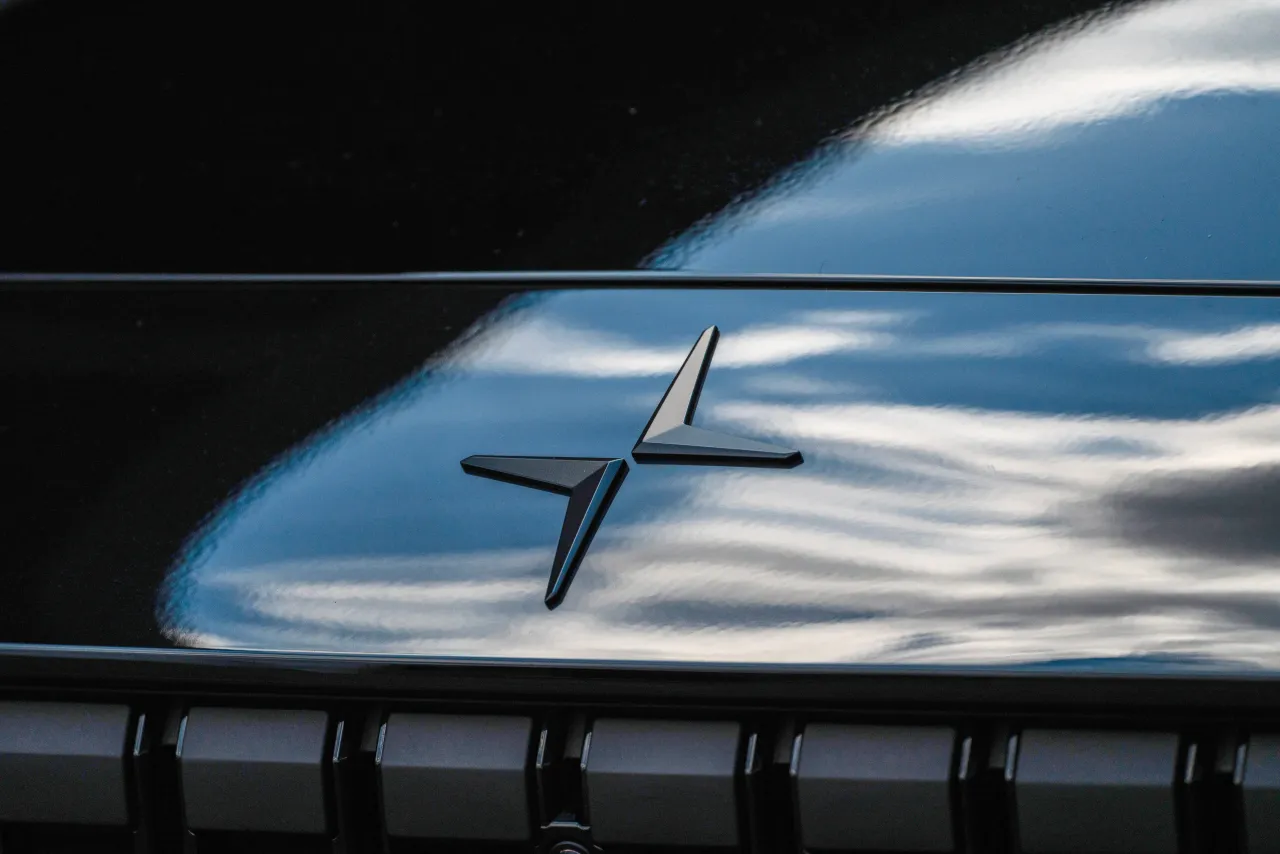
Polestar 4 SUV to be Manufactured in South Korea

- New Model Launch: Polestar has confirmed the manufacturing of the Polestar 4 SUV in Busan, South Korea, aiming to leverage its market success, which is expected to further enhance sales and brand influence.
- Sales Growth: As of Q1, Polestar reported a 7% increase in sales, with 13,126 cars sold, indicating that the Polestar 4 series significantly contributes to the company's profitability and diversifies its product mix.
- Technical Specifications: The new SUV will feature a 400-volt battery architecture, with the long-range single-motor rear-wheel-drive variant offering up to 630 kilometers of range and the dual-motor variant delivering up to 544 horsepower, maintaining performance similar to the earlier coupé version.
- Market Reaction: Although PSNY shares experienced a slight decline in U.S. trading, retail sentiment on Stocktwits remains bullish, reflecting investor anticipation and confidence in the new model.
See More
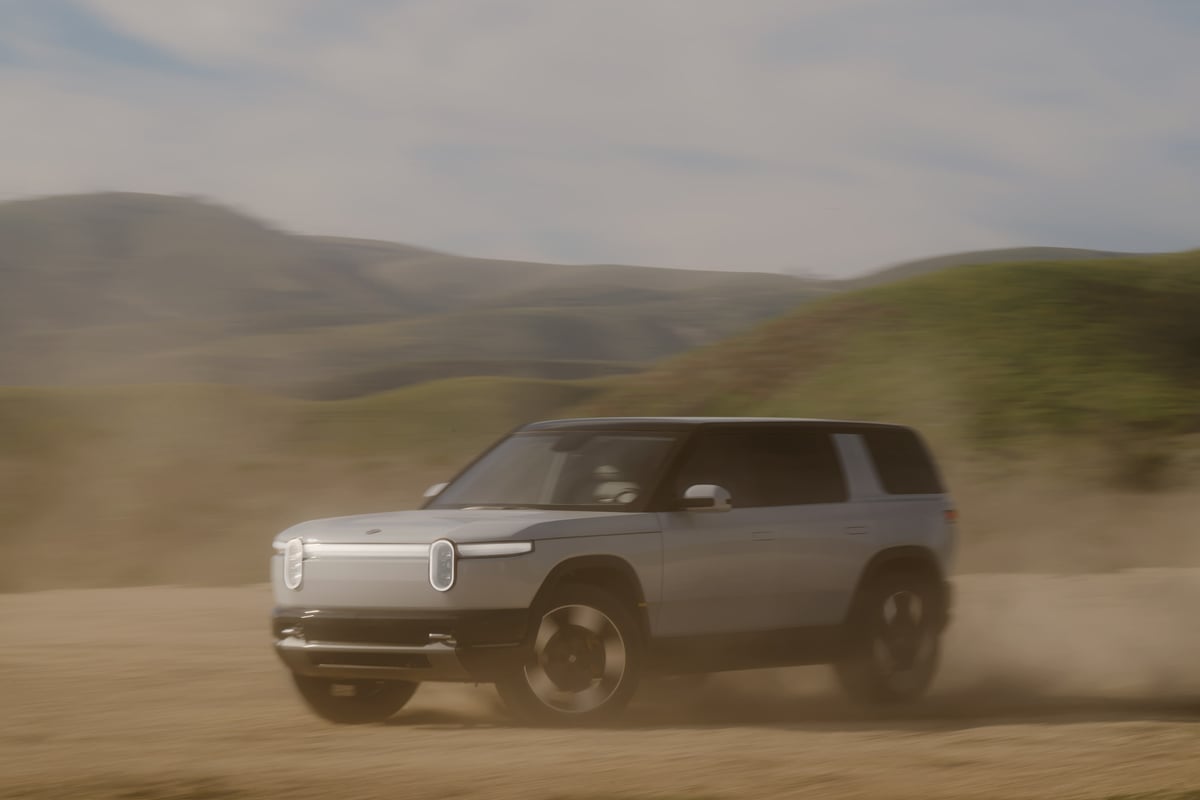
Polestar Banned from U.S. Market, Investors Face Grim Outlook

- U.S. Sales Ban: Polestar has officially announced that the Trump administration is barring its EVs from U.S. sales due to prohibited Chinese technology, which is expected to significantly impact future growth, particularly for investors hoping to expand in the U.S. market.
- Sales Dependence on Europe: While U.S. sales account for only 6%, Europe remains Polestar's primary growth engine, generating approximately 78% of first-quarter sales, highlighting the company's reliance on global markets.
- Dealer Dilemma: The 32 Polestar dealerships in the U.S. will primarily serve existing customers for service and repairs, undermining investor confidence in future growth, especially as U.S. EV sales are expected to continue rising.
- Rising Competitors: Rivian has achieved gross profitability due to its joint venture with Volkswagen, emerging as a new option for young EV investors, further intensifying market pressure on Polestar.
See More

Polestar Vehicles Banned from U.S. Market Starting Next Model Year
- U.S. Sales Ban: Polestar has announced that its electric vehicles will be banned from the U.S. market starting next model year due to prohibited Chinese connected technology, which poses a significant setback for potential growth, particularly for investors looking to expand in the U.S. market.
- European Sales Dominance: Despite the U.S. ban, Polestar's sales remain strong in Europe, with approximately 78% of first-quarter sales coming from Europe compared to a mere 6% from the U.S., indicating that the company can still rely on growth potential in European markets.
- Dealer Impact: The 32 Polestar dealerships in the U.S. will primarily serve existing customers for service and repairs, which not only affects future growth potential but also leaves investors uneasy about the company's outlook, especially as U.S. EV sales are expected to continue gaining momentum.
- Rising Competitors: As geopolitical challenges mount for Polestar, Rivian is becoming a more attractive option due to its joint venture with Volkswagen, achieving gross profitability and ramping up production of its more competitive R2 electric SUV, appealing to investors interested in young EV stocks.
See More

Polestar Faces Ban on New Model Sales in the U.S.

- Sales Ban Impact: Polestar has been denied authorization to sell new models in the U.S. starting with the 2027 model year due to federal regulations based on national security concerns, which could jeopardize the brand's long-term viability in the American market.
- Dealer Dilemma: The ban has shocked Polestar dealers, particularly given the contrasting treatment with its sister brand Volvo, potentially affecting their business operations and future sales strategies as they now rely on servicing existing models.
- Consumer Concerns: Owners express worries about the continuity of warranty and software updates, especially with the potential limitations on the brand's service network, which undermines their confidence in future purchases.
- Market Reaction: While some consumers are hopeful for lower resale prices, the overall market sentiment towards Polestar's future remains cautious, which may damage the brand's reputation and customer loyalty.
See More

Polestar Automotive Denied US Sales Authorization for Future Models
- US Sales Ban Impact: Polestar Automotive has been denied authorization to sell future models in the US, potentially jeopardizing about $250 million in 2027 revenue, which represents approximately 5% of group sales, thus accelerating the company's pivot towards the European market to mitigate challenges.
- Existing Inventory Sales: Despite the new regulations, Polestar will continue to sell its existing Polestar 3 and Polestar 4 vehicles while servicing current customers, ensuring revenue stability in the short term.
- Market Focus Shift: Polestar noted that Europe already accounts for nearly 80% of its sales, with 94% of first-quarter deliveries coming from markets outside the US, highlighting the strategic significance of its shift towards the European market.
- Investment and Confidence: CEO Lohscheller emphasized ongoing investments in markets with growth opportunities, while Geely expressed confidence in Polestar's management and board as they explore feasible ways to serve customers globally.
See More

Polestar Shifts Focus to Europe, Abandoning New Vehicle Sales in U.S.
- U.S. Market Restrictions: Polestar has been denied authorization by the U.S. Department of Commerce to sell new vehicles from model year 2027 onward, resulting in a 13% drop in its stock price on Thursday, which will limit its expansion capabilities in the U.S. market and impact future revenue growth.
- Strategic Shift: The company has stated it will sharpen its strategic focus on the European market, which already accounts for nearly 80% of its global retail sales, indicating a concentration of resources to enhance market share in this region.
- New Model Production Plans: Polestar plans to manufacture the upcoming Polestar 7 compact SUV at Volvo's new factory in Kosice, Slovakia, demonstrating its commitment to localized production in Europe to meet regional market demands.
- Investment in Other Growth Regions: In addition to Europe, Polestar intends to invest in other growth regions, including Southeast Asia, Eastern Europe, Latin America, and Canada, aiming to diversify its market presence to offset losses in the U.S. market.
See More
Polestar 4 SUV to be Manufactured in South Korea
- New Model Launch: Polestar has confirmed the manufacturing of the Polestar 4 SUV in Busan, South Korea, aiming to leverage its market success, which is expected to further enhance sales and brand influence.
- Sales Growth: As of Q1, Polestar reported a 7% increase in sales, with 13,126 cars sold, indicating that the Polestar 4 series significantly contributes to the company's profitability and diversifies its product mix.
- Technical Specifications: The new SUV will feature a 400-volt battery architecture, with the long-range single-motor rear-wheel-drive variant offering up to 630 kilometers of range and the dual-motor variant delivering up to 544 horsepower, maintaining performance similar to the earlier coupé version.
- Market Reaction: Although PSNY shares experienced a slight decline in U.S. trading, retail sentiment on Stocktwits remains bullish, reflecting investor anticipation and confidence in the new model.
See More
Polestar Banned from U.S. Market, Investors Face Grim Outlook
- U.S. Sales Ban: Polestar has officially announced that the Trump administration is barring its EVs from U.S. sales due to prohibited Chinese technology, which is expected to significantly impact future growth, particularly for investors hoping to expand in the U.S. market.
- Sales Dependence on Europe: While U.S. sales account for only 6%, Europe remains Polestar's primary growth engine, generating approximately 78% of first-quarter sales, highlighting the company's reliance on global markets.
- Dealer Dilemma: The 32 Polestar dealerships in the U.S. will primarily serve existing customers for service and repairs, undermining investor confidence in future growth, especially as U.S. EV sales are expected to continue rising.
- Rising Competitors: Rivian has achieved gross profitability due to its joint venture with Volkswagen, emerging as a new option for young EV investors, further intensifying market pressure on Polestar.
See More
Polestar Vehicles Banned from U.S. Market Starting Next Model Year
- U.S. Sales Ban: Polestar has announced that its electric vehicles will be banned from the U.S. market starting next model year due to prohibited Chinese connected technology, which poses a significant setback for potential growth, particularly for investors looking to expand in the U.S. market.
- European Sales Dominance: Despite the U.S. ban, Polestar's sales remain strong in Europe, with approximately 78% of first-quarter sales coming from Europe compared to a mere 6% from the U.S., indicating that the company can still rely on growth potential in European markets.
- Dealer Impact: The 32 Polestar dealerships in the U.S. will primarily serve existing customers for service and repairs, which not only affects future growth potential but also leaves investors uneasy about the company's outlook, especially as U.S. EV sales are expected to continue gaining momentum.
- Rising Competitors: As geopolitical challenges mount for Polestar, Rivian is becoming a more attractive option due to its joint venture with Volkswagen, achieving gross profitability and ramping up production of its more competitive R2 electric SUV, appealing to investors interested in young EV stocks.
See More
Polestar Faces Ban on New Model Sales in the U.S.
- Sales Ban Impact: Polestar has been denied authorization to sell new models in the U.S. starting with the 2027 model year due to federal regulations based on national security concerns, which could jeopardize the brand's long-term viability in the American market.
- Dealer Dilemma: The ban has shocked Polestar dealers, particularly given the contrasting treatment with its sister brand Volvo, potentially affecting their business operations and future sales strategies as they now rely on servicing existing models.
- Consumer Concerns: Owners express worries about the continuity of warranty and software updates, especially with the potential limitations on the brand's service network, which undermines their confidence in future purchases.
- Market Reaction: While some consumers are hopeful for lower resale prices, the overall market sentiment towards Polestar's future remains cautious, which may damage the brand's reputation and customer loyalty.
See More
Polestar Automotive Denied US Sales Authorization for Future Models
- US Sales Ban Impact: Polestar Automotive has been denied authorization to sell future models in the US, potentially jeopardizing about $250 million in 2027 revenue, which represents approximately 5% of group sales, thus accelerating the company's pivot towards the European market to mitigate challenges.
- Existing Inventory Sales: Despite the new regulations, Polestar will continue to sell its existing Polestar 3 and Polestar 4 vehicles while servicing current customers, ensuring revenue stability in the short term.
- Market Focus Shift: Polestar noted that Europe already accounts for nearly 80% of its sales, with 94% of first-quarter deliveries coming from markets outside the US, highlighting the strategic significance of its shift towards the European market.
- Investment and Confidence: CEO Lohscheller emphasized ongoing investments in markets with growth opportunities, while Geely expressed confidence in Polestar's management and board as they explore feasible ways to serve customers globally.
See More
Polestar Shifts Focus to Europe, Abandoning New Vehicle Sales in U.S.
- U.S. Market Restrictions: Polestar has been denied authorization by the U.S. Department of Commerce to sell new vehicles from model year 2027 onward, resulting in a 13% drop in its stock price on Thursday, which will limit its expansion capabilities in the U.S. market and impact future revenue growth.
- Strategic Shift: The company has stated it will sharpen its strategic focus on the European market, which already accounts for nearly 80% of its global retail sales, indicating a concentration of resources to enhance market share in this region.
- New Model Production Plans: Polestar plans to manufacture the upcoming Polestar 7 compact SUV at Volvo's new factory in Kosice, Slovakia, demonstrating its commitment to localized production in Europe to meet regional market demands.
- Investment in Other Growth Regions: In addition to Europe, Polestar intends to invest in other growth regions, including Southeast Asia, Eastern Europe, Latin America, and Canada, aiming to diversify its market presence to offset losses in the U.S. market.
See More





