Paramount Unlikely to Raise $30 Offer for WBD
Written by Emily J. Thompson, Senior Investment Analyst
Updated: Jan 28 2026
0mins

Should l Buy WBD?
Source: seekingalpha
- Stalled Acquisition Bid: According to a Variety report, Paramount Skydance and its financial backers, including billionaire Larry Ellison, are unwilling to raise their cash offer of $30 per share for Warner Bros. Discovery, resulting in a 0.4% decline in WBD's stock price.
- Hostile Takeover Progress: Last week, Paramount Skydance extended the tender offer deadline for its $108.4 billion hostile takeover of Warner Bros. Discovery to February 20, demonstrating its determination in the competitive landscape against Netflix.
- Market Reaction: Following the acquisition news, Netflix shares rose by 0.4%, while Paramount Skydance saw a slight increase of 0.2%, indicating market sensitivity to the evolving acquisition dynamics.
- Strategic Considerations: The acquisition pressure on Warner Bros. Discovery has prompted market analysts to contemplate exit strategies, highlighting the company's vulnerability and uncertainty in the current competitive environment.
Trade with 70% Backtested Accuracy
Stop guessing "Should I Buy WBD?" and start using high-conviction signals backed by rigorous historical data.
Sign up today to access powerful investing tools and make smarter, data-driven decisions.
Analyst Views on WBD
Wall Street analysts forecast WBD stock price to fall
14 Analyst Rating
5 Buy
9 Hold
0 Sell
Moderate Buy
Current: 27.490

Low
14.75
Averages
24.98
High
30.00
Current: 27.490
Low
14.75
Averages
24.98
High
30.00
About WBD
Warner Bros. Discovery, Inc. is a global media and entertainment company that creates and distributes a portfolio of branded content across television, film, streaming and gaming. The Company's segments include Streaming, Studios and Global Linear Networks. The streaming segment primarily consists of its premium pay-television and streaming services. The studios segment primarily consists of the production and release of feature films for initial exhibition in theaters, production and initial licensing of television programs to third parties and its networks/streaming services, distribution of its films and television programs to various third party and internal television and streaming services, distribution through the home entertainment market (physical and digital), related consumer products and themed experience licensing, and interactive gaming. The Global Linear Networks segment primarily consists of its domestic and international television networks.
About the author

Emily J. Thompson
Emily J. Thompson, a Chartered Financial Analyst (CFA) with 12 years in investment research, graduated with honors from the Wharton School. Specializing in industrial and technology stocks, she provides in-depth analysis for Intellectia’s earnings and market brief reports.

Netflix Raises Prices Again: Implications for Investors


- Price Increase Impact: Netflix has raised prices across all subscription options by $1 to $2, which may not please consumers; however, the company typically retains low churn rates, and this price hike is expected to have a slightly positive impact on financial results.
- Market Competition Strategy: By introducing a low-cost ad-supported tier and charging for password sharing, Netflix has effectively adapted to a competitive landscape, enhancing user growth and revenue, demonstrating its pricing power and market adaptability.
- Content Investment Plans: The company plans to spend $20 billion on content, up from $18 billion last year; while the price hike may not be necessary to cover this increased budget, it could support expansion into new areas like livestreaming and video podcasts.
- User Base and Brand Advantage: With over 325 million paid subscribers expected by the end of 2025, Netflix's strong brand and content library provide an economic moat, allowing it to maintain a competitive edge in the streaming market, making its stock a favorable option for long-term investors.
See More

Netflix Raises Subscription Prices, Potential Revenue Boost Ahead
- Price Increase Impact: Netflix is raising prices across all subscription tiers by $1 to $2, which, while not favorable for consumers, is expected to result in a slight revenue boost, showcasing the company's pricing power in a competitive streaming market.
- User Retention Strategy: Historically, Netflix has managed to retain most of its existing customers while attracting new ones despite price hikes, demonstrating its strong brand equity and extensive content library, a strategy that has proven effective during previous adjustments.
- Content Investment Plans: The company plans to spend $20 billion on content, up from $18 billion last year, indicating that while the price increase isn't solely to cover this budget, it may provide additional flexibility for expansion into new areas like livestreaming and video podcasts.
- Long-Term Investment Appeal: With over 325 million paid subscribers and ongoing opportunities for market expansion, Netflix's stock remains a strong pick for long-term investors, even though it was not included in the latest list of top recommended stocks by analysts.
See More

Analysis of XLC ETF's 52-Week Price Fluctuations


- Price Range Analysis: The XLC ETF's 52-week low is $84.02 per share, with a high of $120.405, while the last trade was at $110.50, indicating relative stability and potential investment appeal in the current market environment.
- Technical Analysis Tool: Comparing the current share price to the 200-day moving average can provide valuable insights for investors, helping them better assess market trends and timing for investments.
- ETF Trading Mechanism: Exchange-traded funds (ETFs) trade similarly to stocks, where investors are buying and selling 'units' that can be created or destroyed based on investor demand, impacting the ETF's liquidity and market performance.
- Inflows and Outflows Monitoring: Weekly monitoring of changes in shares outstanding for ETFs allows for the identification of those experiencing notable inflows (new units created) or outflows (old units destroyed), assessing their impact on underlying assets and market sentiment.
See More

Regional Sports Networks Face Shutdown Crisis


- Decline of Regional Sports Networks: Regional Sports Networks (RSNs) are under unprecedented pressure as consumers shift to streaming, leading to a rapid decline in their business model, which jeopardizes local broadcasts of baseball, basketball, and hockey.
- MLB Takes Over Media Distribution: As the 2026 MLB season commenced, the league announced it would take over media distribution for 14 teams, largely due to the gradual wind-down of Main Street Sports, which has undergone multiple ownership changes since its bankruptcy in 2019.
- Main Street Sports' Struggles: Although Main Street Sports emerged from bankruptcy protection at the end of 2024, it faced another liquidity crisis when MLB rights payments were due, casting uncertainty over the future of its 15 channels.
- Challenges for Independent RSNs: Even independent RSNs airing games for major market teams are experiencing similar financial pressures, as evidenced by MSG Networks' debt restructuring and a two-month blackout, highlighting the industry's overall fragility.
See More

Market Watch: Oil Price Surge and Stock Market Turmoil

- Oil Price Surge Impact: Following President Trump's address on the Iran war, which raised escalation concerns, U.S. crude benchmark WTI surged 9% to $109 a barrel, putting downward pressure on the stock market and negatively affecting investor sentiment.
- Bank of America Upgrades Vale: Bank of America upgraded Vale from hold to buy, suggesting that now is an attractive entry point for investors in the iron ore producer, despite Vale's stock dropping nearly 7% since the Iran conflict began, while iron ore prices have risen about 8%.
- Wix's Outlook Downgraded: UBS downgraded Wix from buy to hold, with analysts believing its 2026 outlook indicates a slowdown in core business growth from 12% last year to 8% this year, and despite efforts to integrate AI capabilities, the company remains vulnerable to disruption by AI.
- Cheniere Energy Price Target Increased: Citigroup raised Cheniere Energy's price target from $280 to $330 while reiterating its buy rating, as supply disruptions in the Middle East could benefit U.S. LNG exports long-term, with shares up about 17% since the war began.
See More
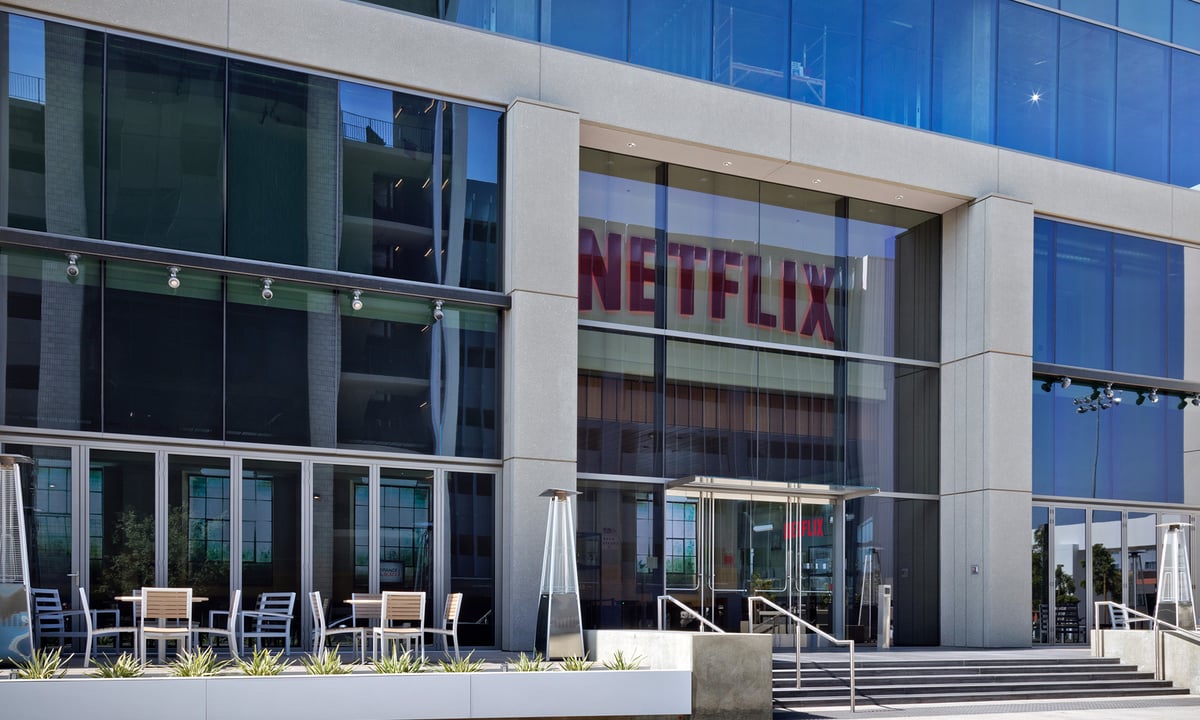
Netflix Raises Subscription Prices Again, Testing User Loyalty

- Price Increase Impact: Netflix has raised its U.S. subscription prices, with the standard and premium tiers increasing by $2 and the ad-supported tier by $1, reflecting a significant 28.6% rise for the ad-supported tier and 29.1% for the standard tier since October 2023, indicating a bold strategy to boost revenue while risking user attrition.
- User Attrition Risk: By increasing prices on lower-cost subscription tiers, Netflix risks driving users out of its ecosystem entirely, especially in a competitive streaming market where price sensitivity is high, potentially impacting the company's long-term growth prospects if users switch to more affordable alternatives.
- Confidence in Content Expansion: Netflix's strategy to enhance its value proposition through expanded content offerings, including sports, demonstrates its confidence in maintaining user loyalty despite inflationary pressures, which is crucial in the current economic climate where consumer spending is strained.
- Investment Appeal: Despite the challenges posed by price increases, Netflix's business model, which relies on high-margin recurring revenue and predictable cash flows, continues to attract investors, positioning the company as a relatively stable investment option amid economic uncertainty, reinforcing its status as a foundational holding in diversified portfolios.
See More
Netflix Raises Prices Again: Implications for Investors
- Price Increase Impact: Netflix has raised prices across all subscription options by $1 to $2, which may not please consumers; however, the company typically retains low churn rates, and this price hike is expected to have a slightly positive impact on financial results.
- Market Competition Strategy: By introducing a low-cost ad-supported tier and charging for password sharing, Netflix has effectively adapted to a competitive landscape, enhancing user growth and revenue, demonstrating its pricing power and market adaptability.
- Content Investment Plans: The company plans to spend $20 billion on content, up from $18 billion last year; while the price hike may not be necessary to cover this increased budget, it could support expansion into new areas like livestreaming and video podcasts.
- User Base and Brand Advantage: With over 325 million paid subscribers expected by the end of 2025, Netflix's strong brand and content library provide an economic moat, allowing it to maintain a competitive edge in the streaming market, making its stock a favorable option for long-term investors.
See More
Netflix Raises Subscription Prices, Potential Revenue Boost Ahead
- Price Increase Impact: Netflix is raising prices across all subscription tiers by $1 to $2, which, while not favorable for consumers, is expected to result in a slight revenue boost, showcasing the company's pricing power in a competitive streaming market.
- User Retention Strategy: Historically, Netflix has managed to retain most of its existing customers while attracting new ones despite price hikes, demonstrating its strong brand equity and extensive content library, a strategy that has proven effective during previous adjustments.
- Content Investment Plans: The company plans to spend $20 billion on content, up from $18 billion last year, indicating that while the price increase isn't solely to cover this budget, it may provide additional flexibility for expansion into new areas like livestreaming and video podcasts.
- Long-Term Investment Appeal: With over 325 million paid subscribers and ongoing opportunities for market expansion, Netflix's stock remains a strong pick for long-term investors, even though it was not included in the latest list of top recommended stocks by analysts.
See More
Analysis of XLC ETF's 52-Week Price Fluctuations
- Price Range Analysis: The XLC ETF's 52-week low is $84.02 per share, with a high of $120.405, while the last trade was at $110.50, indicating relative stability and potential investment appeal in the current market environment.
- Technical Analysis Tool: Comparing the current share price to the 200-day moving average can provide valuable insights for investors, helping them better assess market trends and timing for investments.
- ETF Trading Mechanism: Exchange-traded funds (ETFs) trade similarly to stocks, where investors are buying and selling 'units' that can be created or destroyed based on investor demand, impacting the ETF's liquidity and market performance.
- Inflows and Outflows Monitoring: Weekly monitoring of changes in shares outstanding for ETFs allows for the identification of those experiencing notable inflows (new units created) or outflows (old units destroyed), assessing their impact on underlying assets and market sentiment.
See More
Regional Sports Networks Face Shutdown Crisis
- Decline of Regional Sports Networks: Regional Sports Networks (RSNs) are under unprecedented pressure as consumers shift to streaming, leading to a rapid decline in their business model, which jeopardizes local broadcasts of baseball, basketball, and hockey.
- MLB Takes Over Media Distribution: As the 2026 MLB season commenced, the league announced it would take over media distribution for 14 teams, largely due to the gradual wind-down of Main Street Sports, which has undergone multiple ownership changes since its bankruptcy in 2019.
- Main Street Sports' Struggles: Although Main Street Sports emerged from bankruptcy protection at the end of 2024, it faced another liquidity crisis when MLB rights payments were due, casting uncertainty over the future of its 15 channels.
- Challenges for Independent RSNs: Even independent RSNs airing games for major market teams are experiencing similar financial pressures, as evidenced by MSG Networks' debt restructuring and a two-month blackout, highlighting the industry's overall fragility.
See More
Market Watch: Oil Price Surge and Stock Market Turmoil
- Oil Price Surge Impact: Following President Trump's address on the Iran war, which raised escalation concerns, U.S. crude benchmark WTI surged 9% to $109 a barrel, putting downward pressure on the stock market and negatively affecting investor sentiment.
- Bank of America Upgrades Vale: Bank of America upgraded Vale from hold to buy, suggesting that now is an attractive entry point for investors in the iron ore producer, despite Vale's stock dropping nearly 7% since the Iran conflict began, while iron ore prices have risen about 8%.
- Wix's Outlook Downgraded: UBS downgraded Wix from buy to hold, with analysts believing its 2026 outlook indicates a slowdown in core business growth from 12% last year to 8% this year, and despite efforts to integrate AI capabilities, the company remains vulnerable to disruption by AI.
- Cheniere Energy Price Target Increased: Citigroup raised Cheniere Energy's price target from $280 to $330 while reiterating its buy rating, as supply disruptions in the Middle East could benefit U.S. LNG exports long-term, with shares up about 17% since the war began.
See More
Netflix Raises Subscription Prices Again, Testing User Loyalty
- Price Increase Impact: Netflix has raised its U.S. subscription prices, with the standard and premium tiers increasing by $2 and the ad-supported tier by $1, reflecting a significant 28.6% rise for the ad-supported tier and 29.1% for the standard tier since October 2023, indicating a bold strategy to boost revenue while risking user attrition.
- User Attrition Risk: By increasing prices on lower-cost subscription tiers, Netflix risks driving users out of its ecosystem entirely, especially in a competitive streaming market where price sensitivity is high, potentially impacting the company's long-term growth prospects if users switch to more affordable alternatives.
- Confidence in Content Expansion: Netflix's strategy to enhance its value proposition through expanded content offerings, including sports, demonstrates its confidence in maintaining user loyalty despite inflationary pressures, which is crucial in the current economic climate where consumer spending is strained.
- Investment Appeal: Despite the challenges posed by price increases, Netflix's business model, which relies on high-margin recurring revenue and predictable cash flows, continues to attract investors, positioning the company as a relatively stable investment option amid economic uncertainty, reinforcing its status as a foundational holding in diversified portfolios.
See More