Novo Nordisk's New Drug Faces Market Challenges
Written by Emily J. Thompson, Senior Investment Analyst
Updated: 1 hour ago
0mins
Source: Newsfilter
- Disappointing Clinical Results: Novo Nordisk's obesity drug CagriSema showed a weight loss of 23% in phase three trials, which is less than Eli Lilly's Zepbound at 25%, raising concerns about CagriSema's market potential, as analysts believe patients would prefer the more effective Zepbound.
- Intense Market Competition: Analysts indicate that the results will make it difficult for CagriSema to gain market share, with Lilly's Zepbound confirmed as the market leader, expected to further expand its market share, thus Novo needs to find strong competitors to address this challenge.
- FDA Approval Process: Despite the challenges, Novo has filed for FDA approval of CagriSema, with a decision expected by late 2026, suggesting that the drug could launch in early 2027, with the CEO asserting that the drug's weight loss efficacy remains competitive in the market.
- Future Trial Plans: Novo plans to initiate a phase three trial investigating a higher dose of CagriSema in the second half of 2026 and expects to release initial results from the REDEFINE 11 trial in the first half of 2027, although analysts are skeptical about whether these trials will change the narrative around CagriSema.
Trade with 70% Backtested Accuracy
Stop guessing "Should I Buy NVO?" and start using high-conviction signals backed by rigorous historical data.
Sign up today to access powerful investing tools and make smarter, data-driven decisions.
Analyst Views on NVO
Wall Street analysts forecast NVO stock price to rise
8 Analyst Rating
4 Buy
3 Hold
1 Sell
Moderate Buy
Current: 39.630

Low
42.00
Averages
54.67
High
70.00
Current: 39.630
Low
42.00
Averages
54.67
High
70.00
About NVO
Novo Nordisk A/S is a global healthcare company engaged in diabetes care. The Company is also engaged in the discovery, development, manufacturing and marketing of pharmaceutical products. The Company operates through two business segments: diabetes and obesity care, and biopharmaceuticals. The Company's diabetes and obesity care segment covers insulin, GLP-1, other protein-related products, such as glucagon, protein-related delivery systems and needles, and oral anti-diabetic drugs. The Company's biopharmaceuticals segment covers the therapy areas of hemophilia care, growth hormone therapy and hormone replacement therapy. The Company also offers Saxenda product to treat obesity. It offers a range of products, including NovoLog/NovoRapid; NovoLog Mix/NovoMix; Prandin/NovoNorm; NovoSeven; Norditropin, and Vagifem. As of December 31, 2016, it marketed its products in over 180 countries. Its regional structure consists of two commercial units: North America and International Operations.
About the author

Emily J. Thompson
Emily J. Thompson, a Chartered Financial Analyst (CFA) with 12 years in investment research, graduated with honors from the Wharton School. Specializing in industrial and technology stocks, she provides in-depth analysis for Intellectia’s earnings and market brief reports.

United Laboratories and Novo Nordisk Announce Phase 2 Results for UBT251
- Clinical Trial Results: UBT251's phase 2 trial in China demonstrated a statistically significant mean weight loss of up to 19.7% after 24 weeks, providing new hope for obesity treatment.
- Collaborative Development: UBT251 is jointly developed by United Laboratories' wholly owned subsidiary United Biotechnology and Novo Nordisk, with the latter handling global development outside of China, reflecting a strategic partnership in obesity treatment.
- Safety Profile: The trial results indicated that UBT251 has a safe and well-tolerated profile consistent with incretin-based therapies, enhancing its competitive edge in the market.
- Market Reaction: Following a 15% drop in Novo Nordisk's stock due to CagriSema's underperformance against competitors, the positive results from UBT251 may help restore market confidence in the company's product pipeline.
See More
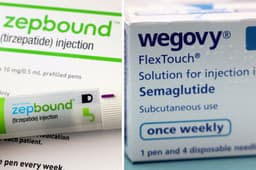
Novo Nordisk's CagriSema Phase 3 Trial Results Disappoint
- Trial Results Fall Short: Novo Nordisk's CagriSema failed to achieve non-inferiority in the REDEFINE 4 trial, resulting in a stock price drop of over 15%, indicating increased competitive pressure in the obesity treatment market.
- Weight Loss Efficacy: Under ideal conditions, CagriSema led to a 23.0% weight loss over 84 weeks, compared to 25.5% for Lilly's tirzepatide, suggesting that CagriSema's real-world effectiveness may lag behind its competitor.
- Good Safety Profile: Although the primary endpoint was not met, CagriSema demonstrated a safe and well-tolerated profile, with common adverse events primarily being mild to moderate gastrointestinal issues that diminished over time, indicating its potential for clinical use.
- Future Milestones: Novo Nordisk plans to submit a New Drug Application for CagriSema to the FDA in December 2025, with a decision expected by late 2026, reflecting the company's confidence in the product's future market prospects.
See More
Bank of America Maintains Buy Rating on Eli Lilly Amid Pricing Concerns

- Pricing Impact: Bank of America emphasizes that Novo Nordisk's price cuts do not imply a reduction in Eli Lilly's net pricing, as most demand for weight-loss drugs comes from cash-paying customers, suggesting limited impact on Eli Lilly's business.
- Market Reaction: Following Novo's announcement to slash prices on key obesity and diabetes treatments by up to 50%, shares of both Novo and Eli Lilly fell nearly 3% and 2% respectively, indicating market caution regarding the pricing changes.
- Investor Sentiment: While retail sentiment around Novo's stock remains in 'extremely bullish' territory on Stocktwits, sentiment for Eli Lilly trends towards 'neutral', reflecting investor caution about Eli Lilly's future performance amid rising competition.
- Product Competitive Advantage: Bloomberg analysts highlight Eli Lilly's weight-loss drugs as having a 'superior' edge, particularly as its experimental drug CagriSema failed to demonstrate non-inferiority to Eli Lilly's tirzepatide, further solidifying Eli Lilly's competitive position in the weight-loss market.
See More

Novo Nordisk's New Drug Faces Market Challenges
- Disappointing Clinical Results: Novo Nordisk's obesity drug CagriSema showed a weight loss of 23% in phase three trials, which is less than Eli Lilly's Zepbound at 25%, raising concerns about CagriSema's market potential, as analysts believe patients would prefer the more effective Zepbound.
- Intense Market Competition: Analysts indicate that the results will make it difficult for CagriSema to gain market share, with Lilly's Zepbound confirmed as the market leader, expected to further expand its market share, thus Novo needs to find strong competitors to address this challenge.
- FDA Approval Process: Despite the challenges, Novo has filed for FDA approval of CagriSema, with a decision expected by late 2026, suggesting that the drug could launch in early 2027, with the CEO asserting that the drug's weight loss efficacy remains competitive in the market.
- Future Trial Plans: Novo plans to initiate a phase three trial investigating a higher dose of CagriSema in the second half of 2026 and expects to release initial results from the REDEFINE 11 trial in the first half of 2027, although analysts are skeptical about whether these trials will change the narrative around CagriSema.
See More
J.P. Morgan Downgrades Novo Nordisk After CagriSema Trial Data
- Disappointing Trial Results: Novo Nordisk's CagriSema data from the REDEFINE 4 trial revealed only ~20% weight loss over 84 weeks, significantly trailing Eli Lilly's Zepbound at 23.6%, raising concerns about the commercial viability of the new therapy.
- Rating Downgrade Impact: J.P. Morgan analyst Richard Vosser downgraded Novo Nordisk from Overweight to Neutral with a new price target of DKR 250, reflecting worries about limited market uptake for CagriSema, which may lead to decreased investor confidence.
- Sales Forecast Cuts: The analyst slashed sales forecasts for CagriSema by 40%-63% for 2027-2030, and for amycretin by 1%-23%, indicating a potential negative impact on the company's future revenue growth.
- Overall Performance Revision: Following the REDEFINE 4 results, forecasts for Novo's 2026-2030 sales and adjusted EPS were lowered by 2%-16% and 2%-17%, respectively, positioning these estimates 5%-21% below Bloomberg consensus expectations.
See More

Analysis of Stock Price Movements for Multiple Companies

- Dillard's Revenue Decline: Dillard's reported fourth-quarter revenue of $1.99 billion, falling short of the $2.03 billion expected by analysts, leading to a 7% drop in shares, primarily due to winter storms impacting over a third of its stores, highlighting the significant effect of seasonal weather on retail performance.
- Planet Fitness Weak Guidance: Planet Fitness anticipates full-year adjusted earnings per share growth of only 9% to 10%, well below the 16.5% expected by analysts, resulting in an 8% decline in shares, reflecting market concerns over its future growth potential.
- Novo Nordisk Price Reduction Strategy: Novo Nordisk announced it would cut monthly list prices for Wegovy and Ozempic by up to 50%, causing a 2% drop in shares, which may impact its market share and profit margins amid increasing competition.
- Vir Biotechnology Stock Surge: Vir Biotechnology's shares surged nearly 30% following positive Phase 1 results for its VIR-5500 treatment for metastatic prostate cancer, indicating strong potential for its research and an increase in market confidence.
See More
United Laboratories and Novo Nordisk Announce Phase 2 Results for UBT251
- Clinical Trial Results: UBT251's phase 2 trial in China demonstrated a statistically significant mean weight loss of up to 19.7% after 24 weeks, providing new hope for obesity treatment.
- Collaborative Development: UBT251 is jointly developed by United Laboratories' wholly owned subsidiary United Biotechnology and Novo Nordisk, with the latter handling global development outside of China, reflecting a strategic partnership in obesity treatment.
- Safety Profile: The trial results indicated that UBT251 has a safe and well-tolerated profile consistent with incretin-based therapies, enhancing its competitive edge in the market.
- Market Reaction: Following a 15% drop in Novo Nordisk's stock due to CagriSema's underperformance against competitors, the positive results from UBT251 may help restore market confidence in the company's product pipeline.
See More
Novo Nordisk's CagriSema Phase 3 Trial Results Disappoint
- Trial Results Fall Short: Novo Nordisk's CagriSema failed to achieve non-inferiority in the REDEFINE 4 trial, resulting in a stock price drop of over 15%, indicating increased competitive pressure in the obesity treatment market.
- Weight Loss Efficacy: Under ideal conditions, CagriSema led to a 23.0% weight loss over 84 weeks, compared to 25.5% for Lilly's tirzepatide, suggesting that CagriSema's real-world effectiveness may lag behind its competitor.
- Good Safety Profile: Although the primary endpoint was not met, CagriSema demonstrated a safe and well-tolerated profile, with common adverse events primarily being mild to moderate gastrointestinal issues that diminished over time, indicating its potential for clinical use.
- Future Milestones: Novo Nordisk plans to submit a New Drug Application for CagriSema to the FDA in December 2025, with a decision expected by late 2026, reflecting the company's confidence in the product's future market prospects.
See More
Bank of America Maintains Buy Rating on Eli Lilly Amid Pricing Concerns
- Pricing Impact: Bank of America emphasizes that Novo Nordisk's price cuts do not imply a reduction in Eli Lilly's net pricing, as most demand for weight-loss drugs comes from cash-paying customers, suggesting limited impact on Eli Lilly's business.
- Market Reaction: Following Novo's announcement to slash prices on key obesity and diabetes treatments by up to 50%, shares of both Novo and Eli Lilly fell nearly 3% and 2% respectively, indicating market caution regarding the pricing changes.
- Investor Sentiment: While retail sentiment around Novo's stock remains in 'extremely bullish' territory on Stocktwits, sentiment for Eli Lilly trends towards 'neutral', reflecting investor caution about Eli Lilly's future performance amid rising competition.
- Product Competitive Advantage: Bloomberg analysts highlight Eli Lilly's weight-loss drugs as having a 'superior' edge, particularly as its experimental drug CagriSema failed to demonstrate non-inferiority to Eli Lilly's tirzepatide, further solidifying Eli Lilly's competitive position in the weight-loss market.
See More
Novo Nordisk's New Drug Faces Market Challenges
- Disappointing Clinical Results: Novo Nordisk's obesity drug CagriSema showed a weight loss of 23% in phase three trials, which is less than Eli Lilly's Zepbound at 25%, raising concerns about CagriSema's market potential, as analysts believe patients would prefer the more effective Zepbound.
- Intense Market Competition: Analysts indicate that the results will make it difficult for CagriSema to gain market share, with Lilly's Zepbound confirmed as the market leader, expected to further expand its market share, thus Novo needs to find strong competitors to address this challenge.
- FDA Approval Process: Despite the challenges, Novo has filed for FDA approval of CagriSema, with a decision expected by late 2026, suggesting that the drug could launch in early 2027, with the CEO asserting that the drug's weight loss efficacy remains competitive in the market.
- Future Trial Plans: Novo plans to initiate a phase three trial investigating a higher dose of CagriSema in the second half of 2026 and expects to release initial results from the REDEFINE 11 trial in the first half of 2027, although analysts are skeptical about whether these trials will change the narrative around CagriSema.
See More
J.P. Morgan Downgrades Novo Nordisk After CagriSema Trial Data
- Disappointing Trial Results: Novo Nordisk's CagriSema data from the REDEFINE 4 trial revealed only ~20% weight loss over 84 weeks, significantly trailing Eli Lilly's Zepbound at 23.6%, raising concerns about the commercial viability of the new therapy.
- Rating Downgrade Impact: J.P. Morgan analyst Richard Vosser downgraded Novo Nordisk from Overweight to Neutral with a new price target of DKR 250, reflecting worries about limited market uptake for CagriSema, which may lead to decreased investor confidence.
- Sales Forecast Cuts: The analyst slashed sales forecasts for CagriSema by 40%-63% for 2027-2030, and for amycretin by 1%-23%, indicating a potential negative impact on the company's future revenue growth.
- Overall Performance Revision: Following the REDEFINE 4 results, forecasts for Novo's 2026-2030 sales and adjusted EPS were lowered by 2%-16% and 2%-17%, respectively, positioning these estimates 5%-21% below Bloomberg consensus expectations.
See More
Analysis of Stock Price Movements for Multiple Companies
- Dillard's Revenue Decline: Dillard's reported fourth-quarter revenue of $1.99 billion, falling short of the $2.03 billion expected by analysts, leading to a 7% drop in shares, primarily due to winter storms impacting over a third of its stores, highlighting the significant effect of seasonal weather on retail performance.
- Planet Fitness Weak Guidance: Planet Fitness anticipates full-year adjusted earnings per share growth of only 9% to 10%, well below the 16.5% expected by analysts, resulting in an 8% decline in shares, reflecting market concerns over its future growth potential.
- Novo Nordisk Price Reduction Strategy: Novo Nordisk announced it would cut monthly list prices for Wegovy and Ozempic by up to 50%, causing a 2% drop in shares, which may impact its market share and profit margins amid increasing competition.
- Vir Biotechnology Stock Surge: Vir Biotechnology's shares surged nearly 30% following positive Phase 1 results for its VIR-5500 treatment for metastatic prostate cancer, indicating strong potential for its research and an increase in market confidence.
See More