Novo Nordisk Nominates New Board Members with Pharma Expertise
Written by Emily J. Thompson, Senior Investment Analyst
Updated: 2 hours ago
0mins
Should l Buy NVO?
Source: seekingalpha
- New Board Nominations: Novo Nordisk has nominated Jan van de Winkel and Ramona Sequeira, both with pharmaceutical industry experience, to its board, with van de Winkel being a co-founder of Genmab and Sequeira having held executive roles at Takeda and Eli Lilly, aiming to strengthen the company's leadership in the pharma sector.
- Financial Expertise Addition: Additionally, Helena Saxon, who has a financial background, has also been nominated, further diversifying the board's expertise to address future market challenges and strategic adjustments.
- Annual Meeting Scheduled: The company's annual meeting is set for March 26, where the nominations and future strategic direction will be discussed, potentially impacting investor confidence and shareholder decisions.
- Market Pressure and Buyback Plan: Amid competitive pressures and declining sales, the board has proposed a final dividend of DKK 7.95 for 2025 and initiated a DKK 15 billion share buyback plan to enhance shareholder value and restore market confidence.
Trade with 70% Backtested Accuracy
Stop guessing "Should I Buy NVO?" and start using high-conviction signals backed by rigorous historical data.
Sign up today to access powerful investing tools and make smarter, data-driven decisions.
Analyst Views on NVO
Wall Street analysts forecast NVO stock price to rise
8 Analyst Rating
4 Buy
3 Hold
1 Sell
Moderate Buy
Current: 48.450

Low
42.00
Averages
54.67
High
70.00
Current: 48.450
Low
42.00
Averages
54.67
High
70.00
About NVO
Novo Nordisk A/S is a global healthcare company engaged in diabetes care. The Company is also engaged in the discovery, development, manufacturing and marketing of pharmaceutical products. The Company operates through two business segments: diabetes and obesity care, and biopharmaceuticals. The Company's diabetes and obesity care segment covers insulin, GLP-1, other protein-related products, such as glucagon, protein-related delivery systems and needles, and oral anti-diabetic drugs. The Company's biopharmaceuticals segment covers the therapy areas of hemophilia care, growth hormone therapy and hormone replacement therapy. The Company also offers Saxenda product to treat obesity. It offers a range of products, including NovoLog/NovoRapid; NovoLog Mix/NovoMix; Prandin/NovoNorm; NovoSeven; Norditropin, and Vagifem. As of December 31, 2016, it marketed its products in over 180 countries. Its regional structure consists of two commercial units: North America and International Operations.
About the author

Emily J. Thompson
Emily J. Thompson, a Chartered Financial Analyst (CFA) with 12 years in investment research, graduated with honors from the Wharton School. Specializing in industrial and technology stocks, she provides in-depth analysis for Intellectia’s earnings and market brief reports.
Novo Nordisk Nominates New Board Members with Pharma Expertise

- New Board Nominations: Novo Nordisk has nominated Jan van de Winkel and Ramona Sequeira, both with pharmaceutical industry experience, to its board, with van de Winkel being a co-founder of Genmab and Sequeira having held executive roles at Takeda and Eli Lilly, aiming to strengthen the company's leadership in the pharma sector.
- Financial Expertise Addition: Additionally, Helena Saxon, who has a financial background, has also been nominated, further diversifying the board's expertise to address future market challenges and strategic adjustments.
- Annual Meeting Scheduled: The company's annual meeting is set for March 26, where the nominations and future strategic direction will be discussed, potentially impacting investor confidence and shareholder decisions.
- Market Pressure and Buyback Plan: Amid competitive pressures and declining sales, the board has proposed a final dividend of DKK 7.95 for 2025 and initiated a DKK 15 billion share buyback plan to enhance shareholder value and restore market confidence.
See More
Pfizer Navigates Transition to New Growth Phase


- Vaccine Revenue Decline: Pfizer generated over $37 billion from its coronavirus vaccine in 2022, but as demand wanes and older blockbuster drugs face patent expirations, the company is forced to reassess its revenue structure to adapt to market changes.
- Acquisition-Driven Growth: Following its acquisition of Seagen, Pfizer's bladder cancer drug Padcev has achieved over 10% growth, generating more than $1 billion in annual revenue, demonstrating the company's strategic focus and market potential in oncology.
- Weight Loss Market Opportunity: Pfizer's acquisition of Metsera positions it in the rapidly growing weight loss drug market, expected to approach $100 billion by the end of the decade, with its candidate's monthly dosing research potentially enhancing its competitive edge.
- Revenue Growth Momentum: Recent product launches and acquisitions have contributed to over $10 billion in revenue for Pfizer, a 12.4% increase year-over-year, with plans to meet cost-saving goals by year-end and reinvest $500 million in R&D, showcasing strong growth potential.
See More
Pfizer's Transition and Growth Prospects
- Vaccine Revenue Decline: Pfizer's coronavirus vaccine peaked at over $37 billion in 2022, but demand has significantly decreased, leading the company to face challenges from patent expirations of older blockbuster drugs, impacting future revenue growth.
- Strategic Restructuring: Pfizer has realigned its cost structure to adapt to the changes in vaccine revenue, shifting focus to in-house R&D and acquisitions, particularly enhancing its oncology market position through the Seagen acquisition, with Padcev generating over $1 billion in annual revenue, indicating strong growth potential.
- Weight Loss Market Opportunity: Pfizer's acquisition of Metsera positions it to enter the weight loss drug market, projected to approach $100 billion by 2030, with the development of a monthly dosing regimen that could provide a competitive edge, and 10 obesity studies in phase 3 this year suggest optimistic commercialization prospects.
- Revenue Growth Momentum: Pfizer's recent product launches and acquisitions generated over $10 billion in revenue, a 12.4% increase from the previous year, and the company is on track to meet cost-saving goals by year-end while reinvesting $500 million in R&D, showcasing a robust growth trajectory.
See More
Biotech Stocks with High Growth Potential
- CRISPR Breakthrough: CRISPR Therapeutics received approval for its first gene editing treatment, Casgevy, in 2023, marking a significant milestone as the world's first CRISPR therapy, generating $116 million in revenue in 2022, with expectations for a 58% stock price increase over the next 12 months.
- Clinical Trial Progress: The company anticipates releasing results from various clinical trials, including zugo-cel for autoimmune diseases and CTX310 for heart disease, which could bolster market confidence and potentially elevate stock prices.
- Viking's Promising Therapy: Viking Therapeutics is advancing VK2735 through late-stage clinical trials, with both injectable and oral forms expected to enter the market, targeting the nearly $100 billion obesity drug market, with analysts predicting a potential 200% stock price increase.
- Significant Market Potential: As GLP-1 drugs gain popularity, Viking's VK2735 is poised to capture substantial market share amid rising global demand for weight loss medications, offering early investors the prospect of substantial returns.
See More
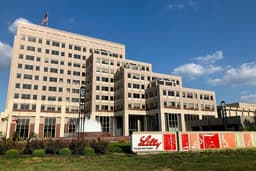
Eli Lilly Leads in GLP-1 Weight Loss Drug Market
- Market Leadership: Eli Lilly's Mounjaro and Zepbound outperform Novo Nordisk's Ozempic/Wegovy in the GLP-1 weight loss drug market, demonstrating the company's competitive edge despite being a second mover in a rapidly growing sector.
- Revenue Dependency Risk: By the end of 2025, Mounjaro and Zepbound will account for 56% of Eli Lilly's total revenue, indicating a significant reliance on these two drugs that could pose substantial risks, especially as market competition intensifies.
- Significant Sales Growth: Mounjaro's sales surged by 99% year-over-year, while Zepbound's sales skyrocketed by 175%, with nearly all of the 45% revenue increase attributed to these two GLP-1 drugs, highlighting their critical impact on the company's performance.
- Intensifying Competition: Novo Nordisk has launched an oral version of its GLP-1 drug, potentially reclaiming market share, while Pfizer is also aggressively entering the GLP-1 space, indicating that Eli Lilly may face fierce competition that could affect its market leadership in the future.
See More

Eli Lilly Faces Intense Competition in GLP-1 Drug Market
- Strong Market Performance: Eli Lilly's Mounjaro and Zepbound drugs accounted for 56% of the company's revenue in 2025, with Mounjaro sales rising 99% year-over-year and Zepbound increasing by 175%, showcasing robust performance in the GLP-1 weight-loss drug market.
- Intensifying Competition: Despite Eli Lilly's leading position in the GLP-1 market, Novo Nordisk has launched a competing GLP-1 pill, potentially regaining market share, while Pfizer is also aggressively entering this space, heightening competitive pressures.
- Valuation Pressures: With a price-to-earnings ratio of 45x, the market has high expectations for Eli Lilly's future performance, and any shortfall in 2026 earnings could lead to a significant stock price pullback, necessitating careful investor evaluation.
- Limited Patent Protection: The market exclusivity for new drugs is finite, and once patents expire, generic competition typically leads to substantial revenue declines for branded drugs, indicating that Eli Lilly's GLP-1 success may not be sustainable, highlighting potential long-term risks for investors.
See More
Novo Nordisk Nominates New Board Members with Pharma Expertise
- New Board Nominations: Novo Nordisk has nominated Jan van de Winkel and Ramona Sequeira, both with pharmaceutical industry experience, to its board, with van de Winkel being a co-founder of Genmab and Sequeira having held executive roles at Takeda and Eli Lilly, aiming to strengthen the company's leadership in the pharma sector.
- Financial Expertise Addition: Additionally, Helena Saxon, who has a financial background, has also been nominated, further diversifying the board's expertise to address future market challenges and strategic adjustments.
- Annual Meeting Scheduled: The company's annual meeting is set for March 26, where the nominations and future strategic direction will be discussed, potentially impacting investor confidence and shareholder decisions.
- Market Pressure and Buyback Plan: Amid competitive pressures and declining sales, the board has proposed a final dividend of DKK 7.95 for 2025 and initiated a DKK 15 billion share buyback plan to enhance shareholder value and restore market confidence.
See More
Pfizer Navigates Transition to New Growth Phase
- Vaccine Revenue Decline: Pfizer generated over $37 billion from its coronavirus vaccine in 2022, but as demand wanes and older blockbuster drugs face patent expirations, the company is forced to reassess its revenue structure to adapt to market changes.
- Acquisition-Driven Growth: Following its acquisition of Seagen, Pfizer's bladder cancer drug Padcev has achieved over 10% growth, generating more than $1 billion in annual revenue, demonstrating the company's strategic focus and market potential in oncology.
- Weight Loss Market Opportunity: Pfizer's acquisition of Metsera positions it in the rapidly growing weight loss drug market, expected to approach $100 billion by the end of the decade, with its candidate's monthly dosing research potentially enhancing its competitive edge.
- Revenue Growth Momentum: Recent product launches and acquisitions have contributed to over $10 billion in revenue for Pfizer, a 12.4% increase year-over-year, with plans to meet cost-saving goals by year-end and reinvest $500 million in R&D, showcasing strong growth potential.
See More
Pfizer's Transition and Growth Prospects
- Vaccine Revenue Decline: Pfizer's coronavirus vaccine peaked at over $37 billion in 2022, but demand has significantly decreased, leading the company to face challenges from patent expirations of older blockbuster drugs, impacting future revenue growth.
- Strategic Restructuring: Pfizer has realigned its cost structure to adapt to the changes in vaccine revenue, shifting focus to in-house R&D and acquisitions, particularly enhancing its oncology market position through the Seagen acquisition, with Padcev generating over $1 billion in annual revenue, indicating strong growth potential.
- Weight Loss Market Opportunity: Pfizer's acquisition of Metsera positions it to enter the weight loss drug market, projected to approach $100 billion by 2030, with the development of a monthly dosing regimen that could provide a competitive edge, and 10 obesity studies in phase 3 this year suggest optimistic commercialization prospects.
- Revenue Growth Momentum: Pfizer's recent product launches and acquisitions generated over $10 billion in revenue, a 12.4% increase from the previous year, and the company is on track to meet cost-saving goals by year-end while reinvesting $500 million in R&D, showcasing a robust growth trajectory.
See More
Biotech Stocks with High Growth Potential
- CRISPR Breakthrough: CRISPR Therapeutics received approval for its first gene editing treatment, Casgevy, in 2023, marking a significant milestone as the world's first CRISPR therapy, generating $116 million in revenue in 2022, with expectations for a 58% stock price increase over the next 12 months.
- Clinical Trial Progress: The company anticipates releasing results from various clinical trials, including zugo-cel for autoimmune diseases and CTX310 for heart disease, which could bolster market confidence and potentially elevate stock prices.
- Viking's Promising Therapy: Viking Therapeutics is advancing VK2735 through late-stage clinical trials, with both injectable and oral forms expected to enter the market, targeting the nearly $100 billion obesity drug market, with analysts predicting a potential 200% stock price increase.
- Significant Market Potential: As GLP-1 drugs gain popularity, Viking's VK2735 is poised to capture substantial market share amid rising global demand for weight loss medications, offering early investors the prospect of substantial returns.
See More
Eli Lilly Leads in GLP-1 Weight Loss Drug Market
- Market Leadership: Eli Lilly's Mounjaro and Zepbound outperform Novo Nordisk's Ozempic/Wegovy in the GLP-1 weight loss drug market, demonstrating the company's competitive edge despite being a second mover in a rapidly growing sector.
- Revenue Dependency Risk: By the end of 2025, Mounjaro and Zepbound will account for 56% of Eli Lilly's total revenue, indicating a significant reliance on these two drugs that could pose substantial risks, especially as market competition intensifies.
- Significant Sales Growth: Mounjaro's sales surged by 99% year-over-year, while Zepbound's sales skyrocketed by 175%, with nearly all of the 45% revenue increase attributed to these two GLP-1 drugs, highlighting their critical impact on the company's performance.
- Intensifying Competition: Novo Nordisk has launched an oral version of its GLP-1 drug, potentially reclaiming market share, while Pfizer is also aggressively entering the GLP-1 space, indicating that Eli Lilly may face fierce competition that could affect its market leadership in the future.
See More
Eli Lilly Faces Intense Competition in GLP-1 Drug Market
- Strong Market Performance: Eli Lilly's Mounjaro and Zepbound drugs accounted for 56% of the company's revenue in 2025, with Mounjaro sales rising 99% year-over-year and Zepbound increasing by 175%, showcasing robust performance in the GLP-1 weight-loss drug market.
- Intensifying Competition: Despite Eli Lilly's leading position in the GLP-1 market, Novo Nordisk has launched a competing GLP-1 pill, potentially regaining market share, while Pfizer is also aggressively entering this space, heightening competitive pressures.
- Valuation Pressures: With a price-to-earnings ratio of 45x, the market has high expectations for Eli Lilly's future performance, and any shortfall in 2026 earnings could lead to a significant stock price pullback, necessitating careful investor evaluation.
- Limited Patent Protection: The market exclusivity for new drugs is finite, and once patents expire, generic competition typically leads to substantial revenue declines for branded drugs, indicating that Eli Lilly's GLP-1 success may not be sustainable, highlighting potential long-term risks for investors.
See More