

Nexalin Completes High-Level Meetings with FDA
Nexalin Technology announced the completion of a series of high-level meetings in the United States and China focused on advancing the Company's global clinical strategy for the treatment of Alzheimer's disease and dementia related cognitive decline. These meetings, including a productive Q-Submission interaction with the U.S. Food and Drug Administration, represent key milestones in the preparation of Nexalin's De Novo application with the FDA for the treatment of Alzheimer's disease. The FDA provided clinical guidance on the proposed Alzheimer's symptom reduction FDA clinical trial and regulatory pathway. The Nexalin clinical and research teams are currently finalizing the clinical design that will provide primary and secondary endpoints to follow FDA guidance on clinical relevance and treatment response in the Alzheimer's patient population. The Company plans to submit an amended FDA Q-Submission application based on these strategy meetings in Q2. The high-level meetings brought together Nexalin leadership, American-based academic research teams and members of the international Alzheimer's clinical community. Insights gained from these discussions are directly informing Nexalin's FDA strategy and shaping the final design of its upcoming FDA clinical trial focused on Alzheimer's disease and age-related cognitive vulnerability. "These meetings marked a critical step in aligning our global clinical experience with a disciplined U.S. regulatory and clinical strategy," said Mark White, CEO. "The meeting insights and observations are directly informing our planned FDA application amendments and design of our FDA Alzheimer's clinical trial. We believe this regulatory strategy will position Nexalin to become the leader in drug-free, non-invasive treatment focused on the core mechanisms of cognitive decline and the reduction of Alzheimer's-related symptoms."
Trade with 70% Backtested Accuracy
Analyst Views on NXL
About NXL
About the author


Nexalin Secures U.S. Patent to Strengthen Market Position
- Extended Patent Protection: Nexalin's newly issued U.S. patent extends intellectual property protection for its dynamic frequency stimulation method through 2042, further solidifying the company's competitive edge in non-invasive deep-brain neurostimulation, particularly in addressing significant unmet needs in anxiety, depression, and insomnia markets.
- Market Demand Alignment: The patent covers stimulation methods targeting anxiety, depression, and insomnia, which represent substantial global medical needs; Nexalin's HALO™ Clarity and NeuroCare™ strategies are centered around these markets, expected to drive future clinical and commercial success for the company.
- Technological Innovation and Application: Nexalin's DIFS™ platform is designed to penetrate deeper brain structures for non-invasive treatment, and the patent's issuance will help protect its unique therapeutic approach, supporting long-term development in drug-free treatment alternatives, especially within the virtual clinic model for home use.
- Strengthened Intellectual Property Strategy: The acquisition of this patent not only enhances Nexalin's intellectual property portfolio but also lays the groundwork for applications in other neurological conditions such as Alzheimer's disease, traumatic brain injury, and PTSD, which is anticipated to create long-term shareholder value and enhance market competitiveness.
Australian Stock Market Shows Signs of Recovery
- Market Recovery Signs: The Australian stock market is showing signs of recovery after a significant A$45 billion downturn, with a modest 0.7% rise anticipated, indicating improved market sentiment driven by potential geopolitical resolutions and Wall Street's record highs.
- Undervalued Stock Opportunities: In the current volatile market, identifying undervalued stocks is crucial; the article explores three such opportunities on the ASX, including Navigator Global Investments, which has a market cap of approximately A$1.28 billion and is trading at A$2.6, significantly below its estimated future cash flow value of A$3.96, reflecting a 34.3% discount.
- Growth Potential of PolyNovo: PolyNovo Limited, with a market cap of A$842.83 million, is trading at A$1.22, below its estimated cash flow value of A$1.56, and is expected to see earnings grow by 37% annually, significantly outpacing the Australian market's 12% growth rate, indicating strong financial growth potential.
- Smart Parking's Financial Outlook: Smart Parking Limited, valued at A$355.10 million, is trading at A$0.86, below its estimated cash flow value of A$1.34; despite a decline in profit margins, earnings are forecasted to grow by 39.6% annually, suggesting an optimistic financial performance ahead.
Biotech Sector Regulatory Approvals and Collaborations
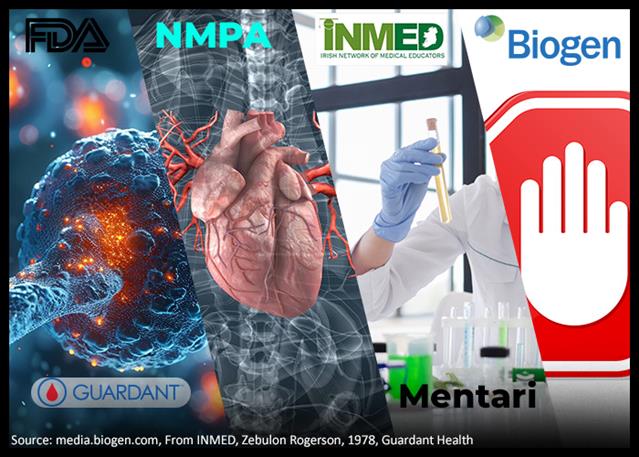
- Kidney Cancer Treatment Breakthrough: HUTCHMED and Innovent received NMPA approval in China for the ELUNATE-TYVYT combination therapy, supported by the FRUSICA-2 study showing a 63% reduction in disease progression or death risk, with a median progression-free survival of 22.2 months, significantly improving patient outcomes and enhancing market competitiveness.
- Antibiotic Market Expansion: Sunshine Biopharma received Canadian approval for its generic Amoxicillin, with shipments expected to begin in August 2026, aiming to increase access to high-quality antibiotics for treating common infections, which is anticipated to drive revenue growth for the company.
- Liquid Biopsy Technology Innovation: Guardant Health gained FDA approval for Guardant360 Liquid CDx, now the largest liquid biopsy panel with a genomic footprint 100 times broader than its predecessor, enhancing tumor profiling capabilities and expected to boost the company's market share in precision medicine.
- New Hypertension Drug Launch: AstraZeneca received FDA approval for BAXFENDY for hypertension patients, based on positive results from the BaxHTN Phase III trial, which is expected to strengthen the company's competitive position in the cardiovascular drug market and further expand its product line.
U.S. Congress Supports Nexalin's Neurostimulation Research for Veterans
- Congressional Support: The U.S. House Appropriations Committee's report language directs the VA to support research on non-invasive deep brain neurostimulation technologies, highlighting recognition of Nexalin's technology and potentially opening up more funding and market opportunities for the company.
- Funding Details: The bill allocates $945 million for VA Medical Research, emphasizing the importance of addressing traumatic brain injury (TBI) and mental health, with Nexalin's DIFS™ technology likely to benefit from this funding.
- Technology Distinction: The new report language clearly differentiates traditional stimulation devices from Nexalin's DIFS™ waveform, indicating Nexalin's unique position in the non-invasive neurostimulation field, which may facilitate its adoption in veteran healthcare.
- Clinical Research Advancement: Nexalin is accelerating its clinical research on DIFS™ technology at UC San Diego, aimed at gathering data to support its efficacy in treating TBI and PTSD, further solidifying its leadership position in the market.

Nexalin Acquires PONM to Enhance HALO Clarity
- Acquisition Overview: Nexalin Technology Inc. has acquired PONM Inc. for $1.3 million, with payment structured in tranches of Nexalin common stock, aiming to integrate AI-enabled remote monitoring and electronic health record functionalities to enhance the overall efficacy of the HALO Clarity program.
- Platform Deployment and Application: The PONM platform is already deployed at the University of California, San Diego, supporting HALO headset usage tracking and clinical research workflows, which enhances physician oversight and treatment compliance, and is expected to provide robust support for future clinical trials.
- Strategic Partnership: GreenLight Ventures has become a significant equity holder in Nexalin and established a strategic partnership to provide ongoing product, engineering, regulatory, and commercial support, ensuring the long-term success of HALO Clarity and its broader neurostimulation platform.
- Market Performance and Outlook: NXL's stock has traded between $0.31 and $2.00 over the past year, and despite a recent decline of 5.26%, the integrated platform is expected to enhance Nexalin's competitiveness and market share in the neurostimulation sector.
Nexalin Acquires PONM to Enhance Digital Health Platform
- Acquisition Completed: Nexalin Technology has finalized its acquisition of PONM, Inc. for a total consideration of $1.3 million, structured as stock payments tied to Nexalin's market performance, thereby enhancing the company's control in the digital health sector.
- Technological Integration Benefits: The acquisition grants Nexalin exclusive licensing of PONM's proprietary software features, including AI-integrated remote monitoring and clinical data analytics, which significantly improve the implementation efficiency and clinical research capabilities of the HALO™ Clarity program.
- Clinical Trial Preparations: The Nexalin NeuroCare™ virtual clinic has been deployed at UC San Diego to support the upcoming FDA pivotal trial involving 160 participants, with recruitment expected to begin in Q2 2026, thereby positioning Nexalin for regulatory success.
- Strategic Partnership: GreenLight Ventures has become a significant equity holder in Nexalin, establishing a strategic partnership that ensures long-term success for the HALO™ Clarity and Nexalin NeuroCare™ programs.
Nexalin Secures U.S. Patent to Strengthen Market Position
- Extended Patent Protection: Nexalin's newly issued U.S. patent extends intellectual property protection for its dynamic frequency stimulation method through 2042, further solidifying the company's competitive edge in non-invasive deep-brain neurostimulation, particularly in addressing significant unmet needs in anxiety, depression, and insomnia markets.
- Market Demand Alignment: The patent covers stimulation methods targeting anxiety, depression, and insomnia, which represent substantial global medical needs; Nexalin's HALO™ Clarity and NeuroCare™ strategies are centered around these markets, expected to drive future clinical and commercial success for the company.
- Technological Innovation and Application: Nexalin's DIFS™ platform is designed to penetrate deeper brain structures for non-invasive treatment, and the patent's issuance will help protect its unique therapeutic approach, supporting long-term development in drug-free treatment alternatives, especially within the virtual clinic model for home use.
- Strengthened Intellectual Property Strategy: The acquisition of this patent not only enhances Nexalin's intellectual property portfolio but also lays the groundwork for applications in other neurological conditions such as Alzheimer's disease, traumatic brain injury, and PTSD, which is anticipated to create long-term shareholder value and enhance market competitiveness.
Australian Stock Market Shows Signs of Recovery
- Market Recovery Signs: The Australian stock market is showing signs of recovery after a significant A$45 billion downturn, with a modest 0.7% rise anticipated, indicating improved market sentiment driven by potential geopolitical resolutions and Wall Street's record highs.
- Undervalued Stock Opportunities: In the current volatile market, identifying undervalued stocks is crucial; the article explores three such opportunities on the ASX, including Navigator Global Investments, which has a market cap of approximately A$1.28 billion and is trading at A$2.6, significantly below its estimated future cash flow value of A$3.96, reflecting a 34.3% discount.
- Growth Potential of PolyNovo: PolyNovo Limited, with a market cap of A$842.83 million, is trading at A$1.22, below its estimated cash flow value of A$1.56, and is expected to see earnings grow by 37% annually, significantly outpacing the Australian market's 12% growth rate, indicating strong financial growth potential.
- Smart Parking's Financial Outlook: Smart Parking Limited, valued at A$355.10 million, is trading at A$0.86, below its estimated cash flow value of A$1.34; despite a decline in profit margins, earnings are forecasted to grow by 39.6% annually, suggesting an optimistic financial performance ahead.
Biotech Sector Regulatory Approvals and Collaborations
- Kidney Cancer Treatment Breakthrough: HUTCHMED and Innovent received NMPA approval in China for the ELUNATE-TYVYT combination therapy, supported by the FRUSICA-2 study showing a 63% reduction in disease progression or death risk, with a median progression-free survival of 22.2 months, significantly improving patient outcomes and enhancing market competitiveness.
- Antibiotic Market Expansion: Sunshine Biopharma received Canadian approval for its generic Amoxicillin, with shipments expected to begin in August 2026, aiming to increase access to high-quality antibiotics for treating common infections, which is anticipated to drive revenue growth for the company.
- Liquid Biopsy Technology Innovation: Guardant Health gained FDA approval for Guardant360 Liquid CDx, now the largest liquid biopsy panel with a genomic footprint 100 times broader than its predecessor, enhancing tumor profiling capabilities and expected to boost the company's market share in precision medicine.
- New Hypertension Drug Launch: AstraZeneca received FDA approval for BAXFENDY for hypertension patients, based on positive results from the BaxHTN Phase III trial, which is expected to strengthen the company's competitive position in the cardiovascular drug market and further expand its product line.
U.S. Congress Supports Nexalin's Neurostimulation Research for Veterans
- Congressional Support: The U.S. House Appropriations Committee's report language directs the VA to support research on non-invasive deep brain neurostimulation technologies, highlighting recognition of Nexalin's technology and potentially opening up more funding and market opportunities for the company.
- Funding Details: The bill allocates $945 million for VA Medical Research, emphasizing the importance of addressing traumatic brain injury (TBI) and mental health, with Nexalin's DIFS™ technology likely to benefit from this funding.
- Technology Distinction: The new report language clearly differentiates traditional stimulation devices from Nexalin's DIFS™ waveform, indicating Nexalin's unique position in the non-invasive neurostimulation field, which may facilitate its adoption in veteran healthcare.
- Clinical Research Advancement: Nexalin is accelerating its clinical research on DIFS™ technology at UC San Diego, aimed at gathering data to support its efficacy in treating TBI and PTSD, further solidifying its leadership position in the market.
Nexalin Acquires PONM to Enhance HALO Clarity
- Acquisition Overview: Nexalin Technology Inc. has acquired PONM Inc. for $1.3 million, with payment structured in tranches of Nexalin common stock, aiming to integrate AI-enabled remote monitoring and electronic health record functionalities to enhance the overall efficacy of the HALO Clarity program.
- Platform Deployment and Application: The PONM platform is already deployed at the University of California, San Diego, supporting HALO headset usage tracking and clinical research workflows, which enhances physician oversight and treatment compliance, and is expected to provide robust support for future clinical trials.
- Strategic Partnership: GreenLight Ventures has become a significant equity holder in Nexalin and established a strategic partnership to provide ongoing product, engineering, regulatory, and commercial support, ensuring the long-term success of HALO Clarity and its broader neurostimulation platform.
- Market Performance and Outlook: NXL's stock has traded between $0.31 and $2.00 over the past year, and despite a recent decline of 5.26%, the integrated platform is expected to enhance Nexalin's competitiveness and market share in the neurostimulation sector.
Nexalin Acquires PONM to Enhance Digital Health Platform
- Acquisition Completed: Nexalin Technology has finalized its acquisition of PONM, Inc. for a total consideration of $1.3 million, structured as stock payments tied to Nexalin's market performance, thereby enhancing the company's control in the digital health sector.
- Technological Integration Benefits: The acquisition grants Nexalin exclusive licensing of PONM's proprietary software features, including AI-integrated remote monitoring and clinical data analytics, which significantly improve the implementation efficiency and clinical research capabilities of the HALO™ Clarity program.
- Clinical Trial Preparations: The Nexalin NeuroCare™ virtual clinic has been deployed at UC San Diego to support the upcoming FDA pivotal trial involving 160 participants, with recruitment expected to begin in Q2 2026, thereby positioning Nexalin for regulatory success.
- Strategic Partnership: GreenLight Ventures has become a significant equity holder in Nexalin, establishing a strategic partnership that ensures long-term success for the HALO™ Clarity and Nexalin NeuroCare™ programs.





