

Modi Set To Lose India Majority, Needs Allies To Keep Power


- Indian Parliamentary Majority: Indian Prime Minister Narendra Modi is set to lose his parliamentary majority for the first time in his decade-long tenure.
- Election Outcome: Modi's Bharatiya Janata Party (BJP) and allies secured enough seats to form a government but fell short of the 272-seat majority, leading to speculation about forming a coalition government.
- Modi's Response: Modi remains resolute, declaring victory on social media and vowing to continue as prime minister despite not having a clear majority.
- Market Reaction: India's stock market experienced its worst day in over four years after initially reaching a record high following exit polls that favored Modi.
- Challenges Ahead: Modi faces the challenge of securing support from key alliance members who control around 30 seats, while opposition parties aim to counter his electoral dominance.
Trade with 70% Backtested Accuracy
Analyst Views on INDA
About the author


Iran Conflict Strikes India at Its Lowest Point

- Impact of Regional Conflict: India is facing collateral damage from the ongoing war in the Persian Gulf, despite not being directly involved in the conflict.
- Challenging Circumstances: The situation is exacerbating existing challenges for the world's most populous country.
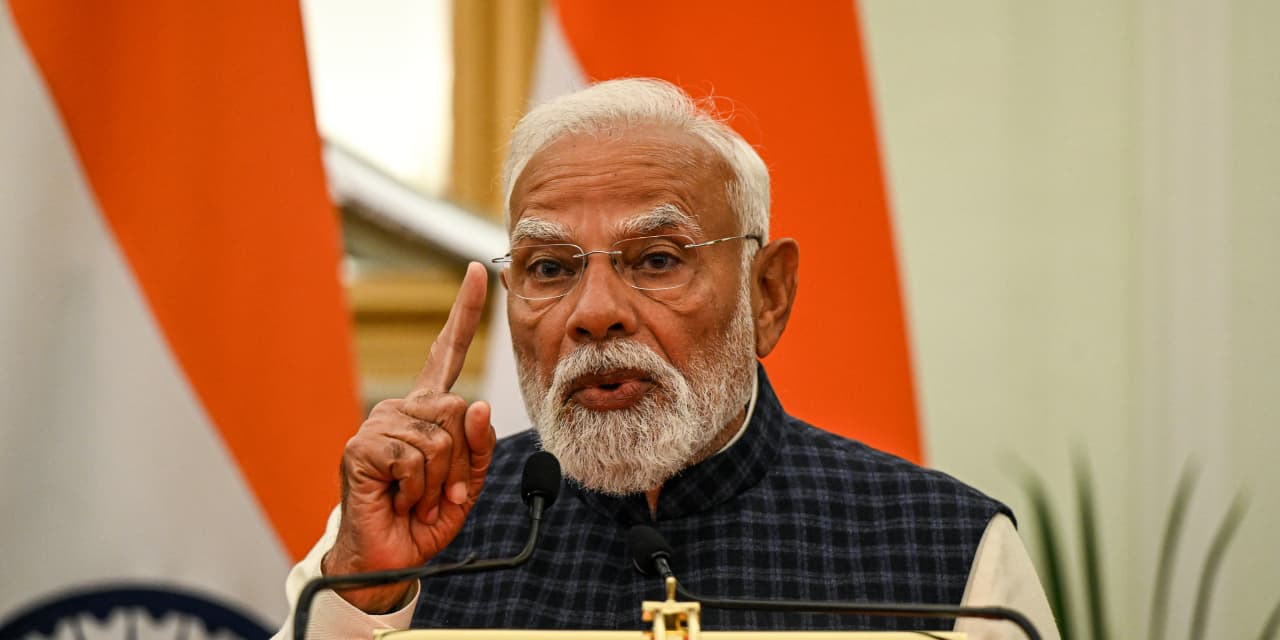
India Secures Trade Agreement with the U.S., but Investors Remain Unimpressed.

- India and Tariff Penalties: India appears to be moving out of the tariff penalties imposed by President Donald Trump.
- Impact on Stock Market: Despite this positive development regarding tariffs, India's stock market continues to struggle.
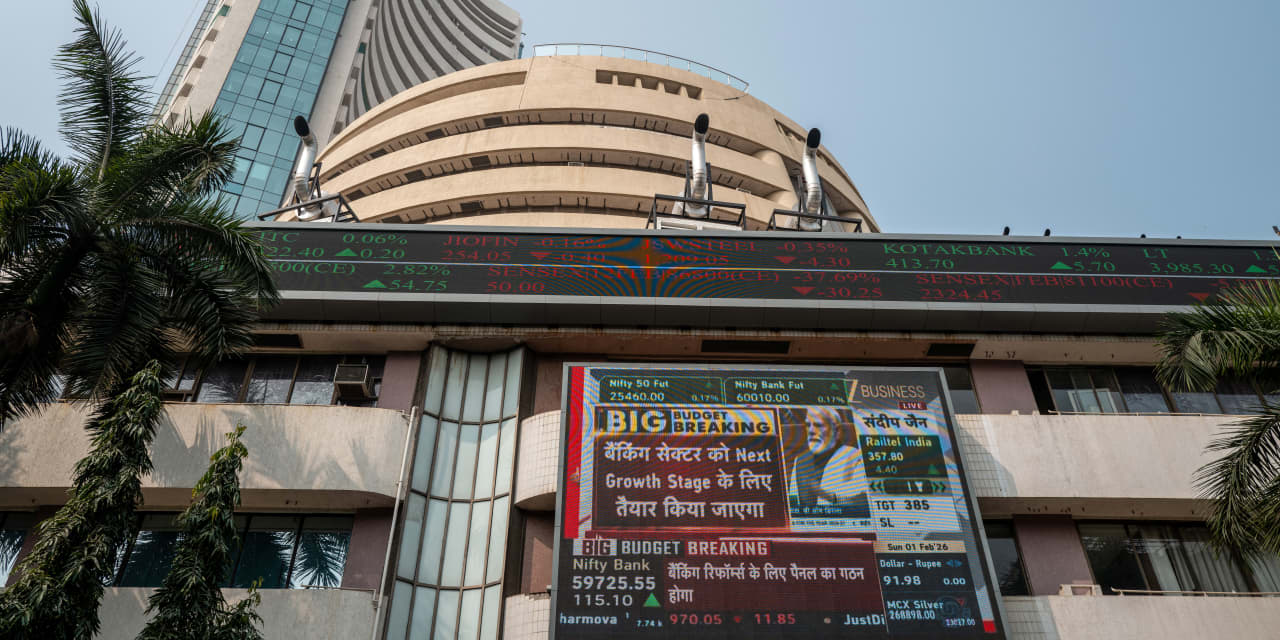
India and Brazil: The Anti-AI Trade Markets Poised for Growth.

- Impact on U.S. Stocks: Rising fears over artificial intelligence have negatively affected U.S. stock markets this week.
- Emerging Markets Response: Concerns about AI have also influenced emerging markets that have benefited from U.S. corporate spending on AI.
- Potential Hedge: Certain segments of emerging markets may provide a hedge against the overall market weakness caused by AI fears.
- Broader Market Implications: The situation highlights the interconnectedness of U.S. corporate spending and global market dynamics in the context of AI developments.

Dell, Heineken, and 28 Additional Selections for 2026 from the Barron’s Roundtable


Dramatic Start to 2026: The year has begun with significant tensions, likened to a transition from conflict to peace efforts.
Greenland's Political Situation: Greenland was on the verge of becoming the seventh state of New England, highlighting its unique geopolitical status.
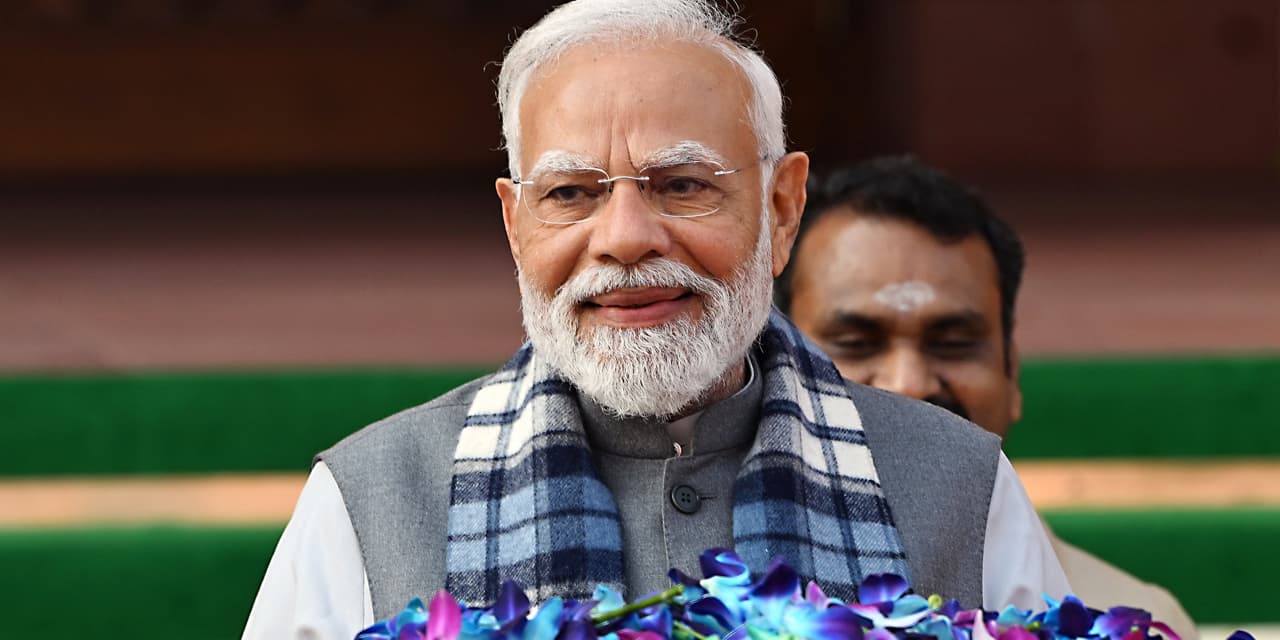
India Set for a Comeback: 3 Stocks Worth Considering.

India's Unique Approach: While the financial world is heavily focused on artificial intelligence, India is taking a different path that may yield positive results by 2026.
Potential Outcomes: The effectiveness of India's strategy remains uncertain, raising questions about whether this divergence will be beneficial or detrimental.

Significant Cross of the 200-Day Moving Average - INDA
52 Week Range: INDA's stock has a 52-week low of $47.595 and a high of $56.01, with the last trade recorded at $53.05.
Market Analysis: The article mentions a comparison with other ETFs that have recently fallen below their 200-day moving average.
Author's Perspective: The views expressed in the article are solely those of the author and do not necessarily represent Nasdaq, Inc.
Call to Action: There is a prompt to click for more information on other ETFs that have crossed below their moving averages.
Iran Conflict Strikes India at Its Lowest Point
- Impact of Regional Conflict: India is facing collateral damage from the ongoing war in the Persian Gulf, despite not being directly involved in the conflict.
- Challenging Circumstances: The situation is exacerbating existing challenges for the world's most populous country.
India Secures Trade Agreement with the U.S., but Investors Remain Unimpressed.
- India and Tariff Penalties: India appears to be moving out of the tariff penalties imposed by President Donald Trump.
- Impact on Stock Market: Despite this positive development regarding tariffs, India's stock market continues to struggle.
India and Brazil: The Anti-AI Trade Markets Poised for Growth.
- Impact on U.S. Stocks: Rising fears over artificial intelligence have negatively affected U.S. stock markets this week.
- Emerging Markets Response: Concerns about AI have also influenced emerging markets that have benefited from U.S. corporate spending on AI.
- Potential Hedge: Certain segments of emerging markets may provide a hedge against the overall market weakness caused by AI fears.
- Broader Market Implications: The situation highlights the interconnectedness of U.S. corporate spending and global market dynamics in the context of AI developments.
Dell, Heineken, and 28 Additional Selections for 2026 from the Barron’s Roundtable
Dramatic Start to 2026: The year has begun with significant tensions, likened to a transition from conflict to peace efforts.
Greenland's Political Situation: Greenland was on the verge of becoming the seventh state of New England, highlighting its unique geopolitical status.
India Set for a Comeback: 3 Stocks Worth Considering.
India's Unique Approach: While the financial world is heavily focused on artificial intelligence, India is taking a different path that may yield positive results by 2026.
Potential Outcomes: The effectiveness of India's strategy remains uncertain, raising questions about whether this divergence will be beneficial or detrimental.
Significant Cross of the 200-Day Moving Average - INDA
52 Week Range: INDA's stock has a 52-week low of $47.595 and a high of $56.01, with the last trade recorded at $53.05.
Market Analysis: The article mentions a comparison with other ETFs that have recently fallen below their 200-day moving average.
Author's Perspective: The views expressed in the article are solely those of the author and do not necessarily represent Nasdaq, Inc.
Call to Action: There is a prompt to click for more information on other ETFs that have crossed below their moving averages.





