Market Resembles 1999 but with Greater Punishment for Stocks
Written by Emily J. Thompson, Senior Investment Analyst
Updated: May 11 2026
0mins


Source: Newsfilter
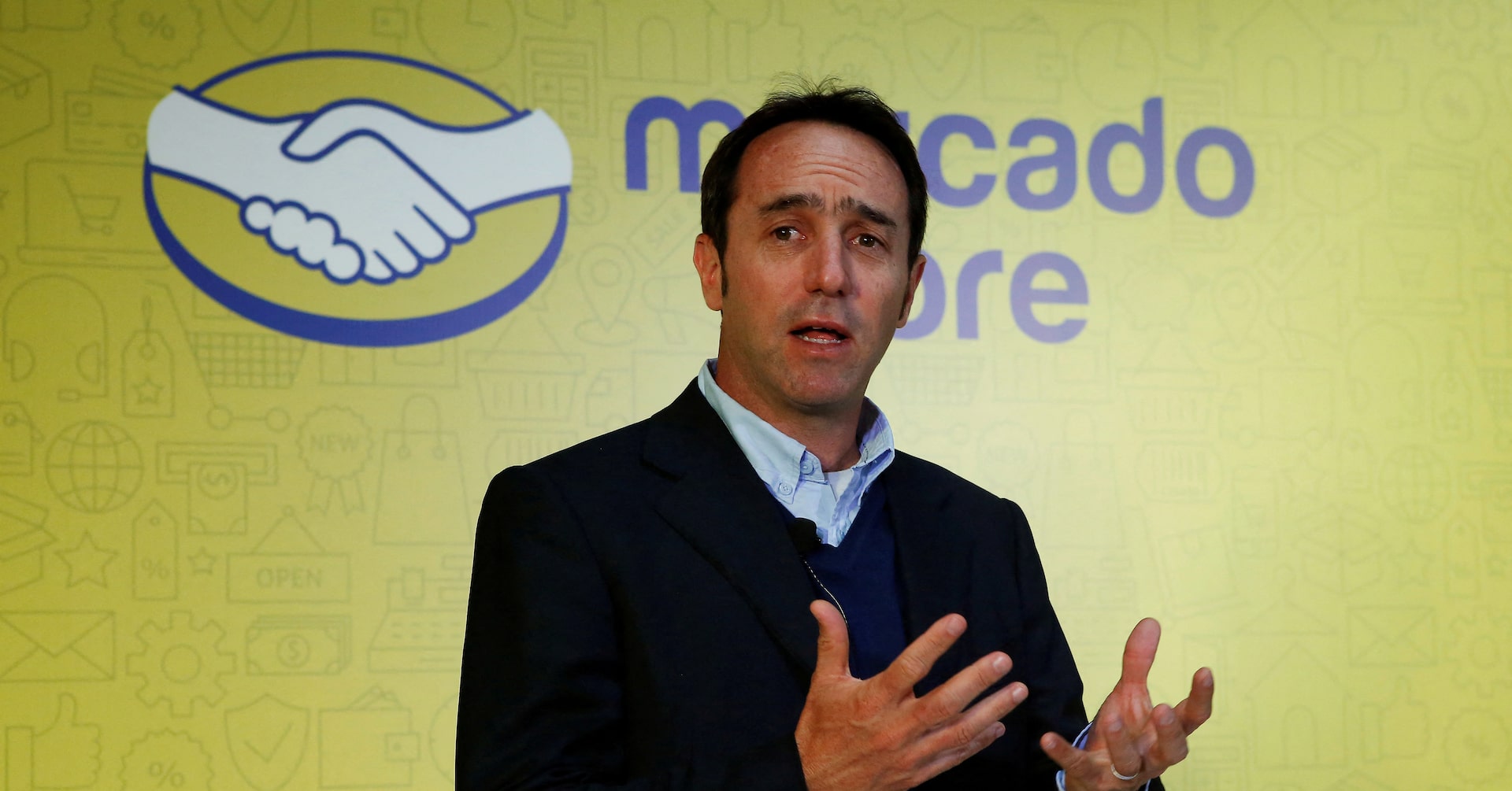
- Increased Market Punishment: Cramer highlighted that the current market punishes companies that miss expectations more severely than in 1999, with Abbott Laboratories down 34% this year, indicating investor disappointment in healthcare tech firms.
- Investor Sentiment Divergence: While the S&P 500 and Nasdaq Composite reached record highs, the market has become increasingly bifurcated, with investors flocking to artificial intelligence stocks while aggressively selling off others.
- Healthcare Tech Companies Struggling: Danaher has seen a 27% decline in stock price, and Cramer noted that several medical technology firms, including Boston Scientific and Medtronic, have hit new lows, reflecting a cold market attitude towards non-tech stocks.
- AI Hype and Market Extremes: Cramer cautioned that while investors are overly enthusiastic about AI stocks, the current market dynamics are far more extreme than in 1999, with some hated stocks being excessively punished and loved stocks being excessively favored.
Trade with 70% Backtested Accuracy
Stop guessing "Should I Buy ABT?" and start using high-conviction signals backed by rigorous historical data.
Sign up today to access powerful investing tools and make smarter, data-driven decisions.
Analyst Views on ABT
Wall Street analysts forecast ABT stock price to rise
19 Analyst Rating
17 Buy
2 Hold
0 Sell
Strong Buy
Current: 88.500

Low
136.00
Averages
148.11
High
169.00
Current: 88.500
Low
136.00
Averages
148.11
High
169.00
About ABT
Abbott Laboratories is a global healthcare company. The Company’s principal business is the discovery, development, manufacture, and sale of a broad and diversified line of healthcare products. Its segments include Established Pharmaceutical Products, Diagnostic Products, Nutritional Products, and Medical Devices. Established Pharmaceutical Products segment is engaged in the international sales of a broad line of branded generic pharmaceutical products. Diagnostic Products segment is involved in the worldwide sales of diagnostic systems and tests for blood banks, hospitals, commercial laboratories and alternate-care testing sites. Nutritional Products segment is engaged in the worldwide sales of a broad line of adult and pediatric nutritional products. Medical Devices segment is involved in the worldwide sales of rhythm management, electrophysiology, heart failure, vascular, structural heart, neuromodulation and diabetes care products. It serves people in more than 160 countries.
About the author

Emily J. Thompson
Emily J. Thompson, a Chartered Financial Analyst (CFA) with 12 years in investment research, graduated with honors from the Wharton School. Specializing in industrial and technology stocks, she provides in-depth analysis for Intellectia’s earnings and market brief reports.

Abbott's Q2 Earnings Preview and Growth Drivers

- Diversified Business Model: Abbott operates across four major segments—medical devices, diagnostics, nutrition, and established pharmaceuticals—reporting $5.5 billion in medical device revenue in Q1 2023, which constitutes about 50% of total sales, showcasing resilience in changing healthcare and economic environments.
- Diabetes Care Growth: The FreeStyle Libre continuous glucose monitoring platform generated approximately $2 billion in Q1 sales with over 7 million users globally, and with diabetes prevalence expected to exceed 850 million by 2050, Abbott has significant growth potential in this area.
- Cardiovascular Business Boost: Abbott's cardiovascular segment achieved around $578 million in Q1 revenue, with products like MitraClip and TriClip capturing an increasing share of the minimally invasive heart repair market, which is projected to expand significantly over the next decade.
- Steady Revenue Streams: Abbott's diagnostics and nutrition segments produced approximately $2.1 billion and $2 billion in Q1 sales, respectively, with brands like Ensure and Glucerna providing recurring revenue that helps offset fluctuations in other business areas.
See More

Abbott's Diversified Business Fuels Growth
- Medical Device Growth: Abbott's medical device segment generated approximately $5.5 billion in revenue during Q1, accounting for nearly half of the company's total sales, showcasing its strong competitive position and market demand in the healthcare sector.
- Diabetes Monitoring Success: The FreeStyle Libre continuous glucose monitoring platform achieved around $2 billion in sales in Q1, with over 7 million users globally, indicating Abbott's significant presence in the rapidly growing diabetes care market.
- Cardiovascular Business Contribution: Abbott's cardiovascular segment reported approximately $578 million in revenue from structural heart products in Q1, with analysts expecting significant market expansion over the next decade due to aging populations, further driving the company's growth.
- Stable Revenue Streams: Abbott's diagnostics and nutrition segments generated about $2.1 billion and $2 billion in sales respectively during Q1, ensuring stability in fluctuating markets and providing funding for future innovation investments.
See More

Abbott's Q2 Earnings Preview and Growth Drivers

- Diversified Business Structure: Abbott operates across four major segments: medical devices, diagnostics, nutrition, and established pharmaceuticals, with Q1 2023 medical device revenue reaching $5.5 billion, accounting for about 50% of total sales, which has helped the company remain resilient in changing healthcare environments.
- Diabetes Care Growth: Abbott's FreeStyle Libre continuous glucose monitoring platform generated approximately $2 billion in Q1 sales, with over 7 million users globally, and as the number of diabetes patients is expected to exceed 850 million by 2050, Abbott has significant growth potential in this area.
- Cardiovascular Business Contribution: Abbott's cardiovascular segment generated about $578 million in Q1 revenue, and with an aging population, analysts expect this market to expand significantly over the next decade, with Abbott's MitraClip and TriClip products helping to capture this growing share.
- Stable Revenue Sources: Abbott's diagnostics and nutrition segments produced approximately $2.1 billion and $2 billion in Q1 sales, respectively, with brands like Ensure and Similac providing steady revenue streams that help offset fluctuations in other areas of the business.
See More

Overview of Recent Insider Trading Activities

- American Express Executive Sells Shares: Glenda McNeal, Chief Partner Officer at American Express, sold 7,033 shares at $339.36 each between June 15 and 19, totaling approximately $2.39 million, reducing her holdings by 42% to 9,715 shares, indicating a cautious outlook on the company's future.
- Dell Executive's Significant Sale: Richard Rothberg, General Counsel at Dell Technologies, disposed of 20,000 shares at $410 each, generating $8.20 million, which accounted for about 12.31% of his holdings, reducing his stake to 142,415 shares, reflecting a strategic response to market volatility.
- Broadcom Legal Executive's Transactions: Mark Brazeal, Chief Legal & Corporate Affairs Officer at Broadcom, sold 8,152 shares across several transactions for a total of $3.18 million, representing about 2.93% of his holdings, leaving him with 269,989 shares, suggesting a short-term perspective on the stock price.
- SoFi CEO Increases Holdings: Anthony Noto, CEO of SoFi Technologies, purchased 13,888 shares at $18.06 each for approximately $250,787, raising his total holdings to 11.96 million shares, demonstrating confidence in the company's long-term growth potential.
See More
Citi Reiterates Buy Rating on Abbott Laboratories Amid Valuation Insights
- Undervalued Market Position: Citi's analysis suggests that Abbott's individual business segments may be worth more than the current market valuation, estimating a share price range of $99 to $104 compared to the current price of about $89, indicating significant upside potential.
- Product Pipeline Support: Analysts noted that easing market headwinds and the introduction of new products could help Abbott's stock reverse recent pressures, thereby boosting investor confidence and driving price recovery.
- BofA Price Target Adjustment: Although BofA lowered its price target for Abbott from $120 to $102, it maintained a Buy rating, reflecting a cautious outlook on the future utilization trends in the medtech sector, indicating a complex market perspective.
- Challenges in Medtech Sector: Analysts anticipate that inflation will pose additional challenges to margin expansion in 2027, leading to downward adjustments in valuations for several large-cap medtech companies, highlighting the need for Abbott to remain competitive in a challenging environment.
See More

Abbott Declares 410th Consecutive Dividend Payment

- Abbott's Dividend Milestone: Abbott's board declared a quarterly cash dividend of 63 cents per share, marking the 410th consecutive dividend since 1924, showcasing the company's strong financial stability and commitment to shareholder returns.
- Consistent Dividend Growth: Abbott has increased its dividend payout for 54 consecutive years, making it a member of the S&P 500 Dividend Aristocrats Index, which underscores its long-term strategy in shareholder returns and market trust.
- HEICO's Dividend Increase: HEICO announced a semiannual cash dividend of $0.13 per share, an 8% increase from the previous $0.12, reflecting the company's strong performance in profitability and cash flow management.
- Graco's Quarterly Dividend: Graco's board declared a regular quarterly dividend of 29.5 cents per share, payable on August 5, 2026, further solidifying its stability and attractiveness in the market.
See More
Abbott's Q2 Earnings Preview and Growth Drivers
- Diversified Business Model: Abbott operates across four major segments—medical devices, diagnostics, nutrition, and established pharmaceuticals—reporting $5.5 billion in medical device revenue in Q1 2023, which constitutes about 50% of total sales, showcasing resilience in changing healthcare and economic environments.
- Diabetes Care Growth: The FreeStyle Libre continuous glucose monitoring platform generated approximately $2 billion in Q1 sales with over 7 million users globally, and with diabetes prevalence expected to exceed 850 million by 2050, Abbott has significant growth potential in this area.
- Cardiovascular Business Boost: Abbott's cardiovascular segment achieved around $578 million in Q1 revenue, with products like MitraClip and TriClip capturing an increasing share of the minimally invasive heart repair market, which is projected to expand significantly over the next decade.
- Steady Revenue Streams: Abbott's diagnostics and nutrition segments produced approximately $2.1 billion and $2 billion in Q1 sales, respectively, with brands like Ensure and Glucerna providing recurring revenue that helps offset fluctuations in other business areas.
See More
Abbott's Diversified Business Fuels Growth
- Medical Device Growth: Abbott's medical device segment generated approximately $5.5 billion in revenue during Q1, accounting for nearly half of the company's total sales, showcasing its strong competitive position and market demand in the healthcare sector.
- Diabetes Monitoring Success: The FreeStyle Libre continuous glucose monitoring platform achieved around $2 billion in sales in Q1, with over 7 million users globally, indicating Abbott's significant presence in the rapidly growing diabetes care market.
- Cardiovascular Business Contribution: Abbott's cardiovascular segment reported approximately $578 million in revenue from structural heart products in Q1, with analysts expecting significant market expansion over the next decade due to aging populations, further driving the company's growth.
- Stable Revenue Streams: Abbott's diagnostics and nutrition segments generated about $2.1 billion and $2 billion in sales respectively during Q1, ensuring stability in fluctuating markets and providing funding for future innovation investments.
See More
Abbott's Q2 Earnings Preview and Growth Drivers
- Diversified Business Structure: Abbott operates across four major segments: medical devices, diagnostics, nutrition, and established pharmaceuticals, with Q1 2023 medical device revenue reaching $5.5 billion, accounting for about 50% of total sales, which has helped the company remain resilient in changing healthcare environments.
- Diabetes Care Growth: Abbott's FreeStyle Libre continuous glucose monitoring platform generated approximately $2 billion in Q1 sales, with over 7 million users globally, and as the number of diabetes patients is expected to exceed 850 million by 2050, Abbott has significant growth potential in this area.
- Cardiovascular Business Contribution: Abbott's cardiovascular segment generated about $578 million in Q1 revenue, and with an aging population, analysts expect this market to expand significantly over the next decade, with Abbott's MitraClip and TriClip products helping to capture this growing share.
- Stable Revenue Sources: Abbott's diagnostics and nutrition segments produced approximately $2.1 billion and $2 billion in Q1 sales, respectively, with brands like Ensure and Similac providing steady revenue streams that help offset fluctuations in other areas of the business.
See More
Overview of Recent Insider Trading Activities
- American Express Executive Sells Shares: Glenda McNeal, Chief Partner Officer at American Express, sold 7,033 shares at $339.36 each between June 15 and 19, totaling approximately $2.39 million, reducing her holdings by 42% to 9,715 shares, indicating a cautious outlook on the company's future.
- Dell Executive's Significant Sale: Richard Rothberg, General Counsel at Dell Technologies, disposed of 20,000 shares at $410 each, generating $8.20 million, which accounted for about 12.31% of his holdings, reducing his stake to 142,415 shares, reflecting a strategic response to market volatility.
- Broadcom Legal Executive's Transactions: Mark Brazeal, Chief Legal & Corporate Affairs Officer at Broadcom, sold 8,152 shares across several transactions for a total of $3.18 million, representing about 2.93% of his holdings, leaving him with 269,989 shares, suggesting a short-term perspective on the stock price.
- SoFi CEO Increases Holdings: Anthony Noto, CEO of SoFi Technologies, purchased 13,888 shares at $18.06 each for approximately $250,787, raising his total holdings to 11.96 million shares, demonstrating confidence in the company's long-term growth potential.
See More
Citi Reiterates Buy Rating on Abbott Laboratories Amid Valuation Insights
- Undervalued Market Position: Citi's analysis suggests that Abbott's individual business segments may be worth more than the current market valuation, estimating a share price range of $99 to $104 compared to the current price of about $89, indicating significant upside potential.
- Product Pipeline Support: Analysts noted that easing market headwinds and the introduction of new products could help Abbott's stock reverse recent pressures, thereby boosting investor confidence and driving price recovery.
- BofA Price Target Adjustment: Although BofA lowered its price target for Abbott from $120 to $102, it maintained a Buy rating, reflecting a cautious outlook on the future utilization trends in the medtech sector, indicating a complex market perspective.
- Challenges in Medtech Sector: Analysts anticipate that inflation will pose additional challenges to margin expansion in 2027, leading to downward adjustments in valuations for several large-cap medtech companies, highlighting the need for Abbott to remain competitive in a challenging environment.
See More
Abbott Declares 410th Consecutive Dividend Payment
- Abbott's Dividend Milestone: Abbott's board declared a quarterly cash dividend of 63 cents per share, marking the 410th consecutive dividend since 1924, showcasing the company's strong financial stability and commitment to shareholder returns.
- Consistent Dividend Growth: Abbott has increased its dividend payout for 54 consecutive years, making it a member of the S&P 500 Dividend Aristocrats Index, which underscores its long-term strategy in shareholder returns and market trust.
- HEICO's Dividend Increase: HEICO announced a semiannual cash dividend of $0.13 per share, an 8% increase from the previous $0.12, reflecting the company's strong performance in profitability and cash flow management.
- Graco's Quarterly Dividend: Graco's board declared a regular quarterly dividend of 29.5 cents per share, payable on August 5, 2026, further solidifying its stability and attractiveness in the market.
See More