Market Comparison: Rocket Lab vs. SpaceX
Written by Emily J. Thompson, Senior Investment Analyst
Updated: 9 hours ago
0mins
Source: Fool
- Market Capitalization Comparison: SpaceX is expected to debut at a market capitalization of up to $2 trillion during its IPO, while Rocket Lab's market cap stands at only $85.7 billion, indicating that Rocket Lab has over 22 times the growth potential in market value, yet profitability challenges warrant caution for investors.
- Revenue and Growth Rates: Rocket Lab's projected revenue for 2025 is $602 million with a growth rate of 38.1%, compared to SpaceX's anticipated revenue of $18.7 billion and a growth rate of 33.5%; although Rocket Lab is growing slightly faster, both companies face difficulties in achieving profitability.
- R&D Investment Analysis: SpaceX reinvests nearly $9.5 billion of its gross profit into R&D in 2025, showcasing its robust R&D capabilities, while Rocket Lab's R&D spending exceeds 100% of its gross profit at only $271 million, reflecting its resource constraints.
- Valuation and Investment Risks: Despite Rocket Lab's price-to-sales ratio of 142 times and SpaceX's 107 times, suggesting Rocket Lab is more expensive, the larger revenue base and growth potential of SpaceX may make it a more attractive investment option.
Trade with 70% Backtested Accuracy
Stop guessing "Should I Buy RKLB?" and start using high-conviction signals backed by rigorous historical data.
Sign up today to access powerful investing tools and make smarter, data-driven decisions.
Analyst Views on RKLB
Wall Street analysts forecast RKLB stock price to fall
11 Analyst Rating
7 Buy
4 Hold
0 Sell
Moderate Buy
Current: 143.480

Low
63.00
Averages
86.89
High
120.00
Current: 143.480
Low
63.00
Averages
86.89
High
120.00
About RKLB
Rocket Lab Corporation is an end-to-end space company. The Company designs and manufactures small and medium-class rockets, spacecraft and spacecraft components, and related software and services to support the space economy. The Company delivers reliable launch services, satellite manufacture, spacecraft design services, spacecraft components, spacecraft manufacturing, and other spacecraft and on-orbit management solutions that make it easier to access space. Its Launch Services segment provides launch and launch-related services to customers on a dedicated mission or ride-share basis. Its Space Systems segment comprises the design and manufacture of spacecraft components and spacecraft program management services, space data applications, and mission operations. Its space systems solutions are the building blocks for spacecraft, which include composite structures, reaction wheels, star trackers, solar solutions, radios, separation systems, and command and control spacecraft software.
About the author

Emily J. Thompson
Emily J. Thompson, a Chartered Financial Analyst (CFA) with 12 years in investment research, graduated with honors from the Wharton School. Specializing in industrial and technology stocks, she provides in-depth analysis for Intellectia’s earnings and market brief reports.

SpaceX IPO Set to Propel Space Economy Growth
- Space Economy Outlook: SpaceX's IPO scheduled for June is anticipated to be the largest ever, drawing significant investor interest towards the rapidly growing space economy, with PwC projecting it could reach $2 trillion by 2040, indicating substantial market potential.
- Rocket Lab's Market Position: As the second-most-used launch company in the U.S., Rocket Lab has established a comprehensive space business encompassing launch services, space components, and system management, with a backlog of $2.2 billion, reflecting strong market demand.
- Expansion into Defense Contracts: Rocket Lab has developed the HASTE hypersonic test rocket and secured a $190 million contract from the U.S. government for 20 hypersonic test flights over the next four years, enhancing its competitiveness in the defense sector and providing a significant revenue stream.
- Launch of New Rocket: Rocket Lab plans to roll out its medium-lift Neutron rocket later this year, which will allow it to carry larger payloads and compete for higher-margin contracts, further solidifying its position in the space launch market to meet increasing demand.
See More

Jefferies Downgrades Redwire to Hold Amid Valuation Concerns


- Rating Downgrade: Jefferies has downgraded Redwire from 'Buy' to 'Hold', highlighting the stock's impressive rally in May where it more than doubled in value, yet it now faces limited near-term upside and needs to demonstrate effective backlog conversion.
- Valuation Concerns: Redwire currently trades at nearly 9x its estimated sales for this year, a significant increase from over 3x last year, indicating a cautious market sentiment regarding its future growth potential, which may impact investor confidence.
- Stock Volatility: Following the downgrade by Jefferies, Redwire's stock fell nearly 16% on Monday, and if losses persist, it could mark the largest single-day percentage decline in six months, reflecting concerns about the company's outlook.
- Retail Sentiment: Despite the stock pullback, retail sentiment towards RDW on Stocktwits remains in the 'extremely bullish' territory, with some users viewing the current dip as a buying opportunity, indicating ongoing optimism among investors in the space sector.
See More
SpaceX IPO Set to Break Records as Largest Ever
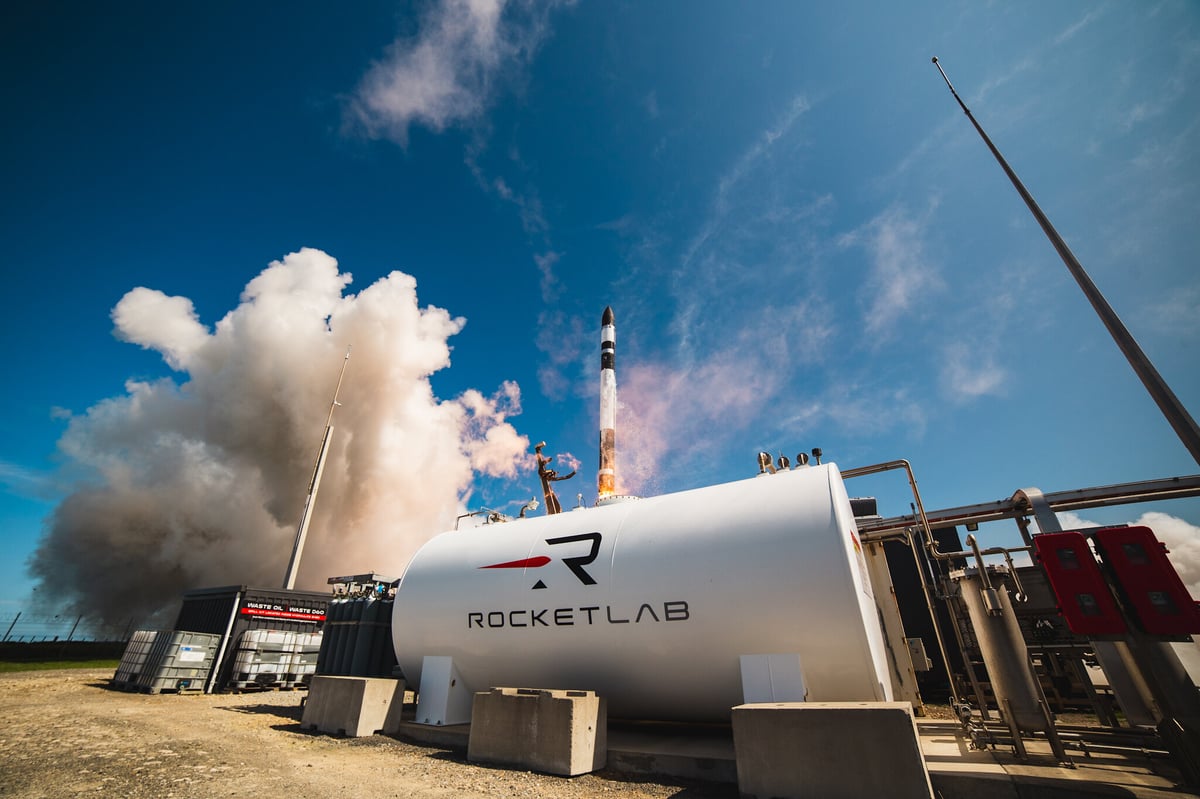
- Space Economy Surge: With the SpaceX IPO approaching, expected to be the largest in history, it has drawn unprecedented investor attention, highlighting the rapid growth potential of the space economy.
- Rocket Lab's Competitive Edge: As the second-largest launch provider in the U.S., Rocket Lab is expanding its market share with its small-lift Electron rocket and the upcoming medium-lift Neutron rocket, aiming for larger, higher-margin contracts.
- Defense Contracts Boost: Rocket Lab secured a $190 million contract from the U.S. government for 20 HASTE hypersonic test flights over the next four years, further solidifying its position in the defense sector.
- Robust Backlog: Rocket Lab's backlog has reached $2.2 billion, indicating strong demand in both its launch services and space systems businesses, suggesting significant long-term growth potential in the space economy.
See More

Analysis of SpaceX's IPO Prospects
- Market Valuation Comparison: SpaceX is expected to debut at a market capitalization of up to $2 trillion during its IPO, while Rocket Lab's valuation stands at $85.7 billion, indicating that SpaceX's market potential significantly exceeds that of Rocket Lab, even though the latter appears to have more room for growth.
- Revenue and R&D Spending: SpaceX's projected revenue for 2025 is $18.7 billion, with R&D expenditures reaching $9.5 billion, demonstrating its ongoing commitment to technological innovation, whereas Rocket Lab's revenue is only $602 million, and its R&D spending exceeds 100% of its gross profit, indicating financial strain.
- Profitability Challenges: Both companies are struggling with profitability, with SpaceX expected to incur a net loss of $4.9 billion in 2025, while Rocket Lab anticipates a loss of $198 million, reflecting the high costs and competitive pressures in the aerospace industry.
- Growth Potential Assessment: Although Rocket Lab's revenue growth rate is 38.1%, surpassing SpaceX's 33.5%, SpaceX's sales multiple is 107 times, compared to Rocket Lab's 142 times, suggesting that SpaceX presents a more attractive relative value in the market.
See More

Market Comparison: Rocket Lab vs. SpaceX
- Market Capitalization Comparison: SpaceX is expected to debut at a market capitalization of up to $2 trillion during its IPO, while Rocket Lab's market cap stands at only $85.7 billion, indicating that Rocket Lab has over 22 times the growth potential in market value, yet profitability challenges warrant caution for investors.
- Revenue and Growth Rates: Rocket Lab's projected revenue for 2025 is $602 million with a growth rate of 38.1%, compared to SpaceX's anticipated revenue of $18.7 billion and a growth rate of 33.5%; although Rocket Lab is growing slightly faster, both companies face difficulties in achieving profitability.
- R&D Investment Analysis: SpaceX reinvests nearly $9.5 billion of its gross profit into R&D in 2025, showcasing its robust R&D capabilities, while Rocket Lab's R&D spending exceeds 100% of its gross profit at only $271 million, reflecting its resource constraints.
- Valuation and Investment Risks: Despite Rocket Lab's price-to-sales ratio of 142 times and SpaceX's 107 times, suggesting Rocket Lab is more expensive, the larger revenue base and growth potential of SpaceX may make it a more attractive investment option.
See More
Blue Origin Rocket Explosion Triggers Decline in Space Stocks
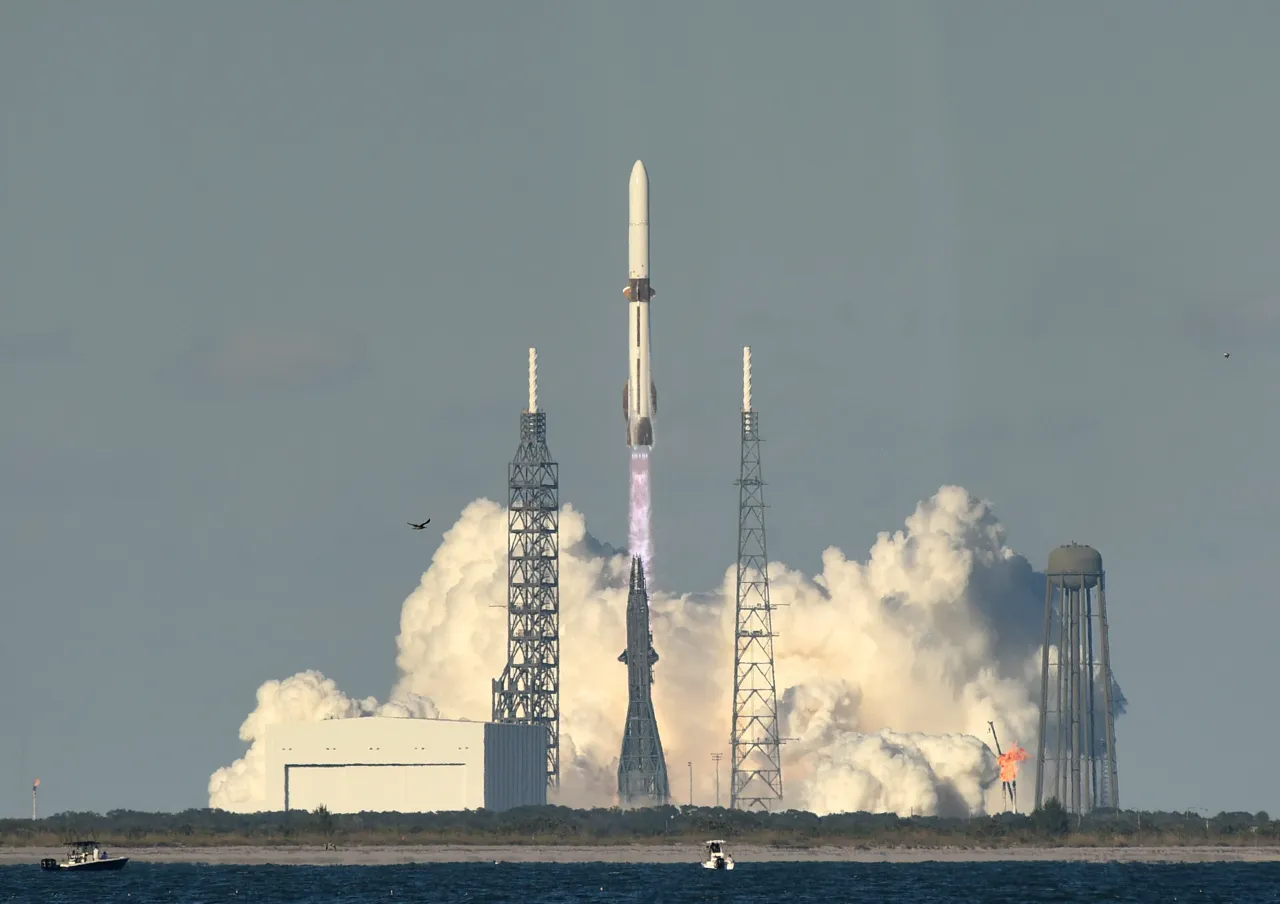
- Launch Schedule Risks Heightened: Following the Blue Origin rocket explosion, AST SpaceMobile (ASTS) shares fell 5% in premarket trading, with analyst Tim Farrar warning that only 3-5 Falcon 9 launches are realistic this year, potentially delaying ASTS's satellite coverage network deployment to 2028, which could negatively impact future revenues.
- Blue Origin Issues Escalate: Blue Origin confirmed an 'anomaly' during a hotfire test of its New Glenn rocket, marking the second major setback in less than two months; while all personnel are safe, this incident has heightened investor concerns regarding launch execution risks, affecting valuations across the space sector.
- Market Sentiment Shift: As ASTS shares declined, other space stocks like RKLB, LUNR, RDW, and RKTO also faced sell-offs, prompting investors to reassess launch risks and lunar program timelines, reflecting broader uncertainty about the future of the space industry.
- Retail Investor Sentiment: Despite the overall market sentiment turning cautious, retail sentiment for ASTS, LUNR, and RDW on Stocktwits remains 'extremely bullish', while RKLB holds a 'neutral' stance, indicating ongoing investor interest and expectations for future potential in the space sector.
See More
SpaceX IPO Set to Propel Space Economy Growth
- Space Economy Outlook: SpaceX's IPO scheduled for June is anticipated to be the largest ever, drawing significant investor interest towards the rapidly growing space economy, with PwC projecting it could reach $2 trillion by 2040, indicating substantial market potential.
- Rocket Lab's Market Position: As the second-most-used launch company in the U.S., Rocket Lab has established a comprehensive space business encompassing launch services, space components, and system management, with a backlog of $2.2 billion, reflecting strong market demand.
- Expansion into Defense Contracts: Rocket Lab has developed the HASTE hypersonic test rocket and secured a $190 million contract from the U.S. government for 20 hypersonic test flights over the next four years, enhancing its competitiveness in the defense sector and providing a significant revenue stream.
- Launch of New Rocket: Rocket Lab plans to roll out its medium-lift Neutron rocket later this year, which will allow it to carry larger payloads and compete for higher-margin contracts, further solidifying its position in the space launch market to meet increasing demand.
See More
Jefferies Downgrades Redwire to Hold Amid Valuation Concerns
- Rating Downgrade: Jefferies has downgraded Redwire from 'Buy' to 'Hold', highlighting the stock's impressive rally in May where it more than doubled in value, yet it now faces limited near-term upside and needs to demonstrate effective backlog conversion.
- Valuation Concerns: Redwire currently trades at nearly 9x its estimated sales for this year, a significant increase from over 3x last year, indicating a cautious market sentiment regarding its future growth potential, which may impact investor confidence.
- Stock Volatility: Following the downgrade by Jefferies, Redwire's stock fell nearly 16% on Monday, and if losses persist, it could mark the largest single-day percentage decline in six months, reflecting concerns about the company's outlook.
- Retail Sentiment: Despite the stock pullback, retail sentiment towards RDW on Stocktwits remains in the 'extremely bullish' territory, with some users viewing the current dip as a buying opportunity, indicating ongoing optimism among investors in the space sector.
See More
SpaceX IPO Set to Break Records as Largest Ever
- Space Economy Surge: With the SpaceX IPO approaching, expected to be the largest in history, it has drawn unprecedented investor attention, highlighting the rapid growth potential of the space economy.
- Rocket Lab's Competitive Edge: As the second-largest launch provider in the U.S., Rocket Lab is expanding its market share with its small-lift Electron rocket and the upcoming medium-lift Neutron rocket, aiming for larger, higher-margin contracts.
- Defense Contracts Boost: Rocket Lab secured a $190 million contract from the U.S. government for 20 HASTE hypersonic test flights over the next four years, further solidifying its position in the defense sector.
- Robust Backlog: Rocket Lab's backlog has reached $2.2 billion, indicating strong demand in both its launch services and space systems businesses, suggesting significant long-term growth potential in the space economy.
See More
Analysis of SpaceX's IPO Prospects
- Market Valuation Comparison: SpaceX is expected to debut at a market capitalization of up to $2 trillion during its IPO, while Rocket Lab's valuation stands at $85.7 billion, indicating that SpaceX's market potential significantly exceeds that of Rocket Lab, even though the latter appears to have more room for growth.
- Revenue and R&D Spending: SpaceX's projected revenue for 2025 is $18.7 billion, with R&D expenditures reaching $9.5 billion, demonstrating its ongoing commitment to technological innovation, whereas Rocket Lab's revenue is only $602 million, and its R&D spending exceeds 100% of its gross profit, indicating financial strain.
- Profitability Challenges: Both companies are struggling with profitability, with SpaceX expected to incur a net loss of $4.9 billion in 2025, while Rocket Lab anticipates a loss of $198 million, reflecting the high costs and competitive pressures in the aerospace industry.
- Growth Potential Assessment: Although Rocket Lab's revenue growth rate is 38.1%, surpassing SpaceX's 33.5%, SpaceX's sales multiple is 107 times, compared to Rocket Lab's 142 times, suggesting that SpaceX presents a more attractive relative value in the market.
See More
Market Comparison: Rocket Lab vs. SpaceX
- Market Capitalization Comparison: SpaceX is expected to debut at a market capitalization of up to $2 trillion during its IPO, while Rocket Lab's market cap stands at only $85.7 billion, indicating that Rocket Lab has over 22 times the growth potential in market value, yet profitability challenges warrant caution for investors.
- Revenue and Growth Rates: Rocket Lab's projected revenue for 2025 is $602 million with a growth rate of 38.1%, compared to SpaceX's anticipated revenue of $18.7 billion and a growth rate of 33.5%; although Rocket Lab is growing slightly faster, both companies face difficulties in achieving profitability.
- R&D Investment Analysis: SpaceX reinvests nearly $9.5 billion of its gross profit into R&D in 2025, showcasing its robust R&D capabilities, while Rocket Lab's R&D spending exceeds 100% of its gross profit at only $271 million, reflecting its resource constraints.
- Valuation and Investment Risks: Despite Rocket Lab's price-to-sales ratio of 142 times and SpaceX's 107 times, suggesting Rocket Lab is more expensive, the larger revenue base and growth potential of SpaceX may make it a more attractive investment option.
See More
Blue Origin Rocket Explosion Triggers Decline in Space Stocks
- Launch Schedule Risks Heightened: Following the Blue Origin rocket explosion, AST SpaceMobile (ASTS) shares fell 5% in premarket trading, with analyst Tim Farrar warning that only 3-5 Falcon 9 launches are realistic this year, potentially delaying ASTS's satellite coverage network deployment to 2028, which could negatively impact future revenues.
- Blue Origin Issues Escalate: Blue Origin confirmed an 'anomaly' during a hotfire test of its New Glenn rocket, marking the second major setback in less than two months; while all personnel are safe, this incident has heightened investor concerns regarding launch execution risks, affecting valuations across the space sector.
- Market Sentiment Shift: As ASTS shares declined, other space stocks like RKLB, LUNR, RDW, and RKTO also faced sell-offs, prompting investors to reassess launch risks and lunar program timelines, reflecting broader uncertainty about the future of the space industry.
- Retail Investor Sentiment: Despite the overall market sentiment turning cautious, retail sentiment for ASTS, LUNR, and RDW on Stocktwits remains 'extremely bullish', while RKLB holds a 'neutral' stance, indicating ongoing investor interest and expectations for future potential in the space sector.
See More