Johnson & Johnson Acquires Firefly Bio to Boost Oncology Market Position
Written by Emily J. Thompson, Senior Investment Analyst
Updated: 1 hour ago
0mins
Source: Fool
- Market Potential: The global oncology market is currently valued at nearly $280 billion and is projected to reach $700 billion by 2035, presenting significant growth opportunities for Johnson & Johnson, particularly in cancer treatment.
- Strategic Acquisition: Johnson & Johnson's acquisition of Firefly Bio for $1 billion aims to leverage its Firelink degrader antibody conjugate platform, focusing on KRAS tumors, marking a strategic move in the oncology sector.
- Technological Innovation: The Firelink platform utilizes antibody-drug conjugate (ADC) technology to effectively target and destroy specific proteins on cancer cells, enhancing the efficacy of cancer treatments and advancing J&J's ADC portfolio.
- Clear Revenue Goals: Johnson & Johnson aims to achieve $50 billion in annual oncology revenue by 2030, and the acquisition of Firefly will accelerate this goal while helping the company capture a larger share of the projected $21 billion antibody-drug conjugate market by 2030.
Trade with 70% Backtested Accuracy
Stop guessing "Should I Buy JNJ?" and start using high-conviction signals backed by rigorous historical data.
Sign up today to access powerful investing tools and make smarter, data-driven decisions.
Analyst Views on JNJ
Wall Street analysts forecast JNJ stock price to fall
20 Analyst Rating
13 Buy
7 Hold
0 Sell
Moderate Buy
Current: 238.330

Low
190.00
Averages
218.50
High
240.00
Current: 238.330
Low
190.00
Averages
218.50
High
240.00
About JNJ
Johnson & Johnson and its subsidiaries are engaged in the research and development, manufacture, and sale of a range of products in the healthcare field. The Company’s segments include Innovative Medicine and MedTech. The Innovative Medicine segment is focused on various therapeutic areas, including immunology, infectious diseases, neuroscience, oncology, pulmonary hypertension, cardiovascular and metabolism. Its products include REMICADE (infliximab), SIMPONI (golimumab), SIMPONI ARIA (golimumab), STELARA (ustekinumab), TREMFYA (guselkumab), EDURANT (rilpivirine), and INVEGA SUSTENNA/XEPLION (paliperidone palmitate). The MedTech segment includes a portfolio of products used in cardiovascular, orthopedics, surgery, and vision categories. The Cardiovascular portfolio includes electrophysiology products to treat heart rhythm disorders and circulatory restoration products (Shockwave) for the treatment of calcified coronary artery disease (CAD) and peripheral artery disease (PAD).
About the author

Emily J. Thompson
Emily J. Thompson, a Chartered Financial Analyst (CFA) with 12 years in investment research, graduated with honors from the Wharton School. Specializing in industrial and technology stocks, she provides in-depth analysis for Intellectia’s earnings and market brief reports.

Johnson & Johnson Acquires Firefly Bio to Boost Cancer Drug Development

- Oncology Market Potential: Precedence Research indicates that the global oncology market is currently valued at nearly $280 billion and is projected to reach $700 billion by 2035, presenting significant growth opportunities for Johnson & Johnson.
- Acquisition Strategy: Johnson & Johnson's recent $1 billion acquisition of Firefly Bio aims to leverage its unique Firelink degrader antibody conjugate platform, focusing on treating KRAS tumors, thereby enhancing its competitive edge in cancer therapeutics.
- Technological Innovation: The Firelink platform enhances the efficacy of antibody-drug conjugates by targeting specific proteins on tumor cells, which is expected to drive J&J towards its goal of achieving $50 billion in annual oncology revenue by 2030.
- Market Outlook: The global antibody-drug conjugate market is projected to reach $21 billion by 2030 and $35 billion by 2035, meaning that the more effective J&J's ADC portfolio becomes, the more secure its market share and revenue targets will be.
See More

Johnson & Johnson Acquires Firefly Bio to Boost Oncology Market Position
- Market Potential: The global oncology market is currently valued at nearly $280 billion and is projected to reach $700 billion by 2035, presenting significant growth opportunities for Johnson & Johnson, particularly in cancer treatment.
- Strategic Acquisition: Johnson & Johnson's acquisition of Firefly Bio for $1 billion aims to leverage its Firelink degrader antibody conjugate platform, focusing on KRAS tumors, marking a strategic move in the oncology sector.
- Technological Innovation: The Firelink platform utilizes antibody-drug conjugate (ADC) technology to effectively target and destroy specific proteins on cancer cells, enhancing the efficacy of cancer treatments and advancing J&J's ADC portfolio.
- Clear Revenue Goals: Johnson & Johnson aims to achieve $50 billion in annual oncology revenue by 2030, and the acquisition of Firefly will accelerate this goal while helping the company capture a larger share of the projected $21 billion antibody-drug conjugate market by 2030.
See More

Biotech Sector Sees Surge in FDA and Global Approvals
- FDA Approval Boosts Innovation: Guardant Health (GH) secured FDA approval for its Guardant360 CDx liquid biopsy test as a companion diagnostic for Boehringer Ingelheim's HERNEXEOS, highlighting the growing importance of liquid biopsy in advanced cancer treatment, which is expected to drive GH's market share growth.
- Therapy Expansion: Eli Lilly (LLY) received FDA approval for an every-eight-week maintenance dose of EBGLYSS, with Q1 2026 sales surging 141% to $145 million, reflecting strong demand in its immunology portfolio and further solidifying the company's market position.
- China Market Breakthrough: Vor Bio (VOR) announced that Telitacicept received approval from China's NMPA, becoming the only approved therapy for Sjögren's disease in the country, supported by positive Phase 3 trial data, which is expected to significantly improve patient quality of life and expand market reach.
- EU Approval for New Therapy: Sanofi (SNY) secured European Commission approval for Sarclisa in newly diagnosed multiple myeloma patients, based on Phase 3 IRAKLIA trial results, which is expected to enhance Sarclisa's application range and strengthen the company's competitiveness in blood cancer treatment.
See More
AbbVie Showcases New Data in Blood Cancer Portfolio


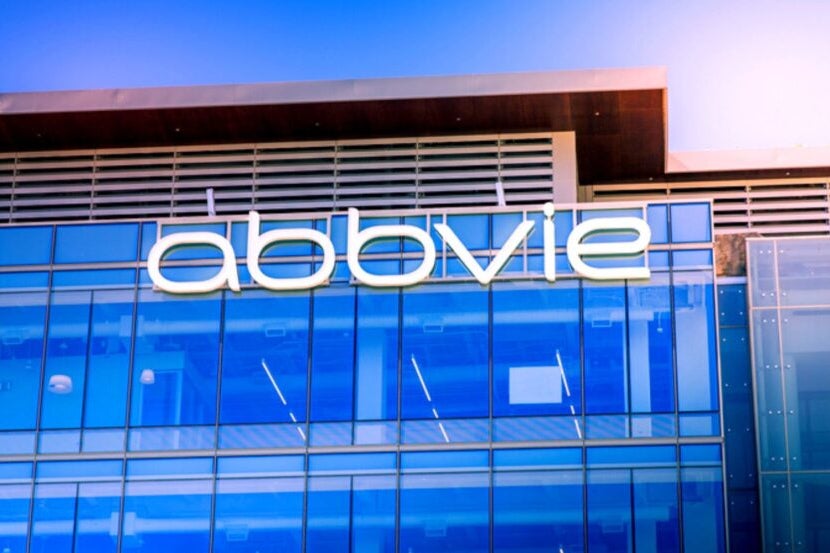
- Dividend Appeal: AbbVie's dividend yield exceeds 3%, significantly higher than the sub-2% yields of blue-chip healthcare stocks like Eli Lilly, Johnson & Johnson, and Amgen, indicating strong cash flow support that helps attract investors and bolster market confidence.
- EHA Conference Presentation: At the European Hematology Association Congress, AbbVie showcased 21 clinical data presentations on various blood cancers, enhancing its reputation in the treatment space and potentially facilitating future regulatory approvals and partnerships, thereby driving revenue growth.
- Diversified Revenue Streams: In 2025, AbbVie's oncology portfolio generated approximately $6.7 billion in revenue, helping to reduce reliance on Humira and enhancing overall business resilience, ensuring sustained cash flow to support dividend payments.
- Ongoing R&D Investment: AbbVie is actively investing in expanding existing therapies and developing next-generation treatments, aiming to create new revenue sources through successful clinical trials, ensuring that oncology continues to be a growth driver and further solidifying its dividend-paying capacity.
See More
AbbVie Expands Blood Cancer Treatment Market with New Data
- Market Expansion Potential: AbbVie showcased 21 research data points on blood cancers at the European Hematology Association Congress, covering various types including chronic lymphocytic leukemia, which could open new indications for existing drugs and drive future revenue growth.
- Revenue Diversification: In 2025, AbbVie's oncology portfolio generated approximately $6.7 billion in revenue, highlighting its significance as a revenue source despite the focus on immunology, thereby supporting R&D and dividend payments.
- Risk Management Strategy: In response to the challenges posed by Humira's patent expiration, AbbVie has aggressively built new growth platforms across immunology, oncology, and neuroscience, reducing dependence on any single product and enhancing cash flow resilience.
- Clinical Trial Outlook: AbbVie continues to invest in expanding existing therapies into new indications and advancing next-generation blood cancer treatments, with successful clinical trials creating potential for new approvals, larger patient populations, and longer revenue runways, ensuring long-term cash flow to support dividend growth.
See More

Parabilis Pharmaceuticals IPO Raises $670 Million, Stock Surges 58%

- Biotech Boom: In 2023, the biotech sector is thriving, with Parabilis Pharmaceuticals raising $670 million in its IPO, surpassing Moderna's previous record of $604 million, indicating strong investor interest in innovative cancer treatments.
- Stock Performance: Parabilis's stock surged 58% on its first trading day, closing above $31, reflecting positive market sentiment towards its unique drug development platform, potentially laying the groundwork for future commercialization.
- Rapid R&D Progress: The company's lead candidate, zolucatetide, is set to enter a phase 3 clinical trial for non-cancerous tumors in the first half of next year, with over 150 patients studied so far, showing promising initial data that could transform existing treatment options.
- Financial Challenges: Despite the successful IPO, Parabilis reported a loss of $145 million last year, with R&D expenses reaching $125 million, highlighting ongoing financial pressures that increase investment risks, particularly against the backdrop of high R&D costs in the biotech sector.
See More
Johnson & Johnson Acquires Firefly Bio to Boost Cancer Drug Development
- Oncology Market Potential: Precedence Research indicates that the global oncology market is currently valued at nearly $280 billion and is projected to reach $700 billion by 2035, presenting significant growth opportunities for Johnson & Johnson.
- Acquisition Strategy: Johnson & Johnson's recent $1 billion acquisition of Firefly Bio aims to leverage its unique Firelink degrader antibody conjugate platform, focusing on treating KRAS tumors, thereby enhancing its competitive edge in cancer therapeutics.
- Technological Innovation: The Firelink platform enhances the efficacy of antibody-drug conjugates by targeting specific proteins on tumor cells, which is expected to drive J&J towards its goal of achieving $50 billion in annual oncology revenue by 2030.
- Market Outlook: The global antibody-drug conjugate market is projected to reach $21 billion by 2030 and $35 billion by 2035, meaning that the more effective J&J's ADC portfolio becomes, the more secure its market share and revenue targets will be.
See More
Johnson & Johnson Acquires Firefly Bio to Boost Oncology Market Position
- Market Potential: The global oncology market is currently valued at nearly $280 billion and is projected to reach $700 billion by 2035, presenting significant growth opportunities for Johnson & Johnson, particularly in cancer treatment.
- Strategic Acquisition: Johnson & Johnson's acquisition of Firefly Bio for $1 billion aims to leverage its Firelink degrader antibody conjugate platform, focusing on KRAS tumors, marking a strategic move in the oncology sector.
- Technological Innovation: The Firelink platform utilizes antibody-drug conjugate (ADC) technology to effectively target and destroy specific proteins on cancer cells, enhancing the efficacy of cancer treatments and advancing J&J's ADC portfolio.
- Clear Revenue Goals: Johnson & Johnson aims to achieve $50 billion in annual oncology revenue by 2030, and the acquisition of Firefly will accelerate this goal while helping the company capture a larger share of the projected $21 billion antibody-drug conjugate market by 2030.
See More
Biotech Sector Sees Surge in FDA and Global Approvals
- FDA Approval Boosts Innovation: Guardant Health (GH) secured FDA approval for its Guardant360 CDx liquid biopsy test as a companion diagnostic for Boehringer Ingelheim's HERNEXEOS, highlighting the growing importance of liquid biopsy in advanced cancer treatment, which is expected to drive GH's market share growth.
- Therapy Expansion: Eli Lilly (LLY) received FDA approval for an every-eight-week maintenance dose of EBGLYSS, with Q1 2026 sales surging 141% to $145 million, reflecting strong demand in its immunology portfolio and further solidifying the company's market position.
- China Market Breakthrough: Vor Bio (VOR) announced that Telitacicept received approval from China's NMPA, becoming the only approved therapy for Sjögren's disease in the country, supported by positive Phase 3 trial data, which is expected to significantly improve patient quality of life and expand market reach.
- EU Approval for New Therapy: Sanofi (SNY) secured European Commission approval for Sarclisa in newly diagnosed multiple myeloma patients, based on Phase 3 IRAKLIA trial results, which is expected to enhance Sarclisa's application range and strengthen the company's competitiveness in blood cancer treatment.
See More
AbbVie Showcases New Data in Blood Cancer Portfolio
- Dividend Appeal: AbbVie's dividend yield exceeds 3%, significantly higher than the sub-2% yields of blue-chip healthcare stocks like Eli Lilly, Johnson & Johnson, and Amgen, indicating strong cash flow support that helps attract investors and bolster market confidence.
- EHA Conference Presentation: At the European Hematology Association Congress, AbbVie showcased 21 clinical data presentations on various blood cancers, enhancing its reputation in the treatment space and potentially facilitating future regulatory approvals and partnerships, thereby driving revenue growth.
- Diversified Revenue Streams: In 2025, AbbVie's oncology portfolio generated approximately $6.7 billion in revenue, helping to reduce reliance on Humira and enhancing overall business resilience, ensuring sustained cash flow to support dividend payments.
- Ongoing R&D Investment: AbbVie is actively investing in expanding existing therapies and developing next-generation treatments, aiming to create new revenue sources through successful clinical trials, ensuring that oncology continues to be a growth driver and further solidifying its dividend-paying capacity.
See More
AbbVie Expands Blood Cancer Treatment Market with New Data
- Market Expansion Potential: AbbVie showcased 21 research data points on blood cancers at the European Hematology Association Congress, covering various types including chronic lymphocytic leukemia, which could open new indications for existing drugs and drive future revenue growth.
- Revenue Diversification: In 2025, AbbVie's oncology portfolio generated approximately $6.7 billion in revenue, highlighting its significance as a revenue source despite the focus on immunology, thereby supporting R&D and dividend payments.
- Risk Management Strategy: In response to the challenges posed by Humira's patent expiration, AbbVie has aggressively built new growth platforms across immunology, oncology, and neuroscience, reducing dependence on any single product and enhancing cash flow resilience.
- Clinical Trial Outlook: AbbVie continues to invest in expanding existing therapies into new indications and advancing next-generation blood cancer treatments, with successful clinical trials creating potential for new approvals, larger patient populations, and longer revenue runways, ensuring long-term cash flow to support dividend growth.
See More
Parabilis Pharmaceuticals IPO Raises $670 Million, Stock Surges 58%
- Biotech Boom: In 2023, the biotech sector is thriving, with Parabilis Pharmaceuticals raising $670 million in its IPO, surpassing Moderna's previous record of $604 million, indicating strong investor interest in innovative cancer treatments.
- Stock Performance: Parabilis's stock surged 58% on its first trading day, closing above $31, reflecting positive market sentiment towards its unique drug development platform, potentially laying the groundwork for future commercialization.
- Rapid R&D Progress: The company's lead candidate, zolucatetide, is set to enter a phase 3 clinical trial for non-cancerous tumors in the first half of next year, with over 150 patients studied so far, showing promising initial data that could transform existing treatment options.
- Financial Challenges: Despite the successful IPO, Parabilis reported a loss of $145 million last year, with R&D expenses reaching $125 million, highlighting ongoing financial pressures that increase investment risks, particularly against the backdrop of high R&D costs in the biotech sector.
See More