Japan Is the Silicon Valley of the Robot Revolution. The Stocks Are Cheap.

Robotics Industry Outlook: Jensen Huang of Nvidia predicts a significant shift in robotics, likening it to the "ChatGPT moment," with advancements towards intelligent humanoids, while Japan remains a leader in industrial robotics despite slower growth and investment in humanoid technology compared to the U.S. and China.
Emerging Applications and Challenges: Innovative projects in Japan are addressing labor shortages with robotic solutions, but the development of effective data for robot training poses challenges; the potential for widespread adoption of humanoid robots is anticipated in the 2030s, contingent on technological advancements and infrastructure.
Trade with 70% Backtested Accuracy
Analyst Views on TSLA

About TSLA
About the author

Tesla's P/E Ratio Reaches 400: Two Reasons to Consider Buying and One Reason to Steer Clear

Tesla's Q4 Earnings: Tesla's recent earnings report exceeded analyst expectations for revenue and earnings, leading to a higher valuation despite concerns about its high price-to-earnings (P/E) ratio, which is around 400.
Investor Sentiment: Analysts remain generally supportive of Tesla, with several reiterating buy ratings and price targets suggesting significant upside potential, indicating confidence in the company's long-term growth despite short-term skepticism.
Market Dynamics: The stock's current valuation raises concerns, as even minor disappointments could trigger sell-offs, highlighting the volatility and risks associated with investing in Tesla at this price level.
Investment Considerations: Investors are advised to weigh their risk appetite and the potential for reward when considering Tesla, especially given the increasing competition and the company's need for consistent execution to maintain its growth trajectory.

SpaceX's Acquisition of xAI Offers Dual Benefits
- Acquisition Structure Advantage: SpaceX's use of a triangular merger structure to acquire xAI not only avoids the repayment of billions in debt but also provides tax advantages for shareholders, thereby enhancing the company's financial flexibility and market competitiveness.
- Legal Liability Protection: The deal protects SpaceX from any legal liabilities associated with xAI, ensuring operational independence while reducing potential legal risks, which boosts investor confidence.
- Market Value Increase: Following the acquisition, SpaceX's market valuation reaches $1.25 trillion, with plans to go public later this year to support Musk's ambitions for space data centers, further driving long-term growth for the company.
- Investor Support: Tesla's announcement of a $2 billion investment in xAI reflects strong investor backing for Musk's strategic vision, further solidifying xAI's market position as a subsidiary of SpaceX.
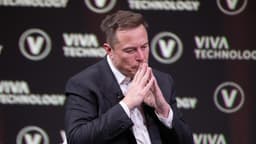
Tesla Plans to Establish Optimus Academy for Robot Training
- Optimus Academy Concept: CEO Elon Musk revealed plans for an Optimus Academy aimed at training a large number of Optimus humanoid robots, with expectations of deploying 10,000 to 30,000 robots for self-training and task testing, thereby enhancing the robots' autonomous learning capabilities.
- Reality Generator Utilization: Musk emphasized that Tesla will leverage its reality generator to aid in robot training, using millions of simulated robots in a simulated world to close the 'simulation to reality gap', improving robot performance in real-world environments.
- Solar Production Goals: Discussing solar energy, Musk reiterated that both Tesla and SpaceX aim to produce 100 GW of solar energy annually, demonstrating the company's commitment to scaling domestic solar cell production and accelerating the adoption of renewable energy.
- Stock Price Fluctuation: Tesla's stock price fell 2.17% to $397.21 at market close on Thursday, with an additional decline of 2.09% to $388.90 in after-hours trading, reflecting market caution regarding the company's future strategic direction.
Senator Markey Warns of Waymo's Remote Workers Issue


- Remote Worker Usage: Senator Markey criticized Waymo for employing remote workers in the Philippines to assist in guiding autonomous vehicles in the U.S., stating that this practice is alarming and must come to an end.
- Safety Regulatory Scrutiny: Waymo is under scrutiny from safety regulators following multiple incidents involving its robotaxis, including a collision with a child near a school zone, highlighting serious safety concerns regarding its operations.
- Call for Regulatory Framework: Tesla's VP of Vehicle Engineering, Lars Moravy, urged lawmakers during the hearing to establish a federal regulatory framework for autonomous vehicles, reflecting the industry's urgent need for regulatory clarity and safety standards.
- Stock Price Volatility: Alphabet Inc.'s stock fell 0.54% at market close on Thursday and dropped an additional 2.79% in after-hours trading to $322.00, indicating that concerns over its autonomous driving service may be affecting investor confidence.
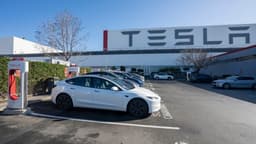
Tesla Files New Trademark Applications for Roadster
- New Trademark Filings: Tesla filed trademark applications on February 3 with the USPTO for the wordmark 'Roadster' in a stylized format and a triangle design featuring three flowing lines, indicating the company's commitment to the Roadster model and its future market positioning.
- Performance-Centric Design: CEO Elon Musk stated that the Roadster will focus on performance akin to hypercars like Ferrari, with safety not being the primary goal, a strategy that may attract high-end consumers and enhance brand prestige.
- Aerodynamic Innovation: Earlier patent applications revealed Tesla's development of an active aerodynamic system that directs airflow through fans to generate downforce, potentially allowing the car to hover, significantly enhancing the Roadster's performance and competitive edge in the market.
- Market Reaction: Despite Tesla's strong momentum metrics, its stock price fell 2.17% at market close on Thursday and dropped an additional 2.09% in after-hours trading, reflecting cautious investor sentiment regarding the new model's launch, which could impact investor confidence.
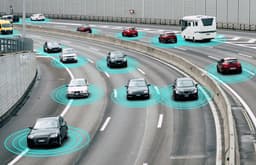
Tesla's Robotaxi Business Poised for Growth
- Significant Market Potential: Tesla's robotaxi business is expected to scale up by 2026, with Musk stating that services will roll out in multiple U.S. cities this year; if realized, this prediction could provide strong competitive evidence for investors, especially against Waymo.
- Investor Confidence Boost: The launch of Tesla's first robotaxis in Austin could significantly enhance investor confidence in the company's long-term growth potential, particularly in its leadership in electric vehicles and autonomous driving.
- Substantial Valuation Risks: Tesla's price-to-earnings ratio stands at 390, far exceeding the S&P 500 average of 26, which necessitates that investors have immense confidence in the company's technological leadership and its ability to dominate the robotaxi market.
- Cautious Investment Advice: While the potential growth of the robotaxi business could act as a catalyst for Tesla's stock, given Musk's past overly optimistic projections that often fell short, investors should adopt a wait-and-see approach to mitigate risks associated with high valuations.
Tesla's P/E Ratio Reaches 400: Two Reasons to Consider Buying and One Reason to Steer Clear
Tesla's Q4 Earnings: Tesla's recent earnings report exceeded analyst expectations for revenue and earnings, leading to a higher valuation despite concerns about its high price-to-earnings (P/E) ratio, which is around 400.
Investor Sentiment: Analysts remain generally supportive of Tesla, with several reiterating buy ratings and price targets suggesting significant upside potential, indicating confidence in the company's long-term growth despite short-term skepticism.
Market Dynamics: The stock's current valuation raises concerns, as even minor disappointments could trigger sell-offs, highlighting the volatility and risks associated with investing in Tesla at this price level.
Investment Considerations: Investors are advised to weigh their risk appetite and the potential for reward when considering Tesla, especially given the increasing competition and the company's need for consistent execution to maintain its growth trajectory.
SpaceX's Acquisition of xAI Offers Dual Benefits
- Acquisition Structure Advantage: SpaceX's use of a triangular merger structure to acquire xAI not only avoids the repayment of billions in debt but also provides tax advantages for shareholders, thereby enhancing the company's financial flexibility and market competitiveness.
- Legal Liability Protection: The deal protects SpaceX from any legal liabilities associated with xAI, ensuring operational independence while reducing potential legal risks, which boosts investor confidence.
- Market Value Increase: Following the acquisition, SpaceX's market valuation reaches $1.25 trillion, with plans to go public later this year to support Musk's ambitions for space data centers, further driving long-term growth for the company.
- Investor Support: Tesla's announcement of a $2 billion investment in xAI reflects strong investor backing for Musk's strategic vision, further solidifying xAI's market position as a subsidiary of SpaceX.
Tesla Plans to Establish Optimus Academy for Robot Training
- Optimus Academy Concept: CEO Elon Musk revealed plans for an Optimus Academy aimed at training a large number of Optimus humanoid robots, with expectations of deploying 10,000 to 30,000 robots for self-training and task testing, thereby enhancing the robots' autonomous learning capabilities.
- Reality Generator Utilization: Musk emphasized that Tesla will leverage its reality generator to aid in robot training, using millions of simulated robots in a simulated world to close the 'simulation to reality gap', improving robot performance in real-world environments.
- Solar Production Goals: Discussing solar energy, Musk reiterated that both Tesla and SpaceX aim to produce 100 GW of solar energy annually, demonstrating the company's commitment to scaling domestic solar cell production and accelerating the adoption of renewable energy.
- Stock Price Fluctuation: Tesla's stock price fell 2.17% to $397.21 at market close on Thursday, with an additional decline of 2.09% to $388.90 in after-hours trading, reflecting market caution regarding the company's future strategic direction.
Senator Markey Warns of Waymo's Remote Workers Issue
- Remote Worker Usage: Senator Markey criticized Waymo for employing remote workers in the Philippines to assist in guiding autonomous vehicles in the U.S., stating that this practice is alarming and must come to an end.
- Safety Regulatory Scrutiny: Waymo is under scrutiny from safety regulators following multiple incidents involving its robotaxis, including a collision with a child near a school zone, highlighting serious safety concerns regarding its operations.
- Call for Regulatory Framework: Tesla's VP of Vehicle Engineering, Lars Moravy, urged lawmakers during the hearing to establish a federal regulatory framework for autonomous vehicles, reflecting the industry's urgent need for regulatory clarity and safety standards.
- Stock Price Volatility: Alphabet Inc.'s stock fell 0.54% at market close on Thursday and dropped an additional 2.79% in after-hours trading to $322.00, indicating that concerns over its autonomous driving service may be affecting investor confidence.
Tesla Files New Trademark Applications for Roadster
- New Trademark Filings: Tesla filed trademark applications on February 3 with the USPTO for the wordmark 'Roadster' in a stylized format and a triangle design featuring three flowing lines, indicating the company's commitment to the Roadster model and its future market positioning.
- Performance-Centric Design: CEO Elon Musk stated that the Roadster will focus on performance akin to hypercars like Ferrari, with safety not being the primary goal, a strategy that may attract high-end consumers and enhance brand prestige.
- Aerodynamic Innovation: Earlier patent applications revealed Tesla's development of an active aerodynamic system that directs airflow through fans to generate downforce, potentially allowing the car to hover, significantly enhancing the Roadster's performance and competitive edge in the market.
- Market Reaction: Despite Tesla's strong momentum metrics, its stock price fell 2.17% at market close on Thursday and dropped an additional 2.09% in after-hours trading, reflecting cautious investor sentiment regarding the new model's launch, which could impact investor confidence.
Tesla's Robotaxi Business Poised for Growth
- Significant Market Potential: Tesla's robotaxi business is expected to scale up by 2026, with Musk stating that services will roll out in multiple U.S. cities this year; if realized, this prediction could provide strong competitive evidence for investors, especially against Waymo.
- Investor Confidence Boost: The launch of Tesla's first robotaxis in Austin could significantly enhance investor confidence in the company's long-term growth potential, particularly in its leadership in electric vehicles and autonomous driving.
- Substantial Valuation Risks: Tesla's price-to-earnings ratio stands at 390, far exceeding the S&P 500 average of 26, which necessitates that investors have immense confidence in the company's technological leadership and its ability to dominate the robotaxi market.
- Cautious Investment Advice: While the potential growth of the robotaxi business could act as a catalyst for Tesla's stock, given Musk's past overly optimistic projections that often fell short, investors should adopt a wait-and-see approach to mitigate risks associated with high valuations.