Not Everyone Holds a Negative Outlook on the Japanese Yen
Political Influence on Yen Outlook: The Japanese yen's outlook is heavily influenced by political factors, particularly following recent snap election results, with intervention risks remaining high as USD/JPY hovers around the 155 level.
Analysts' Perspectives: While many analysts, including those from ANZ, Goldman Sachs, and BofA, maintain a bearish view on the yen, RBC presents a contrarian bullish outlook, citing potential shifts in Japanese government bond (JGB) demand and FX flows.
Key Factors for Yen Strength: RBC identifies four components of the Japanese rotation trade—incentives, breakevens, asset holdings, and expected flows—that could lead to a stronger yen, predicting USD/JPY to reach 147 by the end of 2026 and 135 by the end of 2027.
Short-Term Challenges: Despite RBC's long-term bullish stance, the short-term outlook for the yen remains uncertain, particularly until the next Bank of Japan (BOJ) rate hike, as other key market drivers continue to impact trading sentiment.
Trade with 70% Backtested Accuracy
Analyst Views on JPY
About the author


Not Everyone Holds a Negative Outlook on the Japanese Yen


Political Influence on Yen Outlook: The Japanese yen's outlook is heavily influenced by political factors, particularly following recent snap election results, with intervention risks remaining high as USD/JPY hovers around the 155 level.
Analysts' Perspectives: While many analysts, including those from ANZ, Goldman Sachs, and BofA, maintain a bearish view on the yen, RBC presents a contrarian bullish outlook, citing potential shifts in Japanese government bond (JGB) demand and FX flows.
Key Factors for Yen Strength: RBC identifies four components of the Japanese rotation trade—incentives, breakevens, asset holdings, and expected flows—that could lead to a stronger yen, predicting USD/JPY to reach 147 by the end of 2026 and 135 by the end of 2027.
Short-Term Challenges: Despite RBC's long-term bullish stance, the short-term outlook for the yen remains uncertain, particularly until the next Bank of Japan (BOJ) rate hike, as other key market drivers continue to impact trading sentiment.
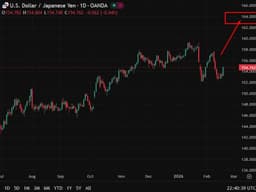
JP Morgan increases projections for AUD, NZD, and USD/JPY while keeping EUR/USD steady.


US Dollar Pressure: JPMorgan warns that renewed foreign-exchange hedging by investors could further weaken the US dollar as they seek protection against currency depreciation on US assets.
Currency Forecasts: The bank has upgraded its forecasts for the Australian and New Zealand dollars, predicting the AUD will reach $0.73 and the NZD $0.63, while maintaining a bullish outlook for the euro at $1.20.
Fed Rate Hikes Impact: With Federal Reserve rate hikes seen as unlikely, the dollar's yield support diminishes, contributing to a bearish outlook for the currency amid shifting portfolio flows away from US equities.
Japanese Yen Outlook: JPMorgan remains negative on the Japanese yen, forecasting it to weaken to 164 per dollar by Q4 due to unfavorable domestic policies and a challenging global monetary environment.

USDJPY Stays Within Narrow Range as Traders Look for New Directional Catalysts

USD Overview: The US dollar is trading sideways following mixed economic data, with rate cut bets increasing but no significant changes expected unless economic conditions worsen. Key data releases are anticipated this week, including US Flash PMIs and Q4 GDP.
JPY Overview: The Japanese yen experienced a sell-off after Takaichi's election victory, but no urgent rate hikes are supported by current data. The Bank of Japan maintained interest rates and hinted at potential future hikes depending on economic performance.
USDJPY Technical Analysis: The USDJPY pair is consolidating near a major trendline, with potential for a rally towards 159.00 if buyers support the trendline, while a break below could lead to a drop towards 146.00.
Upcoming Catalysts: Key economic events this week include the FOMC Meeting Minutes, US Jobless Claims, Japanese CPI, US Q4 GDP, PCE price index, Flash PMIs, and a possible Supreme Court decision on Trump's tariffs.

What’s the Next Move for USD/JPY?
Current Market Situation: The USD/JPY pair is experiencing tight price action between 152.50 and 153.80, with heightened intervention risks but no strong bullish sentiment for the Japanese yen at this time.
Focus on FX Intervention: With the recent general election concluded, market attention is shifting to potential FX intervention, with Bank of America noting that intervention concerns may limit USD/JPY's upside, while structural yen-selling flows could continue to drive depreciation.
Long-term Yen Weakness: Despite some short-term supportive factors, the long-term outlook for the yen remains unfavorable, with risks of yen weakening persisting, especially as expectations for Bank of Japan rate hikes may diminish.
Investment Opportunities: Analysts from ANZ suggest that levels below 152 could present good entry points for new long positions in USD/JPY, as the attractive carry and firm USD are expected to support the pair in February.

USDJPY Stabilizes at Key Trendline as Traders Look for New Directional Catalysts
USD Overview: The US dollar remains rangebound following a hot NFP report and soft CPI data, with market expectations for rate cuts by year-end. Key upcoming data includes US Flash PMIs and Q4 GDP, which will influence future outlooks.
JPY Overview: The Japanese yen experienced a "sell the fact" reaction after Takaichi's election victory, with no new developments from the Bank of Japan. Governor Ueda indicated that future rate hikes depend on economic data, particularly in April.
USDJPY Technical Analysis: The daily chart shows USDJPY consolidating at a major trendline, with buyers positioned for a potential rally towards 159.00, while sellers are looking for a break below to target 150.00.
Upcoming Catalysts: Key economic releases this week include FOMC Meeting Minutes, US Jobless Claims, Japanese CPI, US Q4 GDP, PCE price index, Flash PMIs, and a potential Supreme Court decision on Trump's tariffs.

Japan's Bearish Stance Shifts as It Now Anticipates Yen Appreciation Against Dollar, Pound, and Franc (Forecasts +8% Against CHF)


Investor Sentiment Shift: Mark Nash of Jupiter Asset Management has turned bullish on Japanese government bonds (JGBs) and the yen following Prime Minister Sanae Takaichi’s election victory, closing a long-standing short position and anticipating a sustained rally.
Political Stability Impact: The election outcome has provided political stability and clarity, leading to a significant drop in Japanese bond yields and a reassessment of risk among investors.
Foreign Exchange Strategy: Nash is also betting on the yen's appreciation against the US dollar, sterling, and particularly the Swiss franc, forecasting a potential 8-9% increase due to Japan's improved fiscal and political backdrop.
Market Diversification Trend: This shift in strategy reflects a broader trend of diversifying away from US assets amid policy uncertainty, suggesting a potential structural change in global currency positioning if the yen's underperformance reverses.
Not Everyone Holds a Negative Outlook on the Japanese Yen
Political Influence on Yen Outlook: The Japanese yen's outlook is heavily influenced by political factors, particularly following recent snap election results, with intervention risks remaining high as USD/JPY hovers around the 155 level.
Analysts' Perspectives: While many analysts, including those from ANZ, Goldman Sachs, and BofA, maintain a bearish view on the yen, RBC presents a contrarian bullish outlook, citing potential shifts in Japanese government bond (JGB) demand and FX flows.
Key Factors for Yen Strength: RBC identifies four components of the Japanese rotation trade—incentives, breakevens, asset holdings, and expected flows—that could lead to a stronger yen, predicting USD/JPY to reach 147 by the end of 2026 and 135 by the end of 2027.
Short-Term Challenges: Despite RBC's long-term bullish stance, the short-term outlook for the yen remains uncertain, particularly until the next Bank of Japan (BOJ) rate hike, as other key market drivers continue to impact trading sentiment.
JP Morgan increases projections for AUD, NZD, and USD/JPY while keeping EUR/USD steady.
US Dollar Pressure: JPMorgan warns that renewed foreign-exchange hedging by investors could further weaken the US dollar as they seek protection against currency depreciation on US assets.
Currency Forecasts: The bank has upgraded its forecasts for the Australian and New Zealand dollars, predicting the AUD will reach $0.73 and the NZD $0.63, while maintaining a bullish outlook for the euro at $1.20.
Fed Rate Hikes Impact: With Federal Reserve rate hikes seen as unlikely, the dollar's yield support diminishes, contributing to a bearish outlook for the currency amid shifting portfolio flows away from US equities.
Japanese Yen Outlook: JPMorgan remains negative on the Japanese yen, forecasting it to weaken to 164 per dollar by Q4 due to unfavorable domestic policies and a challenging global monetary environment.
USDJPY Stays Within Narrow Range as Traders Look for New Directional Catalysts
USD Overview: The US dollar is trading sideways following mixed economic data, with rate cut bets increasing but no significant changes expected unless economic conditions worsen. Key data releases are anticipated this week, including US Flash PMIs and Q4 GDP.
JPY Overview: The Japanese yen experienced a sell-off after Takaichi's election victory, but no urgent rate hikes are supported by current data. The Bank of Japan maintained interest rates and hinted at potential future hikes depending on economic performance.
USDJPY Technical Analysis: The USDJPY pair is consolidating near a major trendline, with potential for a rally towards 159.00 if buyers support the trendline, while a break below could lead to a drop towards 146.00.
Upcoming Catalysts: Key economic events this week include the FOMC Meeting Minutes, US Jobless Claims, Japanese CPI, US Q4 GDP, PCE price index, Flash PMIs, and a possible Supreme Court decision on Trump's tariffs.
What’s the Next Move for USD/JPY?
Current Market Situation: The USD/JPY pair is experiencing tight price action between 152.50 and 153.80, with heightened intervention risks but no strong bullish sentiment for the Japanese yen at this time.
Focus on FX Intervention: With the recent general election concluded, market attention is shifting to potential FX intervention, with Bank of America noting that intervention concerns may limit USD/JPY's upside, while structural yen-selling flows could continue to drive depreciation.
Long-term Yen Weakness: Despite some short-term supportive factors, the long-term outlook for the yen remains unfavorable, with risks of yen weakening persisting, especially as expectations for Bank of Japan rate hikes may diminish.
Investment Opportunities: Analysts from ANZ suggest that levels below 152 could present good entry points for new long positions in USD/JPY, as the attractive carry and firm USD are expected to support the pair in February.
USDJPY Stabilizes at Key Trendline as Traders Look for New Directional Catalysts
USD Overview: The US dollar remains rangebound following a hot NFP report and soft CPI data, with market expectations for rate cuts by year-end. Key upcoming data includes US Flash PMIs and Q4 GDP, which will influence future outlooks.
JPY Overview: The Japanese yen experienced a "sell the fact" reaction after Takaichi's election victory, with no new developments from the Bank of Japan. Governor Ueda indicated that future rate hikes depend on economic data, particularly in April.
USDJPY Technical Analysis: The daily chart shows USDJPY consolidating at a major trendline, with buyers positioned for a potential rally towards 159.00, while sellers are looking for a break below to target 150.00.
Upcoming Catalysts: Key economic releases this week include FOMC Meeting Minutes, US Jobless Claims, Japanese CPI, US Q4 GDP, PCE price index, Flash PMIs, and a potential Supreme Court decision on Trump's tariffs.
Japan's Bearish Stance Shifts as It Now Anticipates Yen Appreciation Against Dollar, Pound, and Franc (Forecasts +8% Against CHF)
Investor Sentiment Shift: Mark Nash of Jupiter Asset Management has turned bullish on Japanese government bonds (JGBs) and the yen following Prime Minister Sanae Takaichi’s election victory, closing a long-standing short position and anticipating a sustained rally.
Political Stability Impact: The election outcome has provided political stability and clarity, leading to a significant drop in Japanese bond yields and a reassessment of risk among investors.
Foreign Exchange Strategy: Nash is also betting on the yen's appreciation against the US dollar, sterling, and particularly the Swiss franc, forecasting a potential 8-9% increase due to Japan's improved fiscal and political backdrop.
Market Diversification Trend: This shift in strategy reflects a broader trend of diversifying away from US assets amid policy uncertainty, suggesting a potential structural change in global currency positioning if the yen's underperformance reverses.