International Passenger Traffic Up 7.3% YoY, Overall Slight Decline
Written by Emily J. Thompson, Senior Investment Analyst
Updated: 2 days ago
0mins
Source: Newsfilter
- International Traffic Growth: In May 2026, international passenger traffic increased by 7.3% year-over-year to 2.991 million, driven by strong demand in Argentina, Italy, and Uruguay, although Brazil's performance did not support overall growth, indicating recovery potential in regional markets.
- Domestic Traffic Decline: Argentina's domestic passenger traffic fell by 12.2% year-over-year in May, primarily due to reduced capacity from Flybondi and JetSMART, leading to an overall traffic decrease of 5.7%, posing challenges to the company's market share in Argentina.
- Cargo Volume Fluctuations: Cargo volume decreased by 2.7% year-over-year to 32,700 tons in May, as growth in Argentina and Armenia could not offset declines in Italy, Ecuador, and Uruguay, highlighting instability in global supply chains.
- Reduced Flight Activity: Total aircraft movements declined by 1.1% year-over-year to 70,538, with increases in Armenia and Italy offset by declines in Argentina and Ecuador, reflecting the complexities of the market environment.
Trade with 70% Backtested Accuracy
Stop guessing "Should I Buy CAAP?" and start using high-conviction signals backed by rigorous historical data.
Sign up today to access powerful investing tools and make smarter, data-driven decisions.
Analyst Views on CAAP
About CAAP
Corporacion America Airports SA is a focused on acquiring, developing and operating airport concessions. It operates approximately 52 airports globally in Latin America, Europe and Eurasia. The Company’s airports are located in Argentina, Italy, Brazil, Uruguay, Ecuador, Armenia, and Peru. The Company’s Argentine provinces serves metropolitan areas in several Argentine provinces, such as Buenos Aires, Cordoba and Mendoza and the city of Buenos Aires, tourist destinations, such as Bariloche, Mar del Plata and Iguazu, regional centers, such as Cordoba, Santa Rosa, San Luis, San Juan, La Rioja, Santiago del Estero and Catamarca and border province cities, such as Mendoza, Iguazu, Salta and Bariloche.
About the author

Emily J. Thompson
Emily J. Thompson, a Chartered Financial Analyst (CFA) with 12 years in investment research, graduated with honors from the Wharton School. Specializing in industrial and technology stocks, she provides in-depth analysis for Intellectia’s earnings and market brief reports.

CAAP Reports Slight Decline in May Passenger Traffic

- Traffic Data: CAAP's passenger traffic in May reached 6.89 million, a slight decrease from 6.90 million in April, indicating a minor fluctuation in air travel demand that could impact short-term revenue performance.
- Market Trend Analysis: Despite the slight decline in passenger numbers, the overall airline market continues to recover, prompting CAAP to monitor market dynamics closely to adjust operational strategies and maintain market share in a competitive environment.
- Financial Impact Assessment: The minor reduction in traffic may negatively affect CAAP's revenue, particularly during the peak travel season, necessitating close monitoring of passenger trends in the coming months to inform financial forecasts.
- Strategic Response Measures: CAAP should consider optimizing routes and enhancing customer service to attract more travelers in response to the decline in traffic, ensuring the company remains competitive during the industry's recovery phase.
See More

International Passenger Traffic Up 7.3% YoY, Overall Slight Decline
- International Traffic Growth: In May 2026, international passenger traffic increased by 7.3% year-over-year to 2.991 million, driven by strong demand in Argentina, Italy, and Uruguay, although Brazil's performance did not support overall growth, indicating recovery potential in regional markets.
- Domestic Traffic Decline: Argentina's domestic passenger traffic fell by 12.2% year-over-year in May, primarily due to reduced capacity from Flybondi and JetSMART, leading to an overall traffic decrease of 5.7%, posing challenges to the company's market share in Argentina.
- Cargo Volume Fluctuations: Cargo volume decreased by 2.7% year-over-year to 32,700 tons in May, as growth in Argentina and Armenia could not offset declines in Italy, Ecuador, and Uruguay, highlighting instability in global supply chains.
- Reduced Flight Activity: Total aircraft movements declined by 1.1% year-over-year to 70,538, with increases in Armenia and Italy offset by declines in Argentina and Ecuador, reflecting the complexities of the market environment.
See More

CAAP Reports 2.6% Year-on-Year Increase in Passenger Traffic for April 2026
- Traffic Growth: CAAP reported a 2.6% year-on-year increase in passenger traffic for April 2026, despite a 3.5% decline in domestic traffic primarily due to Argentina's downturn, indicating potential recovery in international markets.
- International Performance: International traffic grew by 7.6% year-on-year, with all operating countries contributing positively except Brazil and Uruguay, showcasing the company's ability to expand in global markets.
- Cargo Volume Increase: Cargo volume, excluding Argentina, rose by 1.3% year-over-year, driven by double-digit growth in Uruguay and mid-single-digit growth in Armenia, although declines in Italy, Ecuador, and Brazil highlight regional market disparities.
- Flight Movements Decline: Aircraft movements decreased by 1.1% year-on-year, as positive contributions from Italy, Brazil, Ecuador, and Armenia were offset by declines in Uruguay and Argentina, reflecting market instability.
See More
CAAP Reports 2.6% Year-on-Year Increase in Passenger Traffic for April
- Significant International Growth: In April 2026, CAAP reported a 7.6% year-on-year increase in international passenger traffic, reaching 2.952 million passengers, indicating a strong recovery in global markets, particularly in Argentina, Italy, and Armenia, which enhances its competitive position.
- Domestic Passenger Challenges: While total passenger traffic increased by 2.6%, domestic traffic in Argentina fell by 5.0%, primarily due to reduced capacity from Flybondi, reflecting pressures in the domestic market that necessitate strategic measures to improve performance.
- Slight Cargo Volume Increase: Excluding Argentina, CAAP's cargo volume grew by 1.3% year-on-year to 15,288 tons, with Uruguay showing a robust 28.4% increase, despite declines in Italy and Brazil, highlighting regional market vitality.
- Flight Operations Volatility: In April 2026, CAAP's aircraft movements decreased by 1.1% year-on-year to 70,915, with increases in Italy and Brazil offset by declines in Argentina and Uruguay, indicating a need for optimization in flight scheduling.
See More
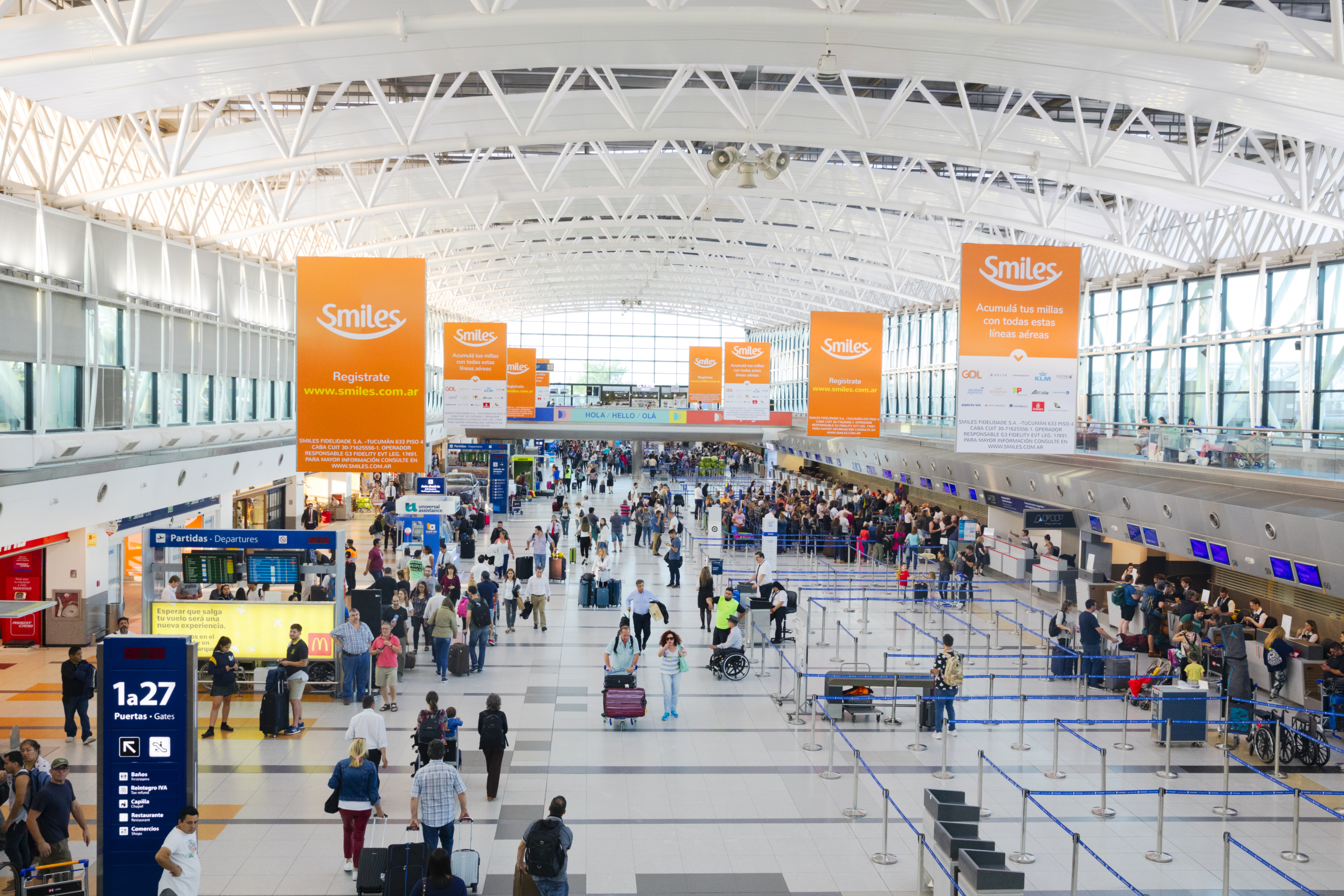
CAAP Reports Strong Q1 Revenue but Earnings Miss Expectations
- Revenue Beat: CAAP reported Q1 revenue of $537.6 million, surpassing Wall Street's estimate of $479.5 million, indicating strong performance in its airport operations across Latin America and Europe, despite missing earnings expectations.
- Profitability Improvement: Net income rose 89% year-over-year to $77.1 million, or $0.47 per share, although it fell short of the $0.55 consensus estimate, reflecting strong operating momentum with operating income reaching $139.5 million.
- Passenger Traffic Growth: The company saw a 7% increase in passenger traffic to 21.8 million during the quarter, driven largely by a 14% rise in international travel, highlighting CAAP's favorable positioning in the recovering global travel demand.
- Strong Financial Position: CAAP ended the quarter with $666.2 million in cash and a net debt-to-adjusted EBITDA ratio of 0.5, underscoring a robust balance sheet and flexibility for future investments, while remaining cautious of geopolitical risks that could impact travel demand.
See More
CAAP Q1 Earnings Beat Expectations with Strong Revenue Growth
- Significant Revenue Growth: CAAP reported Q1 revenue of $537.6 million, reflecting a 20.1% year-over-year increase, exceeding market expectations by $58.1 million, indicating strong performance amid the aviation industry's recovery.
- Passenger Traffic Increase: The company experienced a 7.0% rise in passenger traffic, reaching 21.8 million, which reflects a rebound in travel demand and further drives revenue growth.
- Adjusted EBITDA Growth: Adjusted EBITDA, excluding the impact of IFRIC 12, increased by 26.1% to $196.2 million, demonstrating the company's success in cost control and operational efficiency.
- Strong Liquidity Position: As of March 31, 2026, CAAP maintained a robust liquidity position with $666.2 million in cash and cash equivalents, and a net debt to adjusted EBITDA ratio of 0.5x, showcasing financial stability.
See More
CAAP Reports Slight Decline in May Passenger Traffic
- Traffic Data: CAAP's passenger traffic in May reached 6.89 million, a slight decrease from 6.90 million in April, indicating a minor fluctuation in air travel demand that could impact short-term revenue performance.
- Market Trend Analysis: Despite the slight decline in passenger numbers, the overall airline market continues to recover, prompting CAAP to monitor market dynamics closely to adjust operational strategies and maintain market share in a competitive environment.
- Financial Impact Assessment: The minor reduction in traffic may negatively affect CAAP's revenue, particularly during the peak travel season, necessitating close monitoring of passenger trends in the coming months to inform financial forecasts.
- Strategic Response Measures: CAAP should consider optimizing routes and enhancing customer service to attract more travelers in response to the decline in traffic, ensuring the company remains competitive during the industry's recovery phase.
See More
International Passenger Traffic Up 7.3% YoY, Overall Slight Decline
- International Traffic Growth: In May 2026, international passenger traffic increased by 7.3% year-over-year to 2.991 million, driven by strong demand in Argentina, Italy, and Uruguay, although Brazil's performance did not support overall growth, indicating recovery potential in regional markets.
- Domestic Traffic Decline: Argentina's domestic passenger traffic fell by 12.2% year-over-year in May, primarily due to reduced capacity from Flybondi and JetSMART, leading to an overall traffic decrease of 5.7%, posing challenges to the company's market share in Argentina.
- Cargo Volume Fluctuations: Cargo volume decreased by 2.7% year-over-year to 32,700 tons in May, as growth in Argentina and Armenia could not offset declines in Italy, Ecuador, and Uruguay, highlighting instability in global supply chains.
- Reduced Flight Activity: Total aircraft movements declined by 1.1% year-over-year to 70,538, with increases in Armenia and Italy offset by declines in Argentina and Ecuador, reflecting the complexities of the market environment.
See More
CAAP Reports 2.6% Year-on-Year Increase in Passenger Traffic for April 2026
- Traffic Growth: CAAP reported a 2.6% year-on-year increase in passenger traffic for April 2026, despite a 3.5% decline in domestic traffic primarily due to Argentina's downturn, indicating potential recovery in international markets.
- International Performance: International traffic grew by 7.6% year-on-year, with all operating countries contributing positively except Brazil and Uruguay, showcasing the company's ability to expand in global markets.
- Cargo Volume Increase: Cargo volume, excluding Argentina, rose by 1.3% year-over-year, driven by double-digit growth in Uruguay and mid-single-digit growth in Armenia, although declines in Italy, Ecuador, and Brazil highlight regional market disparities.
- Flight Movements Decline: Aircraft movements decreased by 1.1% year-on-year, as positive contributions from Italy, Brazil, Ecuador, and Armenia were offset by declines in Uruguay and Argentina, reflecting market instability.
See More
CAAP Reports 2.6% Year-on-Year Increase in Passenger Traffic for April
- Significant International Growth: In April 2026, CAAP reported a 7.6% year-on-year increase in international passenger traffic, reaching 2.952 million passengers, indicating a strong recovery in global markets, particularly in Argentina, Italy, and Armenia, which enhances its competitive position.
- Domestic Passenger Challenges: While total passenger traffic increased by 2.6%, domestic traffic in Argentina fell by 5.0%, primarily due to reduced capacity from Flybondi, reflecting pressures in the domestic market that necessitate strategic measures to improve performance.
- Slight Cargo Volume Increase: Excluding Argentina, CAAP's cargo volume grew by 1.3% year-on-year to 15,288 tons, with Uruguay showing a robust 28.4% increase, despite declines in Italy and Brazil, highlighting regional market vitality.
- Flight Operations Volatility: In April 2026, CAAP's aircraft movements decreased by 1.1% year-on-year to 70,915, with increases in Italy and Brazil offset by declines in Argentina and Uruguay, indicating a need for optimization in flight scheduling.
See More
CAAP Reports Strong Q1 Revenue but Earnings Miss Expectations
- Revenue Beat: CAAP reported Q1 revenue of $537.6 million, surpassing Wall Street's estimate of $479.5 million, indicating strong performance in its airport operations across Latin America and Europe, despite missing earnings expectations.
- Profitability Improvement: Net income rose 89% year-over-year to $77.1 million, or $0.47 per share, although it fell short of the $0.55 consensus estimate, reflecting strong operating momentum with operating income reaching $139.5 million.
- Passenger Traffic Growth: The company saw a 7% increase in passenger traffic to 21.8 million during the quarter, driven largely by a 14% rise in international travel, highlighting CAAP's favorable positioning in the recovering global travel demand.
- Strong Financial Position: CAAP ended the quarter with $666.2 million in cash and a net debt-to-adjusted EBITDA ratio of 0.5, underscoring a robust balance sheet and flexibility for future investments, while remaining cautious of geopolitical risks that could impact travel demand.
See More
CAAP Q1 Earnings Beat Expectations with Strong Revenue Growth
- Significant Revenue Growth: CAAP reported Q1 revenue of $537.6 million, reflecting a 20.1% year-over-year increase, exceeding market expectations by $58.1 million, indicating strong performance amid the aviation industry's recovery.
- Passenger Traffic Increase: The company experienced a 7.0% rise in passenger traffic, reaching 21.8 million, which reflects a rebound in travel demand and further drives revenue growth.
- Adjusted EBITDA Growth: Adjusted EBITDA, excluding the impact of IFRIC 12, increased by 26.1% to $196.2 million, demonstrating the company's success in cost control and operational efficiency.
- Strong Liquidity Position: As of March 31, 2026, CAAP maintained a robust liquidity position with $666.2 million in cash and cash equivalents, and a net debt to adjusted EBITDA ratio of 0.5x, showcasing financial stability.
See More