IDEAYA and Servier Present Darovasertib and Crizotinib Trial Data
IDEAYA Biosciences and Servier presented complete data from the primary analysis of their registrational Phase 2/3 OptimUM-02 trial of darovasertib in combination with crizotinib in first line HLAA2:01 negative metastatic uveal melanoma at the 2026 American Society of Clinical Oncology Annual Meeting taking place in Chicago, Illinois. The data were provided in a late-breaking oral presentation by Dr. Marlana Orloff, M.D., Professor of Medical Oncology at Thomas Jefferson University Hospital and lead investigator on the trial. A copy of the presentation will be available on IDEAYA's corporate website. OptimUM-02 is a global, registrational Phase 2/3 trial evaluating a total of 313 patients with 1L HLAA2:01 negative mUM, randomized 2:1 to the darovasertib combination or an investigator's choice of therapy arm reflective of real-world clinical practice that included ipilimumab plus nivolumab or pembrolizumab. The primary endpoint to support accelerated approval is median progression-free survival as assessed by blinded independent central review. Secondary endpoints include safety and investigator assessed PFS, overall response rate, disease control rate and duration of response. Data presented at ASCO were as of a cutoff date of January 23, 2026 and included additional detail on baseline characteristics as well as safety, secondary endpoints and median PFS across patient subgroups. Key Findings from OptimUM-02: Primary endpoint: progression free survival by BICR. The trial met the primary endpoint, with patients treated with the darovasertib combination demonstrating a statistically significant improvement in median PFS of 6.9 months versus 3.1 months in the ICT arm by BICR. Patients treated with the darovasertib combination also had a statistically significant improvement in median PFS of 6.7 months versus 2.7 months for ICT by investigator assessment. Notably, the darovasertib combination reduced the risk of disease progression by 58% and 64% as assessed by BICR and investigator assessment, respectively. Treatment with the darovasertib combination demonstrated a consistent and meaningful improvement in median PFS relative to the ICT arm across a broad range of patient subgroups, including age and gender, type of immune therapy used in ICT, LDH stratification, ECOG status and site of metastasis. Secondary endpoints: ORR, DCR, duration of response: Patients treated with the darovasertib combination had an ORR of 37.1% and 39.5% as assessed by BICR and investigator, respectively, compared to 5.8% and 1.9% in the ICT arm. The darovasertib combination led to a disease control rate of 73.3% and 74.3% by BICR and investigator assessment, respectively, compared to 31.1% and 27.2% in the ICT control arm. The median duration of response was 6.8 months by BICR and 6.8 months by investigator assessment based on a median follow-up time of 7.4 months as of the cutoff date. Overall survival: As noted in the topline results, data on overall survival was still immature as of the cutoff date, however, there was an early trend in OS improvement in the darovasertib combination arm relative to the ICT arm. IDEAYA will provide the next OS update as part of the pre-specified interim analysis. Overall survival data, when available, will be used to support a potential full approval in the United States and globally. Safety: The darovasertib combination was generally well-tolerated with a manageable safety profile consistent with previous results and known side-effects of each agent alone. Median relative dose intensities of darovasertib and crizotinib were 91.0% and 77.1%, respectively, compared to 100% for the ICT arm. Grade 3/4 treatment-related adverse events occurred in 40.6% of patients in the darovasertib combination arm compared to 37.0% of patients in the ICT control arm. Treatment-related serious adverse events were 9.2% and 25.0% in the darovasertib combination and ICT arms, respectively. Low discontinuation rate due to TRAEs for darovasertib and crizotinib relative to ICT. The most common Grade 3/4 TRAEs included diarrhea, syncope and hypotension in the darovasertib combination arm compared to elevated liver enzymes, diarrhea, hepatitis and colitis in the ICT control arm.
Trade with 70% Backtested Accuracy
Analyst Views on IDYA

About IDYA
About the author


IDEAYA Enters Clinical Collaboration with Roche for IDE892 Evaluation
- Clinical Collaboration Initiated: IDEAYA has entered into a clinical collaboration with Roche to evaluate its potential best-in-class PRMT5 inhibitor, IDE892, in combination with Roche's RG6505 for MTAP-deleted pancreatic ductal adenocarcinoma patients, demonstrating a strong response to unmet medical needs.
- Trial Design and Implementation: IDEAYA will sponsor the clinical trial while Roche will supply RG6505, with joint governance ensuring scientific rigor and efficacy of the study, thereby advancing the development of new therapies.
- Market Potential Assessment: MTAP deletion occurs in up to 40% of pancreatic ductal adenocarcinoma cases, with nearly all MTAP-deleted cases harboring RAS mutations, indicating that combination therapy may provide new targeted treatment options for these patients, filling a significant market gap.
- Future Development Plans: The collaboration may also evaluate a triplet therapy involving IDE892, RG6505, and IDE397 upon joint approval, further expanding IDEAYA's drug combination strategy for MTAP-deletion, enhancing its competitiveness in the precision medicine field.
IDEAYA Partners with Roche for Clinical Trial of IDE892
- Clinical Collaboration Initiated: IDEAYA has entered into a clinical collaboration with Roche to evaluate the efficacy and safety of its potential best-in-class PRMT5 inhibitor, IDE892, in combination with Roche's RG6505 for pancreatic ductal adenocarcinoma (PDAC), marking a significant advancement in the company's precision medicine strategy.
- Addressing Market Needs: With MTAP deletions occurring in up to 40% of PDAC cases and almost no approved targeted treatment options available, this collaboration aims to fill a critical gap in the market, potentially leading to the development of new therapeutic options for patients.
- Strategic R&D Integration: IDE892 has demonstrated robust monotherapy regressions in preclinical models with MTAP deletions, and the clinical trial combining it with RG6505 will provide crucial data to support IDEAYA's MTAP deletion drug portfolio, enhancing the competitiveness of its pipeline.
- Future Development Potential: The collaboration also allows for the evaluation of a triplet therapy involving IDE892, RG6505, and IDE397, which, if approved, could open new avenues for IDEAYA in precision oncology, significantly boosting its market position.
IDEAYA and Roche Collaborate on New Cancer Therapy Evaluation
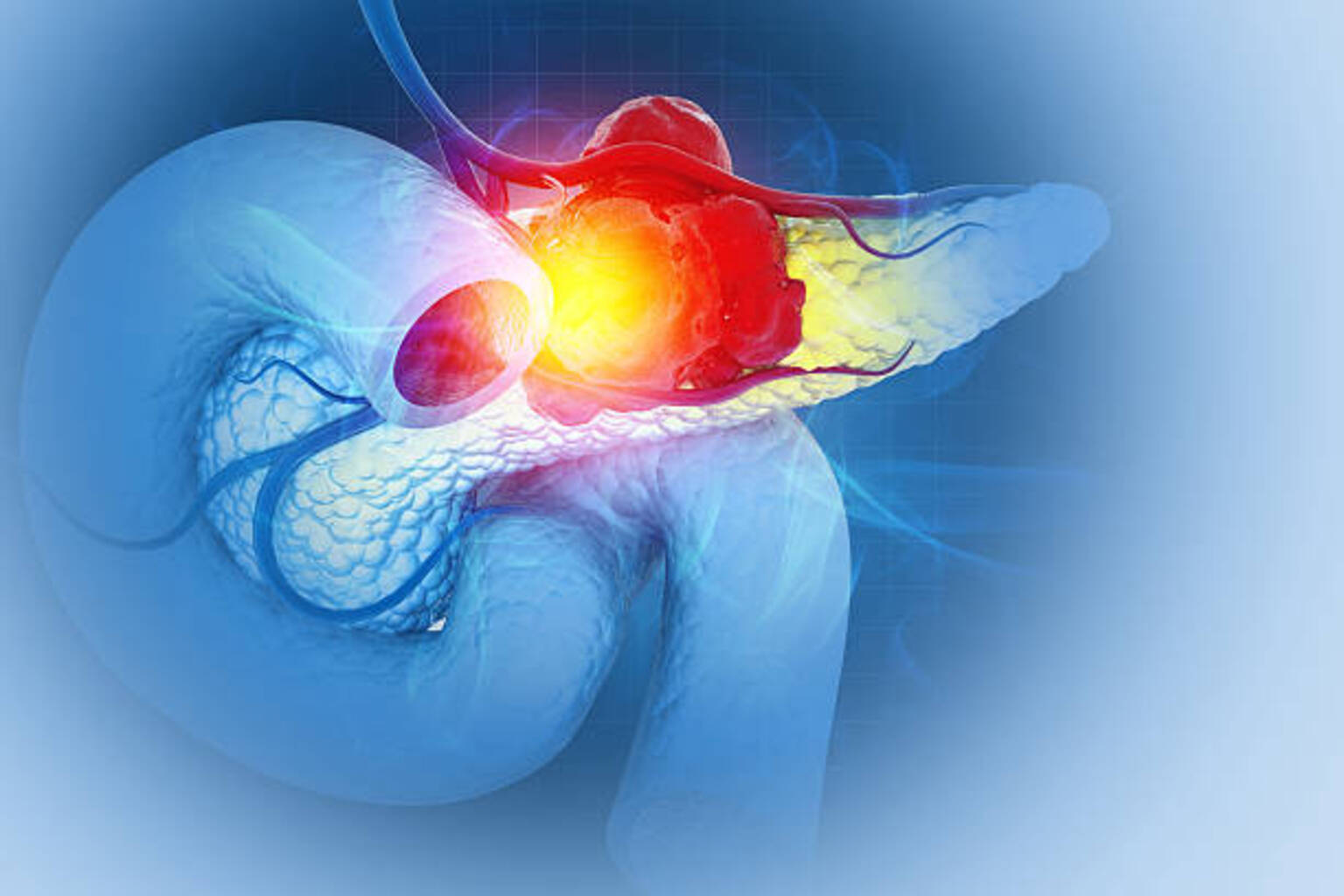
- Joint Clinical Trial: IDEAYA Bioscience and Roche have agreed to evaluate a combination therapy of IDE892 and RG6505, targeting pancreatic cancer patients with MTAP deletion, which occurs in up to 40% of cases, indicating potential treatment hope.
- Drug Mechanism Analysis: IDE892, an MTA-cooperative PRMT5 inhibitor, combined with Roche's pan-RAS inhibitor RG6505, may offer deeper and more durable responses for patients currently lacking approved targeted treatment options.
- Trial Sponsorship: IDEAYA will sponsor this clinical trial, further advancing research on RAS-mutant pancreatic cancer with MTAP deletion, aiming to fill treatment gaps and improve patient survival rates.
- Triple Combination Evaluation: The collaboration will also assess a triplet combination of IDE892, RG6505, and IDE397, the latter being IDEAYA's phase 2 MAT2A inhibitor, potentially providing more treatment options for patients.
IDEAYA and Servier Present OptimUM-02 Trial Data for Darovasertib at ASCO 2026
- Clinical Trial Progress: At the 2026 ASCO Annual Meeting, IDEAYA and Servier presented data on the combination of darovasertib and crizotinib for HLA*A2:01 negative metastatic uveal melanoma, demonstrating significant efficacy compared to existing treatments, potentially establishing a new therapeutic standard.
- Patient Recruitment: The OptimUM-02 trial enrolled 313 patients, randomized 2:1 to compare the darovasertib combination with investigator's choice therapy, highlighting the combination's potential in patients with no effective treatment options.
- FDA Review Progress: IDEAYA received FDA agreement in April 2026 to initiate the drug application review for darovasertib, with expectations to complete the filing in the second half of 2026, aiming to expedite the availability of new therapies to meet patient needs.
- Commitment to R&D Investment: Servier achieved €6.9 billion in revenue for the 2024/25 fiscal year and plans to invest nearly 20% of its brand sales in R&D, reflecting its strategic intent to drive innovation in oncology drug development.
Darovasertib Combination Therapy Significantly Improves Survival Rates
- Clinical Trial Results: At the 2026 ASCO Annual Meeting, IDEAYA presented data showing that the darovasertib and crizotinib combination therapy achieved a median progression-free survival (PFS) of 6.9 months compared to 3.1 months in the control group, indicating its potential as a new therapeutic standard for HLA*A2:01 negative metastatic uveal melanoma.
- Efficacy Metrics Improvement: The combination therapy demonstrated an overall response rate (ORR) of 37.1%, significantly higher than the 5.8% in the control group, suggesting a substantial therapeutic effect that could alter current treatment protocols.
- Good Safety Profile: The safety profile of the combination therapy was consistent with prior results, with treatment-related serious adverse events (TR-SAE) occurring at a rate of 9.2%, lower than the 25.0% in the control group, indicating good tolerability and low discontinuation rates.
- Regulatory Submission Progress: IDEAYA is in the process of submitting a New Drug Application (NDA), expected to be completed in the second half of 2026, which, if approved, will provide new treatment options in this field and further enhance the company's leadership in precision medicine.
IDEAYA Grants 221,000 Stock Options to New Employees
- Stock Option Grant: On May 28, 2026, IDEAYA granted 221,000 non-qualified stock options to six newly hired employees as an inducement for joining the company, in compliance with Nasdaq Listing Rule 5635(c)(4).
- Exercise Price: The stock options have an exercise price of $29.34 per share, which matches the closing price of IDEAYA's common stock on the grant date, aligning employee interests with the company's stock performance.
- Vesting Schedule: The granted stock options have a 10-year term and will vest over four years, with 25% vesting on the first anniversary of the vesting commencement date and the remaining 75% vesting in equal monthly installments over the following three years, ensuring ongoing employee contributions to IDEAYA.
- Company Overview: IDEAYA is a precision medicine oncology company focused on developing transformative therapies for cancer, integrating expertise in small-molecule drug discovery, structural biology, and bioinformatics to advance personalized treatment options.
IDEAYA Enters Clinical Collaboration with Roche for IDE892 Evaluation
- Clinical Collaboration Initiated: IDEAYA has entered into a clinical collaboration with Roche to evaluate its potential best-in-class PRMT5 inhibitor, IDE892, in combination with Roche's RG6505 for MTAP-deleted pancreatic ductal adenocarcinoma patients, demonstrating a strong response to unmet medical needs.
- Trial Design and Implementation: IDEAYA will sponsor the clinical trial while Roche will supply RG6505, with joint governance ensuring scientific rigor and efficacy of the study, thereby advancing the development of new therapies.
- Market Potential Assessment: MTAP deletion occurs in up to 40% of pancreatic ductal adenocarcinoma cases, with nearly all MTAP-deleted cases harboring RAS mutations, indicating that combination therapy may provide new targeted treatment options for these patients, filling a significant market gap.
- Future Development Plans: The collaboration may also evaluate a triplet therapy involving IDE892, RG6505, and IDE397 upon joint approval, further expanding IDEAYA's drug combination strategy for MTAP-deletion, enhancing its competitiveness in the precision medicine field.
IDEAYA Partners with Roche for Clinical Trial of IDE892
- Clinical Collaboration Initiated: IDEAYA has entered into a clinical collaboration with Roche to evaluate the efficacy and safety of its potential best-in-class PRMT5 inhibitor, IDE892, in combination with Roche's RG6505 for pancreatic ductal adenocarcinoma (PDAC), marking a significant advancement in the company's precision medicine strategy.
- Addressing Market Needs: With MTAP deletions occurring in up to 40% of PDAC cases and almost no approved targeted treatment options available, this collaboration aims to fill a critical gap in the market, potentially leading to the development of new therapeutic options for patients.
- Strategic R&D Integration: IDE892 has demonstrated robust monotherapy regressions in preclinical models with MTAP deletions, and the clinical trial combining it with RG6505 will provide crucial data to support IDEAYA's MTAP deletion drug portfolio, enhancing the competitiveness of its pipeline.
- Future Development Potential: The collaboration also allows for the evaluation of a triplet therapy involving IDE892, RG6505, and IDE397, which, if approved, could open new avenues for IDEAYA in precision oncology, significantly boosting its market position.
IDEAYA and Roche Collaborate on New Cancer Therapy Evaluation
- Joint Clinical Trial: IDEAYA Bioscience and Roche have agreed to evaluate a combination therapy of IDE892 and RG6505, targeting pancreatic cancer patients with MTAP deletion, which occurs in up to 40% of cases, indicating potential treatment hope.
- Drug Mechanism Analysis: IDE892, an MTA-cooperative PRMT5 inhibitor, combined with Roche's pan-RAS inhibitor RG6505, may offer deeper and more durable responses for patients currently lacking approved targeted treatment options.
- Trial Sponsorship: IDEAYA will sponsor this clinical trial, further advancing research on RAS-mutant pancreatic cancer with MTAP deletion, aiming to fill treatment gaps and improve patient survival rates.
- Triple Combination Evaluation: The collaboration will also assess a triplet combination of IDE892, RG6505, and IDE397, the latter being IDEAYA's phase 2 MAT2A inhibitor, potentially providing more treatment options for patients.
IDEAYA and Servier Present OptimUM-02 Trial Data for Darovasertib at ASCO 2026
- Clinical Trial Progress: At the 2026 ASCO Annual Meeting, IDEAYA and Servier presented data on the combination of darovasertib and crizotinib for HLA*A2:01 negative metastatic uveal melanoma, demonstrating significant efficacy compared to existing treatments, potentially establishing a new therapeutic standard.
- Patient Recruitment: The OptimUM-02 trial enrolled 313 patients, randomized 2:1 to compare the darovasertib combination with investigator's choice therapy, highlighting the combination's potential in patients with no effective treatment options.
- FDA Review Progress: IDEAYA received FDA agreement in April 2026 to initiate the drug application review for darovasertib, with expectations to complete the filing in the second half of 2026, aiming to expedite the availability of new therapies to meet patient needs.
- Commitment to R&D Investment: Servier achieved €6.9 billion in revenue for the 2024/25 fiscal year and plans to invest nearly 20% of its brand sales in R&D, reflecting its strategic intent to drive innovation in oncology drug development.
Darovasertib Combination Therapy Significantly Improves Survival Rates
- Clinical Trial Results: At the 2026 ASCO Annual Meeting, IDEAYA presented data showing that the darovasertib and crizotinib combination therapy achieved a median progression-free survival (PFS) of 6.9 months compared to 3.1 months in the control group, indicating its potential as a new therapeutic standard for HLA*A2:01 negative metastatic uveal melanoma.
- Efficacy Metrics Improvement: The combination therapy demonstrated an overall response rate (ORR) of 37.1%, significantly higher than the 5.8% in the control group, suggesting a substantial therapeutic effect that could alter current treatment protocols.
- Good Safety Profile: The safety profile of the combination therapy was consistent with prior results, with treatment-related serious adverse events (TR-SAE) occurring at a rate of 9.2%, lower than the 25.0% in the control group, indicating good tolerability and low discontinuation rates.
- Regulatory Submission Progress: IDEAYA is in the process of submitting a New Drug Application (NDA), expected to be completed in the second half of 2026, which, if approved, will provide new treatment options in this field and further enhance the company's leadership in precision medicine.
IDEAYA Grants 221,000 Stock Options to New Employees
- Stock Option Grant: On May 28, 2026, IDEAYA granted 221,000 non-qualified stock options to six newly hired employees as an inducement for joining the company, in compliance with Nasdaq Listing Rule 5635(c)(4).
- Exercise Price: The stock options have an exercise price of $29.34 per share, which matches the closing price of IDEAYA's common stock on the grant date, aligning employee interests with the company's stock performance.
- Vesting Schedule: The granted stock options have a 10-year term and will vest over four years, with 25% vesting on the first anniversary of the vesting commencement date and the remaining 75% vesting in equal monthly installments over the following three years, ensuring ongoing employee contributions to IDEAYA.
- Company Overview: IDEAYA is a precision medicine oncology company focused on developing transformative therapies for cancer, integrating expertise in small-molecule drug discovery, structural biology, and bioinformatics to advance personalized treatment options.