How The Development of Awaruite Deposits in Canada May Help Alleviate Projected Shortages of Nickel Concentrate
Written by Emily J. Thompson, Senior Investment Analyst
Updated: Jul 29 2024
0mins

Source: Newsfilter
Nickel Refining Challenges: North America lacks the necessary smelting capacity for refining sulfide nickel deposits, which is predominantly controlled by China. This situation poses environmental risks and necessitates a reevaluation of mining regulations in the U.S. and EU to enhance domestic refining capabilities.
Awaruite as a Solution: Awaruite, a natural iron-nickel alloy found in Canada, presents a more environmentally friendly and economically viable alternative for nickel extraction, requiring less processing and no smelting, thus reducing toxic emissions and potential contamination from mining activities.
Trade with 70% Backtested Accuracy
Stop guessing "Should I Buy GM?" and start using high-conviction signals backed by rigorous historical data.
Sign up today to access powerful investing tools and make smarter, data-driven decisions.
Analyst Views on GM
Wall Street analysts forecast GM stock price to rise
18 Analyst Rating
16 Buy
1 Hold
1 Sell
Strong Buy
Current: 79.820

Low
48.00
Averages
82.06
High
100.00
Current: 79.820
Low
48.00
Averages
82.06
High
100.00
About GM
General Motors Company designs, builds and sells trucks, crossovers, cars and automobile parts and provides software-enabled services and subscriptions worldwide. The Company's segments include GMNA, GMI, Cruise and GM Financial. Its GM North America (GMNA) and GM International (GMI) develop, manufacture and/or markets vehicles under the Buick, Cadillac, Chevrolet and GMC brands. The Company provides automotive financing services through its General Motors Financial Company, Inc. (GM Financial) segment. Its Cruise segment is engaged in the development and commercialization of autonomous vehicle technology. Its software-enabled services and subscriptions, including OnStar, its advanced driver-assistance systems (ADAS), including Super Cruise driver assistance technology, and its end-to-end software platform. The Company is also focused on investing in electric vehicles (EVs) and AVs, software-enabled services and subscriptions and new business opportunities.
About the author

Emily J. Thompson
Emily J. Thompson, a Chartered Financial Analyst (CFA) with 12 years in investment research, graduated with honors from the Wharton School. Specializing in industrial and technology stocks, she provides in-depth analysis for Intellectia’s earnings and market brief reports.
B&J Welding Supply Acquires GM Welding Supply to Expand Market Presence

- Acquisition Completed: B&J Welding Supply successfully acquired GM Welding Supply in the summer of 2025, enhancing its product offerings and customer service capabilities by integrating GM's distribution of industrial gases and welding supplies in San Angelo.
- New Store Openings: B&J plans to open new locations in Odessa, TX in Q4 2025 and Abilene, TX in Q1 2026, further expanding its market presence across Texas and surrounding states.
- Strategic Expansion Goals: B&J Welding Supply aims to grow its footprint through strategic acquisitions and new store openings, seeking partnerships with best-in-class independent packaged gas distributors to preserve the independent mindset and family legacy in the industry.
- Leadership Commitment: CEO Jason Jones emphasized that the company's growth will enhance its ability to deliver reliable service to existing customers while reaching new clients, reflecting confidence in future expansion opportunities.
See More

Trump Administration Ends Climate Regulations

- Regulatory Termination Impact: The Trump administration officially terminates the 2009 'endangerment finding,' effectively dismantling the legal foundation for federal climate regulations, which immediately eliminates greenhouse gas emission standards for cars and trucks, signaling the end of the government-led push for mandatory electric vehicle transitions.
- Tesla Revenue Risk: With the EPA losing authority to enforce tailpipe standards, Tesla's reliance on selling billions in regulatory credits will vanish, and analysts estimate this rollback could erase margin revenue for Tesla as competitors no longer need to pay for compliance.
- Traditional Manufacturers Benefit: Traditional automakers like Ford and General Motors are projected to save over $2,400 per vehicle, providing them with an immediate competitive advantage to pivot capital from high-cost EV mandates back into their high-margin gas-powered SUV and truck lineups.
- Climate Policy Shift: The EPA administrator announced the end of federal credits for automatic start-stop technology, marking the conclusion of 'climate participation trophies' for manufacturers, emphasizing that there will be no more incentives for technologies that cause cars to stall at red lights.
See More
Global Electric Vehicle Sales Decline Significantly


- Global Sales Data: In January 2026, global electric vehicle sales reached 1.2 million units, reflecting a 3% year-over-year decline and a staggering 44% drop from December 2025, indicating a sharp decrease in market demand that could impact revenue expectations for related companies.
- Impact on China Market: As the world's largest EV market, China saw a 20% year-over-year sales drop and a 55% decline from December, primarily due to new purchase taxes and reduced incentives, leading to a more market-driven environment that adversely affected sales for companies like Tesla.
- North America Challenges: North American EV sales fell by 33% year-over-year, highlighting the negative impact of the expiration of federal EV tax credits on market dynamics, which may lower consumer purchasing willingness and hinder overall market growth.
- European Market Resilience: Despite challenges, Europe sold over 320,000 EVs in January 2026, marking a 24% increase year-over-year, demonstrating the region's ongoing efforts to boost sales to meet EU emissions targets, particularly with subsidies reintroduced in key markets like the UK, Germany, and France.
See More
Trump Announces Major Environmental Policy Change Impacting EV Market
- Market Reaction: Following the Trump administration's revocation of the greenhouse gas endangerment finding, shares of pure-play EV manufacturers like Tesla (TSLA), Rivian (RIVN), and Lucid (LCID) fell by as much as 5%, while traditional automakers such as General Motors (GM), Ford (F), and Stellantis (STLA) saw their stocks rise, with STLA increasing by 4% at its peak.
- Economic Impact: The EPA stated that the new final rule will save Americans over $1.3 trillion, primarily by reducing the costs of new vehicles and EV equipment purchases, potentially stimulating growth in the traditional automotive market.
- Policy Background: Trump claimed that the revoked scientific finding lacked factual and legal basis, asserting that it “severely damaged the American auto industry” and criticized existing EV promotion laws as “mandates,” which could lead to significant price increases for consumers.
- Consumer Impact: The EPA alleged that the repeal of the finding would result in average cost savings of over $2,400 per vehicle, although this could negatively affect EV sales, especially after the federal tax credit of $7,500 was eliminated last year.
See More
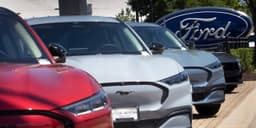
Trump's Reversal of EPA Finding Impacts Auto Industry

- Policy Reversal: The EPA's decision to reverse its finding on greenhouse gas harms may boost sales of gas-guzzling vehicles but poses a significant threat to the electric vehicle market, particularly after the removal of federal tax credits, which led to a dramatic drop in EV sales in October.
- Market Reaction: According to Cox Automotive, EVs peaked at 10.3% of the new vehicle market in September, just before federal incentives ended, but sales plummeted afterward, indicating a direct impact of policy changes on consumer demand for electric vehicles.
- Industry Opposition: Automakers like Tesla oppose the EPA's decision, arguing that reversing the endangerment finding undermines the regulatory framework that supports investments in EVs, potentially harming consumer choice and economic benefits while affecting the integrated North American automotive sector.
- Future Outlook: Despite policy challenges, the market potential for EVs remains strong, as battery prices decline and the number of models increases, with experts suggesting that the commercial viability of EVs will continue to grow, albeit at a slower pace due to current regulatory headwinds.
See More
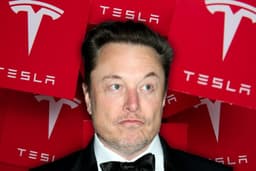
EPA Reverses Greenhouse Gas Regulation Decision
- EPA Decision Reversal: The EPA's decision to no longer regulate greenhouse gases, based on its interpretation of the Clean Air Act, could pose significant challenges for the U.S. electric vehicle market, especially as global competition in EVs intensifies.
- Decline in EV Sales: Following the removal of federal tax credits, EV sales plummeted in October, dropping from 10.3% market share in September, highlighting a disconnect between consumer demand and policy support that may hinder future market growth.
- Automaker Responses: Ford has expressed support for a unified national standard, arguing that current emissions regulations do not align with consumer choices, reflecting the automotive industry's divisions over environmental policies, particularly between EVs and traditional vehicles.
- Tesla's Position: Tesla opposes the EPA's reconsideration of the endangerment finding, asserting that this regulatory framework has provided stability for its investments in product development, warning that abandoning fuel-efficiency goals could negatively impact consumer choice and economic benefits.
See More
B&J Welding Supply Acquires GM Welding Supply to Expand Market Presence
- Acquisition Completed: B&J Welding Supply successfully acquired GM Welding Supply in the summer of 2025, enhancing its product offerings and customer service capabilities by integrating GM's distribution of industrial gases and welding supplies in San Angelo.
- New Store Openings: B&J plans to open new locations in Odessa, TX in Q4 2025 and Abilene, TX in Q1 2026, further expanding its market presence across Texas and surrounding states.
- Strategic Expansion Goals: B&J Welding Supply aims to grow its footprint through strategic acquisitions and new store openings, seeking partnerships with best-in-class independent packaged gas distributors to preserve the independent mindset and family legacy in the industry.
- Leadership Commitment: CEO Jason Jones emphasized that the company's growth will enhance its ability to deliver reliable service to existing customers while reaching new clients, reflecting confidence in future expansion opportunities.
See More
Trump Administration Ends Climate Regulations
- Regulatory Termination Impact: The Trump administration officially terminates the 2009 'endangerment finding,' effectively dismantling the legal foundation for federal climate regulations, which immediately eliminates greenhouse gas emission standards for cars and trucks, signaling the end of the government-led push for mandatory electric vehicle transitions.
- Tesla Revenue Risk: With the EPA losing authority to enforce tailpipe standards, Tesla's reliance on selling billions in regulatory credits will vanish, and analysts estimate this rollback could erase margin revenue for Tesla as competitors no longer need to pay for compliance.
- Traditional Manufacturers Benefit: Traditional automakers like Ford and General Motors are projected to save over $2,400 per vehicle, providing them with an immediate competitive advantage to pivot capital from high-cost EV mandates back into their high-margin gas-powered SUV and truck lineups.
- Climate Policy Shift: The EPA administrator announced the end of federal credits for automatic start-stop technology, marking the conclusion of 'climate participation trophies' for manufacturers, emphasizing that there will be no more incentives for technologies that cause cars to stall at red lights.
See More
Global Electric Vehicle Sales Decline Significantly
- Global Sales Data: In January 2026, global electric vehicle sales reached 1.2 million units, reflecting a 3% year-over-year decline and a staggering 44% drop from December 2025, indicating a sharp decrease in market demand that could impact revenue expectations for related companies.
- Impact on China Market: As the world's largest EV market, China saw a 20% year-over-year sales drop and a 55% decline from December, primarily due to new purchase taxes and reduced incentives, leading to a more market-driven environment that adversely affected sales for companies like Tesla.
- North America Challenges: North American EV sales fell by 33% year-over-year, highlighting the negative impact of the expiration of federal EV tax credits on market dynamics, which may lower consumer purchasing willingness and hinder overall market growth.
- European Market Resilience: Despite challenges, Europe sold over 320,000 EVs in January 2026, marking a 24% increase year-over-year, demonstrating the region's ongoing efforts to boost sales to meet EU emissions targets, particularly with subsidies reintroduced in key markets like the UK, Germany, and France.
See More
Trump Announces Major Environmental Policy Change Impacting EV Market
- Market Reaction: Following the Trump administration's revocation of the greenhouse gas endangerment finding, shares of pure-play EV manufacturers like Tesla (TSLA), Rivian (RIVN), and Lucid (LCID) fell by as much as 5%, while traditional automakers such as General Motors (GM), Ford (F), and Stellantis (STLA) saw their stocks rise, with STLA increasing by 4% at its peak.
- Economic Impact: The EPA stated that the new final rule will save Americans over $1.3 trillion, primarily by reducing the costs of new vehicles and EV equipment purchases, potentially stimulating growth in the traditional automotive market.
- Policy Background: Trump claimed that the revoked scientific finding lacked factual and legal basis, asserting that it “severely damaged the American auto industry” and criticized existing EV promotion laws as “mandates,” which could lead to significant price increases for consumers.
- Consumer Impact: The EPA alleged that the repeal of the finding would result in average cost savings of over $2,400 per vehicle, although this could negatively affect EV sales, especially after the federal tax credit of $7,500 was eliminated last year.
See More
Trump's Reversal of EPA Finding Impacts Auto Industry
- Policy Reversal: The EPA's decision to reverse its finding on greenhouse gas harms may boost sales of gas-guzzling vehicles but poses a significant threat to the electric vehicle market, particularly after the removal of federal tax credits, which led to a dramatic drop in EV sales in October.
- Market Reaction: According to Cox Automotive, EVs peaked at 10.3% of the new vehicle market in September, just before federal incentives ended, but sales plummeted afterward, indicating a direct impact of policy changes on consumer demand for electric vehicles.
- Industry Opposition: Automakers like Tesla oppose the EPA's decision, arguing that reversing the endangerment finding undermines the regulatory framework that supports investments in EVs, potentially harming consumer choice and economic benefits while affecting the integrated North American automotive sector.
- Future Outlook: Despite policy challenges, the market potential for EVs remains strong, as battery prices decline and the number of models increases, with experts suggesting that the commercial viability of EVs will continue to grow, albeit at a slower pace due to current regulatory headwinds.
See More
EPA Reverses Greenhouse Gas Regulation Decision
- EPA Decision Reversal: The EPA's decision to no longer regulate greenhouse gases, based on its interpretation of the Clean Air Act, could pose significant challenges for the U.S. electric vehicle market, especially as global competition in EVs intensifies.
- Decline in EV Sales: Following the removal of federal tax credits, EV sales plummeted in October, dropping from 10.3% market share in September, highlighting a disconnect between consumer demand and policy support that may hinder future market growth.
- Automaker Responses: Ford has expressed support for a unified national standard, arguing that current emissions regulations do not align with consumer choices, reflecting the automotive industry's divisions over environmental policies, particularly between EVs and traditional vehicles.
- Tesla's Position: Tesla opposes the EPA's reconsideration of the endangerment finding, asserting that this regulatory framework has provided stability for its investments in product development, warning that abandoning fuel-efficiency goals could negatively impact consumer choice and economic benefits.
See More