High Mortgage Rates Reshape Housing Market Outlook
Written by Emily J. Thompson, Senior Investment Analyst
Updated: Mar 16 2026
0mins
Source: Fool
- Market Pressure Intensifies: Rising mortgage rates are squeezing consumers financially, leading to decreased homebuying demand, which negatively impacts the profitability of mortgage companies like Rocket and Green Brick.
- Rising Construction Costs: Increased costs of building materials and labor are driving up overall construction expenses, forcing builders to raise prices, which may further suppress buyer interest and affect market activity.
- Tighter Lending Conditions: As the market environment shifts, lenders may tighten borrowing standards, resulting in more potential homebuyers being unable to secure loans, thus impacting overall liquidity and activity in the real estate market.
- Uncertain Industry Outlook: With the dual pressures of high rates and rising costs, the future of the mortgage and construction sectors is fraught with uncertainty, necessitating companies to reassess their strategies to adapt to the evolving market landscape.
Trade with 70% Backtested Accuracy
Stop guessing "Should I Buy GRBK?" and start using high-conviction signals backed by rigorous historical data.
Sign up today to access powerful investing tools and make smarter, data-driven decisions.
Analyst Views on GRBK
About GRBK
Green Brick Partners, Inc. is a diversified homebuilding and land development company. The Company is engaged in all aspects of the homebuilding process, including land acquisition and development, entitlements, design, construction, title and mortgage services, marketing and sales and the creation of brand images at its residential neighborhoods and master planned communities. The Company operates through three segments: Builder operations Central, Builder operations Southeast, and Land Development. The Builder operations Central segment represents operations by its builders in Texas. The Builder operations Southeast segment represents operations by its builders in Georgia and Florida. The Land Development segment acquires land for the development of residential lots that are transferred to its controlled builders or sold to third party homebuilders. Its homebuilding projects include single family homes, townhomes, condos, luxury homes, and patio homes.
About the author

Emily J. Thompson
Emily J. Thompson, a Chartered Financial Analyst (CFA) with 12 years in investment research, graduated with honors from the Wharton School. Specializing in industrial and technology stocks, she provides in-depth analysis for Intellectia’s earnings and market brief reports.

Atlanta Dream Home Giveaway Launches for 2026
- Charity Raffle Launch: The 2026 Atlanta St. Jude Dream Home Giveaway has officially launched, allowing ticket buyers to participate with a $100 donation, with all proceeds directly supporting St. Jude Children's Research Hospital, enabling families to focus on their child's treatment without financial burdens.
- Community Impact: The event takes place in the Palisades community in Cumming, showcasing The Providence Group's commitment to exceptional design and craftsmanship while enhancing the area's appeal with convenient amenities and vibrant entertainment options for residents.
- Fundraising Achievement: Since the program's introduction in 2023, The Providence Group and its partners have raised over $5.3 million for St. Jude, demonstrating the power of industry collaboration in supporting pediatric cancer research, which has significant social implications.
- Future Outlook: The campaign will culminate on July 9, when a lucky winner will receive the new home, marking The Providence Group's ongoing efforts in philanthropy and community development, further solidifying its market position in the Atlanta area.
See More

Green Brick Partners Q1 2026 Earnings Call Insights
- Strong Financial Performance: Green Brick Partners reported total revenues of $465 million and net income of $61 million for Q1 2026, translating to $1.39 per diluted share, demonstrating resilience despite housing affordability pressures and macroeconomic uncertainties.
- Liquidity and Financial Flexibility: The company disclosed $475 million in available liquidity and a homebuilding debt to total capital ratio of 11.5%, providing the flexibility to navigate evolving market conditions and seize investment opportunities, thereby strengthening its competitive position.
- Incentives and Market Response: Although net income decreased by 18.8% year-over-year, the company maintained sales through discounts and incentives, which rose to 10.1% of home closing revenue, reflecting its strategic adjustments in response to market challenges.
- Future Outlook and Investment Plans: Management anticipates land and lot acquisitions of approximately $400 million and land development outflows of about $420 million for 2026, indicating a proactive growth strategy even amid uncertain market conditions.
See More
Green Brick Partners Set to Announce Q1 Earnings Results
- Earnings Announcement Date: Green Brick Partners (GRBK) is set to release its Q1 earnings on April 29 after market close, with a consensus EPS estimate of $1.19, reflecting a significant year-over-year decline of 28.7%, which may negatively impact investor sentiment.
- Revenue Expectations Decline: The anticipated revenue for Q1 stands at $458.4 million, down 7.9% year-over-year, indicating challenges the company faces in the current market environment that could affect its future growth potential.
- Historical Performance Review: Over the past year, GRBK has beaten EPS estimates 50% of the time and revenue estimates 75% of the time, demonstrating a degree of stability in financial performance despite market pressures.
- Estimate Revision Trends: In the last three months, there have been no upward revisions to EPS estimates and two downward revisions, with revenue estimates also seeing no upward revisions and two downward adjustments, suggesting a cautious outlook from analysts regarding the company's future performance.
See More
Green Brick Partners Wins Eight Honors at 2026 McSAM Awards
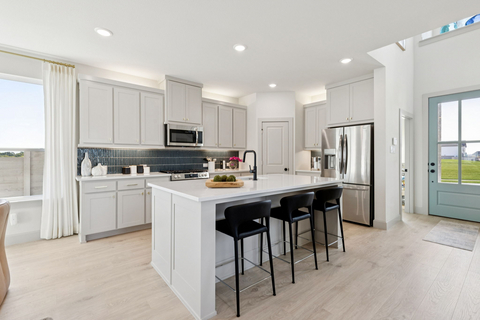
- Award Recognition: Green Brick Partners' brands, including CB JENI Homes, Normandy Homes, and Southgate Homes, earned eight honors at the 2026 McSAM Awards, highlighting the company's outstanding performance and brand influence in the Texas market.
- Design and Product Excellence: The Bella II by Normandy Homes won multiple awards, including Best Architectural Design and Best Interior Merchandising, indicating its strong product appeal and market adaptability in a competitive landscape.
- Individual Achievements: Tosha Flores from CB JENI Homes was named Rookie Sales Professional of the Year, while Chris Yost and Kyle Lloyd received accolades for Sales Professional and Sales Manager of the Year, reflecting the company's ongoing success in talent development and sales performance.
- Market Position: As the third-largest homebuilder in the Dallas-Fort Worth area, Green Brick Partners continues to drive business growth and enhance brand value through its diversified subsidiaries and robust market strategies.
See More
Green Brick Partners to Release Q1 2026 Financial Results
- Earnings Release Schedule: Green Brick Partners will announce its Q1 2026 financial results after market close on April 29, 2026, reflecting the company's ongoing commitment to transparency and investor communication.
- Conference Call Details: CEO Jim Brickman will host an earnings conference call on April 30, 2026, at 12:00 p.m. Eastern Time, providing an in-depth analysis of the financial results aimed at boosting investor confidence in the company's future prospects.
- Participation Information: Investors can join the call by dialing the domestic toll-free number 1-888-660-6353 or the international number 1-929-203-2106, ensuring broad investor participation and interaction, which reflects the company's commitment to its shareholders.
- Replay Information: A replay of the conference call will be available until May 30, 2026, accessible via 1-800-770-2030 or 1-609-800-9909, further enhancing the accessibility and transparency of information for investors.
See More
High Mortgage Rates Reshape Housing Market Outlook
- Market Pressure Intensifies: Rising mortgage rates are squeezing consumers financially, leading to decreased homebuying demand, which negatively impacts the profitability of mortgage companies like Rocket and Green Brick.
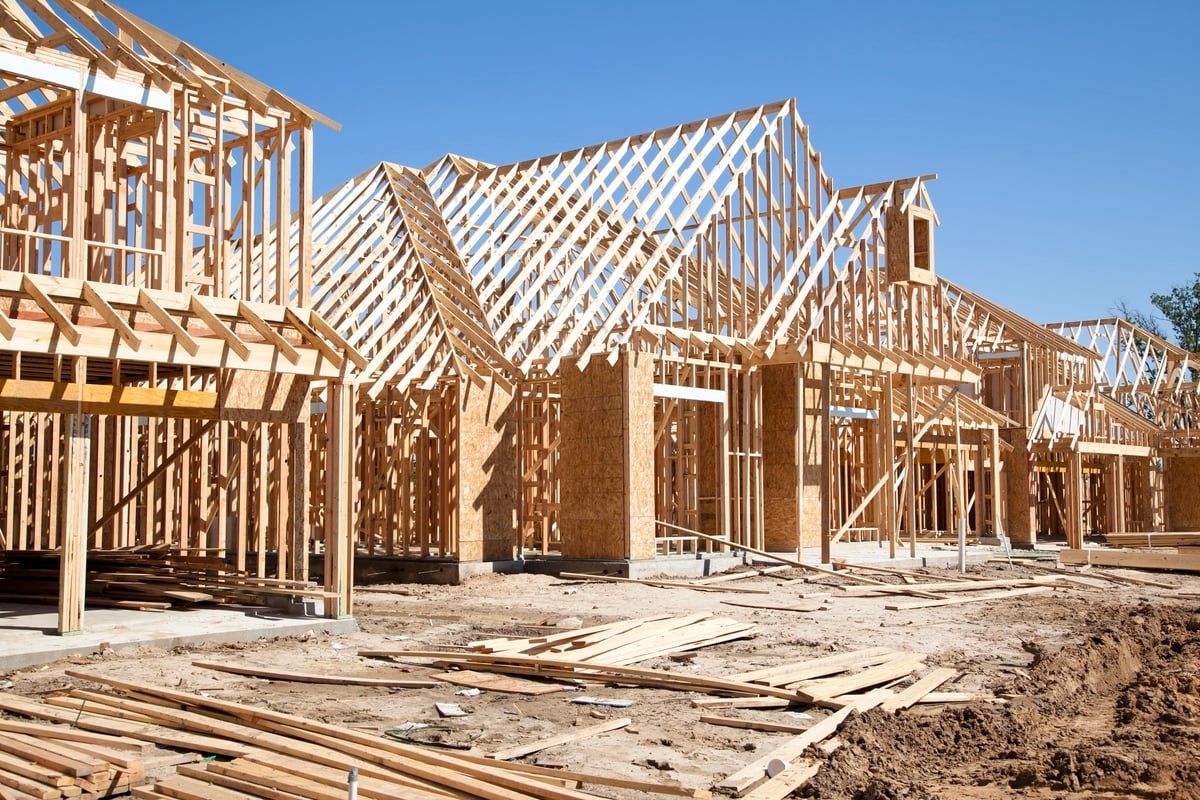
- Rising Construction Costs: Increased costs of building materials and labor are driving up overall construction expenses, forcing builders to raise prices, which may further suppress buyer interest and affect market activity.
- Tighter Lending Conditions: As the market environment shifts, lenders may tighten borrowing standards, resulting in more potential homebuyers being unable to secure loans, thus impacting overall liquidity and activity in the real estate market.
- Uncertain Industry Outlook: With the dual pressures of high rates and rising costs, the future of the mortgage and construction sectors is fraught with uncertainty, necessitating companies to reassess their strategies to adapt to the evolving market landscape.
See More
Atlanta Dream Home Giveaway Launches for 2026
- Charity Raffle Launch: The 2026 Atlanta St. Jude Dream Home Giveaway has officially launched, allowing ticket buyers to participate with a $100 donation, with all proceeds directly supporting St. Jude Children's Research Hospital, enabling families to focus on their child's treatment without financial burdens.
- Community Impact: The event takes place in the Palisades community in Cumming, showcasing The Providence Group's commitment to exceptional design and craftsmanship while enhancing the area's appeal with convenient amenities and vibrant entertainment options for residents.
- Fundraising Achievement: Since the program's introduction in 2023, The Providence Group and its partners have raised over $5.3 million for St. Jude, demonstrating the power of industry collaboration in supporting pediatric cancer research, which has significant social implications.
- Future Outlook: The campaign will culminate on July 9, when a lucky winner will receive the new home, marking The Providence Group's ongoing efforts in philanthropy and community development, further solidifying its market position in the Atlanta area.
See More
Green Brick Partners Q1 2026 Earnings Call Insights
- Strong Financial Performance: Green Brick Partners reported total revenues of $465 million and net income of $61 million for Q1 2026, translating to $1.39 per diluted share, demonstrating resilience despite housing affordability pressures and macroeconomic uncertainties.
- Liquidity and Financial Flexibility: The company disclosed $475 million in available liquidity and a homebuilding debt to total capital ratio of 11.5%, providing the flexibility to navigate evolving market conditions and seize investment opportunities, thereby strengthening its competitive position.
- Incentives and Market Response: Although net income decreased by 18.8% year-over-year, the company maintained sales through discounts and incentives, which rose to 10.1% of home closing revenue, reflecting its strategic adjustments in response to market challenges.
- Future Outlook and Investment Plans: Management anticipates land and lot acquisitions of approximately $400 million and land development outflows of about $420 million for 2026, indicating a proactive growth strategy even amid uncertain market conditions.
See More
Green Brick Partners Set to Announce Q1 Earnings Results
- Earnings Announcement Date: Green Brick Partners (GRBK) is set to release its Q1 earnings on April 29 after market close, with a consensus EPS estimate of $1.19, reflecting a significant year-over-year decline of 28.7%, which may negatively impact investor sentiment.
- Revenue Expectations Decline: The anticipated revenue for Q1 stands at $458.4 million, down 7.9% year-over-year, indicating challenges the company faces in the current market environment that could affect its future growth potential.
- Historical Performance Review: Over the past year, GRBK has beaten EPS estimates 50% of the time and revenue estimates 75% of the time, demonstrating a degree of stability in financial performance despite market pressures.
- Estimate Revision Trends: In the last three months, there have been no upward revisions to EPS estimates and two downward revisions, with revenue estimates also seeing no upward revisions and two downward adjustments, suggesting a cautious outlook from analysts regarding the company's future performance.
See More
Green Brick Partners Wins Eight Honors at 2026 McSAM Awards
- Award Recognition: Green Brick Partners' brands, including CB JENI Homes, Normandy Homes, and Southgate Homes, earned eight honors at the 2026 McSAM Awards, highlighting the company's outstanding performance and brand influence in the Texas market.
- Design and Product Excellence: The Bella II by Normandy Homes won multiple awards, including Best Architectural Design and Best Interior Merchandising, indicating its strong product appeal and market adaptability in a competitive landscape.
- Individual Achievements: Tosha Flores from CB JENI Homes was named Rookie Sales Professional of the Year, while Chris Yost and Kyle Lloyd received accolades for Sales Professional and Sales Manager of the Year, reflecting the company's ongoing success in talent development and sales performance.
- Market Position: As the third-largest homebuilder in the Dallas-Fort Worth area, Green Brick Partners continues to drive business growth and enhance brand value through its diversified subsidiaries and robust market strategies.
See More
Green Brick Partners to Release Q1 2026 Financial Results
- Earnings Release Schedule: Green Brick Partners will announce its Q1 2026 financial results after market close on April 29, 2026, reflecting the company's ongoing commitment to transparency and investor communication.
- Conference Call Details: CEO Jim Brickman will host an earnings conference call on April 30, 2026, at 12:00 p.m. Eastern Time, providing an in-depth analysis of the financial results aimed at boosting investor confidence in the company's future prospects.
- Participation Information: Investors can join the call by dialing the domestic toll-free number 1-888-660-6353 or the international number 1-929-203-2106, ensuring broad investor participation and interaction, which reflects the company's commitment to its shareholders.
- Replay Information: A replay of the conference call will be available until May 30, 2026, accessible via 1-800-770-2030 or 1-609-800-9909, further enhancing the accessibility and transparency of information for investors.
See More
High Mortgage Rates Reshape Housing Market Outlook
- Market Pressure Intensifies: Rising mortgage rates are squeezing consumers financially, leading to decreased homebuying demand, which negatively impacts the profitability of mortgage companies like Rocket and Green Brick.
- Rising Construction Costs: Increased costs of building materials and labor are driving up overall construction expenses, forcing builders to raise prices, which may further suppress buyer interest and affect market activity.
- Tighter Lending Conditions: As the market environment shifts, lenders may tighten borrowing standards, resulting in more potential homebuyers being unable to secure loans, thus impacting overall liquidity and activity in the real estate market.
- Uncertain Industry Outlook: With the dual pressures of high rates and rising costs, the future of the mortgage and construction sectors is fraught with uncertainty, necessitating companies to reassess their strategies to adapt to the evolving market landscape.
See More