General Dynamics Secures $255M Navy Contract for Strategic Weapon System
Written by Emily J. Thompson, Senior Investment Analyst
Updated: Feb 03 2026
0mins
Should l Buy GD?
Source: seekingalpha
- Significant Contract Value: General Dynamics has secured a $255 million Navy contract with options totaling $485 million, which not only enhances the company's financial stability but also lays the groundwork for future revenue growth.
- International Collaboration Opportunity: The contract includes a Foreign Military Sale to the UK, indicating General Dynamics' potential for expansion in international markets and the ability to enhance its market share through global partnerships.
- Support for Multiple Naval Programs: This contract supports fiscal years 2026-2027 efforts for U.S. and UK SSBN and SSGN fleets, highlighting the company's critical role in defense and its contribution to national security.
- Long-Term Project Planning: The project is expected to be completed by June 1, 2033, primarily conducted in Pittsfield, Massachusetts, with work across several states and the UK, demonstrating the company's capability in managing complex projects and coordinating across regions.
Trade with 70% Backtested Accuracy
Stop guessing "Should I Buy GD?" and start using high-conviction signals backed by rigorous historical data.
Sign up today to access powerful investing tools and make smarter, data-driven decisions.
Analyst Views on GD
Wall Street analysts forecast GD stock price to rise
15 Analyst Rating
7 Buy
8 Hold
0 Sell
Moderate Buy
Current: 350.530

Low
360.00
Averages
386.85
High
410.00
Current: 350.530
Low
360.00
Averages
386.85
High
410.00
About GD
General Dynamics Corporation is a global aerospace and defense company. It offers a portfolio of products and services in business aviation; ship construction and repair; land combat vehicles, weapons systems and munitions, and technology products and services. Its segments include Aerospace, Marine Systems, Combat Systems and Technologies. The Aerospace segment produces business jets and is the standard bearer in new technology aircraft, aircraft repair, customer support and custom completion services. The Marine Systems segment designs and builds nuclear-powered submarines and is engaged in surface combatant and auxiliary ship design and construction for the U.S. Navy. The Combat Systems segment manufactures land combat solutions worldwide, including wheeled and tracked combat vehicles, weapons systems and munitions. The Technologies segment provides a full spectrum of services, technologies and products to a range of military, intelligence, federal civilian and state customers.
About the author

Emily J. Thompson
Emily J. Thompson, a Chartered Financial Analyst (CFA) with 12 years in investment research, graduated with honors from the Wharton School. Specializing in industrial and technology stocks, she provides in-depth analysis for Intellectia’s earnings and market brief reports.
General Dynamics Subsidiary Secures $1.27B Contract Modification

- Significant Contract Value: General Dynamics Electric Boat has secured a $1.27 billion contract modification aimed at supporting the design, development, and lead yard work for Virginia-class submarines, reflecting strong demand in the defense sector.
- Potential Upside: The modification includes options that could raise the total value to $2.49 billion if exercised, indicating the company's critical role and potential profitability in future defense projects.
- Funding Clarity: Approximately $218 million in Navy funding will be obligated at the time of award, with about $1.09 million from FY25 RDT&E budget, ensuring financial backing for the project.
- Completion Timeline: The work is expected to be completed by April 2027, providing a clear project management and resource allocation plan that enhances the company's competitiveness in the defense contracting market.
See More
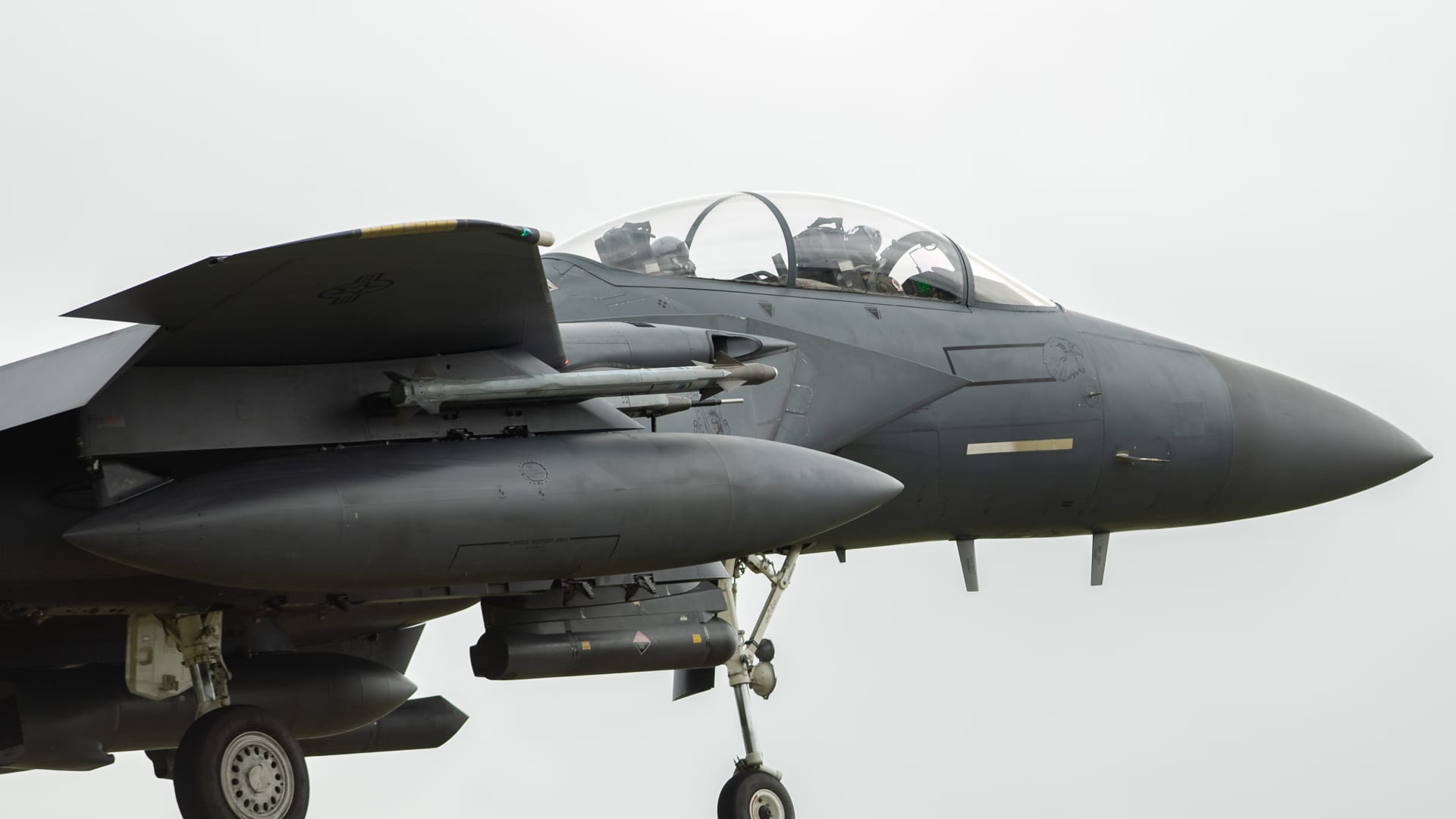
U.S. Fighter Jet Downed in Iran Amid Ongoing Conflict


- Fighter Jet Incident: An F-15 fighter jet from the U.S. Air Force crashed in Iran on July 16, 2020, with its crew members unaccounted for, and it remains unclear whether the aircraft was shot down or suffered a mechanical failure, marking the first known loss of a U.S. jet in the region since the conflict began.
- Escalating Conflict Context: This incident occurs amid escalating U.S. assaults on Iran, with reports of potential peace talks failing to yield results, contributing to a rising death toll of nearly 5,100 across the Middle East, highlighting the precarious nature of the situation.
- Strait of Hormuz Impact: The ongoing war has disrupted tanker traffic through the critical Strait of Hormuz for over a month, threatening supplies of crude oil, fertilizers, and other essential commodities, which could lead to instability in global markets.
- Trump's Aggressive Statements: President Trump claimed on social media that the U.S. could
See More
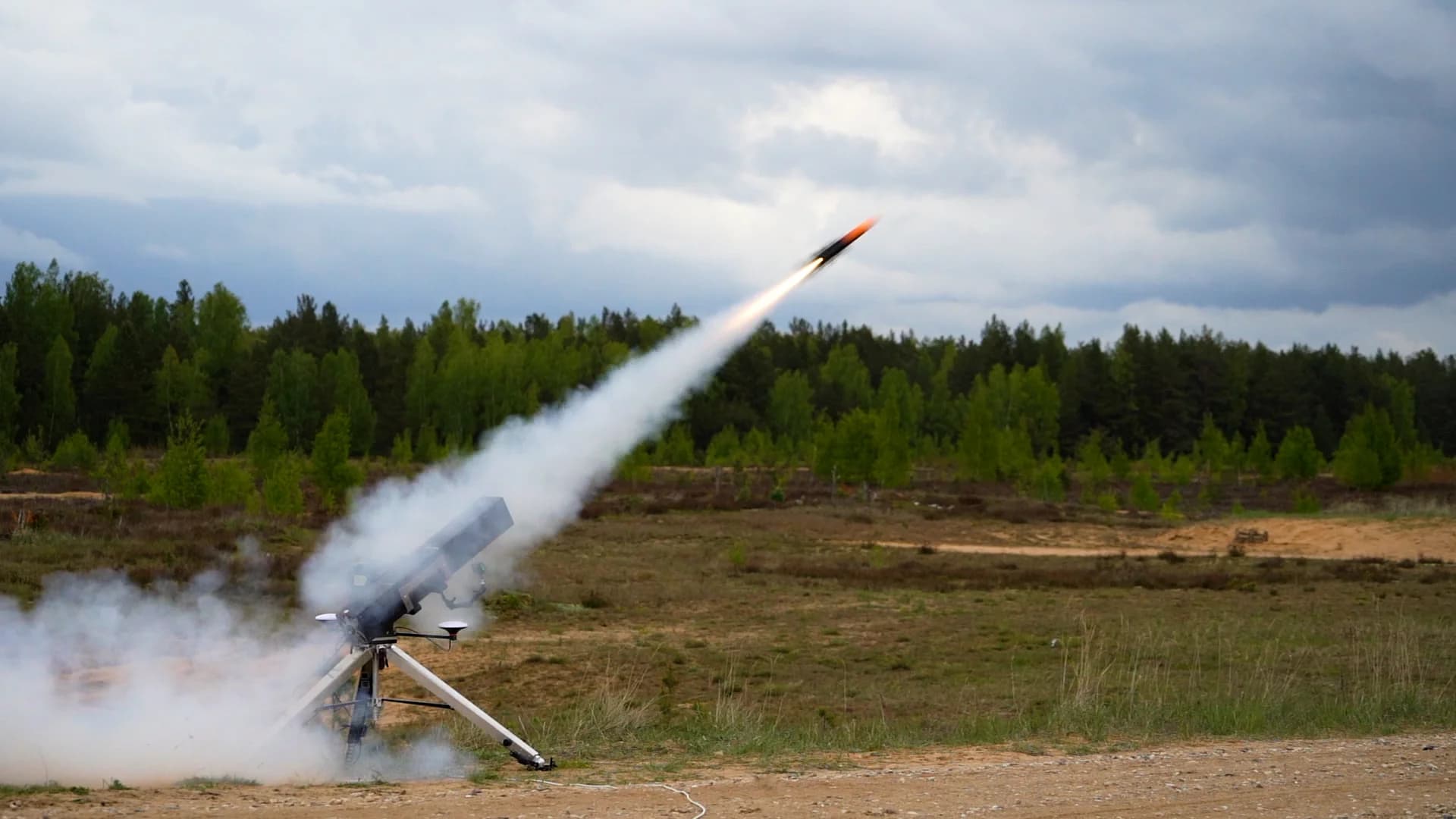
Surge in Defense Tech Investments Amid Geopolitical Tensions


- Significant Investment Growth: According to Dealroom, defense tech funding was only $869 million globally in 2020, but is projected to surge to $11.2 billion by 2025, reflecting a more than tenfold increase driven by rising geopolitical tensions and demand for defense technologies.
- Rising Demand: Since the end of February, following U.S. and Israeli military actions against Iran, defense tech startups have reported a significant uptick in demand from Department of Defense customers, with many clients offering to buy out capacity or requesting increased production, indicating a pressing market need for new technologies.
- Opportunities in the Middle East: As conflicts escalate, defense tech startups in Europe and the U.S. are accelerating commercial discussions with Middle Eastern governments, particularly as interest from Gulf states skyrockets, highlighting urgent needs for defenses against drone and missile attacks.
- Human Resource Expansion: In response to the Iran war, European-headquartered defense startups are set to increase staffing in the Middle East, with Estonian startup Frankenburg and Ukrainian-UK Uforce both indicating plans to ramp up hiring in the region to meet the surging market demand.
See More
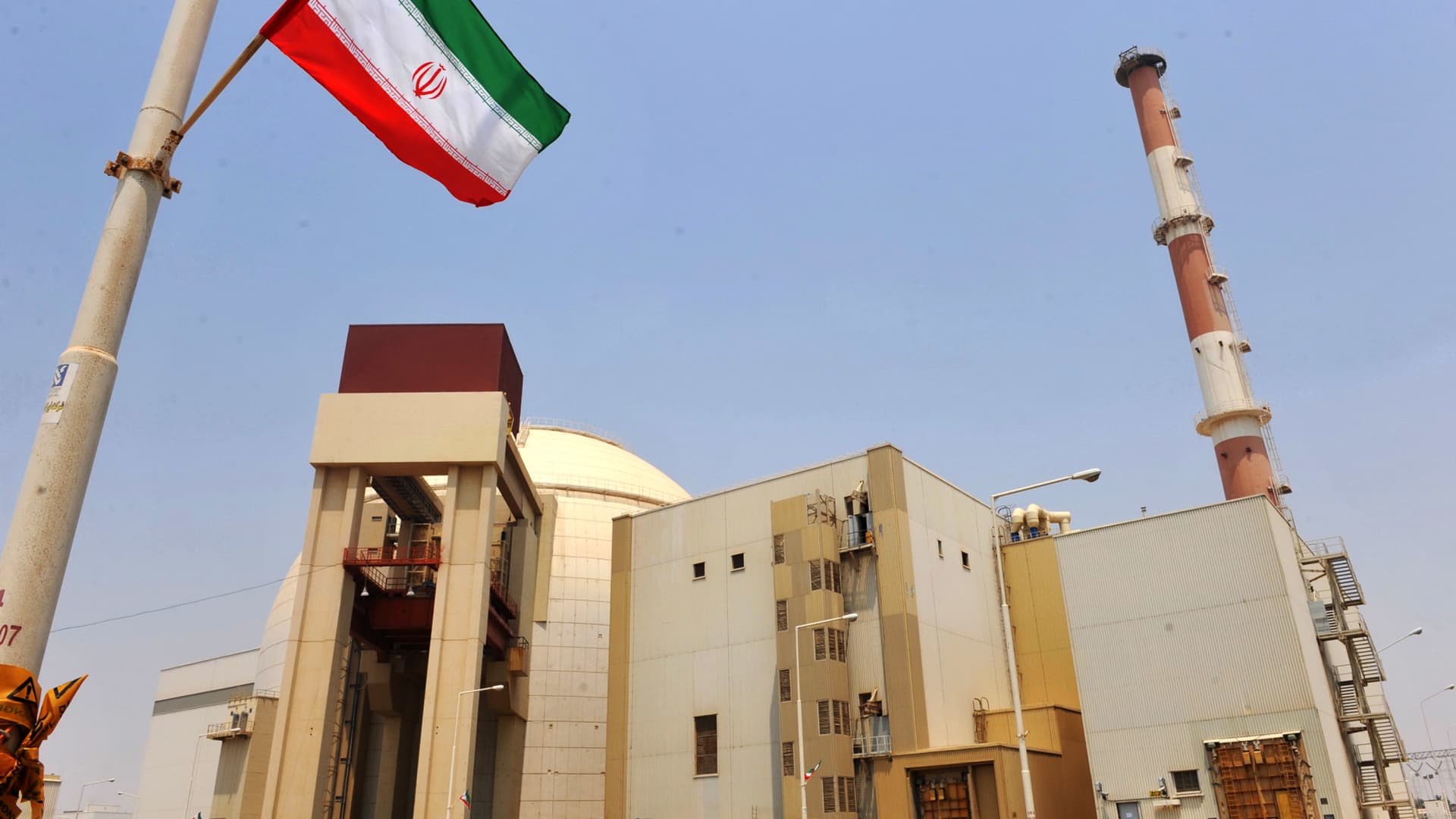
Trump Threatens to Destroy Iran's Infrastructure Amid Ongoing Conflict

- Escalating Military Threats: Trump threatened on social media to destroy Iran's bridges and power plants, claiming the U.S. hasn't even started destroying what's left in Iran, which could escalate regional tensions and provoke strong international backlash.
- Fighter Jet Downed: Reports indicate that a U.S. F-35 fighter jet was shot down over central Iran, and while the U.S. Central Command did not respond, this incident may further intensify military confrontations between the U.S. and Iran.
- Legal Controversy: Legal experts warn that Trump's threats to attack Iran's infrastructure could constitute war crimes under international law, particularly regarding attacks on essential civilian facilities, potentially leading to international condemnation and sanctions.
- Gulf Cooperation Council Response: The Gulf Cooperation Council called on the UN Security Council to take necessary measures to ensure an immediate cessation of Iranian aggressions against its member states, reflecting the heightened concern and security worries among regional nations regarding Iran's actions.
See More
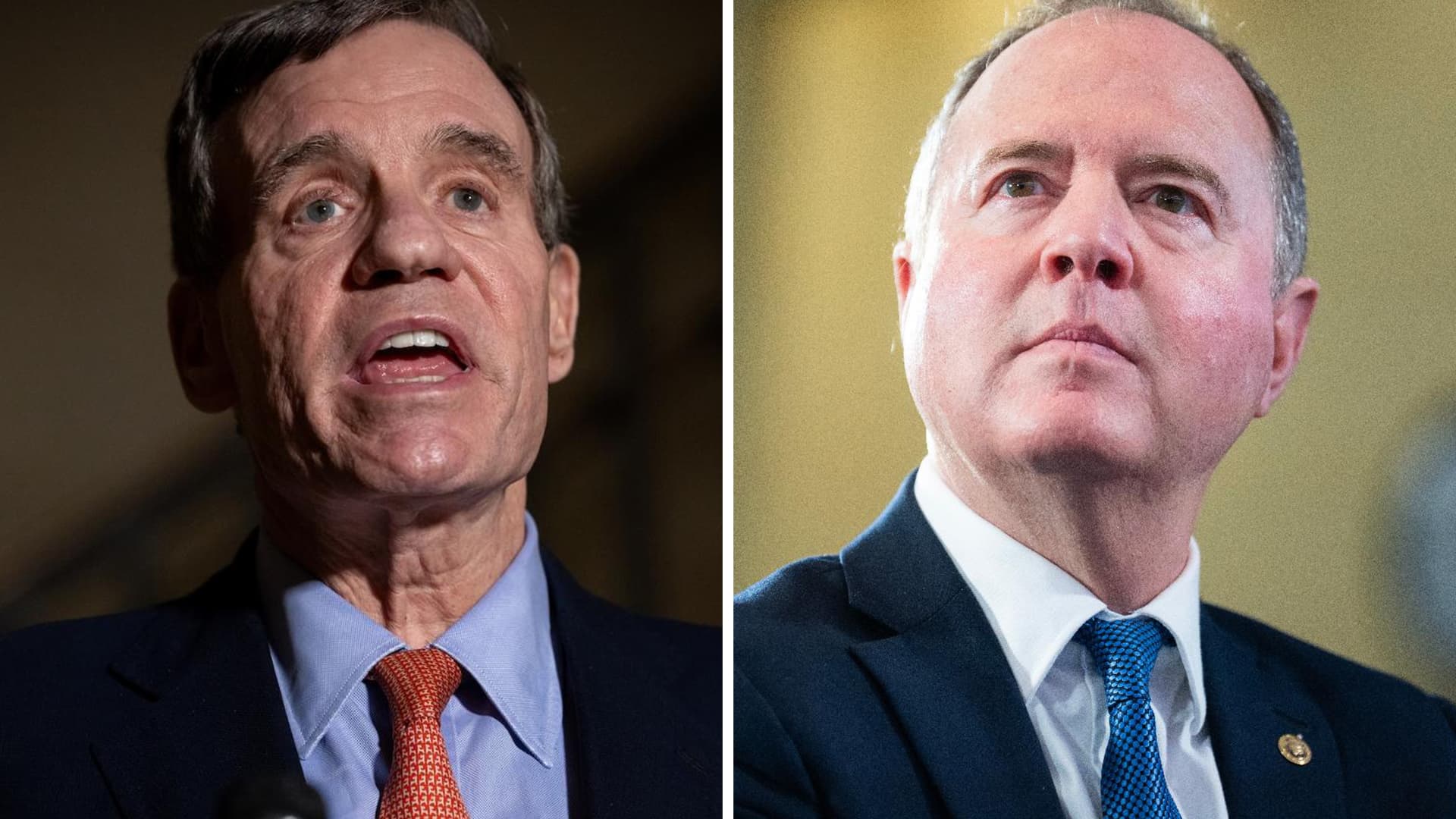
Senators Demand Investigation into Insider Trading
- Insider Trading Inquiry: Senators Mark Warner and Adam Schiff sent a letter to the SEC and the Department of Defense IG demanding an investigation into insider trading ahead of major policy announcements, indicating potential misuse of nonpublic information by government officials, which undermines market integrity.
- Policy Impact Warning: The letter highlights instances of building large positions in equities and equity-linked derivatives before significant announcements, such as those related to the Iran war and Trump's tariffs, suggesting that this could create unfair market advantages and erode investor confidence.
- National Security Concerns: Warner and Schiff expressed serious concerns that the possibility of individuals connected to the Secretary of Defense trading on material nonpublic information poses significant risks not only to market integrity but also to U.S. national security.
- Call for Regulatory Measures: The senators urged the SEC and the Defense IG to respond to a series of questions regarding their review of trading activities, the tools used to detect suspicious trading, and the safeguards in place to prevent unauthorized dissemination of nonpublic information.
See More
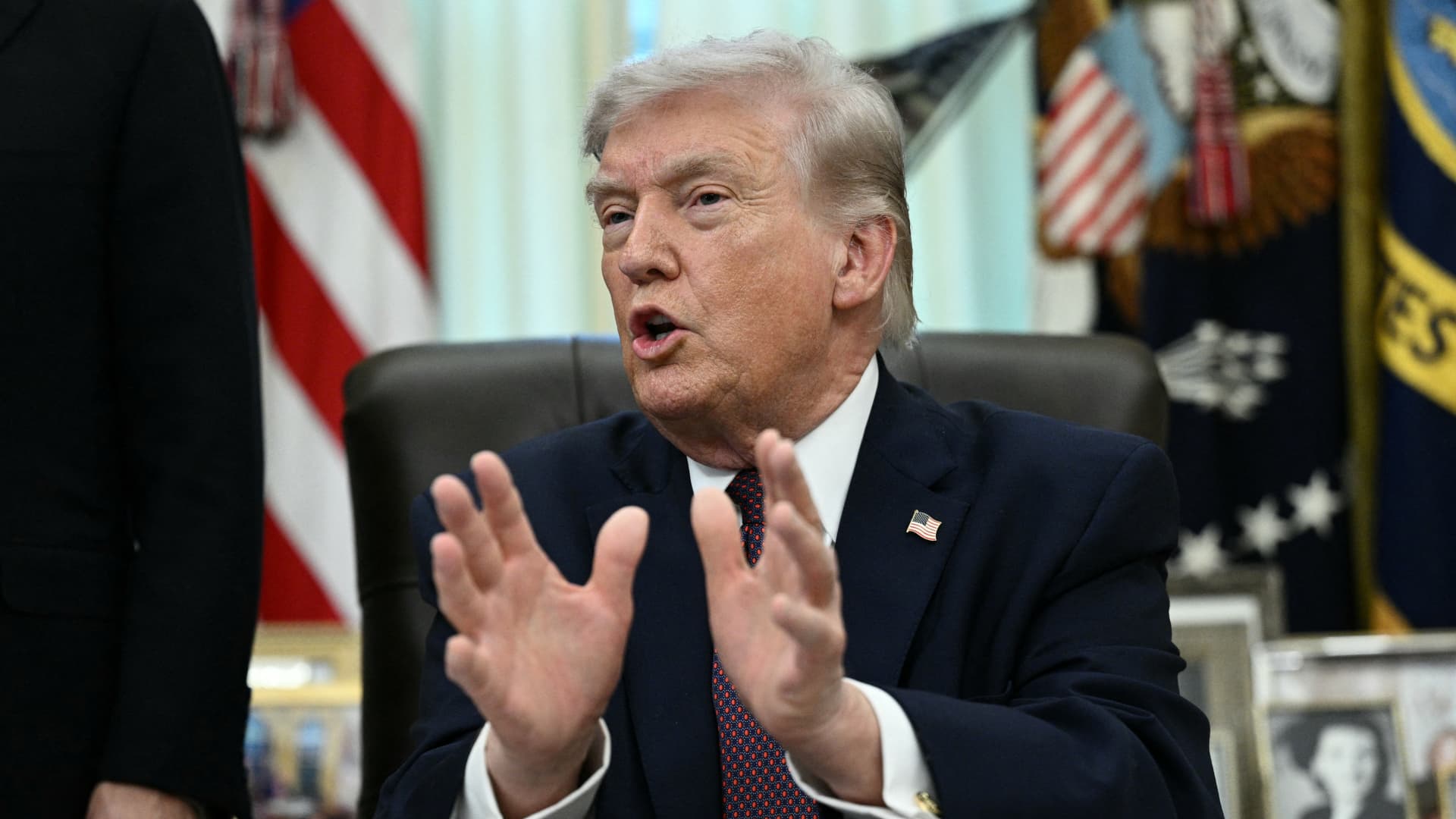
Trump Announces Imminent US Military Withdrawal from Iran

- Military Withdrawal Announcement: Trump stated that U.S. military forces are expected to leave Iran in 'two to three weeks,' indicating a reassessment of America's military presence in the region, which could impact stability in the Middle East.
- Oil Price Surge: Oil prices have risen sharply, with Brent heading for a record monthly surge due to the ongoing Iran conflict, highlighting the direct impact of geopolitical tensions on global energy markets.
- International Negotiation Preparations: Pakistan is set to host U.S.-Iran talks in the coming days, as Trump expresses intent to make a deal, potentially opening new avenues for regional peace while reflecting America's emphasis on diplomatic solutions.
- Military Action Adjustments: Trump's decision to postpone strikes against Iranian energy infrastructure demonstrates a cautious approach to the situation, which may affect U.S. strategic positioning in the Middle East and the confidence of its allies.
See More
General Dynamics Subsidiary Secures $1.27B Contract Modification
- Significant Contract Value: General Dynamics Electric Boat has secured a $1.27 billion contract modification aimed at supporting the design, development, and lead yard work for Virginia-class submarines, reflecting strong demand in the defense sector.
- Potential Upside: The modification includes options that could raise the total value to $2.49 billion if exercised, indicating the company's critical role and potential profitability in future defense projects.
- Funding Clarity: Approximately $218 million in Navy funding will be obligated at the time of award, with about $1.09 million from FY25 RDT&E budget, ensuring financial backing for the project.
- Completion Timeline: The work is expected to be completed by April 2027, providing a clear project management and resource allocation plan that enhances the company's competitiveness in the defense contracting market.
See More
U.S. Fighter Jet Downed in Iran Amid Ongoing Conflict
- Fighter Jet Incident: An F-15 fighter jet from the U.S. Air Force crashed in Iran on July 16, 2020, with its crew members unaccounted for, and it remains unclear whether the aircraft was shot down or suffered a mechanical failure, marking the first known loss of a U.S. jet in the region since the conflict began.
- Escalating Conflict Context: This incident occurs amid escalating U.S. assaults on Iran, with reports of potential peace talks failing to yield results, contributing to a rising death toll of nearly 5,100 across the Middle East, highlighting the precarious nature of the situation.
- Strait of Hormuz Impact: The ongoing war has disrupted tanker traffic through the critical Strait of Hormuz for over a month, threatening supplies of crude oil, fertilizers, and other essential commodities, which could lead to instability in global markets.
- Trump's Aggressive Statements: President Trump claimed on social media that the U.S. could
See More
Surge in Defense Tech Investments Amid Geopolitical Tensions
- Significant Investment Growth: According to Dealroom, defense tech funding was only $869 million globally in 2020, but is projected to surge to $11.2 billion by 2025, reflecting a more than tenfold increase driven by rising geopolitical tensions and demand for defense technologies.
- Rising Demand: Since the end of February, following U.S. and Israeli military actions against Iran, defense tech startups have reported a significant uptick in demand from Department of Defense customers, with many clients offering to buy out capacity or requesting increased production, indicating a pressing market need for new technologies.
- Opportunities in the Middle East: As conflicts escalate, defense tech startups in Europe and the U.S. are accelerating commercial discussions with Middle Eastern governments, particularly as interest from Gulf states skyrockets, highlighting urgent needs for defenses against drone and missile attacks.
- Human Resource Expansion: In response to the Iran war, European-headquartered defense startups are set to increase staffing in the Middle East, with Estonian startup Frankenburg and Ukrainian-UK Uforce both indicating plans to ramp up hiring in the region to meet the surging market demand.
See More
Trump Threatens to Destroy Iran's Infrastructure Amid Ongoing Conflict
- Escalating Military Threats: Trump threatened on social media to destroy Iran's bridges and power plants, claiming the U.S. hasn't even started destroying what's left in Iran, which could escalate regional tensions and provoke strong international backlash.
- Fighter Jet Downed: Reports indicate that a U.S. F-35 fighter jet was shot down over central Iran, and while the U.S. Central Command did not respond, this incident may further intensify military confrontations between the U.S. and Iran.
- Legal Controversy: Legal experts warn that Trump's threats to attack Iran's infrastructure could constitute war crimes under international law, particularly regarding attacks on essential civilian facilities, potentially leading to international condemnation and sanctions.
- Gulf Cooperation Council Response: The Gulf Cooperation Council called on the UN Security Council to take necessary measures to ensure an immediate cessation of Iranian aggressions against its member states, reflecting the heightened concern and security worries among regional nations regarding Iran's actions.
See More
Senators Demand Investigation into Insider Trading
- Insider Trading Inquiry: Senators Mark Warner and Adam Schiff sent a letter to the SEC and the Department of Defense IG demanding an investigation into insider trading ahead of major policy announcements, indicating potential misuse of nonpublic information by government officials, which undermines market integrity.
- Policy Impact Warning: The letter highlights instances of building large positions in equities and equity-linked derivatives before significant announcements, such as those related to the Iran war and Trump's tariffs, suggesting that this could create unfair market advantages and erode investor confidence.
- National Security Concerns: Warner and Schiff expressed serious concerns that the possibility of individuals connected to the Secretary of Defense trading on material nonpublic information poses significant risks not only to market integrity but also to U.S. national security.
- Call for Regulatory Measures: The senators urged the SEC and the Defense IG to respond to a series of questions regarding their review of trading activities, the tools used to detect suspicious trading, and the safeguards in place to prevent unauthorized dissemination of nonpublic information.
See More
Trump Announces Imminent US Military Withdrawal from Iran
- Military Withdrawal Announcement: Trump stated that U.S. military forces are expected to leave Iran in 'two to three weeks,' indicating a reassessment of America's military presence in the region, which could impact stability in the Middle East.
- Oil Price Surge: Oil prices have risen sharply, with Brent heading for a record monthly surge due to the ongoing Iran conflict, highlighting the direct impact of geopolitical tensions on global energy markets.
- International Negotiation Preparations: Pakistan is set to host U.S.-Iran talks in the coming days, as Trump expresses intent to make a deal, potentially opening new avenues for regional peace while reflecting America's emphasis on diplomatic solutions.
- Military Action Adjustments: Trump's decision to postpone strikes against Iranian energy infrastructure demonstrates a cautious approach to the situation, which may affect U.S. strategic positioning in the Middle East and the confidence of its allies.
See More