FIS Launches Project Keystone Digital Money Network


FIS (FIS) announced Project Keystone - a network for digital money to be designed and controlled by banks. Developed with six U.S. financial institutions, Project Keystone will enable participating banks to issue, transfer, and settle regulated deposits in digital form, on shared infrastructure they administer themselves. Participating banks include Citizens (CFG), Fifth Third (FITB), Huntington Bank (HBAN), KeyBank (KEY), and M&T Bank (MTB). This group represents different charter types and technology providers, reflecting the breadth of institutions for which Project Keystone is designed to operate. The network will handle real bank deposits in digital form - meaning the money moving through Project Keystone will be regulated and bank-issued - not a new asset class. Transactions will either settle completely or not settle at all, eliminating the partial failures and reconciliation burdens that slow conventional interbank settlement today.
Trade with 70% Backtested Accuracy
Analyst Views on FIS

About FIS
About the author


FIS Ranked #1 in Chartis BuySideRisk50 and CLM Leader

- Industry Leadership: FIS has been ranked #1 in the Chartis BuySideRisk50, leading in four out of five scoring criteria, particularly excelling in Breadth of Functionality and Strategy, showcasing its strong competitive edge in the buy-side analytics space.
- Compliance Technology Advantage: FIS has been recognized as a Category Leader in the Chartis RiskTech Quadrant for Client Lifecycle Management (CLM) Solutions for Corporate and Investment Banking, earning the highest policy management score among 14 evaluated vendors, reflecting its excellence in compliance technology.
- Comprehensive Investment Lifecycle Support: The FIS Cross Asset Trading and Risk (CATR) suite integrates cross-asset trading, portfolio and risk management, pricing, and analytics, supporting complex trading and investment strategies to meet the growing compliance needs of financial institutions.
- Strategic Focus and Innovation: FIS's capabilities in fund services are increasingly robust, assisting financial institutions in managing complex client structures and multi-jurisdictional requirements, further solidifying its critical position in technology selection for compliance.

SpaceX IPO Sparks Divergent Investor Reactions


- Uneven Allocations: The SpaceX IPO has generated strong reactions from investors, with many retail investors receiving only a fraction of their requested shares, such as one investor who requested 1,000 shares but received just 17, leading to divergent views on the stock's future.
- Strong Market Performance: Despite the uneven allocations, SpaceX's stock surged 19% on its first trading day, closing at $161, up from the IPO price of $135, pushing its market value above $2 trillion and reflecting strong market confidence in its growth potential.
- Lockup Pressure Expectations: Some investors anticipate selling pressure in the coming months as lockup periods expire, which could impact stock prices, especially when more shares become available for trading, potentially leading to a supply-demand imbalance in the market.
- Long-Term Holding Strategies: Despite facing high valuations and potential volatility, some investors choose to hold long-term, such as one investor who received two shares and decided not to increase their position, viewing the current valuation as 'aggressive' and planning to wait for further price discovery.

Analysis of the Importance of Market Capitalization

- Importance of Market Capitalization: Market capitalization provides investors with a true basis for comparing company values, with J.B. Hunt Transport Services, Inc. valued at $26.56 billion compared to Fidelity National Information Services Inc at $20.14 billion, aiding investors in accurately assessing company worth.
- True Basis for Stock Comparison: Comparing stock prices alone does not reflect true company value; market capitalization accounts for the number of shares outstanding, enabling investors to make more effective apples-to-apples comparisons for informed investment decisions.
- Company Size and Investment Strategy: Market capitalization determines a company's size tier among peers, influencing mutual funds and ETFs' investment choices, as funds focused on large-cap stocks may only consider companies valued over $10 billion, affecting capital inflows.
- Market Performance Discrepancies: As of Thursday's close, J.B. Hunt's stock rose approximately 2.9% while Fidelity's fell about 0.5%, indicating significant differences in market expectations for the two companies' future performance, reflecting the impact of market capitalization on investor sentiment.
FIS to Present at Mizuho Technology Conference
- Conference Schedule: FIS is set to present at the Mizuho Technology Conference on June 9, 2026, at 10:30 AM ET, showcasing its latest advancements in financial technology to attract investor and industry attention.
- Webcast Availability: The event will feature a live audio webcast, allowing investors to access both the live presentation and a replay through the Investor Relations section of FIS's website, ensuring transparency and accessibility of information.
- Company Background: FIS is a global leader in financial technology, providing solutions to financial institutions, businesses, and developers, leveraging decades of industry experience to help clients navigate evolving market demands.
- Industry Position: As a member of the Fortune 500 and the S&P 500 Index, FIS continues to enhance its influence and market position in the financial technology sector, further solidifying its core role in the global financial system.

FIS Q1 2026 Earnings Call Transcript
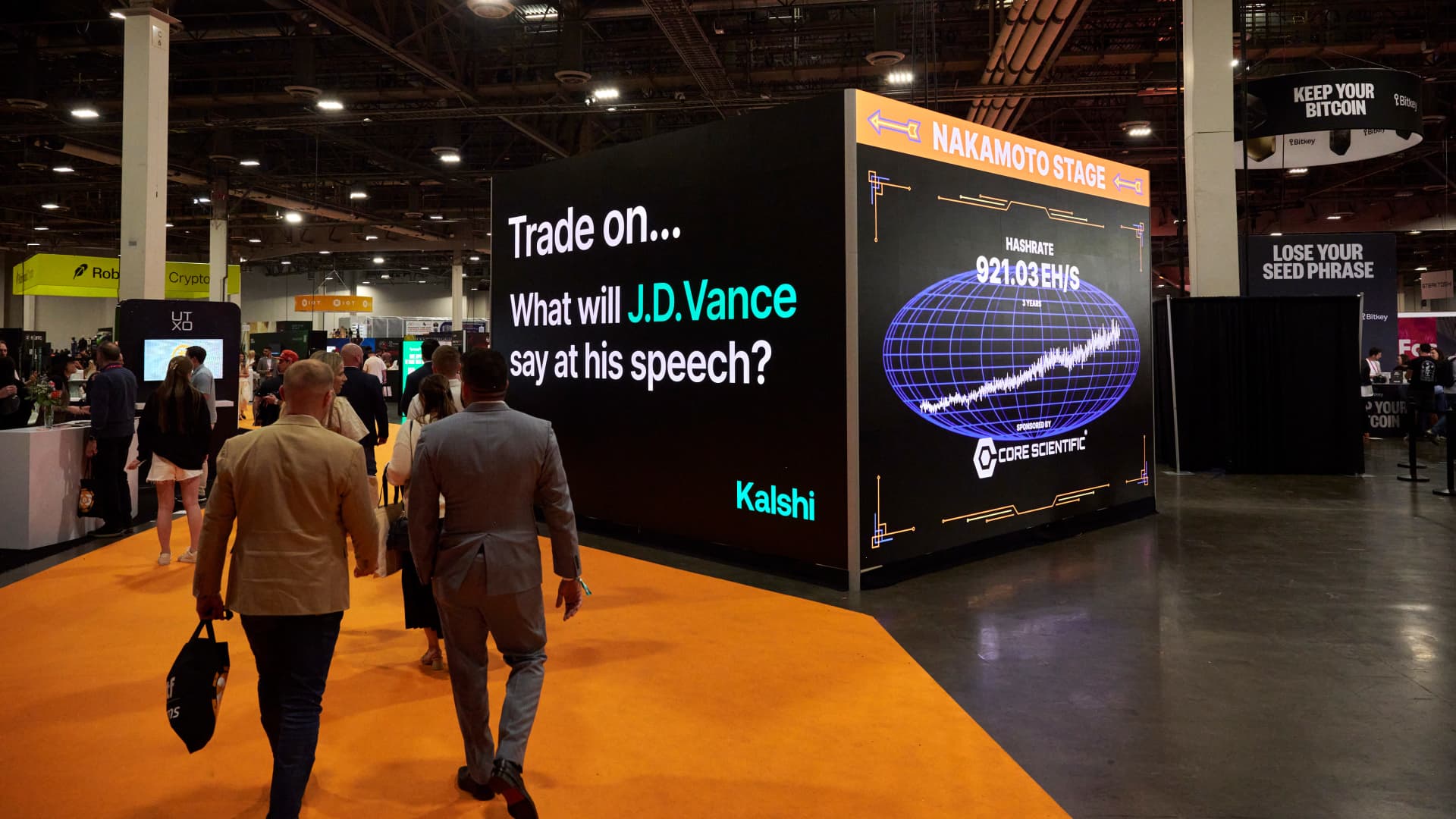
Kalshi's Prediction Market Attracts Institutional Investors

- Surge in Trading Volume: Kalshi processed over $17 billion in trading contracts in May 2025, marking a staggering increase of over 2500% year-over-year, indicating robust growth driven by retail users and likely attracting institutional interest.
- Institutional Trading Strategy: In 2026, Kalshi is actively promoting institutional adoption through partnerships with brokerage platforms and infrastructure development, particularly focusing on hedging needs, which enhances the market's appeal to institutional investors.
- Valuation Doubling: Kalshi's valuation reached $22 billion in May 2026, doubling from $11 billion in December, reflecting optimistic expectations regarding its potential for institutional trading and driving up valuations of private companies in the sector.
- Market Participation Dynamics: While some institutions remain cautious about engaging in prediction markets, Kalshi is working to build confidence through waiving fees for block trades and enhancing market surveillance, which is expected to boost market liquidity and create more opportunities for retail traders.
FIS Ranked #1 in Chartis BuySideRisk50 and CLM Leader
- Industry Leadership: FIS has been ranked #1 in the Chartis BuySideRisk50, leading in four out of five scoring criteria, particularly excelling in Breadth of Functionality and Strategy, showcasing its strong competitive edge in the buy-side analytics space.
- Compliance Technology Advantage: FIS has been recognized as a Category Leader in the Chartis RiskTech Quadrant for Client Lifecycle Management (CLM) Solutions for Corporate and Investment Banking, earning the highest policy management score among 14 evaluated vendors, reflecting its excellence in compliance technology.
- Comprehensive Investment Lifecycle Support: The FIS Cross Asset Trading and Risk (CATR) suite integrates cross-asset trading, portfolio and risk management, pricing, and analytics, supporting complex trading and investment strategies to meet the growing compliance needs of financial institutions.
- Strategic Focus and Innovation: FIS's capabilities in fund services are increasingly robust, assisting financial institutions in managing complex client structures and multi-jurisdictional requirements, further solidifying its critical position in technology selection for compliance.
SpaceX IPO Sparks Divergent Investor Reactions
- Uneven Allocations: The SpaceX IPO has generated strong reactions from investors, with many retail investors receiving only a fraction of their requested shares, such as one investor who requested 1,000 shares but received just 17, leading to divergent views on the stock's future.
- Strong Market Performance: Despite the uneven allocations, SpaceX's stock surged 19% on its first trading day, closing at $161, up from the IPO price of $135, pushing its market value above $2 trillion and reflecting strong market confidence in its growth potential.
- Lockup Pressure Expectations: Some investors anticipate selling pressure in the coming months as lockup periods expire, which could impact stock prices, especially when more shares become available for trading, potentially leading to a supply-demand imbalance in the market.
- Long-Term Holding Strategies: Despite facing high valuations and potential volatility, some investors choose to hold long-term, such as one investor who received two shares and decided not to increase their position, viewing the current valuation as 'aggressive' and planning to wait for further price discovery.
Analysis of the Importance of Market Capitalization
- Importance of Market Capitalization: Market capitalization provides investors with a true basis for comparing company values, with J.B. Hunt Transport Services, Inc. valued at $26.56 billion compared to Fidelity National Information Services Inc at $20.14 billion, aiding investors in accurately assessing company worth.
- True Basis for Stock Comparison: Comparing stock prices alone does not reflect true company value; market capitalization accounts for the number of shares outstanding, enabling investors to make more effective apples-to-apples comparisons for informed investment decisions.
- Company Size and Investment Strategy: Market capitalization determines a company's size tier among peers, influencing mutual funds and ETFs' investment choices, as funds focused on large-cap stocks may only consider companies valued over $10 billion, affecting capital inflows.
- Market Performance Discrepancies: As of Thursday's close, J.B. Hunt's stock rose approximately 2.9% while Fidelity's fell about 0.5%, indicating significant differences in market expectations for the two companies' future performance, reflecting the impact of market capitalization on investor sentiment.
FIS to Present at Mizuho Technology Conference
- Conference Schedule: FIS is set to present at the Mizuho Technology Conference on June 9, 2026, at 10:30 AM ET, showcasing its latest advancements in financial technology to attract investor and industry attention.
- Webcast Availability: The event will feature a live audio webcast, allowing investors to access both the live presentation and a replay through the Investor Relations section of FIS's website, ensuring transparency and accessibility of information.
- Company Background: FIS is a global leader in financial technology, providing solutions to financial institutions, businesses, and developers, leveraging decades of industry experience to help clients navigate evolving market demands.
- Industry Position: As a member of the Fortune 500 and the S&P 500 Index, FIS continues to enhance its influence and market position in the financial technology sector, further solidifying its core role in the global financial system.
FIS Q1 2026 Earnings Call Transcript
Kalshi's Prediction Market Attracts Institutional Investors
- Surge in Trading Volume: Kalshi processed over $17 billion in trading contracts in May 2025, marking a staggering increase of over 2500% year-over-year, indicating robust growth driven by retail users and likely attracting institutional interest.
- Institutional Trading Strategy: In 2026, Kalshi is actively promoting institutional adoption through partnerships with brokerage platforms and infrastructure development, particularly focusing on hedging needs, which enhances the market's appeal to institutional investors.
- Valuation Doubling: Kalshi's valuation reached $22 billion in May 2026, doubling from $11 billion in December, reflecting optimistic expectations regarding its potential for institutional trading and driving up valuations of private companies in the sector.
- Market Participation Dynamics: While some institutions remain cautious about engaging in prediction markets, Kalshi is working to build confidence through waiving fees for block trades and enhancing market surveillance, which is expected to boost market liquidity and create more opportunities for retail traders.