FENI Price Fluctuation Analysis and ETF Dynamics
Written by Emily J. Thompson, Senior Investment Analyst
Updated: 5 days ago
0mins

Source: NASDAQ.COM
- Price Fluctuation Range: FENI's 52-week low is $26.2144 per share, with a high of $40.47, and the last trade at $40.31 indicates the stock is fluctuating near its high, potentially influencing investor buying decisions.
- Technical Analysis Tool: Comparing the latest share price to the 200-day moving average can provide valuable insights for investors, helping to assess market trends and identify potential buy or sell opportunities.
- ETF Unit Trading Mechanism: Exchange-traded funds (ETFs) trade like stocks, where investors are buying and selling 'units' that can be created or destroyed based on investor demand, impacting the liquidity and market performance of the ETF.
- Inflows and Outflows Monitoring: Weekly monitoring of changes in shares outstanding for ETFs helps identify those experiencing notable inflows (new units created) or outflows (old units destroyed), allowing assessment of their impact on underlying assets and market trends.
Trade with 70% Backtested Accuracy
Stop guessing "Should I Buy GSK?" and start using high-conviction signals backed by rigorous historical data.
Sign up today to access powerful investing tools and make smarter, data-driven decisions.
Analyst Views on GSK
Wall Street analysts forecast GSK stock price to fall
6 Analyst Rating
1 Buy
2 Hold
3 Sell
Moderate Sell
Current: 58.930

Low
20.15
Averages
38.72
High
55.60
Current: 58.930
Low
20.15
Averages
38.72
High
55.60
About GSK
GSK plc is a biopharma company. The Company’s segments include Commercial Operations and Research and Development. Its portfolio and pipeline are focused on developing medicines and vaccines in four core therapeutic areas, which are the areas of human health it focuses on to prevent and treat disease: respiratory, immunology and inflammation; oncology; human immunodeficiency virus (HIV), and infectious diseases. Its specialty medicines prevent and treat diseases, from HIV to respiratory diseases, immune-mediated conditions like lupus, and cancer. Its vaccine portfolio includes over 20 vaccines to protect people from diseases and infections throughout their lives. General medicines include inhaled medicines for asthma and COPD to antibiotics. It develops and commercializes preclinical antibody-drug conjugate for Metastatic castration-resistant prostate cancer. Its portfolio also includes Efimosfermin, a fibroblast growth factor 21 (FGF21) analog therapeutic in clinical development.
About the author

Emily J. Thompson
Emily J. Thompson, a Chartered Financial Analyst (CFA) with 12 years in investment research, graduated with honors from the Wharton School. Specializing in industrial and technology stocks, she provides in-depth analysis for Intellectia’s earnings and market brief reports.

GSK's RSV Vaccine Shows Significant Effectiveness in Reducing Cardiovascular Events

- Vaccine Effectiveness Data: GSK's RSV vaccine Arexvy demonstrated a 75.6% effectiveness in a retrospective cohort study involving over 2.5 million US patients, significantly reducing hospitalization risk, indicating its crucial role in preventing RSV-related hospitalizations.
- Reduction in Cardiovascular Events: The study also revealed a 63.1% effectiveness against major cardiovascular events, such as heart attacks and strokes, in adults aged 60 and older, which not only enhances health outcomes for elderly patients but may also alleviate burdens on healthcare systems.
- Chronic Disease Flare-Up Risk Reduction: In the same age group, the vaccine showed effectiveness rates of 74.4% and 61.6% against severe COPD and asthma flare-ups, respectively, indicating significant potential for improving the quality of life for older patients.
- Strategic Implications: The research findings not only enhance GSK's competitive advantage in its product line but may also drive market share growth in the respiratory disease sector, further solidifying its leadership position in the biopharmaceutical industry.
See More
GSK's Exdensur Approved by European Commission for Severe Asthma
- Drug Approval: GSK's Exdensur (depemokimab) has been approved by the European Commission for severe asthma and chronic rhinosinusitis with nasal polyps, marking a significant advancement for the company in the respiratory disease sector.
- Clinical Trial Results: The approval is based on results from two phase 3 trials, SWIFT and ANCHOR, both of which successfully met primary or co-primary endpoints, demonstrating the drug's clinical efficacy.
- Reduction in Asthma Attacks: In the SWIFT-1 and SWIFT-2 studies, Exdensur achieved a 58% and 48% reduction in asthma attack rates, respectively, compared to standard care alone, significantly improving patients' quality of life.
- Administration Method: As an IL-5 antagonist, Exdensur is administered via subcutaneous injection every six months, aiming to provide a more convenient treatment option for patients and further enhance its market competitiveness.
See More
GSK's Exdensur Receives EU Approval for Severe Asthma and CRSwNP
- Drug Approval: GSK's Exdensur (depemokimab) has received EU approval as an add-on treatment for severe asthma and CRSwNP, marking a significant advancement for the company in the respiratory disease sector.
- Clinical Trial Results: The SWIFT and ANCHOR phase 3 trials demonstrated that Exdensur significantly reduced asthma exacerbation rates by 58% and 48% over 52 weeks, indicating its potential to improve patient quality of life.
- Market Demand: With over 42 million people affected by asthma in Europe, and 5-10% of patients suffering from severe asthma, the launch of Exdensur is expected to address the substantial unmet needs in this large market.
- Stock Price Reaction: GSK's stock rose 2.65% to $60.49 in the latest trading session, reflecting a positive market response to the drug approval, which may drive future growth for the company.
See More
GSK Set to Trade Ex-Dividend; Dividend Sustainability Analysis
- Ex-Dividend Date Approaching: GSK's stock will trade ex-dividend on February 19, meaning investors purchasing after this date will miss the £0.18 per share dividend payable on April 9, which is crucial for dividend-seeking investors.
- Stable Dividend Yield: Last year, GSK paid a total dividend of £0.72 per share against a current share price of £21.65, resulting in a 3.3% yield, indicating stability in dividend payments despite limited future growth potential.
- Moderate Payout Ratio: With a payout ratio of 47%, GSK's dividends are supported by profits, and last year's dividends consumed 53% of free cash flow, suggesting a sustainable payment capability.
- Weak Earnings Growth: While earnings per share have grown at an average rate of 3.1% annually over the past five years, dividends have declined by an average of 3.2% per year over the last decade, indicating challenges in dividend growth that may affect long-term investor confidence.
See More
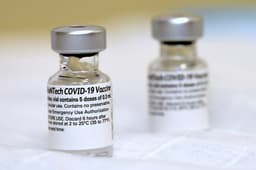
Moderna Exceeds Q4 Sales Expectations, 2026 Growth Outlook Positive

- Sales Performance Exceeds Expectations: Moderna's Q4 sales surpassed market expectations, with specific figures undisclosed, indicating strong performance in the vaccine market and boosting investor confidence.
- Positive Growth Outlook: The company maintains an optimistic growth outlook for 2026, anticipating continued benefits from increased vaccine demand, particularly in emerging markets, which could drive long-term revenue growth.
- Regulatory Challenges: However, the FDA's refusal of Moderna's flu vaccine application raises concerns about the company's vaccine product line, potentially impacting future sales forecasts.
- Market Reaction: Despite facing regulatory challenges, Moderna's overall performance remains robust, and investors should monitor how the company addresses FDA feedback and the progress of future vaccine development.
See More

Moderna Reports Q4 Earnings Beat Expectations
- Earnings Highlights: Moderna reported a Q4 loss of $2.11, beating the expected loss of $2.59 and improving from a loss of $2.91 a year ago, indicating effective cost control measures.
- Sales Performance: Quarterly sales reached $678 million, exceeding expectations of $626 million, with $264 million from the U.S. and $381 million from international markets, although down 30% year-over-year, reflecting ongoing demand for COVID vaccines.
- Future Outlook: Moderna targets up to 10% revenue growth in 2025, with a revenue split of approximately 50% from the U.S. and 50% from international markets in 2026, highlighting the company's focus on international expansion potential.
- FDA Challenge: Moderna faced a setback with the FDA's refusal-to-file letter for its influenza vaccine mRNA-1010, which analysts believe poses a significant threat to the company's vaccine franchise and could hinder its path to breakeven by 2028, reflecting challenges in the regulatory environment.
See More
GSK's RSV Vaccine Shows Significant Effectiveness in Reducing Cardiovascular Events
- Vaccine Effectiveness Data: GSK's RSV vaccine Arexvy demonstrated a 75.6% effectiveness in a retrospective cohort study involving over 2.5 million US patients, significantly reducing hospitalization risk, indicating its crucial role in preventing RSV-related hospitalizations.
- Reduction in Cardiovascular Events: The study also revealed a 63.1% effectiveness against major cardiovascular events, such as heart attacks and strokes, in adults aged 60 and older, which not only enhances health outcomes for elderly patients but may also alleviate burdens on healthcare systems.
- Chronic Disease Flare-Up Risk Reduction: In the same age group, the vaccine showed effectiveness rates of 74.4% and 61.6% against severe COPD and asthma flare-ups, respectively, indicating significant potential for improving the quality of life for older patients.
- Strategic Implications: The research findings not only enhance GSK's competitive advantage in its product line but may also drive market share growth in the respiratory disease sector, further solidifying its leadership position in the biopharmaceutical industry.
See More
GSK's Exdensur Approved by European Commission for Severe Asthma
- Drug Approval: GSK's Exdensur (depemokimab) has been approved by the European Commission for severe asthma and chronic rhinosinusitis with nasal polyps, marking a significant advancement for the company in the respiratory disease sector.
- Clinical Trial Results: The approval is based on results from two phase 3 trials, SWIFT and ANCHOR, both of which successfully met primary or co-primary endpoints, demonstrating the drug's clinical efficacy.
- Reduction in Asthma Attacks: In the SWIFT-1 and SWIFT-2 studies, Exdensur achieved a 58% and 48% reduction in asthma attack rates, respectively, compared to standard care alone, significantly improving patients' quality of life.
- Administration Method: As an IL-5 antagonist, Exdensur is administered via subcutaneous injection every six months, aiming to provide a more convenient treatment option for patients and further enhance its market competitiveness.
See More
GSK's Exdensur Receives EU Approval for Severe Asthma and CRSwNP
- Drug Approval: GSK's Exdensur (depemokimab) has received EU approval as an add-on treatment for severe asthma and CRSwNP, marking a significant advancement for the company in the respiratory disease sector.
- Clinical Trial Results: The SWIFT and ANCHOR phase 3 trials demonstrated that Exdensur significantly reduced asthma exacerbation rates by 58% and 48% over 52 weeks, indicating its potential to improve patient quality of life.
- Market Demand: With over 42 million people affected by asthma in Europe, and 5-10% of patients suffering from severe asthma, the launch of Exdensur is expected to address the substantial unmet needs in this large market.
- Stock Price Reaction: GSK's stock rose 2.65% to $60.49 in the latest trading session, reflecting a positive market response to the drug approval, which may drive future growth for the company.
See More
GSK Set to Trade Ex-Dividend; Dividend Sustainability Analysis
- Ex-Dividend Date Approaching: GSK's stock will trade ex-dividend on February 19, meaning investors purchasing after this date will miss the £0.18 per share dividend payable on April 9, which is crucial for dividend-seeking investors.
- Stable Dividend Yield: Last year, GSK paid a total dividend of £0.72 per share against a current share price of £21.65, resulting in a 3.3% yield, indicating stability in dividend payments despite limited future growth potential.
- Moderate Payout Ratio: With a payout ratio of 47%, GSK's dividends are supported by profits, and last year's dividends consumed 53% of free cash flow, suggesting a sustainable payment capability.
- Weak Earnings Growth: While earnings per share have grown at an average rate of 3.1% annually over the past five years, dividends have declined by an average of 3.2% per year over the last decade, indicating challenges in dividend growth that may affect long-term investor confidence.
See More
Moderna Exceeds Q4 Sales Expectations, 2026 Growth Outlook Positive
- Sales Performance Exceeds Expectations: Moderna's Q4 sales surpassed market expectations, with specific figures undisclosed, indicating strong performance in the vaccine market and boosting investor confidence.
- Positive Growth Outlook: The company maintains an optimistic growth outlook for 2026, anticipating continued benefits from increased vaccine demand, particularly in emerging markets, which could drive long-term revenue growth.
- Regulatory Challenges: However, the FDA's refusal of Moderna's flu vaccine application raises concerns about the company's vaccine product line, potentially impacting future sales forecasts.
- Market Reaction: Despite facing regulatory challenges, Moderna's overall performance remains robust, and investors should monitor how the company addresses FDA feedback and the progress of future vaccine development.
See More
Moderna Reports Q4 Earnings Beat Expectations
- Earnings Highlights: Moderna reported a Q4 loss of $2.11, beating the expected loss of $2.59 and improving from a loss of $2.91 a year ago, indicating effective cost control measures.
- Sales Performance: Quarterly sales reached $678 million, exceeding expectations of $626 million, with $264 million from the U.S. and $381 million from international markets, although down 30% year-over-year, reflecting ongoing demand for COVID vaccines.
- Future Outlook: Moderna targets up to 10% revenue growth in 2025, with a revenue split of approximately 50% from the U.S. and 50% from international markets in 2026, highlighting the company's focus on international expansion potential.
- FDA Challenge: Moderna faced a setback with the FDA's refusal-to-file letter for its influenza vaccine mRNA-1010, which analysts believe poses a significant threat to the company's vaccine franchise and could hinder its path to breakeven by 2028, reflecting challenges in the regulatory environment.
See More