FedEx Freight Successfully Spins Off as Independent Company
Written by Emily J. Thompson, Senior Investment Analyst
Updated: 15 hours ago
0mins
FedEx Freight Holding Company (FDXF) announced the completion of its spin-off from FedEx (FDX), establishing FedEx Freight as an independent, publicly traded company and focused leader in the North American less-than-truckload industry. FedEx Freight common stock will begin "regular way" trading June 1 on the New York Stock Exchange under the ticker symbol "FDXF." It has been announced that FedEx Freight will join leading global equity indices, including the S&P 500 and the Dow Jones Transportation Average. FedEx will continue to trade on the NYSE under the ticker symbol "FDX."
Trade with 70% Backtested Accuracy
Stop guessing "Should I Buy FDXF?" and start using high-conviction signals backed by rigorous historical data.
Sign up today to access powerful investing tools and make smarter, data-driven decisions.
Analyst Views on FDXF
Wall Street analysts forecast FDXF stock price to rise
0 Analyst Rating
0 Buy
0 Hold
0 Sell
Current: 160.370

Low
Averages
High
Current: 160.370
Low
Averages
High
About FDXF
FedEx Freight Holding Company, Inc. comprises a less-than-truckload (LTL) freight transportation services business, including FedEx Custom Critical, LTL Select, and other businesses. The Company's service offerings include Priority, Economy and Direct. Through its subsidiary FedEx Custom Critical, Inc., it provides expedited, time and temperature specific freight solutions, including Surface Expedite and White Glove Services. The Company operates in all states across the United States, Canada, Mexico, Puerto Rico, and the United States Virgin Islands.
About the author

Emily J. Thompson
Emily J. Thompson, a Chartered Financial Analyst (CFA) with 12 years in investment research, graduated with honors from the Wharton School. Specializing in industrial and technology stocks, she provides in-depth analysis for Intellectia’s earnings and market brief reports.

FedEx Freight to Accelerate Growth Post-Separation


- Operational Independence: FedEx Freight CEO John Smith stated that the company's separation from FedEx will enable it to invest more aggressively in growth initiatives specifically tailored to the less-than-truckload market, thereby enhancing its competitive edge.
- Profitability Goals: FedEx Freight aims to achieve a 15% operating margin by 2029, up from approximately 12% currently, with Smith suggesting that this target is not a ceiling, reflecting the company's confidence in future growth.
- Investment in Technology and Sales: As an independent entity, FedEx Freight plans to heavily invest in customer-facing technology and expand its dedicated sales force to improve profitability and customer experience, positioning itself advantageously in the competitive landscape.
- Economic Sensitivity and Market Opportunities: Smith emphasized that despite potential economic slowdowns, FedEx Freight is confident in its ability to grow by gaining market share and improving margins, indicating the company's resilience and strategic foresight in challenging economic conditions.
See More
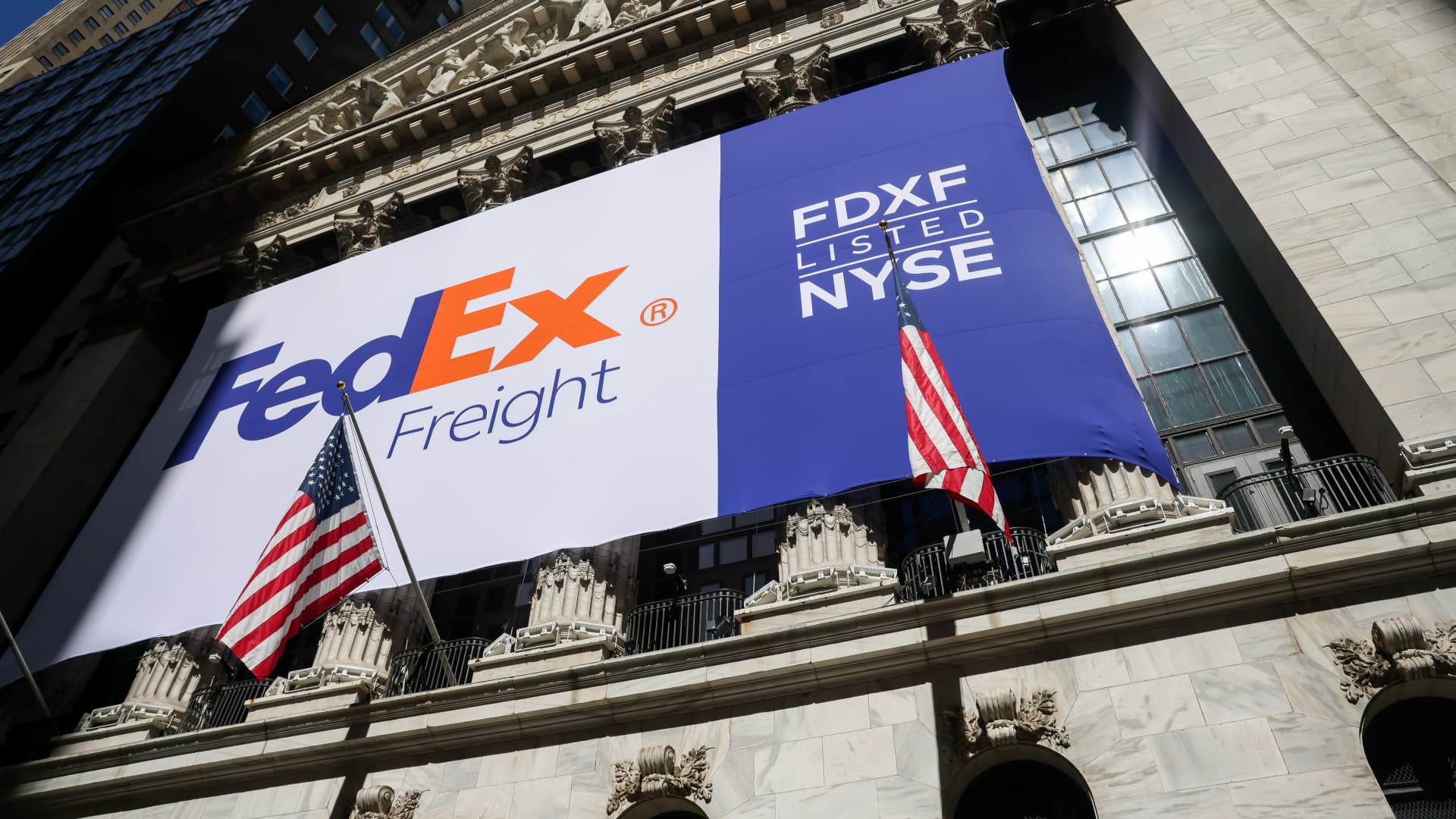
FedEx Freight's Strategic Independence Boosts Growth Potential
- Strategic Independence: FedEx Freight officially separated from FedEx on Monday, becoming the largest less-than-truckload carrier in North America, and is expected to enhance competitiveness through targeted capital investments in the LTL market, thereby accelerating growth.
- Revenue and Goals: Previously generating about $9 billion in revenue within FedEx, the independent company aims to increase its operating margin from 12% to 15% by 2029, highlighting its focus on profitability.
- Market Share and Economic Sensitivity: Despite potential economic slowdowns, CEO John Smith expressed confidence in FedEx Freight's ability to grow by gaining market share and improving margins, indicating resilience amid economic fluctuations.
- Technology and Sales Expansion: The company plans to invest heavily in customer-facing technology and expand its dedicated sales force to enhance customer experience and market competitiveness, further solidifying its leadership position in the LTL shipping market.
See More
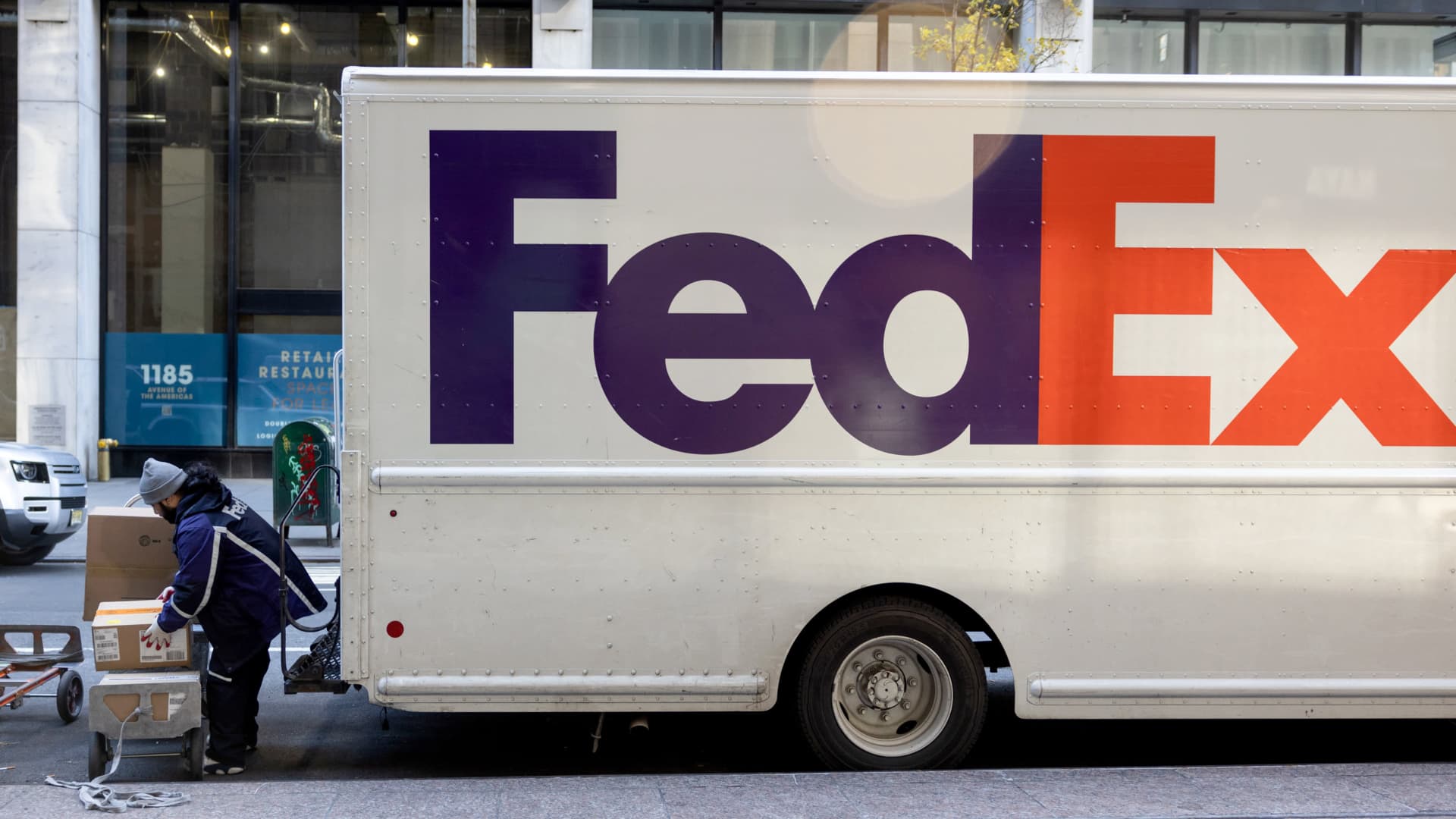
FedEx Split Complete, Freight Outlook Positive

- Split Completion: The FedEx and FedEx Freight split is complete, with shareholders receiving one share of FDXF for every two shares of FDX, marking a successful structural adjustment that is expected to enhance Freight's market performance.
- Revenue Expectations: Freight's management anticipates generating $8.7 billion in revenue and approximately $1.1 billion in adjusted operating income by 2026, reflecting strong growth potential in the LTL market and further solidifying its industry leadership.
- Strategic Goals: Freight aims to increase its operating margin from 12% to 15% through investments in LTL capabilities, automation, and technology, which will enhance its competitiveness and improve customer experience.
- Market Reaction: While post-spin shareholder sell-offs may occur, Freight's inclusion in the S&P 500 could mitigate such volatility, with analysts setting a price target of $175, indicating market confidence in its future growth.
See More

Stocks Open Lower as Oil Prices Rise Amid Iran Tensions


- Market Dynamics: Stocks opened lower on Monday as oil prices rose amid halted negotiations between Iran and the U.S., creating a tense market atmosphere, although strength in technology stocks helped cushion the broader market impact.
- Nvidia Initiatives: Nvidia's stock rose 4% after CEO Jensen Huang unveiled new AI initiatives at the Computex conference in Taiwan, reinforcing the company's long-term growth narrative and demonstrating that AI infrastructure spending is yielding real returns.
- FedEx Spin-off: The first trading day for FedEx Freight following its spin-off from FedEx marked a significant event, with Jim suggesting that the separation will unlock value for both entities, and while some volatility is expected, he remains optimistic about their prospects.
- Rapid Fire Review: Stocks mentioned in Monday's video recap included Berkshire Hathaway, Yum! Brands, MGM, and Strategy, with Jim's charitable trust holding positions in Arm, FedEx, and Nvidia.
See More
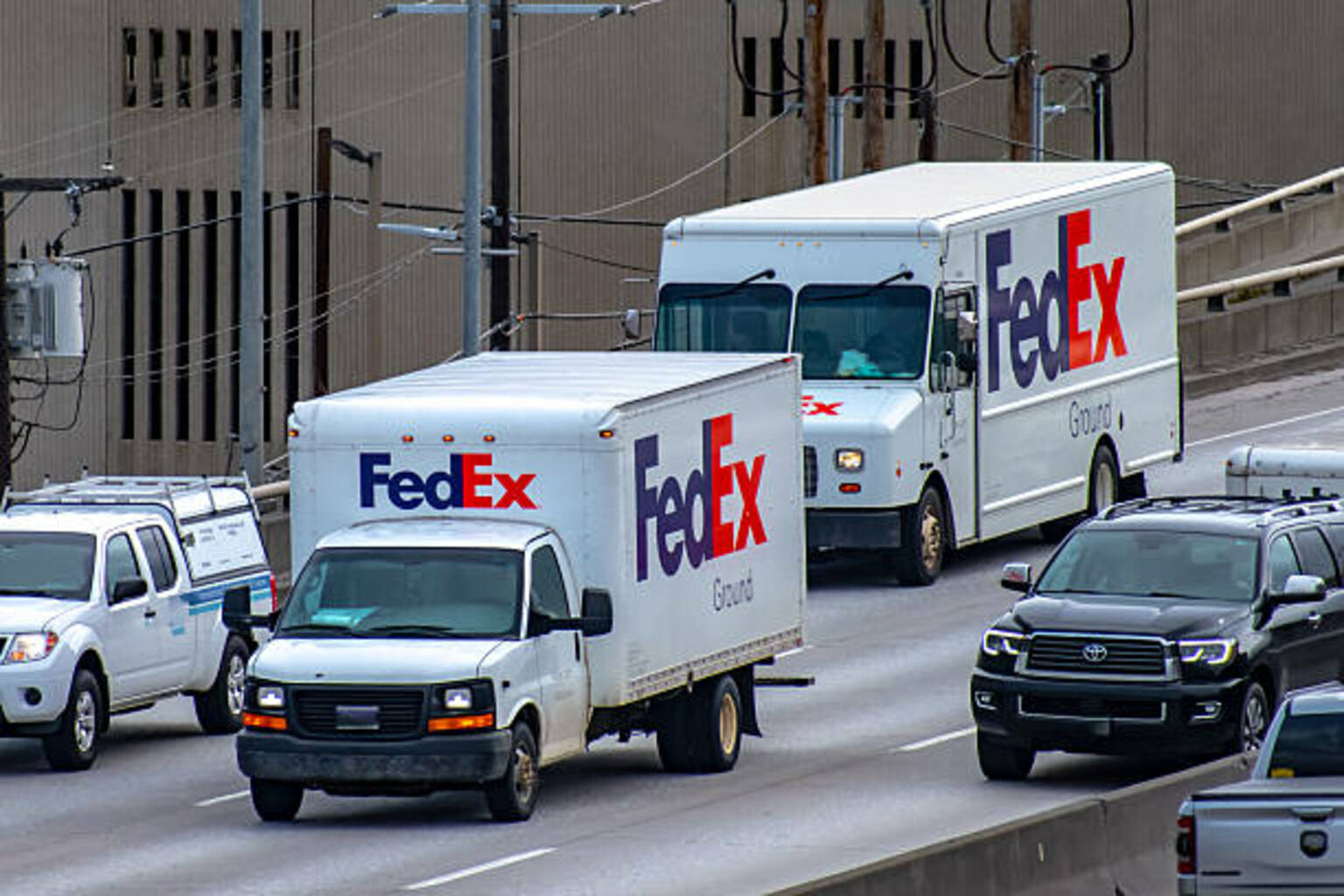
FedEx Completes Spin-off of Freight Holding Company

- Successful Spin-off: FedEx completed the spin-off of FedEx Freight Holding Company on Monday, establishing it as an independent publicly traded entity focused on the North American less-than-truckload market for small and medium-sized businesses, marking a significant strategic milestone for the company.
- Operational Scale: The newly formed FedEx Freight will operate approximately 355 service centers, with around 30,000 vehicles and 39,000 employees across the U.S., Canada, Mexico, Puerto Rico, and the U.S. Virgin Islands, further solidifying its market leadership position.
- Shareholder Value Enhancement: FedEx retained 19.9% of the common stock of FedEx Freight, planning to dispose of these shares within 24 months post-separation through various means to repay debt or distribute dividends to shareholders, thereby enhancing long-term shareholder value.
- Market Outlook: Analysts indicate that FedEx Freight's priority over the next 18 months will be to exit transition service agreements to reduce costs and improve its IT roadmap, while also gradually optimizing pricing and expanding margins supported by a new pricing engine and a more focused sales force.
See More

FedEx Freight Spins Off as Independent Public Company
- Spin-Off Achievement: FedEx Freight has successfully completed its spin-off from FedEx, establishing itself as an independent public company and a leader in the North American LTL industry, which is expected to drive profitable growth and strong free cash flow.
- Stock Trading Launch: FedEx Freight's common stock began trading today on the NYSE under the ticker symbol 'FDXF', and it is anticipated to join the S&P 500 and Dow Jones Transportation Average, enhancing its market visibility.
- Shareholder Distribution Plan: FedEx distributed 80.1% of FedEx Freight's shares on a pro-rata basis, ensuring that each FedEx shareholder receives corresponding shares of FedEx Freight, thereby increasing shareholder value.
- Strategic Development Focus: FedEx Freight plans to leverage its network of over 26,000 service center doors to capitalize on growth opportunities in high-potential verticals, aiming to maximize long-term shareholder value through enhanced service and cost advantages.
See More
FedEx Freight to Accelerate Growth Post-Separation
- Operational Independence: FedEx Freight CEO John Smith stated that the company's separation from FedEx will enable it to invest more aggressively in growth initiatives specifically tailored to the less-than-truckload market, thereby enhancing its competitive edge.
- Profitability Goals: FedEx Freight aims to achieve a 15% operating margin by 2029, up from approximately 12% currently, with Smith suggesting that this target is not a ceiling, reflecting the company's confidence in future growth.
- Investment in Technology and Sales: As an independent entity, FedEx Freight plans to heavily invest in customer-facing technology and expand its dedicated sales force to improve profitability and customer experience, positioning itself advantageously in the competitive landscape.
- Economic Sensitivity and Market Opportunities: Smith emphasized that despite potential economic slowdowns, FedEx Freight is confident in its ability to grow by gaining market share and improving margins, indicating the company's resilience and strategic foresight in challenging economic conditions.
See More
FedEx Freight's Strategic Independence Boosts Growth Potential
- Strategic Independence: FedEx Freight officially separated from FedEx on Monday, becoming the largest less-than-truckload carrier in North America, and is expected to enhance competitiveness through targeted capital investments in the LTL market, thereby accelerating growth.
- Revenue and Goals: Previously generating about $9 billion in revenue within FedEx, the independent company aims to increase its operating margin from 12% to 15% by 2029, highlighting its focus on profitability.
- Market Share and Economic Sensitivity: Despite potential economic slowdowns, CEO John Smith expressed confidence in FedEx Freight's ability to grow by gaining market share and improving margins, indicating resilience amid economic fluctuations.
- Technology and Sales Expansion: The company plans to invest heavily in customer-facing technology and expand its dedicated sales force to enhance customer experience and market competitiveness, further solidifying its leadership position in the LTL shipping market.
See More
FedEx Split Complete, Freight Outlook Positive
- Split Completion: The FedEx and FedEx Freight split is complete, with shareholders receiving one share of FDXF for every two shares of FDX, marking a successful structural adjustment that is expected to enhance Freight's market performance.
- Revenue Expectations: Freight's management anticipates generating $8.7 billion in revenue and approximately $1.1 billion in adjusted operating income by 2026, reflecting strong growth potential in the LTL market and further solidifying its industry leadership.
- Strategic Goals: Freight aims to increase its operating margin from 12% to 15% through investments in LTL capabilities, automation, and technology, which will enhance its competitiveness and improve customer experience.
- Market Reaction: While post-spin shareholder sell-offs may occur, Freight's inclusion in the S&P 500 could mitigate such volatility, with analysts setting a price target of $175, indicating market confidence in its future growth.
See More
Stocks Open Lower as Oil Prices Rise Amid Iran Tensions
- Market Dynamics: Stocks opened lower on Monday as oil prices rose amid halted negotiations between Iran and the U.S., creating a tense market atmosphere, although strength in technology stocks helped cushion the broader market impact.
- Nvidia Initiatives: Nvidia's stock rose 4% after CEO Jensen Huang unveiled new AI initiatives at the Computex conference in Taiwan, reinforcing the company's long-term growth narrative and demonstrating that AI infrastructure spending is yielding real returns.
- FedEx Spin-off: The first trading day for FedEx Freight following its spin-off from FedEx marked a significant event, with Jim suggesting that the separation will unlock value for both entities, and while some volatility is expected, he remains optimistic about their prospects.
- Rapid Fire Review: Stocks mentioned in Monday's video recap included Berkshire Hathaway, Yum! Brands, MGM, and Strategy, with Jim's charitable trust holding positions in Arm, FedEx, and Nvidia.
See More
FedEx Completes Spin-off of Freight Holding Company
- Successful Spin-off: FedEx completed the spin-off of FedEx Freight Holding Company on Monday, establishing it as an independent publicly traded entity focused on the North American less-than-truckload market for small and medium-sized businesses, marking a significant strategic milestone for the company.
- Operational Scale: The newly formed FedEx Freight will operate approximately 355 service centers, with around 30,000 vehicles and 39,000 employees across the U.S., Canada, Mexico, Puerto Rico, and the U.S. Virgin Islands, further solidifying its market leadership position.
- Shareholder Value Enhancement: FedEx retained 19.9% of the common stock of FedEx Freight, planning to dispose of these shares within 24 months post-separation through various means to repay debt or distribute dividends to shareholders, thereby enhancing long-term shareholder value.
- Market Outlook: Analysts indicate that FedEx Freight's priority over the next 18 months will be to exit transition service agreements to reduce costs and improve its IT roadmap, while also gradually optimizing pricing and expanding margins supported by a new pricing engine and a more focused sales force.
See More
FedEx Freight Spins Off as Independent Public Company
- Spin-Off Achievement: FedEx Freight has successfully completed its spin-off from FedEx, establishing itself as an independent public company and a leader in the North American LTL industry, which is expected to drive profitable growth and strong free cash flow.
- Stock Trading Launch: FedEx Freight's common stock began trading today on the NYSE under the ticker symbol 'FDXF', and it is anticipated to join the S&P 500 and Dow Jones Transportation Average, enhancing its market visibility.
- Shareholder Distribution Plan: FedEx distributed 80.1% of FedEx Freight's shares on a pro-rata basis, ensuring that each FedEx shareholder receives corresponding shares of FedEx Freight, thereby increasing shareholder value.
- Strategic Development Focus: FedEx Freight plans to leverage its network of over 26,000 service center doors to capitalize on growth opportunities in high-potential verticals, aiming to maximize long-term shareholder value through enhanced service and cost advantages.
See More