

Ericsson and LotusFlare Reveal Strategic Partnership and Equity Investment
Ericsson's Investment in LotusFlare: Ericsson has closed an equity investment in LotusFlare, enhancing its telecommunications solutions and supporting LotusFlare's growth in AI-powered software for communications service providers (CSPs).
Strategic Partnership Goals: The partnership aims to accelerate the development of a global network API ecosystem, focusing on monetization and operational efficiency for CSPs through LotusFlare's DNO Cloud and Nomad eSIM products.
Market Impact and Validation: LotusFlare's DNO Cloud platform and Nomad eSIM service have been validated by Ericsson's investment, which is expected to unlock new market opportunities and enhance network asset monetization capabilities for CSPs.
Future Collaboration: Both companies plan to explore further opportunities related to network asset monetization and API exposure, with LotusFlare aiming to expand its global presence and develop AI-ready solutions.
Trade with 70% Backtested Accuracy
Analyst Views on ERIC

About ERIC
About the author


Ericsson to Release Q2 2026 Financial Report

- Report Release Timing: Ericsson will publish its Q2 2026 financial report on July 14, 2026, at 7:00 AM CEST, providing a complete PDF report to ensure timely access to critical financial information for investors.
- Live Webcast Commentary: President and CEO Börje Ekholm and CFO Lars Sandström will comment on the report and answer questions during a live webcast at 9:00 AM CEST, enhancing engagement with investors and stakeholders.
- Report Access Channels: The financial report will be available on Ericsson's website post-release, ensuring that all stakeholders can conveniently access the latest financial data, thereby improving transparency and trust.
- Media and Analyst Invitation: The briefing invites media and analysts, reflecting Ericsson's commitment to external feedback and aiming to strengthen market connections through open communication channels.

Ericsson Q2 2026 Financial Report Release Schedule
- Report Release Timing: Ericsson will publish its Q2 2026 financial report on July 14, 2026, at approximately 7:00 AM CEST, providing a comprehensive financial report and tables for in-depth analysis by investors and analysts.
- Live Webcast Commentary: President and CEO Börje Ekholm and CFO Lars Sandström will comment on the report and answer investor questions during a live webcast at 9:00 AM CEST, enhancing transparency and interaction with stakeholders.
- Report Access Channels: After the report is published, investors can access the complete report on Ericsson's website, ensuring timely information dissemination and convenient access, thereby improving communication efficiency with investors.
- Media and Analyst Invitation: The financial report briefing invites media and analysts to participate, aiming to enhance understanding of the company's performance through direct engagement and strengthen market confidence in Ericsson's future growth.
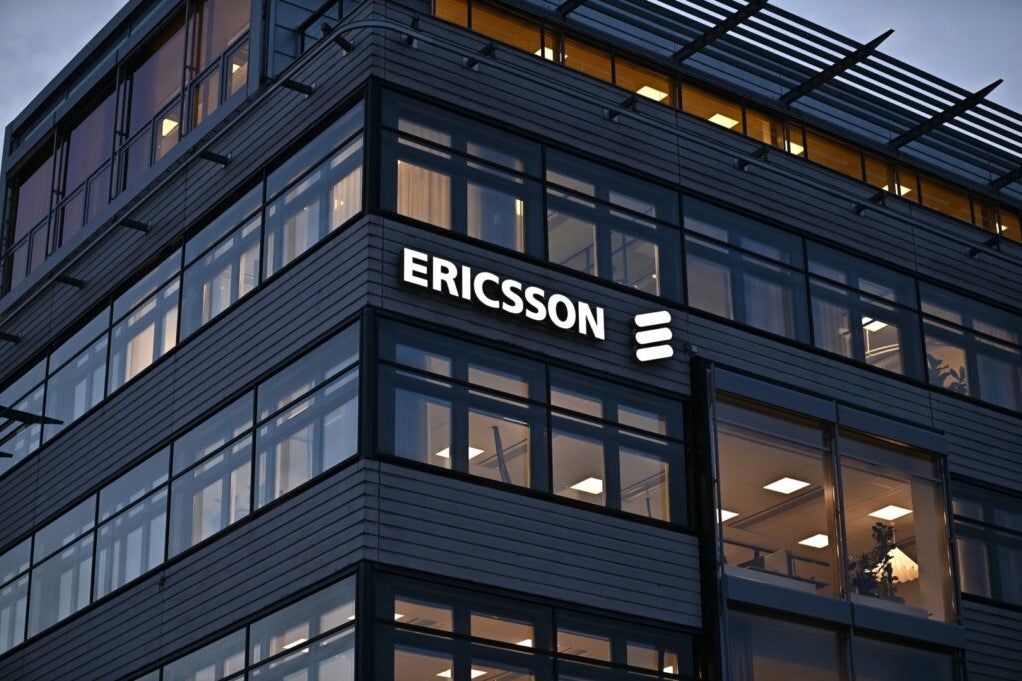
Ericsson Q2 2026 Financial Report Release Schedule
- Report Release Timing: Ericsson will publish its Q2 2026 financial report at approximately 7:00 AM CEST on July 14, 2026, providing a comprehensive financial report and tables for in-depth analysis by investors and analysts.
- Live Webcast Details: A live video webcast will follow at 9:00 AM CEST, featuring President and CEO Börje Ekholm and CFO Lars Sandström discussing the report and answering questions, enhancing transparency and investor confidence.
- Accessing the Report: The financial report will be available on Ericsson's website post-release, ensuring all stakeholders can access the latest financial information promptly, facilitating widespread dissemination of critical data.
- On-Demand Playback: After the live event, the webcast will be available on-demand, allowing investors and analysts who could not attend live to view the content at their convenience, further improving accessibility and transparency of information.
Vonage Launches Advanced Fraud Prevention Solutions in Canada
- Network Data-Driven Fraud Prevention: Vonage, in partnership with Aduna and EnStream, has launched fraud prevention solutions powered by real-time mobile network data, enhancing identity verification capabilities for enterprises and developers across Canada's major carriers while ensuring a seamless user experience.
- SIM Swap Detection: The SIM Swap Detection feature enhances fraud detection rates by 30-40% through real-time identification of SIM card changes, effectively addressing the projected 33,854 fraud cases in 2025 and protecting consumers from account takeover threats.
- Seamless Authentication Experience: The Silent Authentication API leverages mobile network intelligence to simplify user identity verification, eliminating the need for one-time passcodes, reducing risks from phishing and social engineering attacks, while improving user experience and ensuring secure transactions.
- Industry Collaboration and Market Expansion: The partnership with EnStream ensures nationwide coverage of network intelligence, boosting identity verification capabilities in sectors like fintech and e-commerce, marking Vonage's comprehensive expansion in the North American market.

Vonage API Power Integrates with Kiro IDE for Developers
- Enhanced Developer Ecosystem: The launch of Vonage API Power in the AWS Kiro IDE marks the first native CPaaS solution, enabling millions of developers to leverage Vonage's communications and network APIs directly, thereby accelerating application development and deployment while enhancing market competitiveness.
- Streamlined Integration Process: With a single-click installation, Vonage API Power activates automatically, removing friction from the developer onboarding and integration process, which directly shortens time to market and facilitates quicker revenue recognition.
- Support for Advanced Features: Developers can build applications utilizing Vonage Network APIs for advanced use cases such as Silent Authentication and SIM Swap detection, enhancing application security and user experience, further driving enterprise digital transformation.
- Deep Collaboration with AWS: Vonage offers a range of enterprise solutions on the AWS Marketplace, including AI Voice Agents and the Vonage Protection Suite, showcasing its innovative capabilities in cloud computing and mobile networks, thereby improving procurement and integration efficiency for enterprises.
Ericsson Appoints New Head of Business Area Networks
- Executive Appointment: Ericsson has announced the appointment of David Hammarwall as the new Head of Business Area Networks and Senior Vice President, effective October 1, 2026, succeeding Per Narvinger, who will become President and CEO.
- Extensive Experience: Hammarwall has been with Ericsson since 2007 and holds a PhD in telecommunications, having previously held key roles such as Head of Product Area Networks and Head of 5G RAN Product Line, showcasing his deep expertise in technology and market dynamics.
- Technological Leadership: Börje Ekholm, CEO of Ericsson, emphasized that Hammarwall's extensive technological expertise and commercial knowledge will drive the company's success in 5G, AI, and the journey towards 6G, highlighting his respected leadership in the industry.
- Future Outlook: Hammarwall expressed excitement about collaborating with the network team to leverage AI for enhanced network intelligence, indicating Ericsson's strategic focus on digital transformation and value creation for customers and partners.
Ericsson to Release Q2 2026 Financial Report
- Report Release Timing: Ericsson will publish its Q2 2026 financial report on July 14, 2026, at 7:00 AM CEST, providing a complete PDF report to ensure timely access to critical financial information for investors.
- Live Webcast Commentary: President and CEO Börje Ekholm and CFO Lars Sandström will comment on the report and answer questions during a live webcast at 9:00 AM CEST, enhancing engagement with investors and stakeholders.
- Report Access Channels: The financial report will be available on Ericsson's website post-release, ensuring that all stakeholders can conveniently access the latest financial data, thereby improving transparency and trust.
- Media and Analyst Invitation: The briefing invites media and analysts, reflecting Ericsson's commitment to external feedback and aiming to strengthen market connections through open communication channels.
Ericsson Q2 2026 Financial Report Release Schedule
- Report Release Timing: Ericsson will publish its Q2 2026 financial report on July 14, 2026, at approximately 7:00 AM CEST, providing a comprehensive financial report and tables for in-depth analysis by investors and analysts.
- Live Webcast Commentary: President and CEO Börje Ekholm and CFO Lars Sandström will comment on the report and answer investor questions during a live webcast at 9:00 AM CEST, enhancing transparency and interaction with stakeholders.
- Report Access Channels: After the report is published, investors can access the complete report on Ericsson's website, ensuring timely information dissemination and convenient access, thereby improving communication efficiency with investors.
- Media and Analyst Invitation: The financial report briefing invites media and analysts to participate, aiming to enhance understanding of the company's performance through direct engagement and strengthen market confidence in Ericsson's future growth.
Ericsson Q2 2026 Financial Report Release Schedule
- Report Release Timing: Ericsson will publish its Q2 2026 financial report at approximately 7:00 AM CEST on July 14, 2026, providing a comprehensive financial report and tables for in-depth analysis by investors and analysts.
- Live Webcast Details: A live video webcast will follow at 9:00 AM CEST, featuring President and CEO Börje Ekholm and CFO Lars Sandström discussing the report and answering questions, enhancing transparency and investor confidence.
- Accessing the Report: The financial report will be available on Ericsson's website post-release, ensuring all stakeholders can access the latest financial information promptly, facilitating widespread dissemination of critical data.
- On-Demand Playback: After the live event, the webcast will be available on-demand, allowing investors and analysts who could not attend live to view the content at their convenience, further improving accessibility and transparency of information.
Vonage Launches Advanced Fraud Prevention Solutions in Canada
- Network Data-Driven Fraud Prevention: Vonage, in partnership with Aduna and EnStream, has launched fraud prevention solutions powered by real-time mobile network data, enhancing identity verification capabilities for enterprises and developers across Canada's major carriers while ensuring a seamless user experience.
- SIM Swap Detection: The SIM Swap Detection feature enhances fraud detection rates by 30-40% through real-time identification of SIM card changes, effectively addressing the projected 33,854 fraud cases in 2025 and protecting consumers from account takeover threats.
- Seamless Authentication Experience: The Silent Authentication API leverages mobile network intelligence to simplify user identity verification, eliminating the need for one-time passcodes, reducing risks from phishing and social engineering attacks, while improving user experience and ensuring secure transactions.
- Industry Collaboration and Market Expansion: The partnership with EnStream ensures nationwide coverage of network intelligence, boosting identity verification capabilities in sectors like fintech and e-commerce, marking Vonage's comprehensive expansion in the North American market.
Vonage API Power Integrates with Kiro IDE for Developers
- Enhanced Developer Ecosystem: The launch of Vonage API Power in the AWS Kiro IDE marks the first native CPaaS solution, enabling millions of developers to leverage Vonage's communications and network APIs directly, thereby accelerating application development and deployment while enhancing market competitiveness.
- Streamlined Integration Process: With a single-click installation, Vonage API Power activates automatically, removing friction from the developer onboarding and integration process, which directly shortens time to market and facilitates quicker revenue recognition.
- Support for Advanced Features: Developers can build applications utilizing Vonage Network APIs for advanced use cases such as Silent Authentication and SIM Swap detection, enhancing application security and user experience, further driving enterprise digital transformation.
- Deep Collaboration with AWS: Vonage offers a range of enterprise solutions on the AWS Marketplace, including AI Voice Agents and the Vonage Protection Suite, showcasing its innovative capabilities in cloud computing and mobile networks, thereby improving procurement and integration efficiency for enterprises.
Ericsson Appoints New Head of Business Area Networks
- Executive Appointment: Ericsson has announced the appointment of David Hammarwall as the new Head of Business Area Networks and Senior Vice President, effective October 1, 2026, succeeding Per Narvinger, who will become President and CEO.
- Extensive Experience: Hammarwall has been with Ericsson since 2007 and holds a PhD in telecommunications, having previously held key roles such as Head of Product Area Networks and Head of 5G RAN Product Line, showcasing his deep expertise in technology and market dynamics.
- Technological Leadership: Börje Ekholm, CEO of Ericsson, emphasized that Hammarwall's extensive technological expertise and commercial knowledge will drive the company's success in 5G, AI, and the journey towards 6G, highlighting his respected leadership in the industry.
- Future Outlook: Hammarwall expressed excitement about collaborating with the network team to leverage AI for enhanced network intelligence, indicating Ericsson's strategic focus on digital transformation and value creation for customers and partners.





