

Equity Futures Slightly Up, Tech Stocks Perform Strongly


Equity futures have reopened slightly higher, with S&P e-minis and Nasdaq 100 contracts both trading up a decimal, following headlines that Iranian negotiators have submitted another proposal to regional mediators, offering a halt on attacking ships in the Strait of Hormuz in exchange for a full end to the war. Energy markets are not budging in preserving a geopolitical premium to start the week however, with WTI Crude Oil still trading north of $95 per barrel. In precious metals, Gold and Silver prices continue to trade sideways above $4,700 and $75 per ounce respectively.With earnings season ramping up this week, investors remain focused on the broadbased rally in the Tech space of late. Semiconductors in particular have outperformed, with the VanEck Semiconductor ETFnow up a whopping 40% from its late-March lows. Nvidiaset new record highs today above $215 per share, while Alphabet'srecord high above $350 propelled Communication Services to the top of S&P 500 sectors for the day. Consumer Defensive sector - one of the worst performers over recent weeks and months - remained under pressure, with outsized losses seen among the "dollar-store" names Dollar Treeand Dollar General.Check out this evening's top movers from around Wall Street, compiled by The Fly.HIGHER AFTER EARNINGS -Bed Bath & Beyondup 27.2%Kforceup 21.1%Sanmina (up 13.8%LendingClubup 13.8%Solaris Energy Infrastructureup 13.0%Craneup 6.6%Nucorup 3.8%Cadenceup 1.0%DOWN AFTER EARNINGS -Rambusdown 11.2%Celesticadown 8.5%Ranger Energy Servicesdown 6.0%Amkor Technologydown 3.1%ALSO LOWER -Erascadown 37.1% after disclosing preliminary dose escalation data for ERAS-0015Qiagen N.V.down 5.5% after Q1 pre-announcement
Trade with 70% Backtested Accuracy
Analyst Views on SANM

About SANM
About the author


Analysis of IJR ETF's 52-Week Price Fluctuations


- Price Range Analysis: The IJR ETF has a 52-week low of $105.15 and a high of $145.06, with the last trade at $143.47, indicating stability near its high, which may attract investor interest in its technical performance.
- Technical Analysis Tool: Comparing the current share price to the 200-day moving average can provide valuable insights for investors, helping to assess market trends and potential buy or sell opportunities.
- ETF Trading Mechanism: ETFs trade like stocks, where investors are buying and selling 'units' that can be created or destroyed based on investor demand, impacting the underlying holdings and reflecting market supply and demand changes.
- Inflows and Outflows Monitoring: Weekly monitoring of changes in shares outstanding for ETFs helps identify those experiencing significant inflows or outflows, allowing investors to capture market dynamics and investment opportunities promptly.

BellRing Brands Dropped from S&P Index Amid Market Struggles


- Significant Stock Decline: BellRing Brands' shares plummeted nearly 10% during Monday's trading session, closing at $7.90, indicating investor concerns regarding its removal from the S&P MidCap 400 index and reflecting worries about the company's future performance.
- Index Adjustment Impact: S&P Global announced that BellRing will be replaced in the S&P MidCap 400 index by new entrants like Roku, with the adjustment aimed at ensuring the index better represents market capitalization ranges; while such changes typically have little impact on fundamentals, they highlight BellRing's recent market struggles.
- Reduced Market Capitalization: BellRing's market cap has shrunk to $1 billion, underscoring its challenges in the competitive protein products market, which may erode investor confidence in its growth potential and lead to further stock price volatility.
- Investor Guidance: Despite the potential for short-term stock price fluctuations due to index exclusion, analysts advise investors to focus on BellRing's performance, strategy, and financial position rather than making long-term investment decisions solely based on index membership.

BellRing Brands to Exit S&P 400 MidCap Index
- Index Component Change: BellRing Brands (NYSE: BRBR) is set to be removed from the S&P 400 MidCap Index, and while this change is expected to have little impact on its fundamentals, the market reacted negatively, causing shares to drop nearly 10% during Monday's trading session.
- Market Reaction Analysis: The quarterly rebalancing announced by S&P Global after market close on Friday replaced BellRing's stock with new entrants like Roku and Coeur Mining, raising investor concerns about the company's shrinking market cap, which contributed to the significant decline in share price.
- Investor Recommendations: Analysts emphasize that investors should not base their buy or sell decisions solely on whether a company is part of a well-known index, but rather focus on BellRing's performance, strategy, and financial position to make more informed investment choices.
- Market Performance Comparison: Although BellRing Brands did not make it onto the Motley Fool Stock Advisor's list of the 10 best stocks, the average return of this list stands at 941%, significantly outperforming the S&P 500's 206%, indicating a market preference for high-quality stocks.

U.S. Faces Challenges in PCB Manufacturing Amid AI Boom


- National Security Risks: The U.S. Defense Department mandates that most purchases come from domestic factories due to the potential for circuit boards to be compromised, which could lead to missile failures, highlighting the risks of dependency on Chinese PCBs.
- Dramatic Market Share Decline: The U.S. share of the PCB market has plummeted from 30% to just 4%, placing immense pressure on companies like TTM and Sanmina to meet the surging demand from AI and defense sectors.
- Soaring Prices: PCB prices surged by 40% in just one month due to supply chain disruptions from Middle Eastern conflicts, with TTM planning to raise prices by 5% to 25%, intensifying market competition.
- Legislative Support: U.S. Congress is considering legislation that offers a 25% tax credit and $3 billion in grants to incentivize AI companies to purchase American-made PCBs, aiming to enhance domestic manufacturing capabilities to counter Chinese competition.
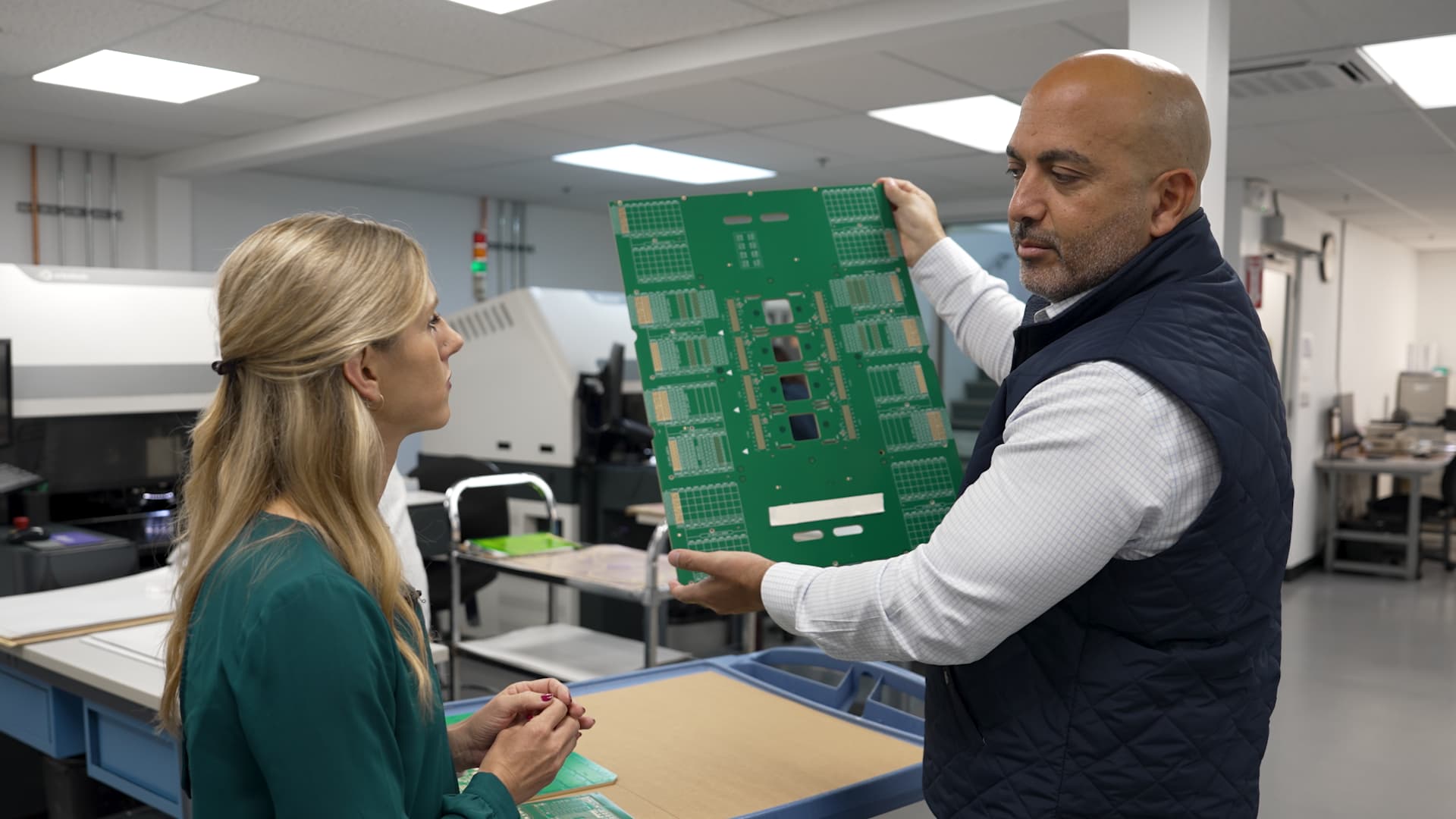
U.S. Circuit Board Dependence on China Raises Security Concerns

- National Security Risks: The U.S. Defense Department mandates that most purchases come from domestic factories to mitigate risks of malicious components in circuit boards, highlighting significant national security concerns amid escalating U.S.-China AI competition.
- Declining Market Share: The U.S. share of printed circuit board (PCB) production has plummeted from 30% to just 4%, significantly diminishing America's competitive edge in the global PCB market and increasing reliance on Chinese manufacturing.
- Price Surge Trend: PCB prices surged by 40% in just one month due to supply chain disruptions from Middle Eastern conflicts, placing TTM Technologies and Sanmina under dual pressure from military and commercial demands, resulting in substantial stock price increases over the past year.
- Domestic Production Expansion: TTM is rapidly expanding its production capabilities in New York and Wisconsin to meet the rising demands of AI and defense, with plans to add more factories in the coming years, thereby enhancing the U.S.'s position in global PCB manufacturing.
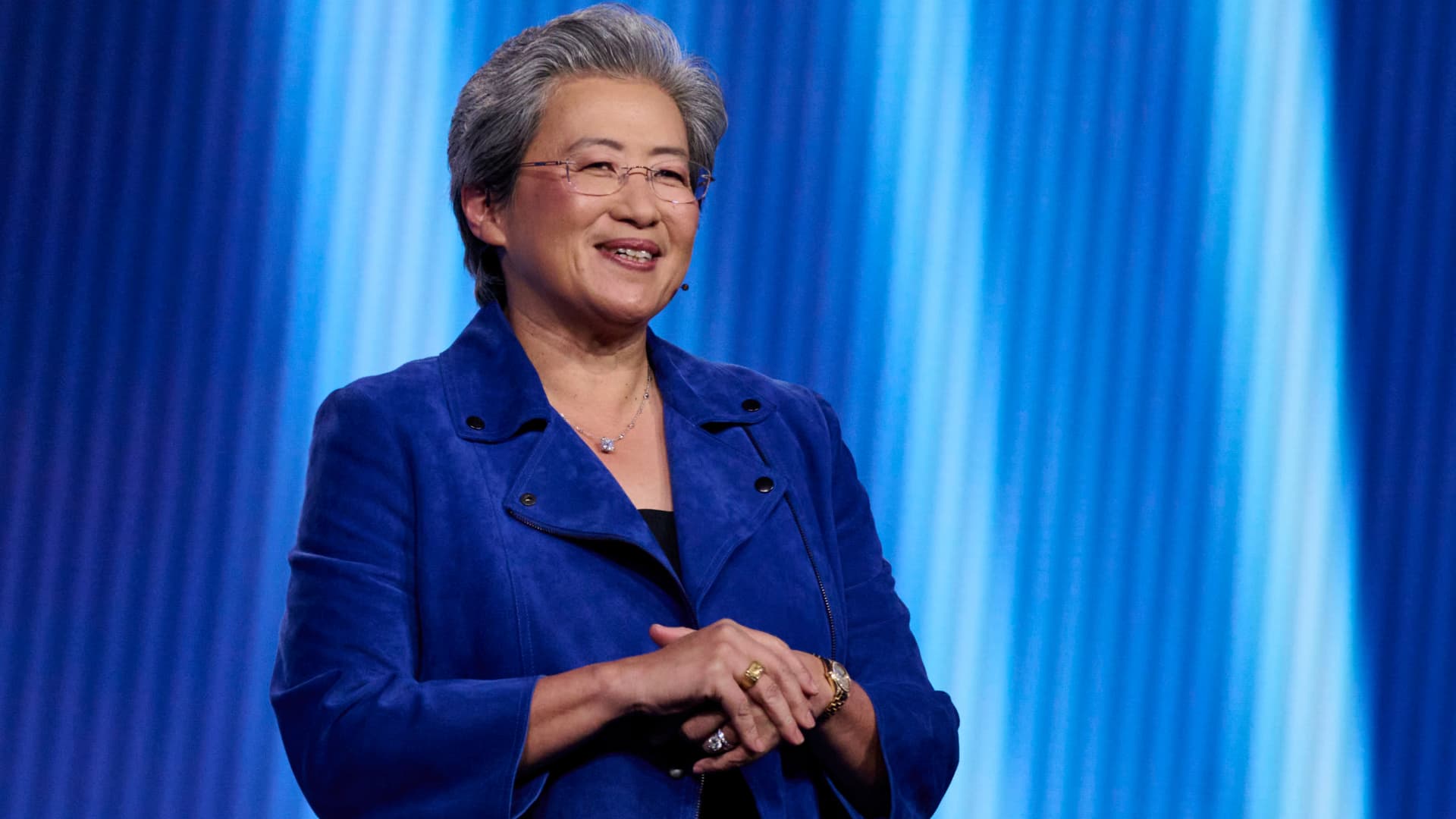
AMD to Invest Over $10 Billion in Taiwan's Semiconductor and AI Ecosystem


- Major Investment Initiative: AMD has announced an investment of over $10 billion in Taiwan's semiconductor and AI ecosystem to enhance chip production and performance, thereby solidifying its position in the global semiconductor market.
- Strategic Partnerships: AMD will collaborate with Taiwan-based companies ASE and SPIL to focus on advancements in chip packaging and manufacturing technologies, which will improve the performance and efficiency of next-generation AI infrastructure.
- AI Infrastructure Demand: With ongoing heavy investments in AI infrastructure, AMD's stock has doubled this year, indicating strong momentum in its competitive stance against Nvidia, which is expected to further drive market share growth.
- Helios Server System: AMD plans to launch its Helios AI server system in the second half of 2026, with partners including Sanmina, Wiwynn, Wistron, and Inventec, aiming to enhance the speed and efficiency of AI system deployment through technological innovations.
Analysis of IJR ETF's 52-Week Price Fluctuations
- Price Range Analysis: The IJR ETF has a 52-week low of $105.15 and a high of $145.06, with the last trade at $143.47, indicating stability near its high, which may attract investor interest in its technical performance.
- Technical Analysis Tool: Comparing the current share price to the 200-day moving average can provide valuable insights for investors, helping to assess market trends and potential buy or sell opportunities.
- ETF Trading Mechanism: ETFs trade like stocks, where investors are buying and selling 'units' that can be created or destroyed based on investor demand, impacting the underlying holdings and reflecting market supply and demand changes.
- Inflows and Outflows Monitoring: Weekly monitoring of changes in shares outstanding for ETFs helps identify those experiencing significant inflows or outflows, allowing investors to capture market dynamics and investment opportunities promptly.
BellRing Brands Dropped from S&P Index Amid Market Struggles
- Significant Stock Decline: BellRing Brands' shares plummeted nearly 10% during Monday's trading session, closing at $7.90, indicating investor concerns regarding its removal from the S&P MidCap 400 index and reflecting worries about the company's future performance.
- Index Adjustment Impact: S&P Global announced that BellRing will be replaced in the S&P MidCap 400 index by new entrants like Roku, with the adjustment aimed at ensuring the index better represents market capitalization ranges; while such changes typically have little impact on fundamentals, they highlight BellRing's recent market struggles.
- Reduced Market Capitalization: BellRing's market cap has shrunk to $1 billion, underscoring its challenges in the competitive protein products market, which may erode investor confidence in its growth potential and lead to further stock price volatility.
- Investor Guidance: Despite the potential for short-term stock price fluctuations due to index exclusion, analysts advise investors to focus on BellRing's performance, strategy, and financial position rather than making long-term investment decisions solely based on index membership.
BellRing Brands to Exit S&P 400 MidCap Index
- Index Component Change: BellRing Brands (NYSE: BRBR) is set to be removed from the S&P 400 MidCap Index, and while this change is expected to have little impact on its fundamentals, the market reacted negatively, causing shares to drop nearly 10% during Monday's trading session.
- Market Reaction Analysis: The quarterly rebalancing announced by S&P Global after market close on Friday replaced BellRing's stock with new entrants like Roku and Coeur Mining, raising investor concerns about the company's shrinking market cap, which contributed to the significant decline in share price.
- Investor Recommendations: Analysts emphasize that investors should not base their buy or sell decisions solely on whether a company is part of a well-known index, but rather focus on BellRing's performance, strategy, and financial position to make more informed investment choices.
- Market Performance Comparison: Although BellRing Brands did not make it onto the Motley Fool Stock Advisor's list of the 10 best stocks, the average return of this list stands at 941%, significantly outperforming the S&P 500's 206%, indicating a market preference for high-quality stocks.
U.S. Faces Challenges in PCB Manufacturing Amid AI Boom
- National Security Risks: The U.S. Defense Department mandates that most purchases come from domestic factories due to the potential for circuit boards to be compromised, which could lead to missile failures, highlighting the risks of dependency on Chinese PCBs.
- Dramatic Market Share Decline: The U.S. share of the PCB market has plummeted from 30% to just 4%, placing immense pressure on companies like TTM and Sanmina to meet the surging demand from AI and defense sectors.
- Soaring Prices: PCB prices surged by 40% in just one month due to supply chain disruptions from Middle Eastern conflicts, with TTM planning to raise prices by 5% to 25%, intensifying market competition.
- Legislative Support: U.S. Congress is considering legislation that offers a 25% tax credit and $3 billion in grants to incentivize AI companies to purchase American-made PCBs, aiming to enhance domestic manufacturing capabilities to counter Chinese competition.
U.S. Circuit Board Dependence on China Raises Security Concerns
- National Security Risks: The U.S. Defense Department mandates that most purchases come from domestic factories to mitigate risks of malicious components in circuit boards, highlighting significant national security concerns amid escalating U.S.-China AI competition.
- Declining Market Share: The U.S. share of printed circuit board (PCB) production has plummeted from 30% to just 4%, significantly diminishing America's competitive edge in the global PCB market and increasing reliance on Chinese manufacturing.
- Price Surge Trend: PCB prices surged by 40% in just one month due to supply chain disruptions from Middle Eastern conflicts, placing TTM Technologies and Sanmina under dual pressure from military and commercial demands, resulting in substantial stock price increases over the past year.
- Domestic Production Expansion: TTM is rapidly expanding its production capabilities in New York and Wisconsin to meet the rising demands of AI and defense, with plans to add more factories in the coming years, thereby enhancing the U.S.'s position in global PCB manufacturing.
AMD to Invest Over $10 Billion in Taiwan's Semiconductor and AI Ecosystem
- Major Investment Initiative: AMD has announced an investment of over $10 billion in Taiwan's semiconductor and AI ecosystem to enhance chip production and performance, thereby solidifying its position in the global semiconductor market.
- Strategic Partnerships: AMD will collaborate with Taiwan-based companies ASE and SPIL to focus on advancements in chip packaging and manufacturing technologies, which will improve the performance and efficiency of next-generation AI infrastructure.
- AI Infrastructure Demand: With ongoing heavy investments in AI infrastructure, AMD's stock has doubled this year, indicating strong momentum in its competitive stance against Nvidia, which is expected to further drive market share growth.
- Helios Server System: AMD plans to launch its Helios AI server system in the second half of 2026, with partners including Sanmina, Wiwynn, Wistron, and Inventec, aiming to enhance the speed and efficiency of AI system deployment through technological innovations.





