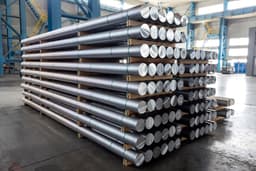
Emirates Global Aluminium and Century Aluminum Partner to Build New Aluminum Plant
Emirates Global Aluminium and Century Aluminum Company entered into a joint development agreement to build the first new primary aluminum production plant in the United States since 1980. Under the joint development agreement, EGA will own 60 percent of the joint venture, with Century owning the remaining 40 percent. The new plant, to be built in Inola, Oklahoma as previously announced by EGA, is expected to produce 750,000 tonnes of aluminum per year, larger than previously envisioned and more than doubling current U.S. production. The Inola plant will create 1,000 permanent direct jobs at the facility and 4,000 jobs during construction. The partnership combines EGA's expertise in aluminum smelting design and technology, construction and operation with Century's extensive history and expertise operating aluminum smelters in the United States utilizing domestic supply chains. The project will use EGA's latest EX technology. Both parties will now solely focus their greenfield development efforts in the United States on the Inola, OK site. Once complete, the Inola plant will be the largest ever primary aluminum production plant in the U.S., and the first built in nearly 50 years. About 85 percent of the aluminum needs of American industries are currently met by imports. The new smelter will expand the domestic supply of this critical mineral and grow the American aluminum workforce, revitalizing U.S. aluminum expertise and know-how. Construction of the project is expected to start by the end of 2026. Production is expected to begin by the end of the decade. Detailed engineering work is already underway and negotiations with Public Service Company of Oklahoma and the state of Oklahoma on a competitive long-term power supply are progressing.
Discover Tomorrow's Bullish Stocks Today
Analyst Views on CENX

About CENX
About the author









Pentagon Invests $4.5 Billion in Critical Minerals


- Surge in Government Investment: The Pentagon's $4.5 billion investment in critical minerals during the last months of 2025 is expected to lead to record levels of government support for strategic mineral projects in 2026, enhancing competitiveness for companies in defense and technology sectors.
- Mineral Discovery: GoldHaven Resources has confirmed a mineral system across 36,973 hectares at its Magno Project in British Columbia, showcasing potential for copper, gold, silver, lead, zinc, and tungsten, which could significantly enhance the company's resource development opportunities.
- High-Grade Mineralization Validation: Surface sampling at the Magno Zone revealed copper values up to 6,660 ppm, indicating the presence of high-grade copper mineralization within the rocks, further supporting the project's economic viability and future drilling plans.
- Multiple Projects Advancing: GoldHaven has completed diamond drilling at its Copeçal Gold Project in Brazil and confirmed high-grade copper at Three Guardsmen, now controlling 133,186 hectares across mining jurisdictions, demonstrating strong momentum in advancing multiple mining projects simultaneously.

Aluminum Prices Surge to Four-Year High as Dollar Weakens
- Aluminum Price Surge: Aluminum futures on the London Metal Exchange rose 2.3% to $3,387 per metric ton, marking a nearly four-year high, reflecting strong demand for base metals and bullish investor sentiment.
- Dollar Weakness Impact: Trump's comments expressing indifference towards the dollar's decline intensified bearish sentiment in the market, leading to price increases in aluminum and other base metals, with copper up 1.5% and zinc up 1.9%.
- Goldman Sachs Upgrades Outlook: Goldman Sachs raised its aluminum price forecast for H1 2023 from $2,575 to $3,150 per ton, although still below current prices, indicating strong confidence in the aluminum market and sustained investor optimism.
- Supply and Demand Dynamics: Low global aluminum inventories and concerns over power availability for new Indonesian smelters, coupled with rising demand from electric vehicles and grid requirements, have supported the price rally, despite Goldman forecasting a drop to $2,400 per ton in the future.