Elliott Challenges Toyota Industries Takeover Proposal
Written by Emily J. Thompson, Senior Investment Analyst
Updated: Jan 31 2026
0mins
Should l Buy TM?
Source: Yahoo Finance
- Acquisition Controversy: Elliott Investment Management has escalated its opposition to the Toyota group's proposed acquisition of Toyota Industries, arguing that the offer undervalues the company and raises concerns about corporate governance in Japan, potentially undermining shareholder trust in the Toyota group.
- Shareholder Pushback: Elliott is urging other shareholders to reject the deal, adding pressure on Toyota Motor, especially as its stock price has risen 21.8% over the past year, increasing investor scrutiny on governance issues.
- Governance Structure Impact: This challenge is less about immediate headlines and more about influencing how future transactions are structured, how independent directors engage with minority shareholders, and the voice of activist investors in Japan's capital markets.
- Financial Metrics Focus: Toyota Motor's current stock price is ¥3,504, which is below the analyst target of ¥3,611, and its P/E ratio of 9.9x is lower than the industry average of 11.3x, indicating that market reactions to governance updates could significantly impact its stock performance.
Trade with 70% Backtested Accuracy
Stop guessing "Should I Buy TM?" and start using high-conviction signals backed by rigorous historical data.
Sign up today to access powerful investing tools and make smarter, data-driven decisions.
Analyst Views on TM
About TM
Toyota Motor Corp is a Japan-based company mainly engaged in the automotive business, as well as financial services and other businesses. It operates through three business segments. The Automotive segment designs, manufactures, and sells automobiles, including sedans, minivans, compact cars, sport utility vehicles (SUVs), and trucks, as well as related parts and accessories. The Financial Services segment provides financing and vehicle leasing services to complement the sales of automobiles and other products manufactured by itself and its affiliates. The Other segment engages in information and communications services. It also oversees manufacturing and sales companies, conducts public relations and research activities, oversees financial companies, and develops various mobility products, primarily software.
About the author

Emily J. Thompson
Emily J. Thompson, a Chartered Financial Analyst (CFA) with 12 years in investment research, graduated with honors from the Wharton School. Specializing in industrial and technology stocks, she provides in-depth analysis for Intellectia’s earnings and market brief reports.

Toyota's Over $10 Billion Investment in US Manufacturing

- US Manufacturing Investment: Toyota's total investment in the US reaches $13.9 billion, including a new $1 billion investment in Kentucky and Indiana aimed at expanding production capacity, which is expected to boost local economies and job creation.
- Battery Plant Construction: The establishment of a battery plant in North Carolina with a $13.9 billion investment signifies Toyota's significant commitment to the electric vehicle sector, enhancing its competitive edge in the growing EV market and meeting increasing demand.
- Localization of Sales and Production: Approximately 85% of Toyota's US sales are produced in North America, with 55% manufactured in the US, a strategy that not only mitigates tariff impacts but also strengthens consumer trust in domestic brands, further solidifying its market position.
- Consumer Affordability Focus: Toyota is committed to maintaining vehicle affordability by offering six models priced under $35,000, and despite rising interest rates and insurance costs, aims to meet diverse consumer needs through a varied product lineup.
See More

Impact of Trump's Tariffs One Year Later

- Widespread Tariff Impact: Trump's tariff policies have placed significant economic pressure on U.S. businesses over the past year, with approximately 80% to 85% of costs absorbed by companies, leading to reduced profits and increased consumer prices, thereby exacerbating overall economic uncertainty.
- Retail Sector Adaptation: While large retailers like Walmart have emerged relatively unscathed, smaller businesses have been severely impacted, with Home Depot aiming to limit purchases from any single country to 10% to reduce dependency and enhance supply chain flexibility.
- Automotive Industry Cost Surge: Automakers such as General Motors and Toyota are facing tariff impacts estimated at up to $9.5 billion, and although the Trump administration has taken steps to alleviate overlapping tariffs, overall costs remain significant, forcing companies to reassess their supply chain strategies.
- Pharmaceutical Sector Stability: Pharmaceutical companies have secured three-year tariff exemptions through pricing agreements with Trump, although new tariffs impose 100% on companies that do not reach agreements, the overall industry is still striving to increase investments in U.S. manufacturing.
See More
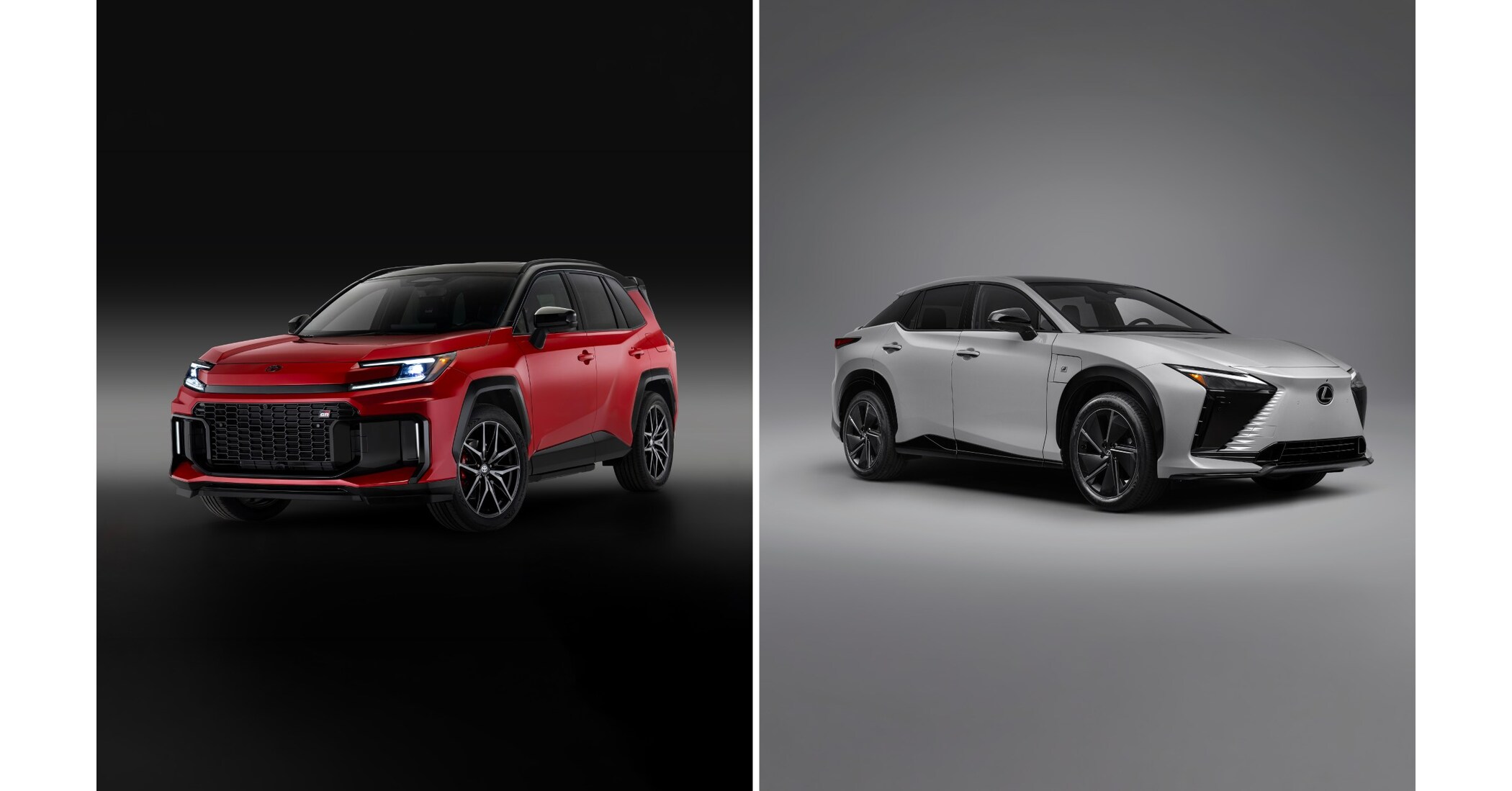
Toyota Reports 8.5% Sales Increase in March 2026 in the U.S.
- Sales Growth: Toyota Motor North America (TMNA) reported sales of 211,617 vehicles in March 2026 in the U.S., reflecting an 8.5% increase compared to March 2025, indicating stable market demand and brand resilience.
- Electric Vehicle Sales: In March, electric vehicle sales reached 115,422 units, accounting for 54.5% of total sales, with a modest 2.5% year-over-year growth, underscoring Toyota's ongoing commitment to electrification.
- Quarterly Performance: TMNA's total sales for the first quarter stood at 569,420 vehicles, a slight decline of 0.1% year-over-year, demonstrating relative stability in market performance despite production constraints and reduced inventory.
- Brand Division Discrepancies: The Toyota division sold 182,606 vehicles in March, down 6.9% year-over-year, while the Lexus division saw a more significant decline of 17.3% with 29,011 vehicles sold, highlighting performance disparities between the brands.
See More

Toyota Expands Electric Vehicle Lineup Amid Market Challenges
- EV Lineup Expansion: Toyota is launching a fifth imported EV in the U.S. and plans to introduce two more models by 2027, bringing its total to seven, despite a decline in market demand due to the removal of federal incentives.
- Market Share Dynamics: While EV sales in the U.S. have dropped from 10.5% last year to an expected 5.8% by the end of 2025, Toyota remains optimistic, citing rising fuel costs from the Iran conflict as a potential driver for consumer interest in EVs.
- Competitor Retreat: In stark contrast to Toyota, competitors like Honda have scrapped multiple U.S. EV plans, and both General Motors and Ford have scaled back their ambitions, reflecting a cautious industry sentiment.
- Long-Term Investment Commitment: Toyota is committing approximately $10 billion over the next five years, including a $14 billion battery plant in North Carolina, demonstrating its strategic resolve in the EV sector despite current market challenges.
See More

Toyota North America Reports 8.5% Decline in March Sales
- March Sales Decline: Toyota North America reported March sales of 211,617 vehicles, reflecting an 8.5% decrease compared to March 2025, indicating weak market demand that may impact future sales strategies and market share.
- Electrified Vehicle Growth: Sales of electrified vehicles in March totaled 115,422, up 2.5% year-over-year, representing 54.5% of total sales, demonstrating Toyota's ongoing efforts in electrification despite the overall sales decline.
- First Quarter Performance: For Q1, Toyota North America reported total sales of 569,420 vehicles, down 0.1% year-over-year, with electrified vehicle sales at 287,276, also down 0.5%, reflecting increased market competition and changing consumer preferences.
- Division Performance Variance: The Toyota division sold 182,606 vehicles in March, down 6.9%, while the Lexus division saw sales of 29,011 vehicles, down 17.3%, highlighting challenges in the premium market that may necessitate adjustments in product positioning and marketing strategies.
See More

Toyota Reports Significant Growth in Electrified Vehicle Sales
- Electrified Vehicle Performance: In March 2026, Toyota's electrified vehicle sales reached 115,422 units, up 2.5% year-over-year, accounting for 54.5% of total sales, indicating strong consumer demand for electric vehicles and enhancing Toyota's competitive position in the EV market.
- Quarterly Sales Data: For Q1 2026, Toyota reported total sales of 569,420 vehicles, a slight decline of 0.1% year-over-year, while electrified vehicle sales totaled 287,276 units, down 0.5%, suggesting that despite an overall sales dip, the EV segment remains relatively stable in market share.
- Brand Performance Discrepancy: Toyota's brand sold 182,606 units in March, down 6.9%, while Lexus sold 29,011 units, a more significant decline of 17.3%, reflecting performance differences between brands that may influence future strategic decisions.
- New Model Success: The Corolla Cross Gas and Grand Highlander Hybrid achieved all-time best sales in March, indicating high market acceptance of new models, which could enhance Toyota's overall brand image and market share.
See More
Toyota's Over $10 Billion Investment in US Manufacturing
- US Manufacturing Investment: Toyota's total investment in the US reaches $13.9 billion, including a new $1 billion investment in Kentucky and Indiana aimed at expanding production capacity, which is expected to boost local economies and job creation.
- Battery Plant Construction: The establishment of a battery plant in North Carolina with a $13.9 billion investment signifies Toyota's significant commitment to the electric vehicle sector, enhancing its competitive edge in the growing EV market and meeting increasing demand.
- Localization of Sales and Production: Approximately 85% of Toyota's US sales are produced in North America, with 55% manufactured in the US, a strategy that not only mitigates tariff impacts but also strengthens consumer trust in domestic brands, further solidifying its market position.
- Consumer Affordability Focus: Toyota is committed to maintaining vehicle affordability by offering six models priced under $35,000, and despite rising interest rates and insurance costs, aims to meet diverse consumer needs through a varied product lineup.
See More
Impact of Trump's Tariffs One Year Later
- Widespread Tariff Impact: Trump's tariff policies have placed significant economic pressure on U.S. businesses over the past year, with approximately 80% to 85% of costs absorbed by companies, leading to reduced profits and increased consumer prices, thereby exacerbating overall economic uncertainty.
- Retail Sector Adaptation: While large retailers like Walmart have emerged relatively unscathed, smaller businesses have been severely impacted, with Home Depot aiming to limit purchases from any single country to 10% to reduce dependency and enhance supply chain flexibility.
- Automotive Industry Cost Surge: Automakers such as General Motors and Toyota are facing tariff impacts estimated at up to $9.5 billion, and although the Trump administration has taken steps to alleviate overlapping tariffs, overall costs remain significant, forcing companies to reassess their supply chain strategies.
- Pharmaceutical Sector Stability: Pharmaceutical companies have secured three-year tariff exemptions through pricing agreements with Trump, although new tariffs impose 100% on companies that do not reach agreements, the overall industry is still striving to increase investments in U.S. manufacturing.
See More
Toyota Reports 8.5% Sales Increase in March 2026 in the U.S.
- Sales Growth: Toyota Motor North America (TMNA) reported sales of 211,617 vehicles in March 2026 in the U.S., reflecting an 8.5% increase compared to March 2025, indicating stable market demand and brand resilience.
- Electric Vehicle Sales: In March, electric vehicle sales reached 115,422 units, accounting for 54.5% of total sales, with a modest 2.5% year-over-year growth, underscoring Toyota's ongoing commitment to electrification.
- Quarterly Performance: TMNA's total sales for the first quarter stood at 569,420 vehicles, a slight decline of 0.1% year-over-year, demonstrating relative stability in market performance despite production constraints and reduced inventory.
- Brand Division Discrepancies: The Toyota division sold 182,606 vehicles in March, down 6.9% year-over-year, while the Lexus division saw a more significant decline of 17.3% with 29,011 vehicles sold, highlighting performance disparities between the brands.
See More
Toyota Expands Electric Vehicle Lineup Amid Market Challenges
- EV Lineup Expansion: Toyota is launching a fifth imported EV in the U.S. and plans to introduce two more models by 2027, bringing its total to seven, despite a decline in market demand due to the removal of federal incentives.
- Market Share Dynamics: While EV sales in the U.S. have dropped from 10.5% last year to an expected 5.8% by the end of 2025, Toyota remains optimistic, citing rising fuel costs from the Iran conflict as a potential driver for consumer interest in EVs.
- Competitor Retreat: In stark contrast to Toyota, competitors like Honda have scrapped multiple U.S. EV plans, and both General Motors and Ford have scaled back their ambitions, reflecting a cautious industry sentiment.
- Long-Term Investment Commitment: Toyota is committing approximately $10 billion over the next five years, including a $14 billion battery plant in North Carolina, demonstrating its strategic resolve in the EV sector despite current market challenges.
See More
Toyota North America Reports 8.5% Decline in March Sales
- March Sales Decline: Toyota North America reported March sales of 211,617 vehicles, reflecting an 8.5% decrease compared to March 2025, indicating weak market demand that may impact future sales strategies and market share.
- Electrified Vehicle Growth: Sales of electrified vehicles in March totaled 115,422, up 2.5% year-over-year, representing 54.5% of total sales, demonstrating Toyota's ongoing efforts in electrification despite the overall sales decline.
- First Quarter Performance: For Q1, Toyota North America reported total sales of 569,420 vehicles, down 0.1% year-over-year, with electrified vehicle sales at 287,276, also down 0.5%, reflecting increased market competition and changing consumer preferences.
- Division Performance Variance: The Toyota division sold 182,606 vehicles in March, down 6.9%, while the Lexus division saw sales of 29,011 vehicles, down 17.3%, highlighting challenges in the premium market that may necessitate adjustments in product positioning and marketing strategies.
See More
Toyota Reports Significant Growth in Electrified Vehicle Sales
- Electrified Vehicle Performance: In March 2026, Toyota's electrified vehicle sales reached 115,422 units, up 2.5% year-over-year, accounting for 54.5% of total sales, indicating strong consumer demand for electric vehicles and enhancing Toyota's competitive position in the EV market.
- Quarterly Sales Data: For Q1 2026, Toyota reported total sales of 569,420 vehicles, a slight decline of 0.1% year-over-year, while electrified vehicle sales totaled 287,276 units, down 0.5%, suggesting that despite an overall sales dip, the EV segment remains relatively stable in market share.
- Brand Performance Discrepancy: Toyota's brand sold 182,606 units in March, down 6.9%, while Lexus sold 29,011 units, a more significant decline of 17.3%, reflecting performance differences between brands that may influence future strategic decisions.
- New Model Success: The Corolla Cross Gas and Grand Highlander Hybrid achieved all-time best sales in March, indicating high market acceptance of new models, which could enhance Toyota's overall brand image and market share.
See More