DHS Suspends TSA PreCheck and Global Entry Amid Government Shutdown
Written by Emily J. Thompson, Senior Investment Analyst
Updated: Feb 22 2026
0mins

Source: Newsfilter
- Program Suspension: The Department of Homeland Security suspended TSA PreCheck and Global Entry on Sunday due to a partial government shutdown, affecting over 20 million active members and likely leading to travel delays and customer dissatisfaction.
- Flight Cancellations: With a massive winter storm approaching the Northeast, airlines have canceled over 6,000 flights and waived cancellation and change fees for airports from Virginia to Maine, exacerbating travel chaos.
- Industry Backlash: Airline executives have expressed strong discontent with the decision, arguing that the traveling public is once again being used as a political pawn, which could lead to decreased travel demand and impact airline revenues.
- Historical Impact: The previous fall government shutdown cost the travel industry $6.1 billion and affected about 6 million travelers, raising concerns that similar economic losses could occur again due to the current shutdown, negatively impacting the tourism sector in the long term.
Trade with 70% Backtested Accuracy
Stop guessing "Should I Buy AAL?" and start using high-conviction signals backed by rigorous historical data.
Sign up today to access powerful investing tools and make smarter, data-driven decisions.
Analyst Views on AAL
Wall Street analysts forecast AAL stock price to rise
15 Analyst Rating
7 Buy
7 Hold
1 Sell
Moderate Buy
Current: 10.810

Low
11.00
Averages
17.93
High
22.00
Current: 10.810
Low
11.00
Averages
17.93
High
22.00
About AAL
American Airlines Group Inc. is a holding company. Its primary business activity is the operation of a major network air carrier, providing scheduled air transportation for passengers and cargo through its hubs in Charlotte, Chicago, Dallas/Fort Worth, Los Angeles, Miami, New York, Philadelphia, Phoenix and Washington, D.C. and partner gateways, including in London, Doha, Madrid, Seattle/Tacoma, Sydney and Tokyo, among others. Together with its regional airline subsidiaries and third-party regional carriers operating as American Eagle. Its cargo division provides a wide range of freight and mail services, with facilities and interline connections available across the globe. It operates approximately 977 mainline aircraft supported by its regional airline subsidiaries and third-party regional carriers, which together operate an additional 585 regional aircraft. Its subsidiaries include American Airlines, Inc., Envoy Aviation Group Inc., PSA Airlines, Inc. and Piedmont Airlines, Inc.
About the author

Emily J. Thompson
Emily J. Thompson, a Chartered Financial Analyst (CFA) with 12 years in investment research, graduated with honors from the Wharton School. Specializing in industrial and technology stocks, she provides in-depth analysis for Intellectia’s earnings and market brief reports.

Fragile Ceasefire Agreement Between U.S. and Iran Raises Market Concerns


- Fragile Ceasefire: Just a day after the U.S.-Iran ceasefire was announced, Iranian parliamentary speaker Mohammad Bagher Ghalibaf accused the U.S. of violating three key terms, leading to a loss of market confidence and potential disruptions in global energy supply chains.
- Market Reaction: The ceasefire initially triggered a relief rally across global markets; however, following Iran's accusations, Brent crude and U.S. West Texas Intermediate futures rose in Asian trading, indicating market uncertainty about future developments.
- Strait of Hormuz Traffic: Although the ceasefire agreement mandates the reopening of the Strait of Hormuz to normal shipping traffic, actual vessel traffic remains low, raising concerns about energy supply and further contributing to oil price volatility.
- Fed Policy Signals: Minutes from the Federal Reserve's latest meeting indicate that officials still expect to lower interest rates this year, providing additional support for risk assets, but escalating geopolitical risks could undermine this outlook.
See More

American Airlines Stock Rises 5.55% Amid Easing Tensions

- Stock Surge: American Airlines Group (AAL) shares rose 5.55% to $11.41, driven by easing U.S.-Iran tensions and falling oil prices, which boosted market sentiment regarding airline profitability.
- Volume Spike: Trading volume reached 101 million shares, approximately 53% above the three-month average of 65.6 million shares, indicating strong investor interest and market activity in airline stocks.
- Sector Impact: Airline stocks surged as a result of the U.S.-Iran ceasefire agreement, with Delta Air Lines and United Airlines gaining 3.75% and 7.84% respectively, reflecting a reassessment of fuel costs and geopolitical risks by investors.
- Future Outlook: Despite a year-to-date decline of over 25% in American Airlines' stock price, strong projected revenue for 2026 and a new focus on premium customers could position the airline for a rebound in the coming months.
See More
Global Stock Markets Surge on Iran Ceasefire Agreement


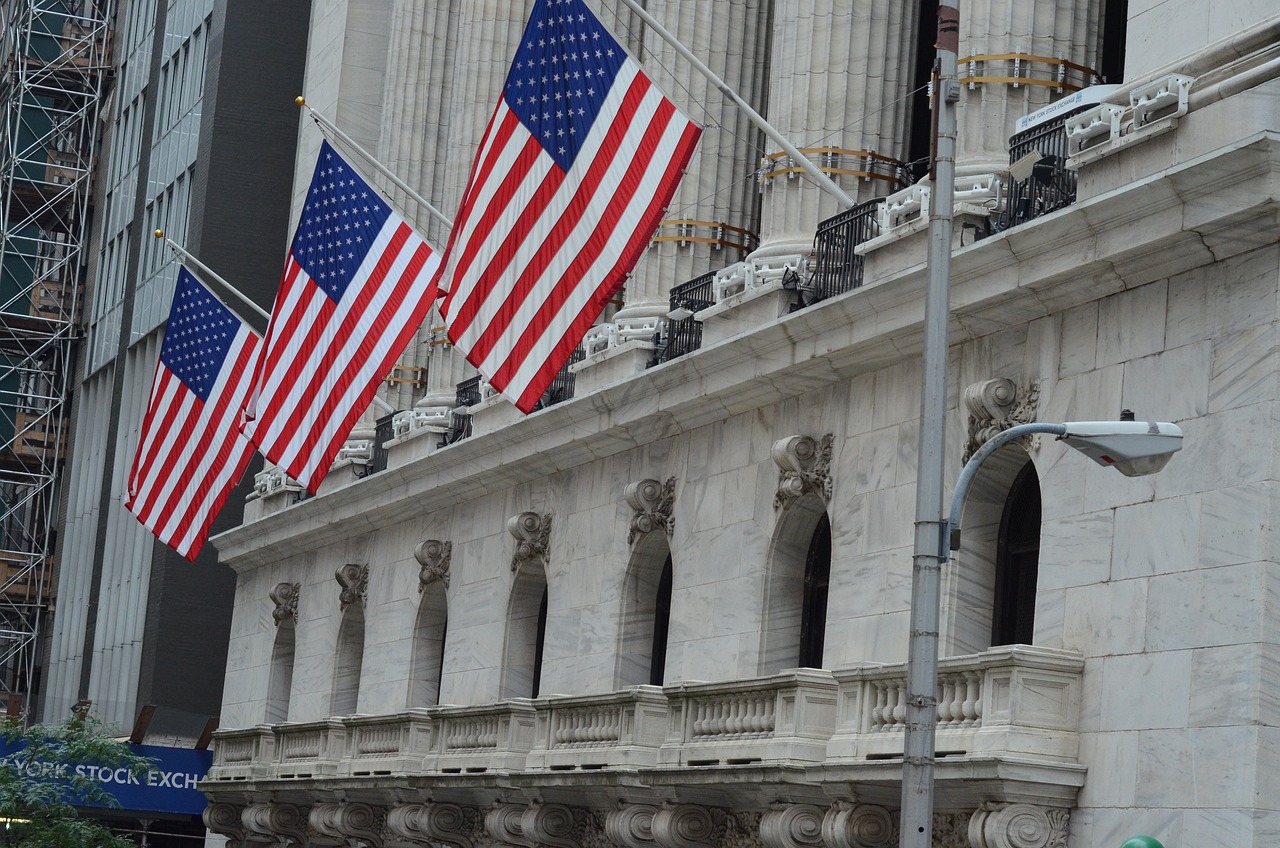
- Market Sentiment Rebound: Global stock markets surged on Wednesday as the US and Iran agreed to a two-week ceasefire, with the S&P 500 rising 2.51%, the Dow Jones up 2.85%, and the Nasdaq 100 increasing by 2.90%, reflecting a positive market response to easing geopolitical tensions.
- Crude Oil Price Plunge: The ceasefire news led to a more than 15% drop in crude oil prices to a 1.5-week low, alleviating inflation concerns and sparking a rally in global government bond markets, with the German 10-year Bund yield falling to a 3-week low, indicating a more optimistic outlook for the economy.
- Fed Policy Expectations: Although the market discounts only a 1% chance of a 25 bp rate hike at the upcoming April 28-29 FOMC meeting, the minutes from the March FOMC indicated heightened concerns among participants regarding upside risks to inflation and downside risks to employment, suggesting a more cautious approach to future monetary policy.
- Strong Tech Stock Performance: Chipmakers and AI infrastructure stocks saw significant gains on Wednesday, with Intel rising over 11%, driving the Nasdaq 100's increase, highlighting the tech sector's crucial role in the market recovery and further boosting investor confidence in technology stocks.
See More

American Airlines Stock Rises 5.55% Amid Easing Tensions
- Stock Price Increase: American Airlines Group closed at $11.41 on Wednesday, marking a 5.55% rise, primarily driven by easing U.S.-Iran tensions and lower oil prices, which boosted market confidence in airline profitability.
- Surge in Trading Volume: The trading volume reached 100.3 million shares, approximately 53% above the three-month average of 65.6 million shares, indicating strong investor interest in airline stocks and potentially signaling future market trends.
- Sector Performance: Among airline peers, Delta Air Lines and United Airlines saw increases of 3.75% and 7.84% respectively, reflecting a reassessment of fuel costs and geopolitical risks, which further propelled the sector's upward movement.
- Future Outlook: Although American Airlines' stock has fallen over 25% year-to-date, strong projected revenue for 2026 and a new focus on premium customers could position the company for a rebound in the coming months, enhancing its competitive edge.
See More

Airlines Raise Fares Amid Rising Jet Fuel Costs

- Fare Increases: As of March 30, average economy fares for international flights have risen to $998, up 29% from $774 on February 23, reflecting airlines' need to raise prices in response to rising fuel costs due to the Iran war, directly impacting budget-conscious travelers' choices.
- Fuel Surcharges: Jet fuel prices have nearly doubled since the onset of the war, reaching $4.81 per gallon, prompting airlines to implement fuel surcharges that could increase one-way fares by an average of $50, or about 17%, further straining consumers' budgets.
- Flight Reductions: United Airlines plans to cut flights on Tuesdays and Wednesdays during Q2 and Q3, and while flights will still be available, the reduced schedule will likely lead to increased demand for fewer seats, significantly impacting price-sensitive travelers.
- Importance of Flexibility: Experts recommend that travelers remain flexible with their travel dates and destinations to find competitive fares in a high-price environment, particularly by flying on non-peak days like Tuesdays and Wednesdays, and avoiding peak travel seasons to reduce costs.
See More

Global Stock Markets Surge on Iran Ceasefire Agreement
- Market Sentiment Rebounds: Global stock markets surged as the US and Iran agreed to a two-week ceasefire, with the S&P 500 rising 2.04%, the Dow Jones up 2.25%, and the Nasdaq 100 increasing by 2.52%, indicating a renewed investor confidence in risk assets.
- Crude Oil Price Plunge: The ceasefire news led to a more than 15% drop in crude oil prices to a 1.5-week low, alleviating inflation concerns and sparking a rally in global government bond markets, with the German 10-year Bund yield falling to a 3-week low, reflecting market expectations of a potential economic slowdown.
- US Treasury Yields Decline: The 10-year US Treasury yield fell to 4.228%, a 3-week low, as concerns over inflation eased, indicating increased demand for safe-haven assets, while also supporting the upcoming $39 billion auction of 10-year notes.
- Strong Performance in Tech Stocks: Amid the positive market sentiment, technology stocks performed strongly, with Amazon, Meta, and Alphabet all rising over 3%, showcasing sustained investor confidence in the tech sector, which may drive future investment inflows.
See More
Fragile Ceasefire Agreement Between U.S. and Iran Raises Market Concerns
- Fragile Ceasefire: Just a day after the U.S.-Iran ceasefire was announced, Iranian parliamentary speaker Mohammad Bagher Ghalibaf accused the U.S. of violating three key terms, leading to a loss of market confidence and potential disruptions in global energy supply chains.
- Market Reaction: The ceasefire initially triggered a relief rally across global markets; however, following Iran's accusations, Brent crude and U.S. West Texas Intermediate futures rose in Asian trading, indicating market uncertainty about future developments.
- Strait of Hormuz Traffic: Although the ceasefire agreement mandates the reopening of the Strait of Hormuz to normal shipping traffic, actual vessel traffic remains low, raising concerns about energy supply and further contributing to oil price volatility.
- Fed Policy Signals: Minutes from the Federal Reserve's latest meeting indicate that officials still expect to lower interest rates this year, providing additional support for risk assets, but escalating geopolitical risks could undermine this outlook.
See More
American Airlines Stock Rises 5.55% Amid Easing Tensions
- Stock Surge: American Airlines Group (AAL) shares rose 5.55% to $11.41, driven by easing U.S.-Iran tensions and falling oil prices, which boosted market sentiment regarding airline profitability.
- Volume Spike: Trading volume reached 101 million shares, approximately 53% above the three-month average of 65.6 million shares, indicating strong investor interest and market activity in airline stocks.
- Sector Impact: Airline stocks surged as a result of the U.S.-Iran ceasefire agreement, with Delta Air Lines and United Airlines gaining 3.75% and 7.84% respectively, reflecting a reassessment of fuel costs and geopolitical risks by investors.
- Future Outlook: Despite a year-to-date decline of over 25% in American Airlines' stock price, strong projected revenue for 2026 and a new focus on premium customers could position the airline for a rebound in the coming months.
See More
Global Stock Markets Surge on Iran Ceasefire Agreement
- Market Sentiment Rebound: Global stock markets surged on Wednesday as the US and Iran agreed to a two-week ceasefire, with the S&P 500 rising 2.51%, the Dow Jones up 2.85%, and the Nasdaq 100 increasing by 2.90%, reflecting a positive market response to easing geopolitical tensions.
- Crude Oil Price Plunge: The ceasefire news led to a more than 15% drop in crude oil prices to a 1.5-week low, alleviating inflation concerns and sparking a rally in global government bond markets, with the German 10-year Bund yield falling to a 3-week low, indicating a more optimistic outlook for the economy.
- Fed Policy Expectations: Although the market discounts only a 1% chance of a 25 bp rate hike at the upcoming April 28-29 FOMC meeting, the minutes from the March FOMC indicated heightened concerns among participants regarding upside risks to inflation and downside risks to employment, suggesting a more cautious approach to future monetary policy.
- Strong Tech Stock Performance: Chipmakers and AI infrastructure stocks saw significant gains on Wednesday, with Intel rising over 11%, driving the Nasdaq 100's increase, highlighting the tech sector's crucial role in the market recovery and further boosting investor confidence in technology stocks.
See More
American Airlines Stock Rises 5.55% Amid Easing Tensions
- Stock Price Increase: American Airlines Group closed at $11.41 on Wednesday, marking a 5.55% rise, primarily driven by easing U.S.-Iran tensions and lower oil prices, which boosted market confidence in airline profitability.
- Surge in Trading Volume: The trading volume reached 100.3 million shares, approximately 53% above the three-month average of 65.6 million shares, indicating strong investor interest in airline stocks and potentially signaling future market trends.
- Sector Performance: Among airline peers, Delta Air Lines and United Airlines saw increases of 3.75% and 7.84% respectively, reflecting a reassessment of fuel costs and geopolitical risks, which further propelled the sector's upward movement.
- Future Outlook: Although American Airlines' stock has fallen over 25% year-to-date, strong projected revenue for 2026 and a new focus on premium customers could position the company for a rebound in the coming months, enhancing its competitive edge.
See More
Airlines Raise Fares Amid Rising Jet Fuel Costs
- Fare Increases: As of March 30, average economy fares for international flights have risen to $998, up 29% from $774 on February 23, reflecting airlines' need to raise prices in response to rising fuel costs due to the Iran war, directly impacting budget-conscious travelers' choices.
- Fuel Surcharges: Jet fuel prices have nearly doubled since the onset of the war, reaching $4.81 per gallon, prompting airlines to implement fuel surcharges that could increase one-way fares by an average of $50, or about 17%, further straining consumers' budgets.
- Flight Reductions: United Airlines plans to cut flights on Tuesdays and Wednesdays during Q2 and Q3, and while flights will still be available, the reduced schedule will likely lead to increased demand for fewer seats, significantly impacting price-sensitive travelers.
- Importance of Flexibility: Experts recommend that travelers remain flexible with their travel dates and destinations to find competitive fares in a high-price environment, particularly by flying on non-peak days like Tuesdays and Wednesdays, and avoiding peak travel seasons to reduce costs.
See More
Global Stock Markets Surge on Iran Ceasefire Agreement
- Market Sentiment Rebounds: Global stock markets surged as the US and Iran agreed to a two-week ceasefire, with the S&P 500 rising 2.04%, the Dow Jones up 2.25%, and the Nasdaq 100 increasing by 2.52%, indicating a renewed investor confidence in risk assets.
- Crude Oil Price Plunge: The ceasefire news led to a more than 15% drop in crude oil prices to a 1.5-week low, alleviating inflation concerns and sparking a rally in global government bond markets, with the German 10-year Bund yield falling to a 3-week low, reflecting market expectations of a potential economic slowdown.
- US Treasury Yields Decline: The 10-year US Treasury yield fell to 4.228%, a 3-week low, as concerns over inflation eased, indicating increased demand for safe-haven assets, while also supporting the upcoming $39 billion auction of 10-year notes.
- Strong Performance in Tech Stocks: Amid the positive market sentiment, technology stocks performed strongly, with Amazon, Meta, and Alphabet all rising over 3%, showcasing sustained investor confidence in the tech sector, which may drive future investment inflows.
See More