Defense stocks decline amid indications of potential peace advancements between Ukraine and Russia.
Market Reaction to Diplomatic Efforts: Aerospace and defense shares fell as President Trump suggested potential progress in peace talks between Russia and Ukraine, leading investors to anticipate reduced geopolitical risks and lower long-term demand for military equipment.
Impact on Defense Contractors: Shares of major defense contractors, including Rheinmetall, BAE Systems, and Lockheed Martin, experienced significant declines, reflecting investor concerns over the implications of a possible de-escalation in the conflict.
Specific Stock Movements: Rheinmetall saw the largest drop at 7.1%, followed by BAE Systems at 4.4%, and Lockheed Martin at 2%, indicating a broad negative trend among defense-related stocks.
Broader Implications: The discussions among U.S. and Ukrainian diplomats about a negotiated end to the conflict are influencing market sentiment, particularly for European manufacturers that have benefited from increased military spending in recent years.
Trade with 70% Backtested Accuracy
Analyst Views on LMT

About LMT
About the author


RiverPark Large Growth Fund Q1 2026 Investor Letter Released

- Market Volatility Impact: In Q1 2026, the US stock market declined, with the S&P 500 and Russell 1000 Growth indices falling by 4.33% and 9.78%, respectively, primarily due to escalating tensions with Iran, prompting investors to reassess future interest rate policies and impacting market sentiment.
- Software Holdings Sell-off: The RiverPark Large Growth Fund highlighted a significant sell-off in software stocks during the quarter, as inflation and supply chain issues led to pessimism regarding enterprise software companies, while semiconductor firms benefited from optimistic sentiment linked to AI infrastructure spending.
- Lockheed Martin's Strong Performance: Lockheed Martin Corporation (NYSE:LMT) was a standout performer in Q1, gaining 26% as the escalation of the US-Iran conflict drove a significant re-rating of defense spending expectations, reinforcing its position as the world's largest defense contractor.
- Confidence in Future Prospects: Despite challenges, RiverPark remains confident in the long-term prospects and valuations of its portfolio companies, emphasizing Lockheed Martin's dominant position in defense platforms and its stable cash flow and long-term revenue visibility, making it an attractive long-term investment.
Lockheed Martin to Acquire Ultra Maritime for $3.5 Billion
- Acquisition Scale: Lockheed Martin is leading negotiations to acquire Ultra Maritime for approximately $3.5 billion, which will further solidify its leadership position in the naval defense sector.
- Advisory Team: Guggenheim and JPMorgan are advising on the sell side, indicating the complexity and market interest in this deal, which is expected to attract more investor attention.
- Market Context: Ultra Maritime specializes in anti-submarine technology and radar and electronic warfare systems, and with global defense spending reaching $2.89 trillion in 2025, Lockheed Martin's acquisition will enhance its product portfolio to meet rising market demands.
- Industry Trends: In 2026, defense stocks have performed strongly due to increased global demand for munitions driven by conflicts in Ukraine and Iran, positioning Lockheed Martin favorably in the competitive landscape through this acquisition.
NATO Summit Looms with High Tensions as Trump Pressures Allies

- NATO Summit Context: Leaders of NATO nations are set to meet in Ankara, Turkey, on Tuesday and Wednesday, amidst unprecedented tensions under President Trump, which include disputes over defense spending quotas and military commitments.
- U.S. Military Adjustments: The U.S. has announced the withdrawal of 5,000 active-duty troops from Germany and the cancellation of scheduled air and naval deployments, indicating a potential reduction in support for NATO and impacting European security dynamics.
- Defense Investment Commitments: Should the summit proceed positively, a joint declaration from European nations and Canada is expected to emphasize increased core defense investments and greater responsibility for NATO security, ensuring a fair deal for the U.S.
- Turkey's F-35 Program Status: Turkey may finally gain U.S. approval to rejoin the F-35 stealth fighter program, although negotiations regarding its Russian S-400 air defense system will be crucial, affecting NATO's overall military capabilities.

Trump Announces New Helipad Construction on White House South Lawn
- Construction Investment: Sikorsky will invest approximately $5 million to $6 million in building a new helipad on the White House South Lawn to address damage caused by existing helicopter landings, reflecting the company's commitment to maintaining the White House environment.
- Design Features: The new helipad will feature the White House seal carved in granite, which can withstand 35,000 pounds per square inch and has a lifespan exceeding one million uses, demonstrating a focus on both durability and aesthetics.
- Multipurpose Use: Trump noted that the helipad could serve other functions when helicopters are not landing, such as hosting news conferences, thereby enhancing the functionality and utilization of the South Lawn for public events.
- Compliance Commitment: Lockheed Martin emphasized that this donation adheres to rigorous ethics and compliance standards, ensuring that its engagement with the federal government is fully compliant with all applicable laws and regulations, showcasing the company's social responsibility and transparency.
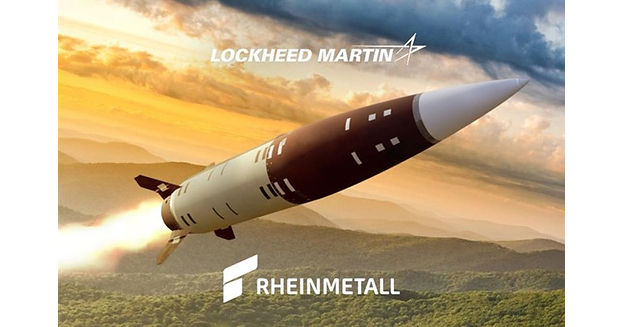
Lockheed Martin and Rheinmetall Sign MOU for ATACMS Production
- MOU Signing: During the NATO Summit Defense Industry Forum, Lockheed Martin and Rheinmetall signed a memorandum of understanding to address the urgent demand for locally produced munitions in Europe, marking a pivotal step toward establishing the first European joint production center for ATACMS.
- Enhanced Defense Capabilities: This partnership will leverage Lockheed Martin's missile expertise and Rheinmetall's manufacturing excellence, expected to accelerate the delivery of combat-proven capabilities to allies, thereby enhancing Europe's defense capacity and long-term resilience.
- Production Base Development: Rheinmetall will establish an ATACMS production facility at its Unterluess site, with production of rocket motors and missile components slated to begin as early as 2027, creating new industrial capabilities and strengthening Germany and Europe's autonomy in defense policy.
- Long-term Commitment: The agreement underscores Lockheed Martin's commitment to Europe, aiming to forge deep, long-term co-production ties with European industry and customers, further solidifying its strategic partnership in the defense and security sector across the region.

Lockheed Martin and Rheinmetall Sign MOU for ATACMS Co-Production
- MOU Signing: During the NATO Summit Defense Industry Forum, Lockheed Martin and Rheinmetall signed a memorandum of understanding aimed at addressing the urgent demand for locally produced munitions in Europe, marking a significant step toward establishing a joint venture.
- Enhanced Production Capacity: The agreement will facilitate the creation of the first European center of excellence for the manufacturing, integration, and distribution of ATACMS, combining Lockheed Martin's missile expertise with Rheinmetall's manufacturing strengths to accelerate the delivery of combat-proven capabilities to allies.
- Strengthening Defense Autonomy: Rheinmetall's CEO Armin Papperger emphasized that this partnership aims to bolster Germany and Europe's defense capabilities, ensuring stable supplies for customers while enhancing autonomy in defense policy.
- Long-Term Commitment: Lockheed Martin's long-standing partnership in Europe spans over 75 years, and this agreement further solidifies its deep co-production ties with European industry and customers, demonstrating a strong commitment to the European market.
RiverPark Large Growth Fund Q1 2026 Investor Letter Released
- Market Volatility Impact: In Q1 2026, the US stock market declined, with the S&P 500 and Russell 1000 Growth indices falling by 4.33% and 9.78%, respectively, primarily due to escalating tensions with Iran, prompting investors to reassess future interest rate policies and impacting market sentiment.
- Software Holdings Sell-off: The RiverPark Large Growth Fund highlighted a significant sell-off in software stocks during the quarter, as inflation and supply chain issues led to pessimism regarding enterprise software companies, while semiconductor firms benefited from optimistic sentiment linked to AI infrastructure spending.
- Lockheed Martin's Strong Performance: Lockheed Martin Corporation (NYSE:LMT) was a standout performer in Q1, gaining 26% as the escalation of the US-Iran conflict drove a significant re-rating of defense spending expectations, reinforcing its position as the world's largest defense contractor.
- Confidence in Future Prospects: Despite challenges, RiverPark remains confident in the long-term prospects and valuations of its portfolio companies, emphasizing Lockheed Martin's dominant position in defense platforms and its stable cash flow and long-term revenue visibility, making it an attractive long-term investment.
Lockheed Martin to Acquire Ultra Maritime for $3.5 Billion
- Acquisition Scale: Lockheed Martin is leading negotiations to acquire Ultra Maritime for approximately $3.5 billion, which will further solidify its leadership position in the naval defense sector.
- Advisory Team: Guggenheim and JPMorgan are advising on the sell side, indicating the complexity and market interest in this deal, which is expected to attract more investor attention.
- Market Context: Ultra Maritime specializes in anti-submarine technology and radar and electronic warfare systems, and with global defense spending reaching $2.89 trillion in 2025, Lockheed Martin's acquisition will enhance its product portfolio to meet rising market demands.
- Industry Trends: In 2026, defense stocks have performed strongly due to increased global demand for munitions driven by conflicts in Ukraine and Iran, positioning Lockheed Martin favorably in the competitive landscape through this acquisition.
NATO Summit Looms with High Tensions as Trump Pressures Allies
- NATO Summit Context: Leaders of NATO nations are set to meet in Ankara, Turkey, on Tuesday and Wednesday, amidst unprecedented tensions under President Trump, which include disputes over defense spending quotas and military commitments.
- U.S. Military Adjustments: The U.S. has announced the withdrawal of 5,000 active-duty troops from Germany and the cancellation of scheduled air and naval deployments, indicating a potential reduction in support for NATO and impacting European security dynamics.
- Defense Investment Commitments: Should the summit proceed positively, a joint declaration from European nations and Canada is expected to emphasize increased core defense investments and greater responsibility for NATO security, ensuring a fair deal for the U.S.
- Turkey's F-35 Program Status: Turkey may finally gain U.S. approval to rejoin the F-35 stealth fighter program, although negotiations regarding its Russian S-400 air defense system will be crucial, affecting NATO's overall military capabilities.
Trump Announces New Helipad Construction on White House South Lawn
- Construction Investment: Sikorsky will invest approximately $5 million to $6 million in building a new helipad on the White House South Lawn to address damage caused by existing helicopter landings, reflecting the company's commitment to maintaining the White House environment.
- Design Features: The new helipad will feature the White House seal carved in granite, which can withstand 35,000 pounds per square inch and has a lifespan exceeding one million uses, demonstrating a focus on both durability and aesthetics.
- Multipurpose Use: Trump noted that the helipad could serve other functions when helicopters are not landing, such as hosting news conferences, thereby enhancing the functionality and utilization of the South Lawn for public events.
- Compliance Commitment: Lockheed Martin emphasized that this donation adheres to rigorous ethics and compliance standards, ensuring that its engagement with the federal government is fully compliant with all applicable laws and regulations, showcasing the company's social responsibility and transparency.
Lockheed Martin and Rheinmetall Sign MOU for ATACMS Production
- MOU Signing: During the NATO Summit Defense Industry Forum, Lockheed Martin and Rheinmetall signed a memorandum of understanding to address the urgent demand for locally produced munitions in Europe, marking a pivotal step toward establishing the first European joint production center for ATACMS.
- Enhanced Defense Capabilities: This partnership will leverage Lockheed Martin's missile expertise and Rheinmetall's manufacturing excellence, expected to accelerate the delivery of combat-proven capabilities to allies, thereby enhancing Europe's defense capacity and long-term resilience.
- Production Base Development: Rheinmetall will establish an ATACMS production facility at its Unterluess site, with production of rocket motors and missile components slated to begin as early as 2027, creating new industrial capabilities and strengthening Germany and Europe's autonomy in defense policy.
- Long-term Commitment: The agreement underscores Lockheed Martin's commitment to Europe, aiming to forge deep, long-term co-production ties with European industry and customers, further solidifying its strategic partnership in the defense and security sector across the region.
Lockheed Martin and Rheinmetall Sign MOU for ATACMS Co-Production
- MOU Signing: During the NATO Summit Defense Industry Forum, Lockheed Martin and Rheinmetall signed a memorandum of understanding aimed at addressing the urgent demand for locally produced munitions in Europe, marking a significant step toward establishing a joint venture.
- Enhanced Production Capacity: The agreement will facilitate the creation of the first European center of excellence for the manufacturing, integration, and distribution of ATACMS, combining Lockheed Martin's missile expertise with Rheinmetall's manufacturing strengths to accelerate the delivery of combat-proven capabilities to allies.
- Strengthening Defense Autonomy: Rheinmetall's CEO Armin Papperger emphasized that this partnership aims to bolster Germany and Europe's defense capabilities, ensuring stable supplies for customers while enhancing autonomy in defense policy.
- Long-Term Commitment: Lockheed Martin's long-standing partnership in Europe spans over 75 years, and this agreement further solidifies its deep co-production ties with European industry and customers, demonstrating a strong commitment to the European market.