Defense Budgets Are Increasing—Discover 3 Stocks Designed for Challenging Periods

Rising Defense Spending: The U.S. defense budget is projected to increase to $1.5 trillion by 2027, driven by geopolitical tensions and the need for advanced military capabilities, leading to a surge in demand for defense stocks.
Lockheed Martin's Growth: Lockheed Martin remains a leader in U.S. defense contracting, expanding its global footprint and reporting a significant backlog of nearly $180 billion, which positions it favorably for future contracts.
Boeing's Challenges: Boeing faces ongoing difficulties, including a suspended dividend and cash flow issues, but is expected to ramp up production of its MAX aircraft to meet a growing backlog, which exceeds $600 billion.
Leidos Holdings' Position: Leidos Holdings is emerging as a strong player in modern defense technology, leveraging AI and cybersecurity solutions, and has secured a $455 million contract with the Air Force, indicating its potential for growth in the defense sector.
Trade with 70% Backtested Accuracy
Analyst Views on LMT

About LMT
About the author

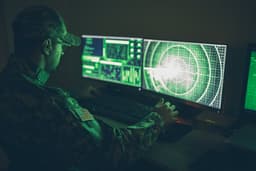
Global Military Spending Surges to $2.7 Trillion

- German Military Spending Surge: The German government approved an €88.5 billion military budget for 2025, representing a 28% increase from 2023 and an 89% rise since 2015, positioning Germany as the fourth-largest military spender globally and demonstrating its strategic commitment to European military rearmament.
- Rheinmetall's Performance Boost: Rheinmetall reported €2.78 billion in revenue for Q3 2025, a 13% increase year-over-year, while its operating margin improved to 12.9%, reflecting strong performance and growing market demand amid Germany's military restructuring.
- Future Growth Expectations: Rheinmetall anticipates a 30% compound annual growth rate in sales from 2023 to 2025, with backlog expected to grow at a 45% CAGR, indicating robust competitiveness and expansion potential in the global defense market.
- Opportunities in the U.S. Market: Rheinmetall expects to generate $2 billion in annual revenue as a major supplier to the U.S. market, particularly after securing a contract for its Lynx infantry fighting vehicle, further solidifying its position in the international defense sector.
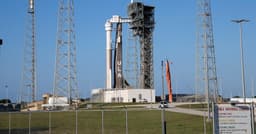
Trump Administration Secretly Smuggles Starlink Terminals into Iran

- Covert Operation: The Trump administration secretly smuggled approximately 6,000 Starlink satellite internet terminals into Iran following the regime's crackdown on protesters, marking a significant escalation in U.S. support for anti-regime activists.
- Funding Redirection: The State Department redirected funds from other Iran internet freedom programs to acquire SpaceX devices after purchasing nearly 7,000 terminals, indicating a strategic shift in U.S. policy towards supporting dissent in Iran.
- Legal Risks and Usage: Possession of a Starlink terminal is illegal in Iran and punishable by years in prison; however, tens of thousands of Iranians are using these devices to bypass government censorship, highlighting a strong demand for information freedom among the populace.
- Rising Geopolitical Risks: As the U.S. engages in high-stakes nuclear negotiations with Iran, market predictions indicate a 44% chance of a U.S. strike on Iran by June, suggesting that defense contractors may benefit from the escalating tensions and the integration of commercial technology into national security operations.
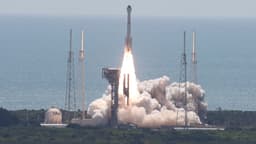
United Launch Alliance Rocket Experiences Issue During Mission

- Rocket Issue Investigation: United Launch Alliance is reviewing data after a problem occurred with its Vulcan rocket during a U.S. Space Force mission, although the main booster, upper stage, and payload operated normally, the incident could impact future launch reliability.
- Launch History Overview: Since its debut in January 2024, Vulcan has completed four flights, yet its rollout has been hampered by technical challenges and schedule delays, particularly highlighted by a small explosion of a side-mounted booster during its second mission in October 2024.
- Leadership Changes: Interim CEO John Elbon took over after longtime CEO Tory Bruno departed in December, and he stated that previous issues have been addressed, asserting that the rocket is ready for regular service.
- Expansion Plans: ULA is building additional facilities and launch pads at Kennedy Space Center to increase flight cadence, facing pressure from competitors like SpaceX and Blue Origin, while needing to secure its market share.
Pentagon Establishes First Standalone Budget for Autonomy at $13.4 Billion


- Standalone Budget Allocation: The Pentagon has established its first-ever standalone budget line for autonomy, requesting $13.4 billion for AI-driven platforms, indicating a significant commitment to future military technology that could drive market demand for related companies.
- Helicopter Training Outsourcing: The U.S. Army has outsourced its entire helicopter pilot training pipeline to a single contractor under a 26-year deal, enabling the training of up to 1,500 aviators annually, which simplifies the training process and enhances efficiency, potentially reducing long-term operational costs.
- Successful Technology Demonstration: VisionWave successfully demonstrated its RF-based Vulnerable Road User detection platform in front of a major vehicle manufacturer, capable of identifying pedestrians in complete darkness and behind physical obstructions, marking a significant advancement in automotive safety technology that could redefine industry standards.
- Strategic Investment Agreement: VisionWave has established a $7 million strategic exchange agreement with SaverOne, potentially acquiring approximately 51% of SaverOne upon milestone completion, showcasing its expansion potential in defense and security applications.

Pentagon Establishes First Standalone Budget for Autonomy at $13.4 Billion
- Standalone Autonomy Budget: The Pentagon has established its first-ever standalone budget line for autonomy, requesting $13.4 billion for AI-driven platforms, indicating a significant commitment to future military technologies that could drive market demand for related companies.
- Helicopter Training Outsourcing: The U.S. Army is outsourcing its entire helicopter pilot training pipeline to a single contractor under a 26-year deal, enabling the training of up to 1,500 aviators annually, which simplifies the training process and enhances efficiency, potentially reducing long-term operational costs.
- Successful Technology Demonstration: VisionWave successfully demonstrated its RF-based Vulnerable Road User detection platform to a major vehicle manufacturer, capable of identifying pedestrians in complete darkness and behind obstacles, marking a significant advancement in automotive safety technology that could redefine industry standards.
- Strategic Investment Agreement: VisionWave has established a strategic exchange agreement valued at $7 million with SaverOne, potentially acquiring approximately 51% of SaverOne upon milestone completion, showcasing its expansion potential in defense and security applications.
U.S. Deploys Second Aircraft Carrier Amid Iran Tensions

- Military Deployment Escalation: The U.S. Department of Defense has directed a second aircraft carrier strike group to prepare for deployment to the Middle East, indicating active adjustments in military positioning amid rising tensions with Iran.
- Trump's Decision Considerations: President Trump stated he is considering sending another carrier to the region to prepare for potential military action if nuclear negotiations fail, although no formal deployment order has been issued yet, with such a decision possibly coming within hours.
- Carrier Readiness Status: The Pentagon is accelerating preparations for the USS George H.W. Bush carrier strike group, expected to complete training and depart in about two weeks, joining the USS Abraham Lincoln strike group already repositioned to the Middle East.
- Diplomatic and Military Balance: Following his meeting with Israeli Prime Minister Netanyahu, Trump emphasized that while diplomatic negotiations continue, military preparations are also underway, reflecting heightened U.S. readiness should diplomatic efforts falter.
Global Military Spending Surges to $2.7 Trillion
- German Military Spending Surge: The German government approved an €88.5 billion military budget for 2025, representing a 28% increase from 2023 and an 89% rise since 2015, positioning Germany as the fourth-largest military spender globally and demonstrating its strategic commitment to European military rearmament.
- Rheinmetall's Performance Boost: Rheinmetall reported €2.78 billion in revenue for Q3 2025, a 13% increase year-over-year, while its operating margin improved to 12.9%, reflecting strong performance and growing market demand amid Germany's military restructuring.
- Future Growth Expectations: Rheinmetall anticipates a 30% compound annual growth rate in sales from 2023 to 2025, with backlog expected to grow at a 45% CAGR, indicating robust competitiveness and expansion potential in the global defense market.
- Opportunities in the U.S. Market: Rheinmetall expects to generate $2 billion in annual revenue as a major supplier to the U.S. market, particularly after securing a contract for its Lynx infantry fighting vehicle, further solidifying its position in the international defense sector.
Trump Administration Secretly Smuggles Starlink Terminals into Iran
- Covert Operation: The Trump administration secretly smuggled approximately 6,000 Starlink satellite internet terminals into Iran following the regime's crackdown on protesters, marking a significant escalation in U.S. support for anti-regime activists.
- Funding Redirection: The State Department redirected funds from other Iran internet freedom programs to acquire SpaceX devices after purchasing nearly 7,000 terminals, indicating a strategic shift in U.S. policy towards supporting dissent in Iran.
- Legal Risks and Usage: Possession of a Starlink terminal is illegal in Iran and punishable by years in prison; however, tens of thousands of Iranians are using these devices to bypass government censorship, highlighting a strong demand for information freedom among the populace.
- Rising Geopolitical Risks: As the U.S. engages in high-stakes nuclear negotiations with Iran, market predictions indicate a 44% chance of a U.S. strike on Iran by June, suggesting that defense contractors may benefit from the escalating tensions and the integration of commercial technology into national security operations.
United Launch Alliance Rocket Experiences Issue During Mission
- Rocket Issue Investigation: United Launch Alliance is reviewing data after a problem occurred with its Vulcan rocket during a U.S. Space Force mission, although the main booster, upper stage, and payload operated normally, the incident could impact future launch reliability.
- Launch History Overview: Since its debut in January 2024, Vulcan has completed four flights, yet its rollout has been hampered by technical challenges and schedule delays, particularly highlighted by a small explosion of a side-mounted booster during its second mission in October 2024.
- Leadership Changes: Interim CEO John Elbon took over after longtime CEO Tory Bruno departed in December, and he stated that previous issues have been addressed, asserting that the rocket is ready for regular service.
- Expansion Plans: ULA is building additional facilities and launch pads at Kennedy Space Center to increase flight cadence, facing pressure from competitors like SpaceX and Blue Origin, while needing to secure its market share.
Pentagon Establishes First Standalone Budget for Autonomy at $13.4 Billion
- Standalone Budget Allocation: The Pentagon has established its first-ever standalone budget line for autonomy, requesting $13.4 billion for AI-driven platforms, indicating a significant commitment to future military technology that could drive market demand for related companies.
- Helicopter Training Outsourcing: The U.S. Army has outsourced its entire helicopter pilot training pipeline to a single contractor under a 26-year deal, enabling the training of up to 1,500 aviators annually, which simplifies the training process and enhances efficiency, potentially reducing long-term operational costs.
- Successful Technology Demonstration: VisionWave successfully demonstrated its RF-based Vulnerable Road User detection platform in front of a major vehicle manufacturer, capable of identifying pedestrians in complete darkness and behind physical obstructions, marking a significant advancement in automotive safety technology that could redefine industry standards.
- Strategic Investment Agreement: VisionWave has established a $7 million strategic exchange agreement with SaverOne, potentially acquiring approximately 51% of SaverOne upon milestone completion, showcasing its expansion potential in defense and security applications.
Pentagon Establishes First Standalone Budget for Autonomy at $13.4 Billion
- Standalone Autonomy Budget: The Pentagon has established its first-ever standalone budget line for autonomy, requesting $13.4 billion for AI-driven platforms, indicating a significant commitment to future military technologies that could drive market demand for related companies.
- Helicopter Training Outsourcing: The U.S. Army is outsourcing its entire helicopter pilot training pipeline to a single contractor under a 26-year deal, enabling the training of up to 1,500 aviators annually, which simplifies the training process and enhances efficiency, potentially reducing long-term operational costs.
- Successful Technology Demonstration: VisionWave successfully demonstrated its RF-based Vulnerable Road User detection platform to a major vehicle manufacturer, capable of identifying pedestrians in complete darkness and behind obstacles, marking a significant advancement in automotive safety technology that could redefine industry standards.
- Strategic Investment Agreement: VisionWave has established a strategic exchange agreement valued at $7 million with SaverOne, potentially acquiring approximately 51% of SaverOne upon milestone completion, showcasing its expansion potential in defense and security applications.
U.S. Deploys Second Aircraft Carrier Amid Iran Tensions
- Military Deployment Escalation: The U.S. Department of Defense has directed a second aircraft carrier strike group to prepare for deployment to the Middle East, indicating active adjustments in military positioning amid rising tensions with Iran.
- Trump's Decision Considerations: President Trump stated he is considering sending another carrier to the region to prepare for potential military action if nuclear negotiations fail, although no formal deployment order has been issued yet, with such a decision possibly coming within hours.
- Carrier Readiness Status: The Pentagon is accelerating preparations for the USS George H.W. Bush carrier strike group, expected to complete training and depart in about two weeks, joining the USS Abraham Lincoln strike group already repositioned to the Middle East.
- Diplomatic and Military Balance: Following his meeting with Israeli Prime Minister Netanyahu, Trump emphasized that while diplomatic negotiations continue, military preparations are also underway, reflecting heightened U.S. readiness should diplomatic efforts falter.