Credo Technology Group Stock Outlook Analysis
Written by Emily J. Thompson, Senior Investment Analyst
Updated: Mar 01 2026
0mins
Source: Yahoo Finance
- Price Target Adjustment: Stifel has lowered its 12-month price target for Credo Technology Group (NASDAQ:CRDO) from $225 to $200, based on a 23.4x fiscal 2027 EV-to-Sales multiple while maintaining a Buy rating, indicating a cautious market outlook on future growth.
- Revenue Forecast Increase: Analysts expect Credo to achieve a revenue midpoint guidance of $406 million for Q3 fiscal 2026, representing a 51.5% quarter-over-quarter increase driven by AEC demand from multiple hyperscalers, highlighting the company's strong performance in the data infrastructure market.
- Margin Support: With a gross profit margin of 67%, Credo supports its premium valuation, indicating strong competitiveness and profitability as revenue growth accelerates in the industry.
- Strategic Collaboration Agreement: Credo has entered into a collaboration agreement with TensorWave, an AMD-exclusive AI cloud provider, to deploy Credo's ZeroFlap family of electrical cables and optics across TensorWave's AI cluster infrastructure, further expanding market applications.
Trade with 70% Backtested Accuracy
Stop guessing "Should I Buy CRDO?" and start using high-conviction signals backed by rigorous historical data.
Sign up today to access powerful investing tools and make smarter, data-driven decisions.
Analyst Views on CRDO
Wall Street analysts forecast CRDO stock price to fall
13 Analyst Rating
12 Buy
1 Hold
0 Sell
Strong Buy
Current: 237.680

Low
170.00
Averages
221.82
High
260.00
Current: 237.680
Low
170.00
Averages
221.82
High
260.00
About CRDO
Credo Technology Group Holding Ltd is a Cayman Islands-based holding company. The Company delivers high-speed solutions to break bandwidth barriers on every wired connection in the data infrastructure market. It provides high-speed connectivity solutions that deliver improved power efficiency as data rates and corresponding bandwidth requirements increase exponentially throughout the data infrastructure market. Its connectivity solutions are optimized for optical and electrical Ethernet applications, including the emerging 100 gigabits per second (G), 200G, 400G, 800G and the emerging 1.6 terabits per second (T) port markets. Its products are based on its Serializer/Deserializer (SerDes) and Digital Signal Processor (DSP) technologies. Its product families include integrated circuits (ICs) for the optical and line card markets, active electrical cables (AECs) and SerDes Chiplets. The Company’s intellectual property (IP) solutions consist primarily of SerDes IP licensing.
About the author

Emily J. Thompson
Emily J. Thompson, a Chartered Financial Analyst (CFA) with 12 years in investment research, graduated with honors from the Wharton School. Specializing in industrial and technology stocks, she provides in-depth analysis for Intellectia’s earnings and market brief reports.
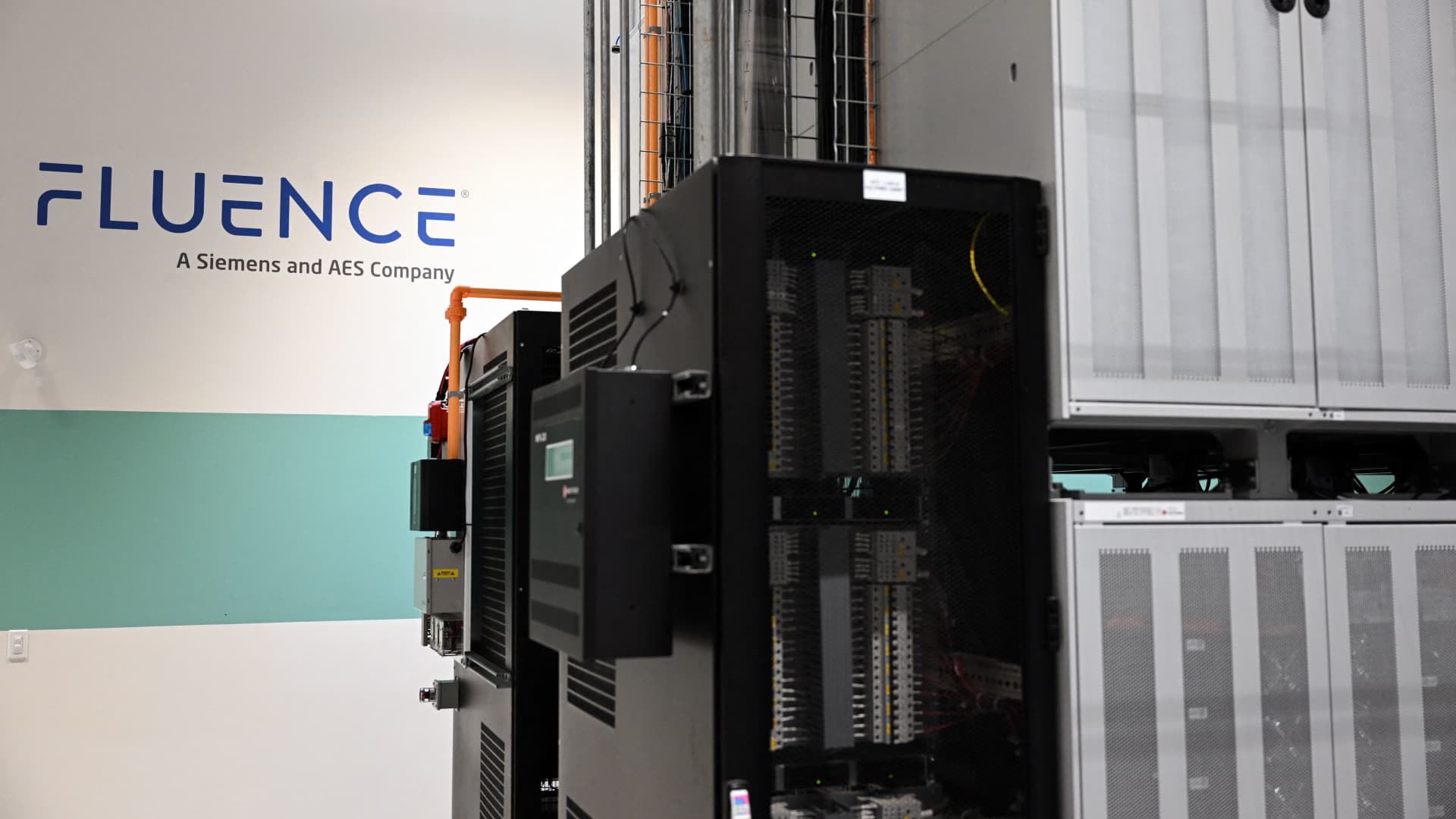
Fluence Energy's Profitability Outlook Under Scrutiny

- Profitability Concerns: Fluence Energy's profitability issues have raised market concerns, with analysts emphasizing that the company must achieve profitability to drive stock price increases, reflecting investor worries about its future financial performance.
- Lackluster Market Response: Despite Fluence Energy's significant potential in the renewable energy sector, its inability to achieve profitability has prevented its stock price from rising as expected, indicating market caution regarding its business model.
- Investor Confidence Shaken: Analysts express skepticism about Fluence's profitability outlook, suggesting that the company needs to implement effective measures to restore investor confidence, which is crucial for driving stock price recovery and impacting its long-term strategic direction.
- Intensifying Industry Competition: In the context of increasing competition within the renewable energy sector, Fluence Energy faces pressure from other companies and must accelerate its path to profitability to maintain market share and attract investment.
See More
Comparison Analysis of VONG and IWO ETFs


- Cost Structure Advantage: The Vanguard Russell 1000 Growth ETF boasts an expense ratio of just 0.06%, significantly lower than the iShares Russell 2000 Growth ETF's 0.24%, enhancing VONG's cost-effectiveness for long-term investors and potentially increasing net returns.
- Return Performance Discrepancy: Over the past year, the iShares ETF achieved a return of 32.40%, surpassing Vanguard's 21.20%, indicating that small-cap stocks may offer stronger growth potential in the short term, appealing to investors seeking quick returns.
- Risk and Volatility: The iShares ETF experienced a maximum drawdown of 40.50%, compared to Vanguard's 32.70%, highlighting the higher investment risk associated with small-cap stocks, necessitating careful risk assessment by investors.
- Portfolio Composition: The Vanguard ETF allocates 51% of its investments to the technology sector, while the iShares ETF diversifies across multiple sectors with technology at 26%, positioning iShares to benefit from broader market growth during economic recovery.
See More
Comparison Analysis of Vanguard and iShares ETFs
- Expense Ratio Advantage: The Vanguard Russell 1000 Growth ETF boasts a low expense ratio of 0.06%, significantly lower than the 0.24% of the iShares Russell 2000 Growth ETF, making it a more cost-effective option for long-term investors seeking to minimize costs.
- Performance Discrepancy: While the Vanguard ETF has outperformed over the past five years, the iShares ETF has shown slightly better returns over the last 12 months, indicating that the potential value of small-cap stocks is gaining investor attention, which could lead to market rotation and diversified investment strategies.
- Sector Allocation Comparison: The Vanguard ETF allocates 51% of its assets to the technology sector, whereas the iShares ETF diversifies across technology (26%), industrials (23%), and healthcare (22%), suggesting that this diversification may provide better growth opportunities during economic recovery.
- Portfolio Construction Strategy: These ETFs are not in competition but serve complementary roles in a long-term investment strategy, as owning a mix of large-cap and small-cap stocks can help investors achieve retirement goals while enhancing overall portfolio stability and return potential.
See More

IWM ETF 52-Week Price Fluctuation Analysis

- Price Range Analysis: The IWM ETF's 52-week low is $206.81 per share, with a high of $292.875, while the last trade was at $285.83, indicating stability near the high point that may attract investor interest in future movements.
- Technical Analysis Tool: Comparing the current share price to the 200-day moving average can provide valuable insights for investors, helping to assess market trends and potential buying opportunities, thereby optimizing investment decisions.
- ETF Trading Mechanism: Exchange-traded funds (ETFs) trade like stocks, where investors are buying and selling 'units' that can be created or destroyed based on investor demand, reflecting changes in market interest for the ETF.
- Liquidity Monitoring: Weekly monitoring of changes in shares outstanding helps identify significant inflows or outflows, where inflows necessitate purchasing underlying assets, while outflows may lead to selling, impacting the performance of individual components within the ETF.
See More

Credo and Marvell's Critical Role in AI Infrastructure

- Surging Market Demand: Credo Technology's Active Electrical Cables (AECs) are experiencing skyrocketing demand, particularly from major clients like Microsoft, Amazon, and xAI, which significantly enhances its revenue potential, with projections reaching revenue milestones of $2.5 billion to $7.5 billion in the coming years.
- Significant Technical Advantage: Credo's AECs connect thousands of GPUs with lower power consumption and higher reliability, effectively addressing bottlenecks in data center architecture, and as data center density increases, the demand for these products is expected to continue growing, solidifying its market position.
- Strategic Investment in Marvell: Marvell Technology has rapidly risen to prominence due to Nvidia's $2 billion investment, becoming part of the NVLink Fusion ecosystem, which is expected to drive future revenue growth and position it centrally in the AI chip market, with its custom silicon pipeline projected to yield $75 billion in lifetime revenue potential.
- Optimistic Industry Outlook: Both companies play indispensable roles in AI infrastructure, and as the AI economy rapidly evolves, they are expected to benefit from long-term structural growth tailwinds, attracting investor interest in their future market performance.
See More
Investment Opportunities in AI Infrastructure
- Market Position of Credo: Credo Technology Group's Active Electrical Cables (AECs) connect GPUs in AI data centers, meeting the increasing demand for high-density setups with lower power and higher reliability, with customers including Microsoft, Amazon, and xAI, highlighting its critical role in infrastructure.
- Executive Incentives and Growth Outlook: Credo's CEO has been granted performance stock awards tied to revenue targets ranging from $2.5 billion to $7.5 billion and stock price thresholds of $244.70 to $489.40, indicating the board's confidence in future growth, with expectations for significant achievements by 2031.
- Marvell's Strategic Shift: Following a $2 billion investment from Nvidia, Marvell Technology has become part of the NVLink Fusion ecosystem, leading to a stock price increase of over 50% in a short period, showcasing its pivotal role in the AI chip market.
- Potential of Custom Silicon: Marvell's custom silicon pipeline includes 18 XPU sockets with over 50 new opportunities representing an estimated $75 billion in potential revenue, indicating its significant position in the transition to silicon photonics, further solidifying its competitive edge.
See More
Fluence Energy's Profitability Outlook Under Scrutiny
- Profitability Concerns: Fluence Energy's profitability issues have raised market concerns, with analysts emphasizing that the company must achieve profitability to drive stock price increases, reflecting investor worries about its future financial performance.
- Lackluster Market Response: Despite Fluence Energy's significant potential in the renewable energy sector, its inability to achieve profitability has prevented its stock price from rising as expected, indicating market caution regarding its business model.
- Investor Confidence Shaken: Analysts express skepticism about Fluence's profitability outlook, suggesting that the company needs to implement effective measures to restore investor confidence, which is crucial for driving stock price recovery and impacting its long-term strategic direction.
- Intensifying Industry Competition: In the context of increasing competition within the renewable energy sector, Fluence Energy faces pressure from other companies and must accelerate its path to profitability to maintain market share and attract investment.
See More
Comparison Analysis of VONG and IWO ETFs
- Cost Structure Advantage: The Vanguard Russell 1000 Growth ETF boasts an expense ratio of just 0.06%, significantly lower than the iShares Russell 2000 Growth ETF's 0.24%, enhancing VONG's cost-effectiveness for long-term investors and potentially increasing net returns.
- Return Performance Discrepancy: Over the past year, the iShares ETF achieved a return of 32.40%, surpassing Vanguard's 21.20%, indicating that small-cap stocks may offer stronger growth potential in the short term, appealing to investors seeking quick returns.
- Risk and Volatility: The iShares ETF experienced a maximum drawdown of 40.50%, compared to Vanguard's 32.70%, highlighting the higher investment risk associated with small-cap stocks, necessitating careful risk assessment by investors.
- Portfolio Composition: The Vanguard ETF allocates 51% of its investments to the technology sector, while the iShares ETF diversifies across multiple sectors with technology at 26%, positioning iShares to benefit from broader market growth during economic recovery.
See More
Comparison Analysis of Vanguard and iShares ETFs
- Expense Ratio Advantage: The Vanguard Russell 1000 Growth ETF boasts a low expense ratio of 0.06%, significantly lower than the 0.24% of the iShares Russell 2000 Growth ETF, making it a more cost-effective option for long-term investors seeking to minimize costs.
- Performance Discrepancy: While the Vanguard ETF has outperformed over the past five years, the iShares ETF has shown slightly better returns over the last 12 months, indicating that the potential value of small-cap stocks is gaining investor attention, which could lead to market rotation and diversified investment strategies.
- Sector Allocation Comparison: The Vanguard ETF allocates 51% of its assets to the technology sector, whereas the iShares ETF diversifies across technology (26%), industrials (23%), and healthcare (22%), suggesting that this diversification may provide better growth opportunities during economic recovery.
- Portfolio Construction Strategy: These ETFs are not in competition but serve complementary roles in a long-term investment strategy, as owning a mix of large-cap and small-cap stocks can help investors achieve retirement goals while enhancing overall portfolio stability and return potential.
See More
IWM ETF 52-Week Price Fluctuation Analysis
- Price Range Analysis: The IWM ETF's 52-week low is $206.81 per share, with a high of $292.875, while the last trade was at $285.83, indicating stability near the high point that may attract investor interest in future movements.
- Technical Analysis Tool: Comparing the current share price to the 200-day moving average can provide valuable insights for investors, helping to assess market trends and potential buying opportunities, thereby optimizing investment decisions.
- ETF Trading Mechanism: Exchange-traded funds (ETFs) trade like stocks, where investors are buying and selling 'units' that can be created or destroyed based on investor demand, reflecting changes in market interest for the ETF.
- Liquidity Monitoring: Weekly monitoring of changes in shares outstanding helps identify significant inflows or outflows, where inflows necessitate purchasing underlying assets, while outflows may lead to selling, impacting the performance of individual components within the ETF.
See More
Credo and Marvell's Critical Role in AI Infrastructure
- Surging Market Demand: Credo Technology's Active Electrical Cables (AECs) are experiencing skyrocketing demand, particularly from major clients like Microsoft, Amazon, and xAI, which significantly enhances its revenue potential, with projections reaching revenue milestones of $2.5 billion to $7.5 billion in the coming years.
- Significant Technical Advantage: Credo's AECs connect thousands of GPUs with lower power consumption and higher reliability, effectively addressing bottlenecks in data center architecture, and as data center density increases, the demand for these products is expected to continue growing, solidifying its market position.
- Strategic Investment in Marvell: Marvell Technology has rapidly risen to prominence due to Nvidia's $2 billion investment, becoming part of the NVLink Fusion ecosystem, which is expected to drive future revenue growth and position it centrally in the AI chip market, with its custom silicon pipeline projected to yield $75 billion in lifetime revenue potential.
- Optimistic Industry Outlook: Both companies play indispensable roles in AI infrastructure, and as the AI economy rapidly evolves, they are expected to benefit from long-term structural growth tailwinds, attracting investor interest in their future market performance.
See More
Investment Opportunities in AI Infrastructure
- Market Position of Credo: Credo Technology Group's Active Electrical Cables (AECs) connect GPUs in AI data centers, meeting the increasing demand for high-density setups with lower power and higher reliability, with customers including Microsoft, Amazon, and xAI, highlighting its critical role in infrastructure.
- Executive Incentives and Growth Outlook: Credo's CEO has been granted performance stock awards tied to revenue targets ranging from $2.5 billion to $7.5 billion and stock price thresholds of $244.70 to $489.40, indicating the board's confidence in future growth, with expectations for significant achievements by 2031.
- Marvell's Strategic Shift: Following a $2 billion investment from Nvidia, Marvell Technology has become part of the NVLink Fusion ecosystem, leading to a stock price increase of over 50% in a short period, showcasing its pivotal role in the AI chip market.
- Potential of Custom Silicon: Marvell's custom silicon pipeline includes 18 XPU sockets with over 50 new opportunities representing an estimated $75 billion in potential revenue, indicating its significant position in the transition to silicon photonics, further solidifying its competitive edge.
See More