Company Reports Q1 Revenue of $445.1M
Reports Q1 revenue $445.1M vs. $367.8M last year. CEO Robert Lowenthal commented, "Notwithstanding the unfavorable impact of the "cash sweep" settlement on the company's overall results for Q1, the Firm's core businesses delivered solid operating results. Despite an increasingly challenging geopolitical environment, the strength of our franchise proved its ability to support clients across all business environments. The ongoing conflict with Iran disrupted global energy flows and intensified inflationary pressure on oil and gas prices, which in turn weighed negatively on the financial markets during March. As a result of the conflict, equity markets exhibited significant volatility with indices now hovering at or near their all-time highs...Although AUM eased from last quarter's all-time highs, they remained meaningfully above prior year levels, supporting continued strength in our asset-based advisory fees...Our capital position remains robust, enabling us to return additional value to stockholders as highlighted by our announced 11.1% increase in the quarterly dividend to $0.20 per share. Looking ahead, we remain focused on supporting our clients across the enterprise as they continue to navigate uncertain markets."
Trade with 70% Backtested Accuracy
Analyst Views on OPY
About OPY
About the author


SpaceX's Stock Surge Sparks Market Attention


- Market Position Surge: On its third day of trading, SpaceX briefly became the fourth-largest company by market cap, and although its stock has pulled back since, it remains in the top ten as of June 25, indicating strong market performance and investor interest.
- Analyst Optimism: Arete analyst Andrew Beale predicts SpaceX's stock could reach $401 by the end of next year, translating to a market cap of approximately $5.3 trillion, surpassing Nvidia's current $4.7 trillion valuation, reflecting confidence in SpaceX's future growth potential.
- Starlink Driving Growth: SpaceX's Starlink satellite internet service generated $11.4 billion in revenue last year, accounting for 61% of total sales, with customer numbers expected to rise from 9 million in 2025 to 12 million this month, showcasing rapid global expansion and profitability.
- Valuation Risks: Despite a 33% revenue growth to $18.7 billion in 2025, SpaceX's market cap stands at $2 trillion with a staggering P/E ratio of 108, significantly higher than Nvidia's 18, indicating that any execution missteps could lead to stock price declines, necessitating cautious investor sentiment regarding its high valuation.

SpaceX's Ambitious Targets Could Surpass Nvidia's Valuation

- Significant Customer Growth: Starlink's user base surged from 9 million last year to 12 million this month across over 160 countries, indicating strong market demand that is expected to drive revenue growth and enhance SpaceX's market position.
- Market Valuation Comparison: Analysts predict that SpaceX's market cap could reach $10 trillion within five years, despite its current valuation of $2 trillion, reflecting high market expectations for its future potential but also the risks associated with such high valuations.
- Revenue and Profitability Challenges: SpaceX reported a 33% revenue growth to $18.7 billion in 2025, yet it also faced a net loss of $4.9 billion, highlighting profitability pressures during its heavy investment phase, especially when compared to Nvidia's financial performance.
- Technological and Business Development: SpaceX plans to launch V3 Starlink satellites this year, which are expected to significantly enhance network speeds and capacity, while its launch business accounted for 80% of U.S. commercial launches, providing support for future growth.
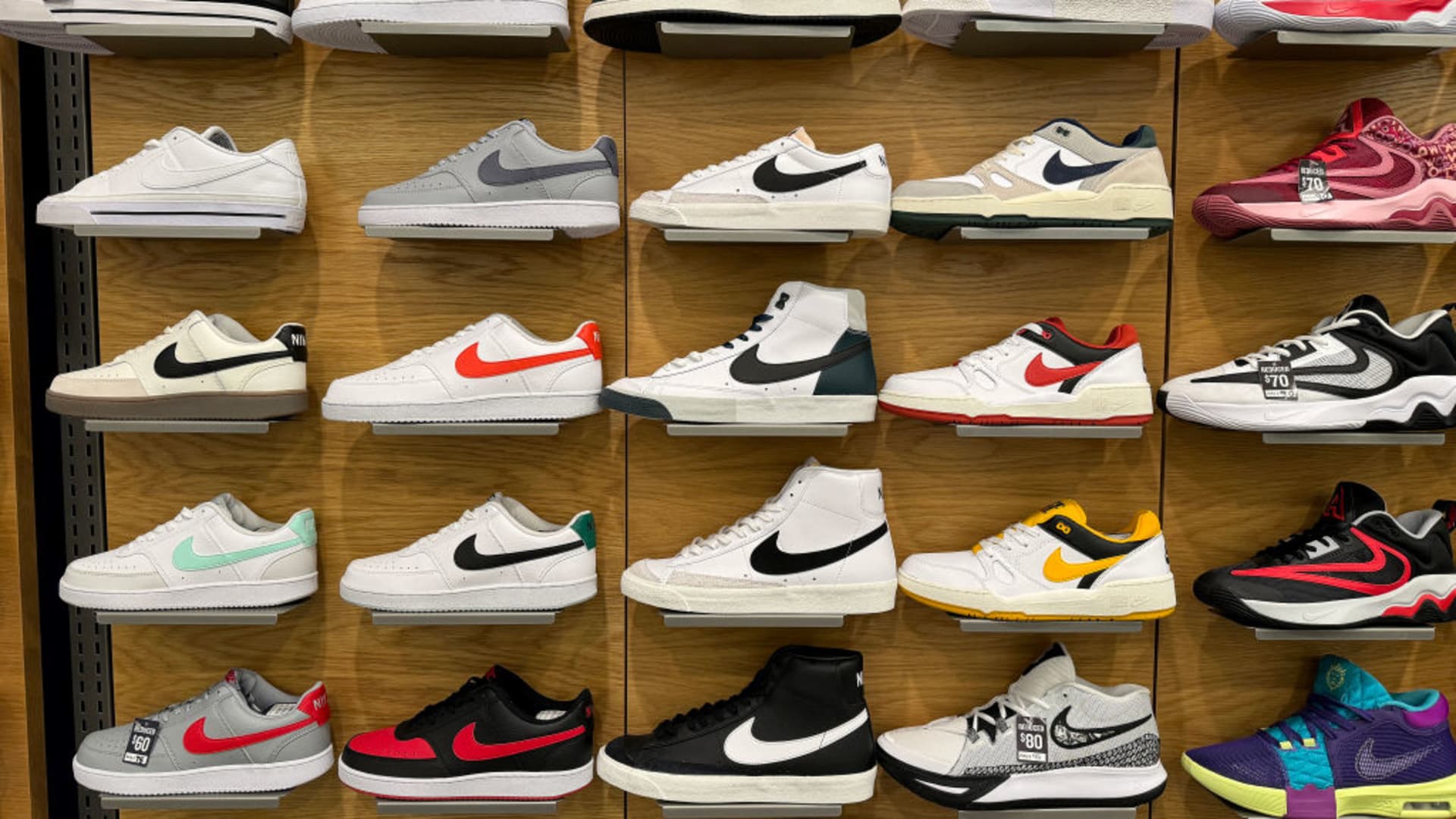
Nike's Fiscal Q4 Results Expected to Remain Soft


- Soft Earnings Outlook: Nike (NKE) anticipates its fiscal Q4 results will remain soft, primarily due to ongoing internal dislocation, which could lead to slower sales and profit growth, negatively impacting investor confidence.
- Internal Operational Challenges: The internal dislocation issues the company faces may hinder supply chain efficiency and product delivery capabilities, affecting consumer demand and market share, particularly in the highly competitive athletic footwear market.
- Market Reaction Expectations: Given the poor earnings outlook, the market's reaction to Nike's stock may be negative, prompting investors to closely monitor how the company addresses these challenges to restore growth.
- Need for Strategic Adjustments: Nike may need to implement strategic adjustments to tackle current internal challenges, including optimizing supply chain management and enhancing operational efficiency to maintain a competitive edge in future market conditions.
Tesla's Market Cap Surges to $1.2 Trillion Amid Declining Auto Sales


- Market Cap vs Sales: Tesla's market cap stands at approximately $1.2 trillion, with auto sales declining by 8% last year and projected to drop another 1% in 2024, yet its stock has soared over 50%, reflecting investor confidence in its future potential.
- AI-Driven Growth: Tesla is pivoting towards becoming an AI company, leveraging rapid advancements in artificial intelligence, with the autonomous taxi market expected to grow into an $8 trillion to $10 trillion industry, allowing the company to pursue higher growth rates and margins.
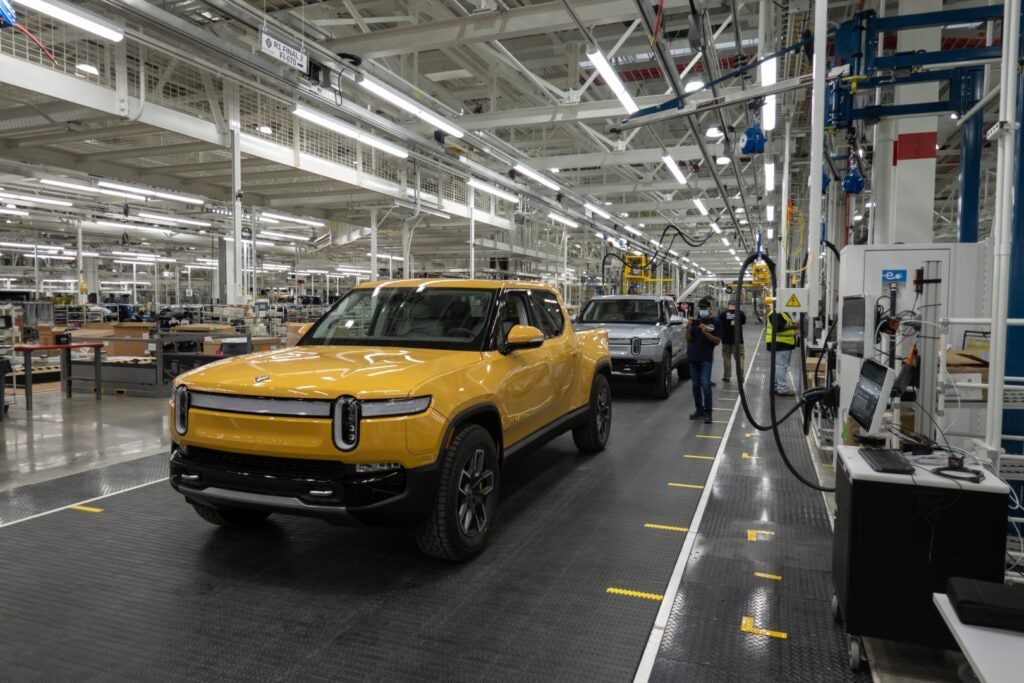
- Competitor Analysis: Rivian, with a market cap of only $19 billion and projected sales growth of 64% by 2027, trades at just 3.3 times sales compared to Tesla's 13.8 times, indicating a potential undervaluation that could present a buying opportunity for investors.
- Strategic Shift and Partnerships: Rivian plans to significantly increase its AI investments and has secured a $1.25 billion deal with Uber to supply 50,000 R2 SUVs, positioning itself as a supplier in the robotaxi market, which may lead to increased market share in the future.
Tesla's Stock Surge Driven by AI Innovations
- Market Valuation Surge: Tesla's market cap is currently around $1.2 trillion, with shares soaring over 50% in the past three years, despite auto sales declining by 8% last year and projected to drop 1% in 2024, indicating strong market confidence in its AI potential.
- AI Market Outlook: Tesla's autonomous driving technology is increasingly reliant on rapid advancements in AI, with experts predicting the robotaxi market could grow into a $10 trillion industry, highlighting the strategic shift towards higher-margin growth opportunities.
- Competitor Dynamics: Rivian, with a market cap of only $19 billion and increasing AI investments, trades at just 3.3 times sales compared to Tesla's 13.8 times, reflecting the market's premium on Tesla despite Rivian's expected 64% sales growth by 2027.
- Strategic Partnership Opportunities: Rivian's $1.25 billion deal with Uber to supply 50,000 R2 SUVs for its robotaxi fleet underscores Rivian's role in the supply chain, even as it faces disadvantages in brand recognition and capital compared to Tesla.

S&P 500 Rises 9% Year-to-Date Amid Economic Headwinds

- Strong Earnings Drive: In Q1, S&P 500 companies reported a 12% revenue growth, the highest since 2022, and a 29% earnings growth, the best since 2021, indicating a robust recovery in corporate profitability that boosts market confidence.
- Sector Leaders: The technology and communication services sectors achieved earnings growth of 55% and 49%, respectively, primarily driven by the artificial intelligence infrastructure build-out, highlighting the significant impact of AI investments on market dynamics and future growth potential.
- Optimistic Market Expectations: Wall Street analysts anticipate continued strong performance from S&P 500 companies in the remaining quarters of 2026, with full-year revenue expected to rise by 11% and earnings by 23%, further propelling stock market gains and reflecting investor optimism about future prospects.
- Risks and Opportunities: Despite the optimistic outlook, investors should remain cautious of potential risks, including strained U.S.-Iran relations and high inflation, alongside Trump's plans to impose new tariffs this summer, suggesting a focus on reasonably valued stocks may be prudent.
SpaceX's Stock Surge Sparks Market Attention
- Market Position Surge: On its third day of trading, SpaceX briefly became the fourth-largest company by market cap, and although its stock has pulled back since, it remains in the top ten as of June 25, indicating strong market performance and investor interest.
- Analyst Optimism: Arete analyst Andrew Beale predicts SpaceX's stock could reach $401 by the end of next year, translating to a market cap of approximately $5.3 trillion, surpassing Nvidia's current $4.7 trillion valuation, reflecting confidence in SpaceX's future growth potential.
- Starlink Driving Growth: SpaceX's Starlink satellite internet service generated $11.4 billion in revenue last year, accounting for 61% of total sales, with customer numbers expected to rise from 9 million in 2025 to 12 million this month, showcasing rapid global expansion and profitability.
- Valuation Risks: Despite a 33% revenue growth to $18.7 billion in 2025, SpaceX's market cap stands at $2 trillion with a staggering P/E ratio of 108, significantly higher than Nvidia's 18, indicating that any execution missteps could lead to stock price declines, necessitating cautious investor sentiment regarding its high valuation.
SpaceX's Ambitious Targets Could Surpass Nvidia's Valuation
- Significant Customer Growth: Starlink's user base surged from 9 million last year to 12 million this month across over 160 countries, indicating strong market demand that is expected to drive revenue growth and enhance SpaceX's market position.
- Market Valuation Comparison: Analysts predict that SpaceX's market cap could reach $10 trillion within five years, despite its current valuation of $2 trillion, reflecting high market expectations for its future potential but also the risks associated with such high valuations.
- Revenue and Profitability Challenges: SpaceX reported a 33% revenue growth to $18.7 billion in 2025, yet it also faced a net loss of $4.9 billion, highlighting profitability pressures during its heavy investment phase, especially when compared to Nvidia's financial performance.
- Technological and Business Development: SpaceX plans to launch V3 Starlink satellites this year, which are expected to significantly enhance network speeds and capacity, while its launch business accounted for 80% of U.S. commercial launches, providing support for future growth.
Nike's Fiscal Q4 Results Expected to Remain Soft
- Soft Earnings Outlook: Nike (NKE) anticipates its fiscal Q4 results will remain soft, primarily due to ongoing internal dislocation, which could lead to slower sales and profit growth, negatively impacting investor confidence.
- Internal Operational Challenges: The internal dislocation issues the company faces may hinder supply chain efficiency and product delivery capabilities, affecting consumer demand and market share, particularly in the highly competitive athletic footwear market.
- Market Reaction Expectations: Given the poor earnings outlook, the market's reaction to Nike's stock may be negative, prompting investors to closely monitor how the company addresses these challenges to restore growth.
- Need for Strategic Adjustments: Nike may need to implement strategic adjustments to tackle current internal challenges, including optimizing supply chain management and enhancing operational efficiency to maintain a competitive edge in future market conditions.
Tesla's Market Cap Surges to $1.2 Trillion Amid Declining Auto Sales
- Market Cap vs Sales: Tesla's market cap stands at approximately $1.2 trillion, with auto sales declining by 8% last year and projected to drop another 1% in 2024, yet its stock has soared over 50%, reflecting investor confidence in its future potential.
- AI-Driven Growth: Tesla is pivoting towards becoming an AI company, leveraging rapid advancements in artificial intelligence, with the autonomous taxi market expected to grow into an $8 trillion to $10 trillion industry, allowing the company to pursue higher growth rates and margins.
- Competitor Analysis: Rivian, with a market cap of only $19 billion and projected sales growth of 64% by 2027, trades at just 3.3 times sales compared to Tesla's 13.8 times, indicating a potential undervaluation that could present a buying opportunity for investors.
- Strategic Shift and Partnerships: Rivian plans to significantly increase its AI investments and has secured a $1.25 billion deal with Uber to supply 50,000 R2 SUVs, positioning itself as a supplier in the robotaxi market, which may lead to increased market share in the future.
Tesla's Stock Surge Driven by AI Innovations
- Market Valuation Surge: Tesla's market cap is currently around $1.2 trillion, with shares soaring over 50% in the past three years, despite auto sales declining by 8% last year and projected to drop 1% in 2024, indicating strong market confidence in its AI potential.
- AI Market Outlook: Tesla's autonomous driving technology is increasingly reliant on rapid advancements in AI, with experts predicting the robotaxi market could grow into a $10 trillion industry, highlighting the strategic shift towards higher-margin growth opportunities.
- Competitor Dynamics: Rivian, with a market cap of only $19 billion and increasing AI investments, trades at just 3.3 times sales compared to Tesla's 13.8 times, reflecting the market's premium on Tesla despite Rivian's expected 64% sales growth by 2027.
- Strategic Partnership Opportunities: Rivian's $1.25 billion deal with Uber to supply 50,000 R2 SUVs for its robotaxi fleet underscores Rivian's role in the supply chain, even as it faces disadvantages in brand recognition and capital compared to Tesla.
S&P 500 Rises 9% Year-to-Date Amid Economic Headwinds
- Strong Earnings Drive: In Q1, S&P 500 companies reported a 12% revenue growth, the highest since 2022, and a 29% earnings growth, the best since 2021, indicating a robust recovery in corporate profitability that boosts market confidence.
- Sector Leaders: The technology and communication services sectors achieved earnings growth of 55% and 49%, respectively, primarily driven by the artificial intelligence infrastructure build-out, highlighting the significant impact of AI investments on market dynamics and future growth potential.
- Optimistic Market Expectations: Wall Street analysts anticipate continued strong performance from S&P 500 companies in the remaining quarters of 2026, with full-year revenue expected to rise by 11% and earnings by 23%, further propelling stock market gains and reflecting investor optimism about future prospects.
- Risks and Opportunities: Despite the optimistic outlook, investors should remain cautious of potential risks, including strained U.S.-Iran relations and high inflation, alongside Trump's plans to impose new tariffs this summer, suggesting a focus on reasonably valued stocks may be prudent.