Cboe Data Shows Coinbase Shares Rise to $185.80
Written by Emily J. Thompson, Senior Investment Analyst
Updated: 2 days ago
0mins
Cboe data suggests bullish flow in Coinbase (COIN), with shares up 81c, or 0.44%, near $185.80. Options volume relatively light with 35k contracts traded and calls leading puts for a put/call ratio of 0.41, compared to a typical level near 0.5. Implied volatility (IV30) is higher by 3.0 points near 65.91,and above the 52wk median, suggesting an expected daily move of $7.71. Put-call skew flattened, suggesting a modestly bullish tone.
Trade with 70% Backtested Accuracy
Stop guessing "Should I Buy COIN?" and start using high-conviction signals backed by rigorous historical data.
Sign up today to access powerful investing tools and make smarter, data-driven decisions.
Analyst Views on COIN
Wall Street analysts forecast COIN stock price to rise
25 Analyst Rating
17 Buy
7 Hold
1 Sell
Moderate Buy
Current: 173.780

Low
230.00
Averages
361.63
High
440.00
Current: 173.780
Low
230.00
Averages
361.63
High
440.00
About COIN
Coinbase Global, Inc. is a holding company of Coinbase, Inc. and other subsidiaries. The Company provides a platform that serves as a compliant on-ramp to the onchain economy and enables users to engage in a variety of activities with their crypto assets in both proprietary and third-party product experiences enabled by access to decentralized applications. It offers consumers their primary financial account for the onchain economy; institutions a full-service prime brokerage platform with access to deep pools of liquidity across the crypto marketplace, and developers a suite of products granting access to build onchain. The Company offers products and services to various customer groups: consumers, businesses, institutions, and developers. Its transaction products consist of consumer trading, prime trading, markets, base protocol and Coinbase wallet. The Company also provides market infrastructure in the form of exchanges for customers to trade spots and derivatives.
About the author

Emily J. Thompson
Emily J. Thompson, a Chartered Financial Analyst (CFA) with 12 years in investment research, graduated with honors from the Wharton School. Specializing in industrial and technology stocks, she provides in-depth analysis for Intellectia’s earnings and market brief reports.

Prediction Markets Attracting Institutional Investors

- Institutional Interest: Prediction market platforms like Kalshi are actively attracting institutional investors and hedge funds, with trading volumes surging to $178 billion over the past six months, indicating strong interest from large financial players that could reshape traditional finance.
- First Customized Trade: Kalshi recently executed its first customized block trade on its platform, signaling its efforts to target larger institutional clients, which is expected to further enhance market liquidity and trading activity.
- Liquidity Challenges: Despite rising institutional interest, analysts warn that liquidity issues must be addressed, as large trades can lead to significant price swings, with institutional investors requiring high liquidity standards for participation.
- Infrastructure Development: Kalshi is partnering with major brokers like Clear Street to improve liquidity and attract more institutional clients, indicating that prediction markets are gradually being recognized as a legitimate alternative asset class.
See More

US Stocks Under Pressure as Oil Prices Surge


- Market Pressure Intensifies: The S&P 500 index fell 0.14%, the Dow Jones Industrial Average dropped 0.27%, and the Nasdaq 100 index decreased 0.34% as crude oil prices surged over 2% following fresh US attacks on Iran, indicating heightened sensitivity to geopolitical risks.
- Economic Data Impact: The April core PCE price index rose 3.3% year-on-year, meeting expectations, but the unexpected 1.1% decline in April capital goods new orders signals potential economic slowdown, which may heighten investor concerns about future growth.
- Rising Unemployment Claims: Initial jobless claims in the US increased by 5,000 to 215,000, exceeding expectations of 211,000, reflecting a weakening labor market that could prompt the Fed to adopt a more cautious stance in future policy decisions.
- Earnings Season Insights: As of now, 83% of the 479 S&P 500 companies that reported earnings exceeded expectations, with Q1 earnings projected to rise 12% year-on-year; however, excluding the tech sector, growth is only expected at 3%, highlighting a divergence in overall profitability.
See More
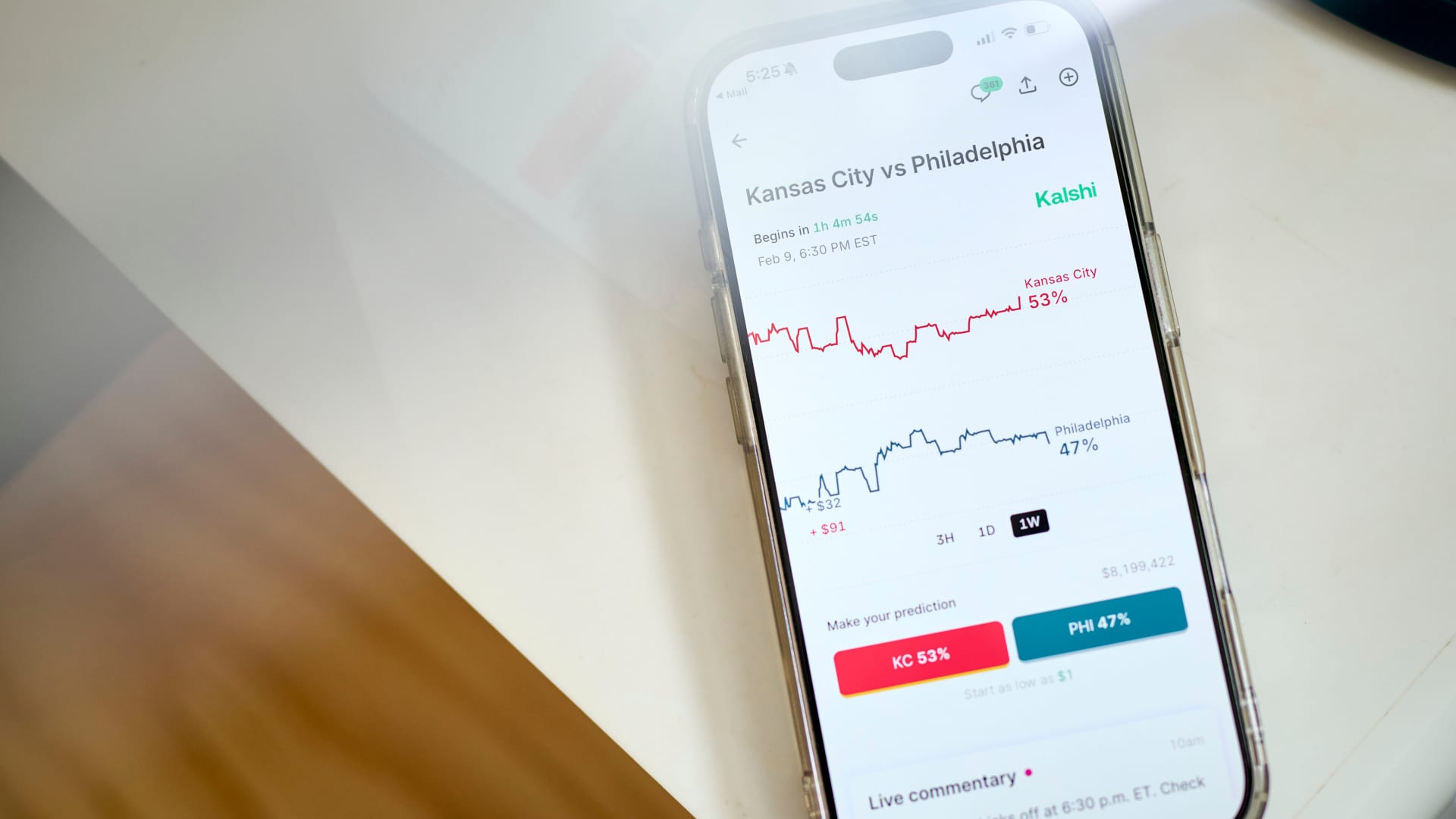
Prediction Markets Cost States Over $1 Billion in Tax Revenue

- Significant Tax Revenue Loss: The American Gaming Association estimates that states have lost over $1 billion in tax revenue due to the rise of prediction markets, which directly impacts funding for community projects and negatively affects revenues for Native American casinos.
- Regulatory Disputes Intensify: Association President Bill Miller argues that prediction markets are essentially 'backdoor sports betting' and calls for state regulation, while the Commodity Futures Trading Commission (CFTC) claims jurisdiction over these contracts, leading to legal conflicts between states and the CFTC.
- Industry Data Rebuttal: Prediction market platforms like Kalshi and Coinbase challenge the association's estimates, labeling them as 'fake math' and highlighting that the U.S. gaming industry reached a record $78.7 billion in revenue last year, underscoring the economic utility and fairness of prediction markets.
- Policy Review Underway: President Trump emphasized the importance of CFTC's jurisdiction over prediction markets on social media, while the Office of Management and Budget is reviewing proposals for regulatory oversight, indicating government interest and potential policy shifts regarding this emerging market.
See More

Analysis of SPHB ETF's 52-Week Price Fluctuations

- Price Range Analysis: The SPHB ETF's 52-week low is $86.75 per share, with a high of $147.29, and a recent trading price of $146.51, indicating stability near its peak, which may attract investor interest in its price movements.
- Technical Analysis Tool: Comparing the latest share price to the 200-day moving average can provide valuable insights for investors, helping to assess market trends and potential buy or sell opportunities.
- ETF Unit Trading Mechanism: ETFs trade similarly to stocks, where investors are buying and selling 'units' that can be created or destroyed based on investor demand, impacting the ETF's liquidity and market performance.
- Inflows and Outflows Monitoring: Weekly monitoring of changes in shares outstanding for ETFs helps identify those experiencing significant inflows or outflows, allowing investors to capture market dynamics and investment opportunities in a timely manner.
See More

Hyperliquid Partners with Coinbase for Yield Sharing Agreement

- Yield Sharing Agreement: Hyperliquid has partnered with Coinbase, making Coinbase the USDC treasury deployer on its network, with Circle managing cross-chain infrastructure, potentially generating $135 million to $160 million in annual revenue for Hyperliquid, significantly enhancing returns for holders.
- Stablecoin Market Potential: With approximately $6.8 billion in stablecoins on the Hyperliquid network, 95% of which are USDC, the yield-sharing agreement will create a new demand source for Hype tokens, further driving price appreciation and enhancing market competitiveness.
- Utilization of Trading Fees: Hyperliquid uses 99% of trading fees to buy back Hype tokens, and combined with the new agreement's yield, holders will benefit from higher price returns, establishing a dual value capture mechanism that increases investment appeal.
- Risks and Opportunities: While the yield-sharing agreement is promising, risks remain if the Federal Reserve cuts interest rates or if competitors offer better terms, which could lead to a migration of Hyperliquid's USDC supply, necessitating careful evaluation of market risks versus potential rewards.
See More

Hyperliquid Partners with Coinbase for Yield Sharing Agreement
- Yield Sharing Agreement: Hyperliquid's deal with Coinbase allows it to capture up to 90% of the yield from USDC deposits, translating to an estimated $135 million to $160 million in annual buybacks for its native coin Hype, significantly enhancing returns for holders.
- Stablecoin Market Impact: With approximately $6.8 billion in stablecoins on the Hyperliquid platform, 95% of which are USDC, the yield-sharing agreement provides a stable cash flow that helps maintain competitiveness during market volatility, boosting investor confidence.
- Trading Fee Mechanism: Hyperliquid employs a model that uses 99% of trading fees to buy back Hype, and the addition of this new yield stream creates a dual value capture mechanism that further drives demand for Hype, potentially increasing its market price and enhancing returns for holders.
- Market Risks and Opportunities: While the yield-sharing agreement presents a positive outlook, risks such as potential Federal Reserve interest rate cuts or competing venues offering better terms could impact Hyperliquid's USDC supply, necessitating careful risk-reward assessment by investors.
See More
Prediction Markets Attracting Institutional Investors
- Institutional Interest: Prediction market platforms like Kalshi are actively attracting institutional investors and hedge funds, with trading volumes surging to $178 billion over the past six months, indicating strong interest from large financial players that could reshape traditional finance.
- First Customized Trade: Kalshi recently executed its first customized block trade on its platform, signaling its efforts to target larger institutional clients, which is expected to further enhance market liquidity and trading activity.
- Liquidity Challenges: Despite rising institutional interest, analysts warn that liquidity issues must be addressed, as large trades can lead to significant price swings, with institutional investors requiring high liquidity standards for participation.
- Infrastructure Development: Kalshi is partnering with major brokers like Clear Street to improve liquidity and attract more institutional clients, indicating that prediction markets are gradually being recognized as a legitimate alternative asset class.
See More
US Stocks Under Pressure as Oil Prices Surge
- Market Pressure Intensifies: The S&P 500 index fell 0.14%, the Dow Jones Industrial Average dropped 0.27%, and the Nasdaq 100 index decreased 0.34% as crude oil prices surged over 2% following fresh US attacks on Iran, indicating heightened sensitivity to geopolitical risks.
- Economic Data Impact: The April core PCE price index rose 3.3% year-on-year, meeting expectations, but the unexpected 1.1% decline in April capital goods new orders signals potential economic slowdown, which may heighten investor concerns about future growth.
- Rising Unemployment Claims: Initial jobless claims in the US increased by 5,000 to 215,000, exceeding expectations of 211,000, reflecting a weakening labor market that could prompt the Fed to adopt a more cautious stance in future policy decisions.
- Earnings Season Insights: As of now, 83% of the 479 S&P 500 companies that reported earnings exceeded expectations, with Q1 earnings projected to rise 12% year-on-year; however, excluding the tech sector, growth is only expected at 3%, highlighting a divergence in overall profitability.
See More
Prediction Markets Cost States Over $1 Billion in Tax Revenue
- Significant Tax Revenue Loss: The American Gaming Association estimates that states have lost over $1 billion in tax revenue due to the rise of prediction markets, which directly impacts funding for community projects and negatively affects revenues for Native American casinos.
- Regulatory Disputes Intensify: Association President Bill Miller argues that prediction markets are essentially 'backdoor sports betting' and calls for state regulation, while the Commodity Futures Trading Commission (CFTC) claims jurisdiction over these contracts, leading to legal conflicts between states and the CFTC.
- Industry Data Rebuttal: Prediction market platforms like Kalshi and Coinbase challenge the association's estimates, labeling them as 'fake math' and highlighting that the U.S. gaming industry reached a record $78.7 billion in revenue last year, underscoring the economic utility and fairness of prediction markets.
- Policy Review Underway: President Trump emphasized the importance of CFTC's jurisdiction over prediction markets on social media, while the Office of Management and Budget is reviewing proposals for regulatory oversight, indicating government interest and potential policy shifts regarding this emerging market.
See More
Analysis of SPHB ETF's 52-Week Price Fluctuations
- Price Range Analysis: The SPHB ETF's 52-week low is $86.75 per share, with a high of $147.29, and a recent trading price of $146.51, indicating stability near its peak, which may attract investor interest in its price movements.
- Technical Analysis Tool: Comparing the latest share price to the 200-day moving average can provide valuable insights for investors, helping to assess market trends and potential buy or sell opportunities.
- ETF Unit Trading Mechanism: ETFs trade similarly to stocks, where investors are buying and selling 'units' that can be created or destroyed based on investor demand, impacting the ETF's liquidity and market performance.
- Inflows and Outflows Monitoring: Weekly monitoring of changes in shares outstanding for ETFs helps identify those experiencing significant inflows or outflows, allowing investors to capture market dynamics and investment opportunities in a timely manner.
See More
Hyperliquid Partners with Coinbase for Yield Sharing Agreement
- Yield Sharing Agreement: Hyperliquid has partnered with Coinbase, making Coinbase the USDC treasury deployer on its network, with Circle managing cross-chain infrastructure, potentially generating $135 million to $160 million in annual revenue for Hyperliquid, significantly enhancing returns for holders.
- Stablecoin Market Potential: With approximately $6.8 billion in stablecoins on the Hyperliquid network, 95% of which are USDC, the yield-sharing agreement will create a new demand source for Hype tokens, further driving price appreciation and enhancing market competitiveness.
- Utilization of Trading Fees: Hyperliquid uses 99% of trading fees to buy back Hype tokens, and combined with the new agreement's yield, holders will benefit from higher price returns, establishing a dual value capture mechanism that increases investment appeal.
- Risks and Opportunities: While the yield-sharing agreement is promising, risks remain if the Federal Reserve cuts interest rates or if competitors offer better terms, which could lead to a migration of Hyperliquid's USDC supply, necessitating careful evaluation of market risks versus potential rewards.
See More
Hyperliquid Partners with Coinbase for Yield Sharing Agreement
- Yield Sharing Agreement: Hyperliquid's deal with Coinbase allows it to capture up to 90% of the yield from USDC deposits, translating to an estimated $135 million to $160 million in annual buybacks for its native coin Hype, significantly enhancing returns for holders.
- Stablecoin Market Impact: With approximately $6.8 billion in stablecoins on the Hyperliquid platform, 95% of which are USDC, the yield-sharing agreement provides a stable cash flow that helps maintain competitiveness during market volatility, boosting investor confidence.
- Trading Fee Mechanism: Hyperliquid employs a model that uses 99% of trading fees to buy back Hype, and the addition of this new yield stream creates a dual value capture mechanism that further drives demand for Hype, potentially increasing its market price and enhancing returns for holders.
- Market Risks and Opportunities: While the yield-sharing agreement presents a positive outlook, risks such as potential Federal Reserve interest rate cuts or competing venues offering better terms could impact Hyperliquid's USDC supply, necessitating careful risk-reward assessment by investors.
See More