Boeing Delivers ViaSat-3 Satellite, Expanding Asia-Pacific Communications Coverage
Written by Emily J. Thompson, Senior Investment Analyst
Updated: Apr 08 2026
0mins
Source: seekingalpha
- Program Milestone: Boeing successfully delivered the ViaSat-3 Flight 3 satellite on Tuesday, marking a key step in its plan to expand high-capacity communications coverage in the Asia-Pacific region, which is expected to significantly enhance connectivity in the area.
- Satellite Design: The ViaSat-3 F3 satellite is designed to support commercial mobility, government, and defense users in high-density markets across Asia-Pacific, utilizing Boeing's 702MP+ platform that allows for larger payloads and higher power output to meet market demands.
- Launch Preparations: The satellite will undergo pre-launch processing at Cape Canaveral Space Force Station in Florida, with a launch planned aboard a SpaceX Falcon Heavy rocket, as Boeing and Viasat continue to collaborate to ensure successful orbital deployment.
- Market Demand: Once operational, the ViaSat-3 F3 satellite will complete the constellation's geographic reach, addressing the growing demand for satellite-based connectivity in the Asia-Pacific region, thereby strengthening Boeing's position in the global communications market.
Trade with 70% Backtested Accuracy
Stop guessing "Should I Buy BA?" and start using high-conviction signals backed by rigorous historical data.
Sign up today to access powerful investing tools and make smarter, data-driven decisions.
Analyst Views on BA
Wall Street analysts forecast BA stock price to rise
16 Analyst Rating
14 Buy
1 Hold
1 Sell
Strong Buy
Current: 228.780

Low
150.00
Averages
269.14
High
298.00
Current: 228.780
Low
150.00
Averages
269.14
High
298.00
About BA
The Boeing Company is an aerospace company. Its segments include Commercial Airplanes (BCA), Defense, Space & Security (BDS), and Global Services (BGS). Its BCA segment develops, produces and markets commercial jet aircraft principally for the commercial airline industry worldwide. Its family of commercial jet aircraft in production includes the 737 narrow-body model and the 767, 777 and 787 wide-body models. Its BDS segment is engaged in the research, development, production and modification of manned and unmanned military aircraft and weapons systems for strike, surveillance and mobility. Its BGS segment provides services to its commercial and defense customers worldwide. It sustains aerospace platforms and systems with a range of products and services, including supply chain and logistics management, engineering, maintenance and modifications, upgrades and conversions, spare parts, pilot and maintenance training systems and services, technical and maintenance documents, and others.
About the author

Emily J. Thompson
Emily J. Thompson, a Chartered Financial Analyst (CFA) with 12 years in investment research, graduated with honors from the Wharton School. Specializing in industrial and technology stocks, she provides in-depth analysis for Intellectia’s earnings and market brief reports.
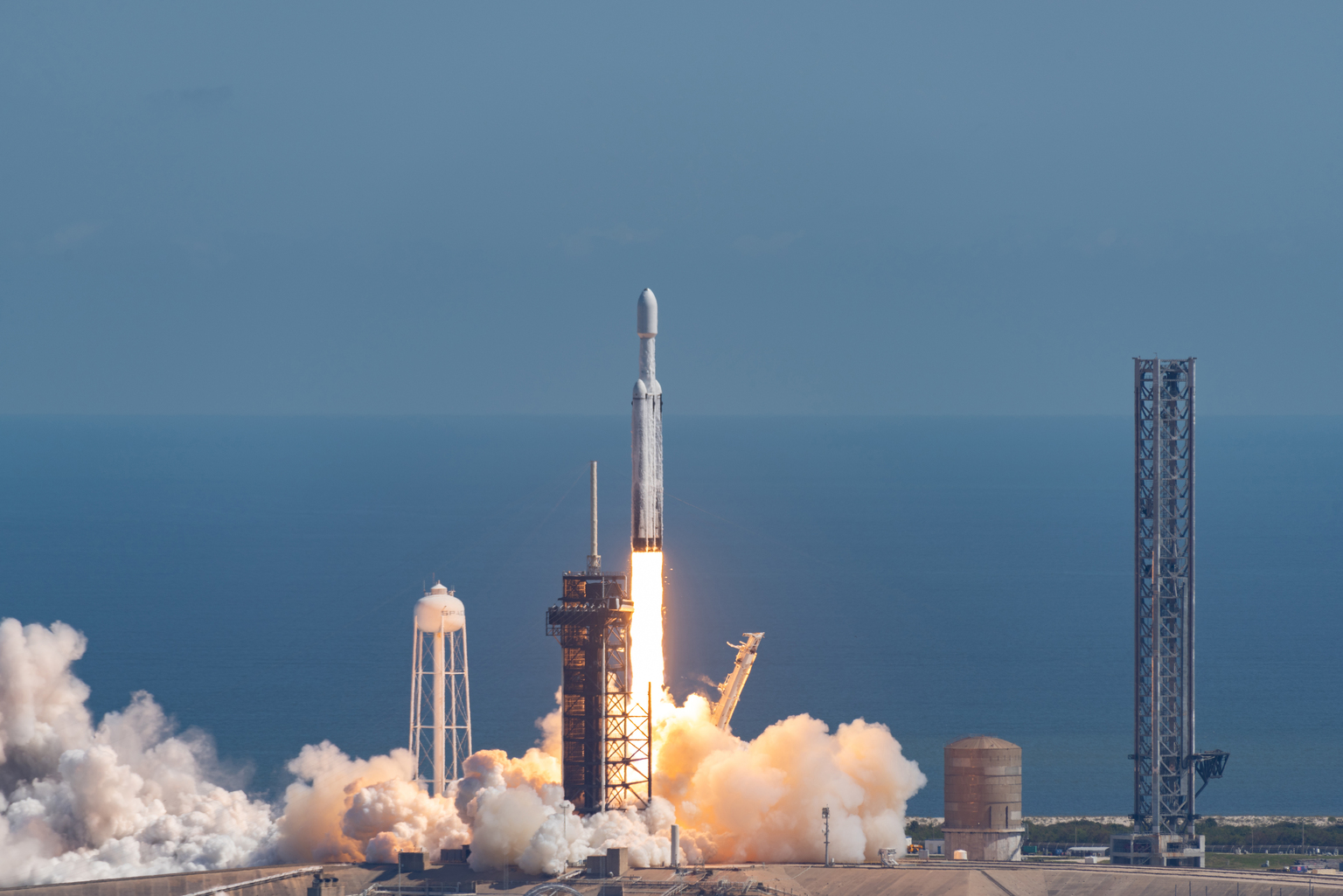
SpaceX IPO Sparks Potential Aerospace and Defense Disruption

- Launch Service Dominance: SpaceX plans to conduct over 160 launches in 2025, nearly ten times more than its closest competitor Rocket Lab, demonstrating its clear leadership in launch services, with expectations for this lead to widen further, enhancing its market competitiveness.
- Cost Reduction Potential: SpaceX's Starship rocket is projected to lower launch costs to below $1,000 per kilogram, significantly undercutting competitors, potentially opening commercial markets from orbital AI computing to Mars exploration, although the near-term impact on Pentagon spending is expected to be limited.
- Military Communication Network Threat: SpaceX's $2.3 billion Space Data Network Backbone contract replaces a planned satellite constellation, indicating a potential threat to traditional defense contractors in military communications networks, which could face greater disruption.
- Defense Spending Stability: Despite competitive pressures, BNP maintains a positive outlook on major defense companies, emphasizing that the Pentagon is unlikely to rely solely on SpaceX, continuing to support multiple suppliers, which highlights the enduring technological and political advantages of the traditional defense industry.
See More
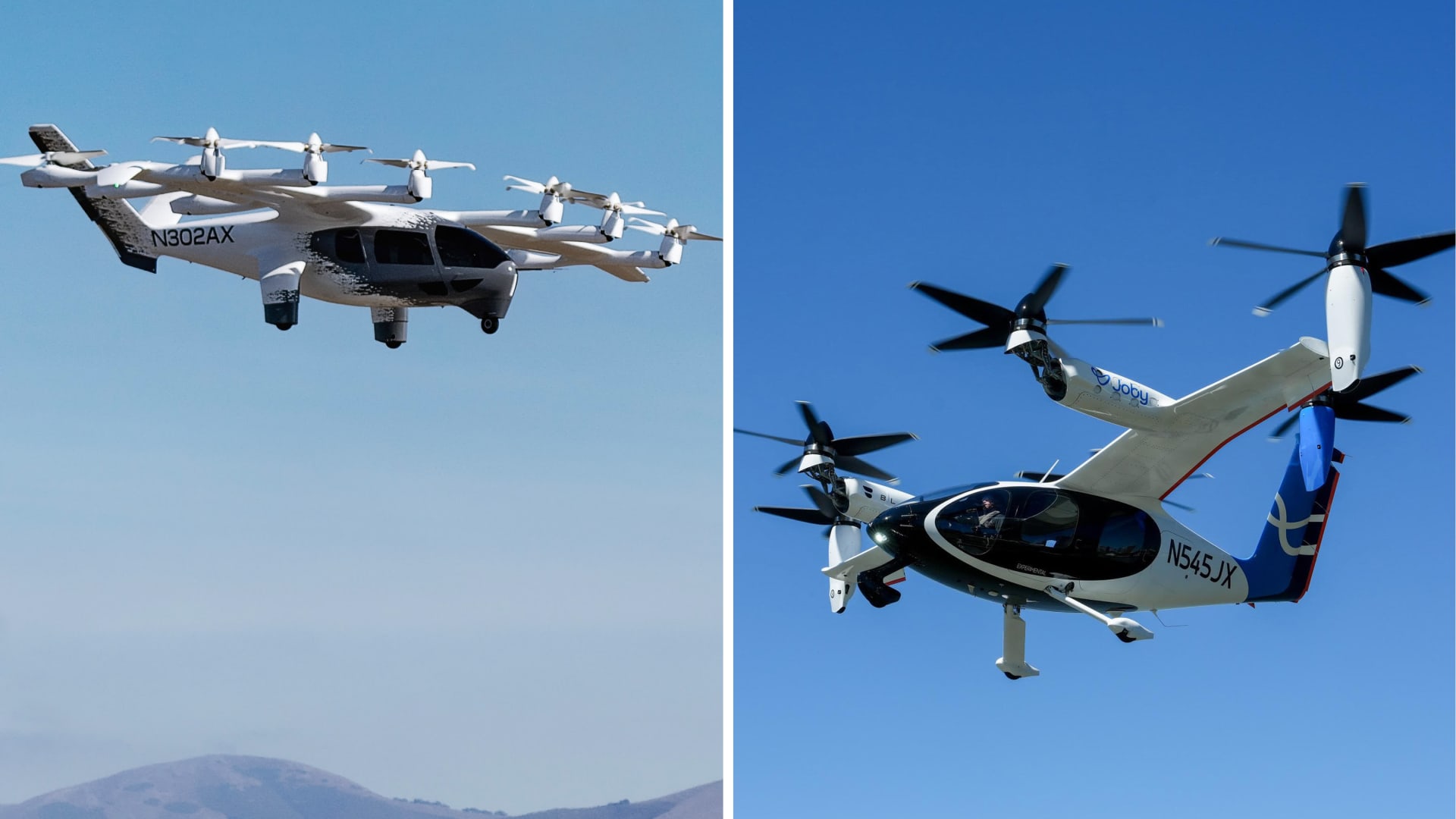
Legal Battles Hinder U.S. eVTOL Industry Progress


- Legal Disputes Impact Development: Joby Aviation's lawsuit against Archer for corporate espionage has led to declining investor confidence in the eVTOL sector, with Archer's stock down 9% this year and losing over a third of its value, indicating the negative impact of legal issues on market sentiment.
- Certification Delays: Despite the Trump administration's eVTOL Integration Pilot Program aimed at accelerating industry growth, ongoing legal battles threaten to prolong certification timelines and increase costs, as warned by H2 Advisors' Mike Hirschberg, which could hinder overall industry progress.
- Intensifying Market Competition: Archer's patent infringement lawsuit against Vertical Aerospace is ongoing, with Vertical claiming the lawsuit is
See More

Park Aerospace Reports Q4 Sales and Future Outlook

- Stable Sales Performance: Park Aerospace Corp reported Q4 sales of $24.187 million, aligning with estimates and demonstrating the company's forecasting accuracy, which bolsters investor confidence.
- Strong Cash Position: The company holds $89.4 million in cash and marketable securities with zero long-term debt, providing ample financial resources for future capital expenditures and potential investments.
- Increased Competitive Pressure: While the company has a strong presence in significant aerospace programs like the A320 NEO and Boeing 777X, it faces risks from alternative products that could impact future sales growth.
- Long Dividend History: Park Aerospace has a 41-year history of dividend payments, reflecting its commitment to shareholder returns, although the Q4 gross margin of 28.7% fell below the preferred 30%, indicating profitability pressures.
See More

US-Iran Conflict Escalates, Oil Prices Surge Amid Economic Uncertainty


- Escalation of US-Iran Conflict: Following weeks of paused action, the US and Iran have resumed airstrikes, complicating hopes for a permanent resolution to the conflict, which is impacting global oil supplies and market sentiment.
- Strong Stock Market Performance: Despite rising geopolitical tensions, both the S&P 500 and Nasdaq Composite closed at record highs, primarily driven by a surge in AI-related stocks, indicating strong market confidence in the technology sector.
- Oil Price Warning: ExxonMobil has warned that oil inventories are on track to reach dangerously low levels in the coming weeks, forcing prices to spike and curbing demand, reflecting market concerns over energy supply.
- Wealthy Investors Pulling Out: According to the UBS Global Family Office Report, 60% of family offices plan to adjust their investment allocations in the next year, with many reducing US holdings and increasing exposure to emerging markets, highlighting a growing trend of 'de-dollarization'.
See More

Boeing Funds 72 Schools to Expand STEM Programs
- Funding Support: Boeing has awarded $125,000 to Think Together to expand its STEM curriculum and Workforce Readiness and Employment Program (WREP), enabling K-12 students across 72 schools to explore new career pathways, thereby enhancing their skills and confidence.
- Long-term Investment: This grant brings Boeing's total investment in Think Together to over $700,000 over the past seven years, demonstrating its ongoing commitment to education and community development aimed at improving learning opportunities for under-resourced students.
- Program Content: Students will gain access to high-quality technology equipment and hands-on projects, including Forces of Flight, robotics, and physical computing, which will help them explore career paths in aeronautical engineering, computer science, and other STEM fields while enhancing their information and technology literacy.
- Career Preparation: Through the WREP program, high school students will learn job application skills, interview preparation, and engage in work-based learning experiences, with micro-internship opportunities allowing them to tour a local Boeing facility, further broadening their career horizons.
See More

Investment Choices Between Lockheed Martin and Boeing

- Lockheed Martin Stability: In FY 2025, Lockheed Martin reported revenue of $75.1 billion, a 5.7% increase, with approximately 72% of sales derived from the U.S. government, highlighting its strong reliance on defense contracts, which also introduces customer concentration risks.
- Boeing Growth Potential: Boeing achieved nearly $89.5 billion in revenue for FY 2025, representing a 34.5% growth, successfully returning to profitability with a net income of approximately $2.2 billion, indicating recovery potential in its commercial aviation segment despite ongoing production and certification challenges.
- Financial Health Comparison: Lockheed Martin's debt-to-equity ratio stands at 3.2x, indicating relatively low financial leverage, while Boeing's ratio is a concerning 10.0x, reflecting a high-risk financial structure, although Boeing's current ratio of 1.2 slightly outperforms Lockheed's 1.1.
- Investor Choice Considerations: For investors seeking stability and income, Lockheed Martin offers reliable cash flow and steady dividends, while those willing to accept higher risks for potentially greater rewards may consider Boeing's long-term prospects, especially given the strong demand for its commercial aviation products.
See More
SpaceX IPO Sparks Potential Aerospace and Defense Disruption
- Launch Service Dominance: SpaceX plans to conduct over 160 launches in 2025, nearly ten times more than its closest competitor Rocket Lab, demonstrating its clear leadership in launch services, with expectations for this lead to widen further, enhancing its market competitiveness.
- Cost Reduction Potential: SpaceX's Starship rocket is projected to lower launch costs to below $1,000 per kilogram, significantly undercutting competitors, potentially opening commercial markets from orbital AI computing to Mars exploration, although the near-term impact on Pentagon spending is expected to be limited.
- Military Communication Network Threat: SpaceX's $2.3 billion Space Data Network Backbone contract replaces a planned satellite constellation, indicating a potential threat to traditional defense contractors in military communications networks, which could face greater disruption.
- Defense Spending Stability: Despite competitive pressures, BNP maintains a positive outlook on major defense companies, emphasizing that the Pentagon is unlikely to rely solely on SpaceX, continuing to support multiple suppliers, which highlights the enduring technological and political advantages of the traditional defense industry.
See More
Legal Battles Hinder U.S. eVTOL Industry Progress
- Legal Disputes Impact Development: Joby Aviation's lawsuit against Archer for corporate espionage has led to declining investor confidence in the eVTOL sector, with Archer's stock down 9% this year and losing over a third of its value, indicating the negative impact of legal issues on market sentiment.
- Certification Delays: Despite the Trump administration's eVTOL Integration Pilot Program aimed at accelerating industry growth, ongoing legal battles threaten to prolong certification timelines and increase costs, as warned by H2 Advisors' Mike Hirschberg, which could hinder overall industry progress.
- Intensifying Market Competition: Archer's patent infringement lawsuit against Vertical Aerospace is ongoing, with Vertical claiming the lawsuit is
See More
Park Aerospace Reports Q4 Sales and Future Outlook
- Stable Sales Performance: Park Aerospace Corp reported Q4 sales of $24.187 million, aligning with estimates and demonstrating the company's forecasting accuracy, which bolsters investor confidence.
- Strong Cash Position: The company holds $89.4 million in cash and marketable securities with zero long-term debt, providing ample financial resources for future capital expenditures and potential investments.
- Increased Competitive Pressure: While the company has a strong presence in significant aerospace programs like the A320 NEO and Boeing 777X, it faces risks from alternative products that could impact future sales growth.
- Long Dividend History: Park Aerospace has a 41-year history of dividend payments, reflecting its commitment to shareholder returns, although the Q4 gross margin of 28.7% fell below the preferred 30%, indicating profitability pressures.
See More
US-Iran Conflict Escalates, Oil Prices Surge Amid Economic Uncertainty
- Escalation of US-Iran Conflict: Following weeks of paused action, the US and Iran have resumed airstrikes, complicating hopes for a permanent resolution to the conflict, which is impacting global oil supplies and market sentiment.
- Strong Stock Market Performance: Despite rising geopolitical tensions, both the S&P 500 and Nasdaq Composite closed at record highs, primarily driven by a surge in AI-related stocks, indicating strong market confidence in the technology sector.
- Oil Price Warning: ExxonMobil has warned that oil inventories are on track to reach dangerously low levels in the coming weeks, forcing prices to spike and curbing demand, reflecting market concerns over energy supply.
- Wealthy Investors Pulling Out: According to the UBS Global Family Office Report, 60% of family offices plan to adjust their investment allocations in the next year, with many reducing US holdings and increasing exposure to emerging markets, highlighting a growing trend of 'de-dollarization'.
See More
Boeing Funds 72 Schools to Expand STEM Programs
- Funding Support: Boeing has awarded $125,000 to Think Together to expand its STEM curriculum and Workforce Readiness and Employment Program (WREP), enabling K-12 students across 72 schools to explore new career pathways, thereby enhancing their skills and confidence.
- Long-term Investment: This grant brings Boeing's total investment in Think Together to over $700,000 over the past seven years, demonstrating its ongoing commitment to education and community development aimed at improving learning opportunities for under-resourced students.
- Program Content: Students will gain access to high-quality technology equipment and hands-on projects, including Forces of Flight, robotics, and physical computing, which will help them explore career paths in aeronautical engineering, computer science, and other STEM fields while enhancing their information and technology literacy.
- Career Preparation: Through the WREP program, high school students will learn job application skills, interview preparation, and engage in work-based learning experiences, with micro-internship opportunities allowing them to tour a local Boeing facility, further broadening their career horizons.
See More
Investment Choices Between Lockheed Martin and Boeing
- Lockheed Martin Stability: In FY 2025, Lockheed Martin reported revenue of $75.1 billion, a 5.7% increase, with approximately 72% of sales derived from the U.S. government, highlighting its strong reliance on defense contracts, which also introduces customer concentration risks.
- Boeing Growth Potential: Boeing achieved nearly $89.5 billion in revenue for FY 2025, representing a 34.5% growth, successfully returning to profitability with a net income of approximately $2.2 billion, indicating recovery potential in its commercial aviation segment despite ongoing production and certification challenges.
- Financial Health Comparison: Lockheed Martin's debt-to-equity ratio stands at 3.2x, indicating relatively low financial leverage, while Boeing's ratio is a concerning 10.0x, reflecting a high-risk financial structure, although Boeing's current ratio of 1.2 slightly outperforms Lockheed's 1.1.
- Investor Choice Considerations: For investors seeking stability and income, Lockheed Martin offers reliable cash flow and steady dividends, while those willing to accept higher risks for potentially greater rewards may consider Boeing's long-term prospects, especially given the strong demand for its commercial aviation products.
See More