Boeing 777X Secures Key FAA Certification Approval
Written by Emily J. Thompson, Senior Investment Analyst
Updated: 1 hour ago
0mins
Source: seekingalpha
- Certification Progress: Boeing's 777X has received FAA approval to enter the critical Phase 4B testing after years of delays, marking a significant milestone in the certification process and paving the way for commercial service.
- Testing Focus: Phase 4B will evaluate avionics systems, aircraft stability and control, and human-factors testing to ensure effective pilot interaction with the aircraft, thereby enhancing flight safety and operational efficiency.
- Market Impact: As Boeing's flagship widebody aircraft, progress in certification will reduce program uncertainty, support future cash flow generation, and strengthen Boeing's competitiveness in the long-haul aviation market, where airlines seek efficient replacements for older models.
- Investor Attention: Given the delivery delays that have postponed potential revenue, investors are closely monitoring the 777X program, with any signs of nearing certification viewed as a positive signal for Boeing's earnings outlook and production planning.
Trade with 70% Backtested Accuracy
Stop guessing "Should I Buy BA?" and start using high-conviction signals backed by rigorous historical data.
Sign up today to access powerful investing tools and make smarter, data-driven decisions.
Analyst Views on BA
Wall Street analysts forecast BA stock price to rise
16 Analyst Rating
14 Buy
1 Hold
1 Sell
Strong Buy
Current: 217.420

Low
150.00
Averages
269.14
High
298.00
Current: 217.420
Low
150.00
Averages
269.14
High
298.00
About BA
The Boeing Company is an aerospace company. Its segments include Commercial Airplanes (BCA), Defense, Space & Security (BDS), and Global Services (BGS). Its BCA segment develops, produces and markets commercial jet aircraft principally for the commercial airline industry worldwide. Its family of commercial jet aircraft in production includes the 737 narrow-body model and the 767, 777 and 787 wide-body models. Its BDS segment is engaged in the research, development, production and modification of manned and unmanned military aircraft and weapons systems for strike, surveillance and mobility. Its BGS segment provides services to its commercial and defense customers worldwide. It sustains aerospace platforms and systems with a range of products and services, including supply chain and logistics management, engineering, maintenance and modifications, upgrades and conversions, spare parts, pilot and maintenance training systems and services, technical and maintenance documents, and others.
About the author

Emily J. Thompson
Emily J. Thompson, a Chartered Financial Analyst (CFA) with 12 years in investment research, graduated with honors from the Wharton School. Specializing in industrial and technology stocks, she provides in-depth analysis for Intellectia’s earnings and market brief reports.
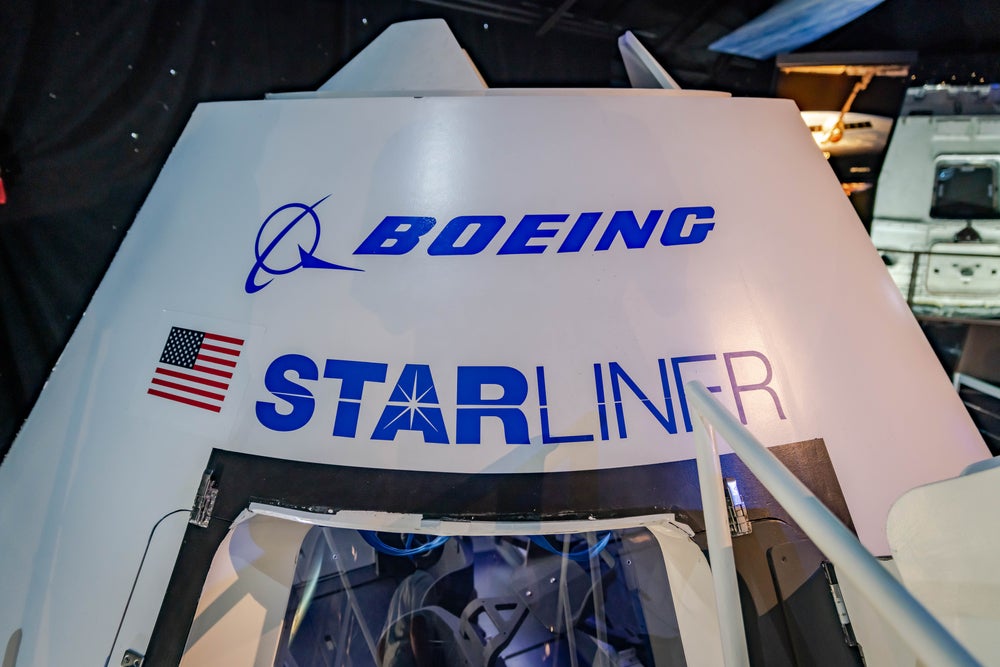
Riyadh Air Receives First Two Boeing 787 Dreamliners

- First Aircraft Delivery: Riyadh Air announced on Friday the successful delivery of its first two Boeing 787 Dreamliner aircraft, marking a significant step towards launching commercial passenger services and advancing Saudi Arabia's aviation and tourism sectors.
- Fleet Expansion Plans: These two aircraft are the first of a planned fleet of 72 787s, with expectations to serve over 100 destinations by 2030, including London, Cairo, and Jeddah, showcasing the airline's ambitious long-haul expansion strategy.
- Global Aviation Hub Goals: Under the Vision 2030 initiative, Saudi Arabia aims to establish itself as a global aviation hub, targeting 150 million annual visitors and handling 330 million air passengers by 2030, with Riyadh Air's establishment being a key component of this strategy.
- Market Demand for Boeing: This delivery provides a strong signal of demand for Boeing's aircraft, indicating a recovery in international air travel as airlines pursue fleet expansions, with the 787 Dreamliner being crucial to Boeing's commercial airplane backlog.
See More

Boeing 777X Secures Key FAA Certification Approval
- Certification Progress: Boeing's 777X has received FAA approval to enter the critical Phase 4B testing after years of delays, marking a significant milestone in the certification process and paving the way for commercial service.
- Testing Focus: Phase 4B will evaluate avionics systems, aircraft stability and control, and human-factors testing to ensure effective pilot interaction with the aircraft, thereby enhancing flight safety and operational efficiency.
- Market Impact: As Boeing's flagship widebody aircraft, progress in certification will reduce program uncertainty, support future cash flow generation, and strengthen Boeing's competitiveness in the long-haul aviation market, where airlines seek efficient replacements for older models.
- Investor Attention: Given the delivery delays that have postponed potential revenue, investors are closely monitoring the 777X program, with any signs of nearing certification viewed as a positive signal for Boeing's earnings outlook and production planning.
See More
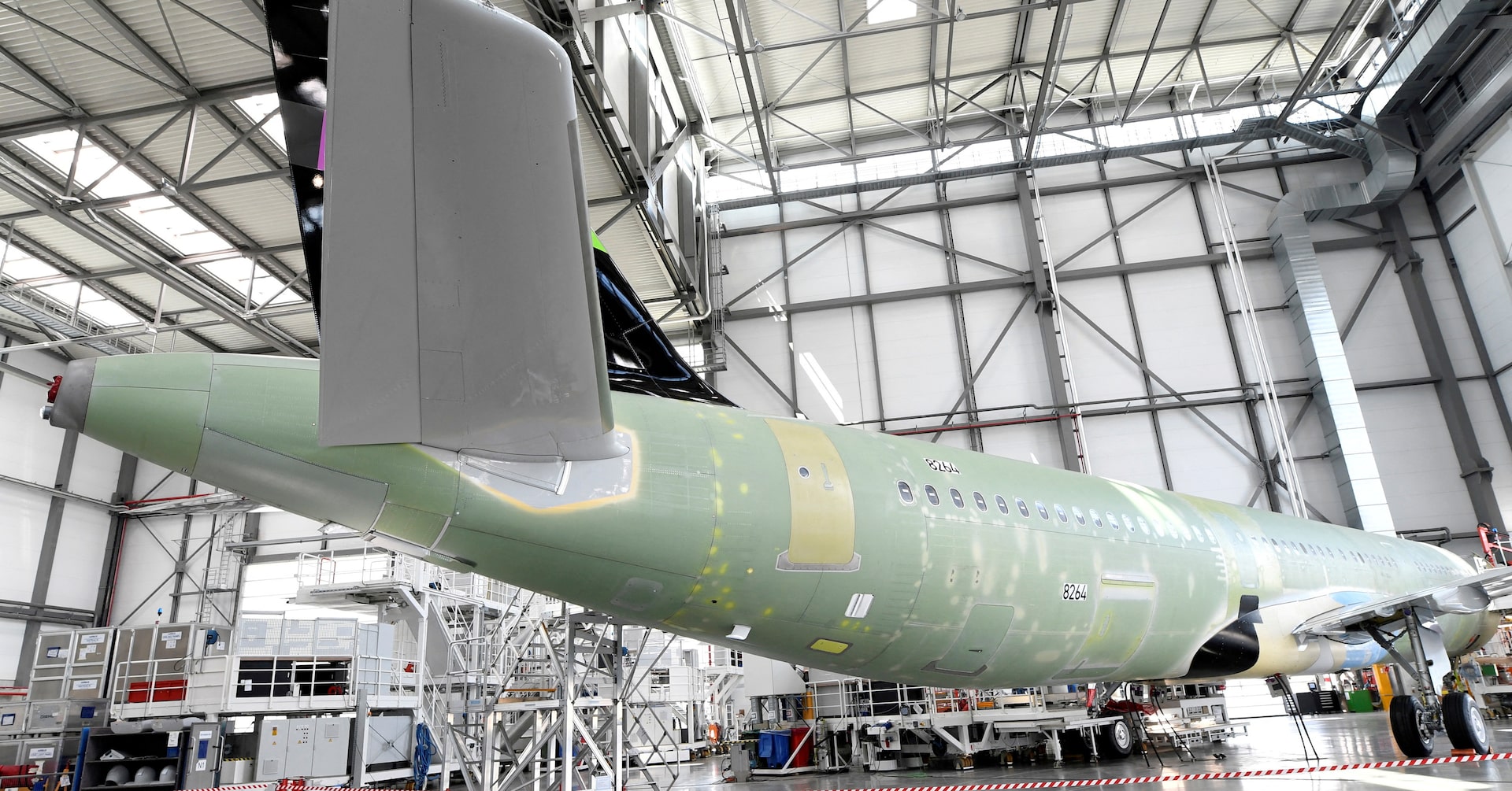
Embraer Plans to Introduce E2 Jets to China
- Market Expansion Plans: A senior executive from Embraer stated that the E2 jets are expected to enter the Chinese market, believing that these aircraft can ideally complement domestically developed models, indicating the company's commitment to China.
- Product Positioning: The E190-E2 and E195-E2 jets will fill the gap between China's C909 and C919, providing airlines with flexible city connectivity options, thereby enhancing their competitive edge in the Chinese market.
- Ongoing Customer Discussions: The company is in discussions with potential customers, with the E2 family already certified by local authorities, although Embraer has faced challenges in expanding its business in China since the closure of its joint venture in Harbin in 2016.
- Future Development Direction: Despite growing customer interest in larger aircraft, Embraer remains focused on its core segment of jets seating up to 150 passengers, reflecting a cautious approach to expanding its product line.
See More

Southwest Airlines Focuses on 737 MAX 7 and Starlink Service

- 737 MAX 7 Expected Launch: Southwest Airlines anticipates that Boeing's 737 MAX 7 will enter revenue service in 2027, maintaining a focus on the MAX family to mitigate risks, which underscores the company's commitment to its existing fleet amid certification delays.
- Route Matching Limitations: Although the delay of the 737 MAX 7 has not forced Southwest to suspend specific routes, it has restricted the airline's ability to better match aircraft size with demand, resulting in an oversupply of larger aircraft in markets with lower demand.
- Starlink Wi-Fi Deployment: Southwest plans to have one aircraft serviceable with Starlink by the end of this month and aims to equip 300 aircraft with Starlink by year-end, demonstrating the airline's proactive approach to enhancing customer experience through technology.
- Investor Feedback and Transformation: Southwest executives acknowledged that the airline had been too slow to implement changes, despite ongoing initiatives, and indicated that revenue per available seat mile would be a critical metric for assessing the effectiveness of these transformations, reflecting the company's responsiveness to market demands.
See More
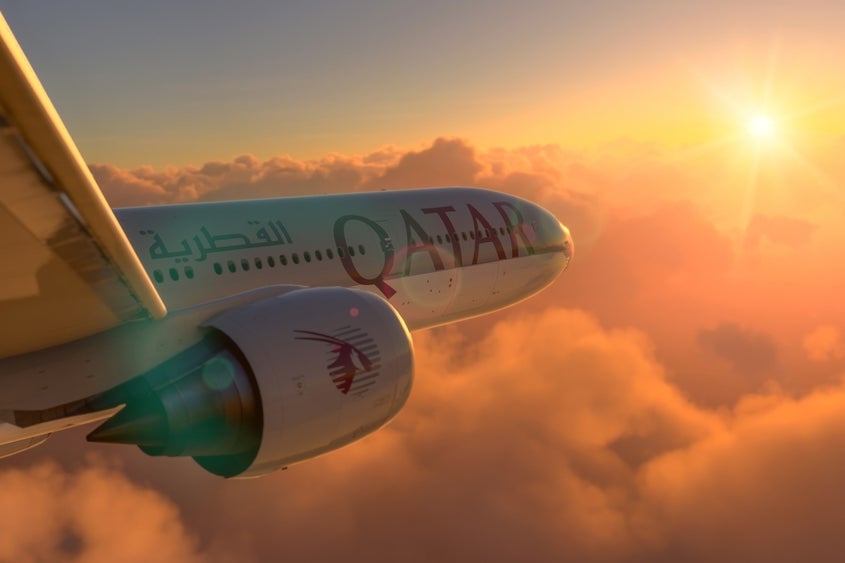
Middle Eastern Carriers Should Not Delay Jet Orders
- Order Decision Making: IATA's VP Kamil Al-Awadhi stated that deferring jet orders due to rising fuel prices from the Iran war is unwise for Middle Eastern carriers, as it could lead to increased long-term costs, especially with waiting times extending to years.
- Sustained Market Demand: Despite uncertainties, Middle Eastern airlines remain major customers for Boeing and Airbus, with Al-Awadhi emphasizing that airlines plan to continue aircraft purchases to ensure operational capacity for the future, despite current fluctuations.
- Flight Reductions and Fare Increases: Global airlines are cutting flights and raising fares to cope with rising operational costs, even as Middle Eastern airports face threats from airstrikes linked to the Iran war, which Al-Awadhi expressed concern over.
- Kuwait Airport Damage: Al-Awadhi voiced concerns over the attack on Kuwait airport, estimating that repairs to the damaged terminal used by foreign carriers could take at least a year, potentially impacting other airlines' operations in Kuwait and forcing urgent measures to resolve flight arrangements.
See More

Air New Zealand Faces Challenges from High Fuel Prices

- Fuel Price Impact: Air New Zealand's CEO Nikhil Ravishankar stated that the airline has only offset 25% to 40% of the increased fuel costs through hedging and fare hikes, with expectations of $150 per barrel fuel prices in the 2027 financial year, indicating significant pressure on cost management.
- Fare Adjustment Strategy: The airline has already implemented two fare increases and may consider further tactical hikes in resilient demand markets; however, Ravishankar warned that continuous price increases could soften demand and reduce flight operations, reflecting the market's sensitivity to pricing.
- Liquidity Management: Ravishankar emphasized that Air New Zealand does not plan to seek additional liquidity from markets, arguing that the combination of the company's balance sheet and unencumbered aircraft assets allows it to withstand elevated fuel prices, demonstrating confidence in financial management.
- Fleet Recovery Progress: Air New Zealand is recovering from engine issues and aircraft delivery delays that once grounded up to 20% of its fleet, now reduced to less than 5%, with most aircraft expected to return to service in the next two to three months, indicating significant progress in operational recovery.
See More
Riyadh Air Receives First Two Boeing 787 Dreamliners
- First Aircraft Delivery: Riyadh Air announced on Friday the successful delivery of its first two Boeing 787 Dreamliner aircraft, marking a significant step towards launching commercial passenger services and advancing Saudi Arabia's aviation and tourism sectors.
- Fleet Expansion Plans: These two aircraft are the first of a planned fleet of 72 787s, with expectations to serve over 100 destinations by 2030, including London, Cairo, and Jeddah, showcasing the airline's ambitious long-haul expansion strategy.
- Global Aviation Hub Goals: Under the Vision 2030 initiative, Saudi Arabia aims to establish itself as a global aviation hub, targeting 150 million annual visitors and handling 330 million air passengers by 2030, with Riyadh Air's establishment being a key component of this strategy.
- Market Demand for Boeing: This delivery provides a strong signal of demand for Boeing's aircraft, indicating a recovery in international air travel as airlines pursue fleet expansions, with the 787 Dreamliner being crucial to Boeing's commercial airplane backlog.
See More
Boeing 777X Secures Key FAA Certification Approval
- Certification Progress: Boeing's 777X has received FAA approval to enter the critical Phase 4B testing after years of delays, marking a significant milestone in the certification process and paving the way for commercial service.
- Testing Focus: Phase 4B will evaluate avionics systems, aircraft stability and control, and human-factors testing to ensure effective pilot interaction with the aircraft, thereby enhancing flight safety and operational efficiency.
- Market Impact: As Boeing's flagship widebody aircraft, progress in certification will reduce program uncertainty, support future cash flow generation, and strengthen Boeing's competitiveness in the long-haul aviation market, where airlines seek efficient replacements for older models.
- Investor Attention: Given the delivery delays that have postponed potential revenue, investors are closely monitoring the 777X program, with any signs of nearing certification viewed as a positive signal for Boeing's earnings outlook and production planning.
See More
Embraer Plans to Introduce E2 Jets to China
- Market Expansion Plans: A senior executive from Embraer stated that the E2 jets are expected to enter the Chinese market, believing that these aircraft can ideally complement domestically developed models, indicating the company's commitment to China.
- Product Positioning: The E190-E2 and E195-E2 jets will fill the gap between China's C909 and C919, providing airlines with flexible city connectivity options, thereby enhancing their competitive edge in the Chinese market.
- Ongoing Customer Discussions: The company is in discussions with potential customers, with the E2 family already certified by local authorities, although Embraer has faced challenges in expanding its business in China since the closure of its joint venture in Harbin in 2016.
- Future Development Direction: Despite growing customer interest in larger aircraft, Embraer remains focused on its core segment of jets seating up to 150 passengers, reflecting a cautious approach to expanding its product line.
See More
Southwest Airlines Focuses on 737 MAX 7 and Starlink Service
- 737 MAX 7 Expected Launch: Southwest Airlines anticipates that Boeing's 737 MAX 7 will enter revenue service in 2027, maintaining a focus on the MAX family to mitigate risks, which underscores the company's commitment to its existing fleet amid certification delays.
- Route Matching Limitations: Although the delay of the 737 MAX 7 has not forced Southwest to suspend specific routes, it has restricted the airline's ability to better match aircraft size with demand, resulting in an oversupply of larger aircraft in markets with lower demand.
- Starlink Wi-Fi Deployment: Southwest plans to have one aircraft serviceable with Starlink by the end of this month and aims to equip 300 aircraft with Starlink by year-end, demonstrating the airline's proactive approach to enhancing customer experience through technology.
- Investor Feedback and Transformation: Southwest executives acknowledged that the airline had been too slow to implement changes, despite ongoing initiatives, and indicated that revenue per available seat mile would be a critical metric for assessing the effectiveness of these transformations, reflecting the company's responsiveness to market demands.
See More
Middle Eastern Carriers Should Not Delay Jet Orders
- Order Decision Making: IATA's VP Kamil Al-Awadhi stated that deferring jet orders due to rising fuel prices from the Iran war is unwise for Middle Eastern carriers, as it could lead to increased long-term costs, especially with waiting times extending to years.
- Sustained Market Demand: Despite uncertainties, Middle Eastern airlines remain major customers for Boeing and Airbus, with Al-Awadhi emphasizing that airlines plan to continue aircraft purchases to ensure operational capacity for the future, despite current fluctuations.
- Flight Reductions and Fare Increases: Global airlines are cutting flights and raising fares to cope with rising operational costs, even as Middle Eastern airports face threats from airstrikes linked to the Iran war, which Al-Awadhi expressed concern over.
- Kuwait Airport Damage: Al-Awadhi voiced concerns over the attack on Kuwait airport, estimating that repairs to the damaged terminal used by foreign carriers could take at least a year, potentially impacting other airlines' operations in Kuwait and forcing urgent measures to resolve flight arrangements.
See More
Air New Zealand Faces Challenges from High Fuel Prices
- Fuel Price Impact: Air New Zealand's CEO Nikhil Ravishankar stated that the airline has only offset 25% to 40% of the increased fuel costs through hedging and fare hikes, with expectations of $150 per barrel fuel prices in the 2027 financial year, indicating significant pressure on cost management.
- Fare Adjustment Strategy: The airline has already implemented two fare increases and may consider further tactical hikes in resilient demand markets; however, Ravishankar warned that continuous price increases could soften demand and reduce flight operations, reflecting the market's sensitivity to pricing.
- Liquidity Management: Ravishankar emphasized that Air New Zealand does not plan to seek additional liquidity from markets, arguing that the combination of the company's balance sheet and unencumbered aircraft assets allows it to withstand elevated fuel prices, demonstrating confidence in financial management.
- Fleet Recovery Progress: Air New Zealand is recovering from engine issues and aircraft delivery delays that once grounded up to 20% of its fleet, now reduced to less than 5%, with most aircraft expected to return to service in the next two to three months, indicating significant progress in operational recovery.
See More