BlackBerry Raises Forecast, Yet Analysts Caution About QNX Slowdown
Earnings Report: BlackBerry reported third-quarter revenue of $141.8 million and adjusted earnings of 5 cents per share, both exceeding analyst expectations, and raised its fiscal 2026 revenue guidance to $531-$541 million.
Investor Reaction: Despite the positive earnings, BlackBerry's stock fell 11.09% as investors expressed concern over slowing growth in its QNX segment, overshadowing the company's profitability and performance in Secure Communications.
Analyst Insights: RBC Capital Markets analyst Paul Treiber maintained a Sector Perform rating on BlackBerry, noting that the revenue beat was largely due to one-time gains in Secure Communications rather than sustained growth in QNX.
Growth Concerns: QNX revenue growth slowed to 10% year-over-year, falling short of expectations, and fourth-quarter guidance indicates a deceleration in growth, raising concerns about the company's future growth trajectory.
Trade with 70% Backtested Accuracy
Analyst Views on BB

About BB
About the author

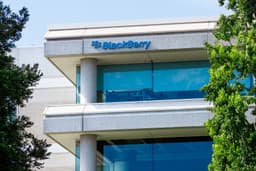
BlackBerry Shares Drop for Seven Consecutive Sessions

- Stock Decline: BlackBerry (BB) shares fell 3.9% on Tuesday to $3.42, marking seven consecutive days of losses, which reflects market concerns about its future performance, with an overall year-to-date decline nearing 10%.
- Market Performance Comparison: In stark contrast to the S&P 500 Index's 2% rise year-to-date, BlackBerry's performance highlights increasing competitive pressures in the intelligent security software and services sector.
- Analyst Rating Divergence: While Seeking Alpha's Quant rating system assigned a D+ for profitability prospects, it awarded an A for growth factors, indicating analysts' optimism about future growth potential; however, there is a divergence in market ratings, with six analysts recommending a hold and one analyst issuing a strong sell.
- Financial Outlook Adjustment: BlackBerry raised its fiscal 2026 revenue guidance to $541 million, indicating improved growth and cash generation capabilities in the QNX sector, suggesting that despite short-term stock performance issues, long-term growth potential remains a focal point.
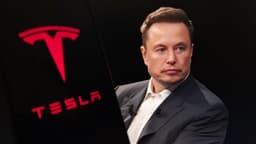
Tesla Inc. Investors Demand Positive Earnings Revisions Amid Valuation Concerns

- Earnings Shift: Investor Gary Black highlighted that Tesla shareholders are eager to see positive earnings revisions for 2026 and 2030, as current estimates for Robotaxi and Optimus are negative, potentially putting pressure on the stock price.
- Valuation Challenges: Black noted that Tesla's P/E ratio has surged from 60x in January 2024 to 196x today, and while future growth potential remains strong, such a high valuation complicates earnings calculations, reflecting market concerns about its future performance.
- Competitive Risks: He warned that automakers not investing in autonomous vehicles risk facing a 'BlackBerry moment,' meaning they could fall behind in competition, while Tesla's leadership in autonomy may be challenged.
- Partnership Dynamics: Tesla's collaboration with Lemonade to offer a 50% discount on FSD driving, despite criticism, demonstrates Tesla's safety advantages, potentially attracting more consumers, although the market remains cautious about its long-term profitability.

Nebius, Symbotic, and Strategy: Three Stocks Poised for Millionaire Gains


- Successful Transformation of Nebius: Once a Russian search engine, Nebius has successfully pivoted to a cloud-based AI infrastructure provider, with projected revenue CAGR of 274% from 2025 to 2027 and positive EBITDA expected in 2026, indicating strong market potential.
- Symbotic's Automation Edge: Symbotic provides fully autonomous warehouse robots to Walmart, with a single module investment of $50 million potentially saving $250 million over 25 years, and expected revenue and adjusted EBITDA CAGR of 26% and 68% from 2025 to 2027, showcasing robust profitability.
- Strategy's Bitcoin Holdings: Strategy holds 709,715 Bitcoins valued at $62.8 billion, significantly exceeding its enterprise value of $60.3 billion, highlighting its immense potential in Bitcoin investment, with plans to further increase holdings through its $21 billion equity and fixed-income offerings.
- Optimistic Market Outlook: With the rapid growth of AI and automation markets, Nebius, Symbotic, and Strategy all possess unique business models and reasonable valuations, potentially delivering substantial returns for investors over the next decade.

Tesla's AI4 Chip Achieves Unsupervised Driving, Musk Confirms No Upgrades Needed

- Autonomous Driving Capability: Tesla CEO Elon Musk confirmed that vehicles equipped with the AI4 chip will achieve unsupervised driving without hardware upgrades, marking a significant breakthrough in Tesla's autonomous driving technology that could further solidify its market leadership.
- Safety Enhancements: Musk stated that the AI4 chip will reach self-driving safety levels “far above human,” indicating a substantial increase in future Tesla vehicle safety, which is likely to boost consumer confidence and drive sales growth.
- Future Technology Plans: Musk revealed that the AI5 chip is progressing well and plans to revive the Dojo3 project, demonstrating Tesla's ongoing investment in chip development and artificial intelligence, aimed at maintaining a technological edge and enhancing overall competitiveness.
- Industry Warning: Investor Gary Black warned that automakers not investing in autonomous driving technology risk facing a “BlackBerry moment,” emphasizing Tesla's foresight in technological innovation, which may position it advantageously during industry transitions.
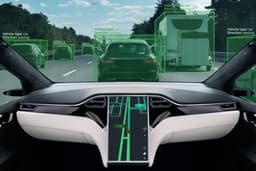
Investor Gary Black Warns Automakers Face BlackBerry Moment
- Investment in Autonomy: Gary Black, managing director of the Future Fund, warns that automakers not investing in autonomous driving technology risk facing a 'BlackBerry moment,' which could lead to their obsolescence and loss of competitive edge.
- Tesla's Challenges: Black highlights that Tesla's Full Self-Driving (FSD) adoption rate is only 15%, indicating a lack of consumer awareness regarding its technical superiority, which may hinder its market share growth.
- FSD Subscription Model: Tesla plans to offer FSD as a subscription service at $99 per month after Valentine's Day, aiming to boost adoption rates and meet the targets outlined in Musk's $1 trillion pay package.
- Market Reaction: Tesla's stock slipped 0.24% to $437.50 at market close on January 16, reflecting cautious market sentiment regarding its future growth potential amid increasing competition.

BlackBerry Options Analysis: Put Contract Yield Boost at 10.29%
- Put Contract Yield: Selling a put contract at a $3.50 strike price allows investors to collect a premium of 36 cents, lowering the cost basis to $3.14, which represents an 11% discount to the current stock price of $3.92, making it attractive for those interested in BB shares.
- Put Contract Risk: Current data indicates a 70% chance that the put contract will expire worthless, which would yield a 10.29% return on cash commitment, or 15.26% annualized, highlighting the potential appeal of this strategy.
- Call Contract Returns: Selling a call contract at a $4.50 strike price could provide a total return of 26.28% based on the current stock price of $3.92, indicating significant upside potential if the stock is called away at expiration.
- Market Volatility Analysis: The implied volatility for the put contract is 80%, while for the call contract it is 64%, contrasting with the actual trailing volatility of 53%, suggesting differing market expectations regarding BB's future price fluctuations, necessitating careful risk assessment by investors.
BlackBerry Shares Drop for Seven Consecutive Sessions
- Stock Decline: BlackBerry (BB) shares fell 3.9% on Tuesday to $3.42, marking seven consecutive days of losses, which reflects market concerns about its future performance, with an overall year-to-date decline nearing 10%.
- Market Performance Comparison: In stark contrast to the S&P 500 Index's 2% rise year-to-date, BlackBerry's performance highlights increasing competitive pressures in the intelligent security software and services sector.
- Analyst Rating Divergence: While Seeking Alpha's Quant rating system assigned a D+ for profitability prospects, it awarded an A for growth factors, indicating analysts' optimism about future growth potential; however, there is a divergence in market ratings, with six analysts recommending a hold and one analyst issuing a strong sell.
- Financial Outlook Adjustment: BlackBerry raised its fiscal 2026 revenue guidance to $541 million, indicating improved growth and cash generation capabilities in the QNX sector, suggesting that despite short-term stock performance issues, long-term growth potential remains a focal point.
Tesla Inc. Investors Demand Positive Earnings Revisions Amid Valuation Concerns
- Earnings Shift: Investor Gary Black highlighted that Tesla shareholders are eager to see positive earnings revisions for 2026 and 2030, as current estimates for Robotaxi and Optimus are negative, potentially putting pressure on the stock price.
- Valuation Challenges: Black noted that Tesla's P/E ratio has surged from 60x in January 2024 to 196x today, and while future growth potential remains strong, such a high valuation complicates earnings calculations, reflecting market concerns about its future performance.
- Competitive Risks: He warned that automakers not investing in autonomous vehicles risk facing a 'BlackBerry moment,' meaning they could fall behind in competition, while Tesla's leadership in autonomy may be challenged.
- Partnership Dynamics: Tesla's collaboration with Lemonade to offer a 50% discount on FSD driving, despite criticism, demonstrates Tesla's safety advantages, potentially attracting more consumers, although the market remains cautious about its long-term profitability.
Nebius, Symbotic, and Strategy: Three Stocks Poised for Millionaire Gains
- Successful Transformation of Nebius: Once a Russian search engine, Nebius has successfully pivoted to a cloud-based AI infrastructure provider, with projected revenue CAGR of 274% from 2025 to 2027 and positive EBITDA expected in 2026, indicating strong market potential.
- Symbotic's Automation Edge: Symbotic provides fully autonomous warehouse robots to Walmart, with a single module investment of $50 million potentially saving $250 million over 25 years, and expected revenue and adjusted EBITDA CAGR of 26% and 68% from 2025 to 2027, showcasing robust profitability.
- Strategy's Bitcoin Holdings: Strategy holds 709,715 Bitcoins valued at $62.8 billion, significantly exceeding its enterprise value of $60.3 billion, highlighting its immense potential in Bitcoin investment, with plans to further increase holdings through its $21 billion equity and fixed-income offerings.
- Optimistic Market Outlook: With the rapid growth of AI and automation markets, Nebius, Symbotic, and Strategy all possess unique business models and reasonable valuations, potentially delivering substantial returns for investors over the next decade.
Tesla's AI4 Chip Achieves Unsupervised Driving, Musk Confirms No Upgrades Needed
- Autonomous Driving Capability: Tesla CEO Elon Musk confirmed that vehicles equipped with the AI4 chip will achieve unsupervised driving without hardware upgrades, marking a significant breakthrough in Tesla's autonomous driving technology that could further solidify its market leadership.
- Safety Enhancements: Musk stated that the AI4 chip will reach self-driving safety levels “far above human,” indicating a substantial increase in future Tesla vehicle safety, which is likely to boost consumer confidence and drive sales growth.
- Future Technology Plans: Musk revealed that the AI5 chip is progressing well and plans to revive the Dojo3 project, demonstrating Tesla's ongoing investment in chip development and artificial intelligence, aimed at maintaining a technological edge and enhancing overall competitiveness.
- Industry Warning: Investor Gary Black warned that automakers not investing in autonomous driving technology risk facing a “BlackBerry moment,” emphasizing Tesla's foresight in technological innovation, which may position it advantageously during industry transitions.
Investor Gary Black Warns Automakers Face BlackBerry Moment
- Investment in Autonomy: Gary Black, managing director of the Future Fund, warns that automakers not investing in autonomous driving technology risk facing a 'BlackBerry moment,' which could lead to their obsolescence and loss of competitive edge.
- Tesla's Challenges: Black highlights that Tesla's Full Self-Driving (FSD) adoption rate is only 15%, indicating a lack of consumer awareness regarding its technical superiority, which may hinder its market share growth.
- FSD Subscription Model: Tesla plans to offer FSD as a subscription service at $99 per month after Valentine's Day, aiming to boost adoption rates and meet the targets outlined in Musk's $1 trillion pay package.
- Market Reaction: Tesla's stock slipped 0.24% to $437.50 at market close on January 16, reflecting cautious market sentiment regarding its future growth potential amid increasing competition.
BlackBerry Options Analysis: Put Contract Yield Boost at 10.29%
- Put Contract Yield: Selling a put contract at a $3.50 strike price allows investors to collect a premium of 36 cents, lowering the cost basis to $3.14, which represents an 11% discount to the current stock price of $3.92, making it attractive for those interested in BB shares.
- Put Contract Risk: Current data indicates a 70% chance that the put contract will expire worthless, which would yield a 10.29% return on cash commitment, or 15.26% annualized, highlighting the potential appeal of this strategy.
- Call Contract Returns: Selling a call contract at a $4.50 strike price could provide a total return of 26.28% based on the current stock price of $3.92, indicating significant upside potential if the stock is called away at expiration.
- Market Volatility Analysis: The implied volatility for the put contract is 80%, while for the call contract it is 64%, contrasting with the actual trailing volatility of 53%, suggesting differing market expectations regarding BB's future price fluctuations, necessitating careful risk assessment by investors.