Biogen Q4 Earnings Beat Expectations
Written by Emily J. Thompson, Senior Investment Analyst
Updated: Feb 06 2026
0mins
Should l Buy BIIB?
Source: seekingalpha
- Earnings Performance: Biogen reported a Q4 Non-GAAP EPS of $1.99, exceeding expectations by $0.36, indicating strong profitability despite revenue challenges.
- Revenue Decline: The company’s Q4 revenue of $2.28 billion represents a 7.3% year-over-year decline, yet it surpassed expectations by $80 million, showcasing resilience amid market pressures.
- 2026 Financial Guidance: Biogen anticipates a Non-GAAP diluted EPS for 2026 between $15.25 and $16.25, exceeding the consensus estimate of $14.95, reflecting confidence in future profitability.
- Revenue Outlook Adjustment: Although total revenue for 2026 is expected to decline by a mid-single digit percentage compared to 2025, this outlook is more conservative than the estimated -5.11% growth, indicating prudent financial management.
Trade with 70% Backtested Accuracy
Stop guessing "Should I Buy BIIB?" and start using high-conviction signals backed by rigorous historical data.
Sign up today to access powerful investing tools and make smarter, data-driven decisions.
Analyst Views on BIIB
Wall Street analysts forecast BIIB stock price to rise
26 Analyst Rating
11 Buy
14 Hold
1 Sell
Moderate Buy
Current: 183.780

Low
143.00
Averages
204.45
High
246.00
Current: 183.780
Low
143.00
Averages
204.45
High
246.00
About BIIB
Biogen Inc. is a global biopharmaceutical company. The Company is focused on discovering, developing, and delivering advanced therapies for people living with serious and complex diseases worldwide. It operates a portfolio of medicines to treat multiple sclerosis (MS), spinal muscular atrophy (SMA), Alzheimer's disease, and amyotrophic lateral sclerosis (ALS). It is focused on advancing its pipeline in neurology, specialized immunology, and rare diseases. Its marketed products include TECFIDERA, VUMERITY, AVONEX, PLEGRIDY, TYSABRI and FAMPYRA for the treatment of MS; SPINRAZA for the treatment of SMA; SKYCLARYS for the treatment of Friedreich's Ataxia; QALSODY for the treatment of ALS, and FUMADERM for the treatment of severe plaque psoriasis. It also collaborations with Eisai on the commercialization of LEQEMBI for the treatment of Alzheimer's disease and Sage on the commercialization of ZURZUVAE for the treatment of Postpartum Depression (PPD).
About the author

Emily J. Thompson
Emily J. Thompson, a Chartered Financial Analyst (CFA) with 12 years in investment research, graduated with honors from the Wharton School. Specializing in industrial and technology stocks, she provides in-depth analysis for Intellectia’s earnings and market brief reports.
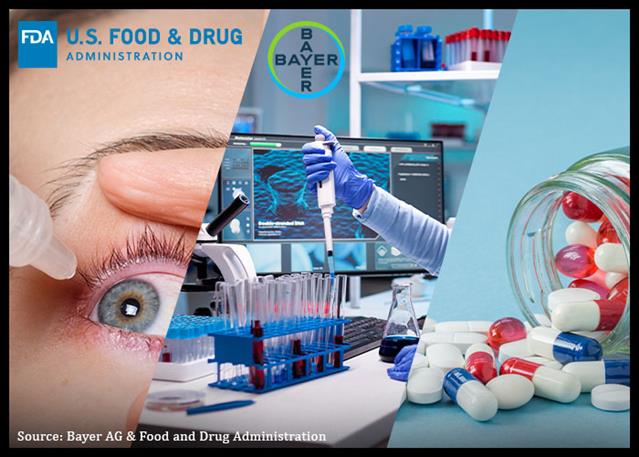
Biotech Landscape Update: Regulatory Approvals and Acquisitions

- ARS Pharma Expands Neffy Label: ARS Pharmaceuticals received FDA approval to update the Neffy 1mg label, removing age restrictions for individuals weighing over 33 lbs, which is expected to significantly boost market demand and enhance the company's competitive edge in allergy treatment.
- Novo Nordisk Wins Approval for Awiqli: Novo Nordisk's Awiqli (insulin icodec-abae) received FDA approval as the first once-weekly basal insulin, with a U.S. launch planned for 2H 2026, strengthening the company's leadership in diabetes care.
- Biogen Acquires Apellis: Biogen has agreed to acquire Apellis for $41 per share, valuing the deal at approximately $5.6 billion, which is expected to enhance its market share in immunology and rare diseases while driving future revenue growth.
- Takeda's Zasocitinib Clinical Trial Success: Takeda's Zasocitinib showed that about 70% of patients achieved significant skin clearance in Phase 3 trials, with plans to submit a New Drug Application in 2026, further solidifying its position in the dermatology market.
See More

Biogen's $5.6 Billion Acquisition of Apellis Pharmaceuticals Fails to Boost Stock Price

- Acquisition Overview: Biogen announced its agreement to acquire Apellis Pharmaceuticals for $41 per share in cash, totaling approximately $5.6 billion; however, despite a nearly 3% rise in the broader market, Biogen's stock fell over 2%, indicating investor skepticism about the deal.
- Drug Portfolio Insight: Apellis has two FDA-approved treatments, including Syfovre for age-related macular degeneration (AMD) and Empaveli for rare diseases, and Biogen's acquisition aims to enhance its portfolio in immunology and rare diseases, which are critical growth areas.
- Market Reaction Analysis: Although Biogen's CEO stated that the acquisition would bolster the company's growth potential, investor sentiment appears cautious, leading to a decline in stock price even as the market rallied, reflecting doubts about the deal's immediate value.
- Strategic Transformation: Biogen is transitioning from its previous focus on multiple sclerosis to emerging therapeutic areas like Alzheimer's and postpartum depression, and this acquisition underscores its commitment to future growth, despite the negative short-term market reaction.
See More

Biogen to Acquire Apellis Pharmaceuticals for $5.6 Billion
- Acquisition Overview: Biogen has announced its agreement to acquire Apellis Pharmaceuticals for $41 per share in cash, totaling approximately $5.6 billion, which will enhance Biogen's portfolio in immunology and rare diseases.
- Market Potential of Drugs: Apellis currently has two FDA-approved treatments on the U.S. market, Syfovre for age-related macular degeneration (AMD) and Empaveli for rare blood diseases, making these successful drugs the primary drivers behind the acquisition.
- Market Reaction Analysis: Despite the acquisition news, Biogen's stock price fell over 2% during the trading session, indicating that investors are cautious about the prospects of the deal, possibly concerned about balancing the high cost of acquisition with future returns.
- Strategic Transformation Context: This acquisition signifies Biogen's shift from its previous focus on the multiple sclerosis market to emerging therapeutic areas such as Alzheimer's and postpartum depression, demonstrating the company's strong commitment to future growth.
See More
US Stocks Surge on Hopes for End to Iran War


- Market Rally: The S&P 500 index rose by 2.91%, the Dow Jones Industrial Average by 2.49%, and the Nasdaq 100 by 3.43%, reflecting market optimism regarding the potential end of the Iran war, which could lower energy prices and ease inflation concerns.
- Consumer Confidence Boost: The US March consumer confidence index unexpectedly increased by 0.8 to 91.8, surpassing the anticipated decline to 87.9, indicating a strengthening consumer outlook that may drive spending and economic growth.
- Strength in China: China's March manufacturing PMI rose to 50.4, better than the expected 50.1, signaling signs of economic recovery that could positively impact global growth prospects and further support US stock performance.
- Falling Bond Yields: The 10-year Treasury note yield dropped to 4.28%, a one-week low, reflecting reduced inflation worries, which may provide support for the stock market and enhance investor interest in equities.
See More

Health Care Stocks Rise 2% Boosting Market


- Strong Performance in Health Care: Late Tuesday afternoon, the NYSE Health Care Index rose by 2%, indicating a rebound in investor confidence towards the health sector, likely driven by an overall improvement in market sentiment.
- Signs of Market Recovery: The rise in health care stocks reflects optimistic expectations for economic recovery, particularly post-pandemic, as demand for health services continues to grow, potentially boosting the performance of related companies.
- Increased Investor Attention: With the improved performance of the health care sector, investors may reassess their portfolios and increase allocations to health stocks, thereby driving further growth and stability in the industry.
- Optimistic Industry Outlook: The strong performance in the health sector could attract more capital inflows, especially in the fields of innovative drugs and medical technologies, which are expected to provide momentum for future growth.
See More
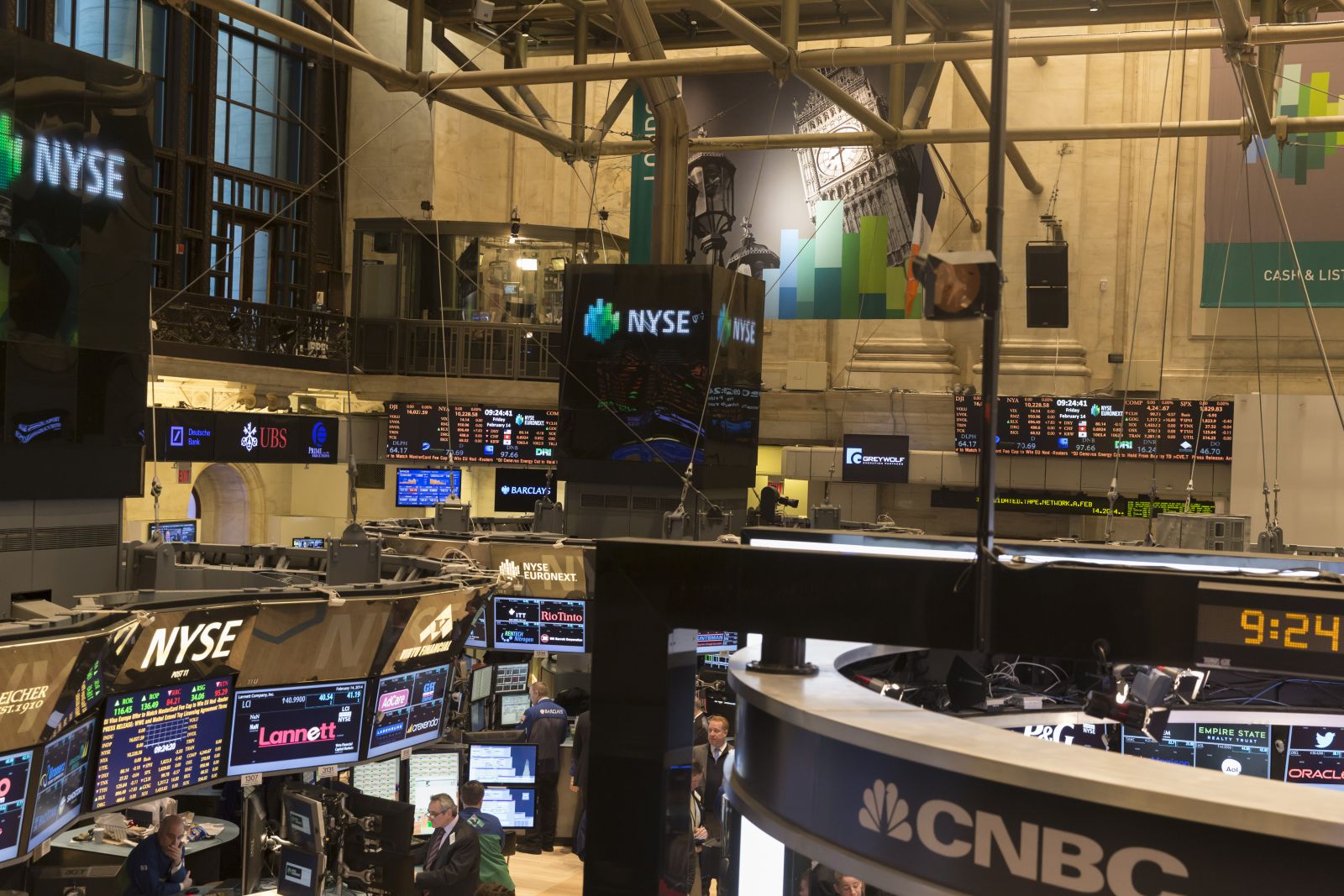
US Stocks Surge as Market Sentiment Improves

- Market Sentiment Improves: The S&P 500 index rose by 1.02%, the Dow Jones Industrial Average increased by 0.67%, and the Nasdaq 100 surged by 1.10% as President Trump signaled a willingness to end military actions against Iran, reflecting investor optimism over easing geopolitical risks.
- Falling Bond Yields: The 10-year Treasury note yield dropped to a one-week low of 4.30%, indicating market expectations that an end to the Iran conflict could lower energy prices and alleviate inflation concerns, further supporting stock market gains.
- Consumer Confidence Rises: The US March consumer confidence index unexpectedly increased by 0.8 to 91.8, surpassing expectations of a decline to 87.9, suggesting enhanced consumer confidence in economic prospects, which could drive spending and economic growth.
- Strong Chinese Economy: China's March manufacturing PMI rose to 50.4, exceeding expectations of 50.1, indicating signs of economic recovery that support global growth prospects and positively influence market performance.
See More
Biotech Landscape Update: Regulatory Approvals and Acquisitions
- ARS Pharma Expands Neffy Label: ARS Pharmaceuticals received FDA approval to update the Neffy 1mg label, removing age restrictions for individuals weighing over 33 lbs, which is expected to significantly boost market demand and enhance the company's competitive edge in allergy treatment.
- Novo Nordisk Wins Approval for Awiqli: Novo Nordisk's Awiqli (insulin icodec-abae) received FDA approval as the first once-weekly basal insulin, with a U.S. launch planned for 2H 2026, strengthening the company's leadership in diabetes care.
- Biogen Acquires Apellis: Biogen has agreed to acquire Apellis for $41 per share, valuing the deal at approximately $5.6 billion, which is expected to enhance its market share in immunology and rare diseases while driving future revenue growth.
- Takeda's Zasocitinib Clinical Trial Success: Takeda's Zasocitinib showed that about 70% of patients achieved significant skin clearance in Phase 3 trials, with plans to submit a New Drug Application in 2026, further solidifying its position in the dermatology market.
See More
Biogen's $5.6 Billion Acquisition of Apellis Pharmaceuticals Fails to Boost Stock Price
- Acquisition Overview: Biogen announced its agreement to acquire Apellis Pharmaceuticals for $41 per share in cash, totaling approximately $5.6 billion; however, despite a nearly 3% rise in the broader market, Biogen's stock fell over 2%, indicating investor skepticism about the deal.
- Drug Portfolio Insight: Apellis has two FDA-approved treatments, including Syfovre for age-related macular degeneration (AMD) and Empaveli for rare diseases, and Biogen's acquisition aims to enhance its portfolio in immunology and rare diseases, which are critical growth areas.
- Market Reaction Analysis: Although Biogen's CEO stated that the acquisition would bolster the company's growth potential, investor sentiment appears cautious, leading to a decline in stock price even as the market rallied, reflecting doubts about the deal's immediate value.
- Strategic Transformation: Biogen is transitioning from its previous focus on multiple sclerosis to emerging therapeutic areas like Alzheimer's and postpartum depression, and this acquisition underscores its commitment to future growth, despite the negative short-term market reaction.
See More
Biogen to Acquire Apellis Pharmaceuticals for $5.6 Billion
- Acquisition Overview: Biogen has announced its agreement to acquire Apellis Pharmaceuticals for $41 per share in cash, totaling approximately $5.6 billion, which will enhance Biogen's portfolio in immunology and rare diseases.
- Market Potential of Drugs: Apellis currently has two FDA-approved treatments on the U.S. market, Syfovre for age-related macular degeneration (AMD) and Empaveli for rare blood diseases, making these successful drugs the primary drivers behind the acquisition.
- Market Reaction Analysis: Despite the acquisition news, Biogen's stock price fell over 2% during the trading session, indicating that investors are cautious about the prospects of the deal, possibly concerned about balancing the high cost of acquisition with future returns.
- Strategic Transformation Context: This acquisition signifies Biogen's shift from its previous focus on the multiple sclerosis market to emerging therapeutic areas such as Alzheimer's and postpartum depression, demonstrating the company's strong commitment to future growth.
See More
US Stocks Surge on Hopes for End to Iran War
- Market Rally: The S&P 500 index rose by 2.91%, the Dow Jones Industrial Average by 2.49%, and the Nasdaq 100 by 3.43%, reflecting market optimism regarding the potential end of the Iran war, which could lower energy prices and ease inflation concerns.
- Consumer Confidence Boost: The US March consumer confidence index unexpectedly increased by 0.8 to 91.8, surpassing the anticipated decline to 87.9, indicating a strengthening consumer outlook that may drive spending and economic growth.
- Strength in China: China's March manufacturing PMI rose to 50.4, better than the expected 50.1, signaling signs of economic recovery that could positively impact global growth prospects and further support US stock performance.
- Falling Bond Yields: The 10-year Treasury note yield dropped to 4.28%, a one-week low, reflecting reduced inflation worries, which may provide support for the stock market and enhance investor interest in equities.
See More
Health Care Stocks Rise 2% Boosting Market
- Strong Performance in Health Care: Late Tuesday afternoon, the NYSE Health Care Index rose by 2%, indicating a rebound in investor confidence towards the health sector, likely driven by an overall improvement in market sentiment.
- Signs of Market Recovery: The rise in health care stocks reflects optimistic expectations for economic recovery, particularly post-pandemic, as demand for health services continues to grow, potentially boosting the performance of related companies.
- Increased Investor Attention: With the improved performance of the health care sector, investors may reassess their portfolios and increase allocations to health stocks, thereby driving further growth and stability in the industry.
- Optimistic Industry Outlook: The strong performance in the health sector could attract more capital inflows, especially in the fields of innovative drugs and medical technologies, which are expected to provide momentum for future growth.
See More
US Stocks Surge as Market Sentiment Improves
- Market Sentiment Improves: The S&P 500 index rose by 1.02%, the Dow Jones Industrial Average increased by 0.67%, and the Nasdaq 100 surged by 1.10% as President Trump signaled a willingness to end military actions against Iran, reflecting investor optimism over easing geopolitical risks.
- Falling Bond Yields: The 10-year Treasury note yield dropped to a one-week low of 4.30%, indicating market expectations that an end to the Iran conflict could lower energy prices and alleviate inflation concerns, further supporting stock market gains.
- Consumer Confidence Rises: The US March consumer confidence index unexpectedly increased by 0.8 to 91.8, surpassing expectations of a decline to 87.9, suggesting enhanced consumer confidence in economic prospects, which could drive spending and economic growth.
- Strong Chinese Economy: China's March manufacturing PMI rose to 50.4, exceeding expectations of 50.1, indicating signs of economic recovery that support global growth prospects and positively influence market performance.
See More