Asia stocks mixed amid Trump’s fluctuating tariff decisions By Investing.com
Written by Emily J. Thompson, Senior Investment Analyst
Updated: Mar 12 2025
0mins


Should l Buy NVDA?
Source: Investing.com
Market Reactions to U.S. Tariff Changes: Asian stocks showed mixed results as uncertainty over U.S. President Trump's trade policies led to losses in Australia and Malaysia, while South Korean shares gained due to a rebound in tech stocks following a volatile day in U.S. markets.
Impact of Tariff Announcements: Trump's announcement and subsequent retraction of increased tariffs on Canadian steel and aluminum heightened global market volatility, causing investors to reassess risks associated with international trade, particularly affecting sensitive Asian markets.
Trade with 70% Backtested Accuracy
Stop guessing "Should I Buy NVDA?" and start using high-conviction signals backed by rigorous historical data.
Sign up today to access powerful investing tools and make smarter, data-driven decisions.
Analyst Views on NVDA
Wall Street analysts forecast NVDA stock price to rise
41 Analyst Rating
39 Buy
1 Hold
1 Sell
Strong Buy
Current: 175.750

Low
200.00
Averages
264.97
High
352.00
Current: 175.750
Low
200.00
Averages
264.97
High
352.00
About NVDA
NVIDIA Corporation is an artificial intelligence (AI) infrastructure company. The Company is engaged in accelerated computing to help solve the challenging computational problems. Its segments include Compute & Networking and Graphics. The Compute & Networking segment includes its Data Center accelerated computing and networking platforms and AI solutions and software, and automotive platforms and autonomous and electric vehicle solutions, including software. The Graphics segment includes GeForce GPUs for gaming and personal computers (PCs), and Quadro/NVIDIA RTX GPUs for enterprise workstation graphics. Its technology stack includes the foundational NVIDIA CUDA development platform that runs on all NVIDIA GPUs, as well as hundreds of domain-specific software libraries, frameworks, algorithms, software development kits (SDKs), and application programming interfaces (APIs). Its platforms address four markets, which include Data Center, Gaming, Professional Visualization, and Automotive.
About the author

Emily J. Thompson
Emily J. Thompson, a Chartered Financial Analyst (CFA) with 12 years in investment research, graduated with honors from the Wharton School. Specializing in industrial and technology stocks, she provides in-depth analysis for Intellectia’s earnings and market brief reports.
Nvidia's Earnings Report Shows Strong Growth

- Significant Revenue Growth: Nvidia's revenue in Q4 of fiscal 2026 surged 73% year-over-year to $68.1 billion, primarily driven by its data center segment, which generated $62.3 billion in revenue, up 75% year-over-year.
- Profitability Improvement: The company reported non-GAAP earnings per share of $1.62, an 82% increase year-over-year, while maintaining an impressive adjusted gross margin of 75.2%, showcasing its strong pricing power and production scale within its hardware ecosystem.
- Optimistic Future Outlook: Management anticipates first-quarter revenue for fiscal 2027 to be approximately $78 billion, indicating that the company's growth in the AI sector is still in its early stages, with the data center business expanding nearly 13 times since fiscal 2023.
- Valuation Outlook Analysis: Despite a current price-to-earnings ratio of about 36, the forward P/E ratio is expected to drop to 21 over the next four quarters, and if the company meets Wall Street's earnings expectations, the stock price could appreciate by 12% over the next year, reaching around $197.
See More

Nvidia Reopens Key AI Market in China Amid Risks
- Market Reopening: Nvidia has reopened its operations in China, one of the world's most crucial AI markets, presenting potential for revenue growth despite existing policy risks that complicate the narrative.
- Policy Risks: While the opportunities in the Chinese market are significant, uncertainties surrounding government regulations and market access could impact Nvidia's long-term strategic positioning in the region.
- Investment Opportunities: Analysts suggest that despite the high costs associated with re-entering the market, Nvidia could leverage technological innovation and adaptability to capture growth opportunities in China, enhancing its global competitiveness.
- Future Outlook: As demand for AI technology continues to rise in China, Nvidia's market strategy will need to be agile to navigate the complex policy landscape and maximize returns on its investments in the region.
See More

Nvidia's Q2 Outlook: Restarting China Sales and Expanding AI Partnerships

- China Market Restart: Nvidia's revenue from China dropped to zero due to U.S. export controls in 2022, but recent approval to export H200 chips is expected to lead to recorded sales in Q2, significantly boosting overall company growth.
- Accelerated AI Partnerships: Nvidia's agreement with Nokia and investment in the telecom giant aims to develop AI for 6G, while collaboration with Marvell Technology integrates their tech into Nvidia's ecosystem, solidifying its leadership in the AI sector.
- Stock Price Potential: Trading at only 21x forward earnings estimates, with analysts predicting a 77% revenue surge this quarter, Nvidia is attracting both growth and value investors, likely driving the stock price higher.
- Market Sentiment Shift: Despite a 6% decline in Q1, ongoing AI spending and market demand may restore investor confidence in Nvidia, with expectations for a significant rebound in stock price during Q2.
See More

Nvidia Stock Fluctuations Amid AI Outlook
- Stock Volatility: Nvidia's stock has surged over 500% in the past three years, yet recently declined about 6% due to concerns over AI spending and the economic environment, indicating a shift in market sentiment that could impact investor confidence.
- China Market Recovery: The U.S. has permitted Nvidia to export its H200 chips to China, with revenue expected to be recorded in the second quarter; previously, China accounted for 13% of Nvidia's total revenue, making this a significant growth driver.
- AI Partnership Expansion: Nvidia has signed an agreement with Nokia and invested in the telecom giant to develop AI technology for the transition from 5G to 6G, while also partnering with Marvell Technology to enhance flexibility within its AI ecosystem, solidifying its leadership in the AI sector.
- Future Growth Expectations: Analysts predict Nvidia's revenue will soar by approximately 77% this quarter, with the stock trading at only 21 times forward earnings estimates, attracting both growth and value investors, potentially leading to a stock rebound in the second quarter.
See More

Muddy Waters Accuses SoFi of Financial Shenanigans

- Short-Selling Allegations: Short-seller Muddy Waters recently accused SoFi Technologies of engaging in financial shenanigans by inflating fair value gains in its portfolios, a claim that could undermine investor trust and lead to further stock price declines.
- Stock Price Volatility: SoFi's stock has dropped nearly 51% from recent highs, partly due to concerns raised by Muddy Waters, reflecting investor apprehension about the company's financial health and potentially impacting its future fundraising capabilities.
- Market Performance: Despite SoFi averaging annual gains of 38% over the past three years, the current negative news may affect its market position among younger consumers, especially as it aims to transform into a one-stop financial services platform.
- Management Confidence: In spite of the allegations, SoFi CEO Anthony Noto recently purchased shares, indicating confidence in the company's future; however, investors should exercise caution and wait for more information to assess the risks before making decisions.
See More
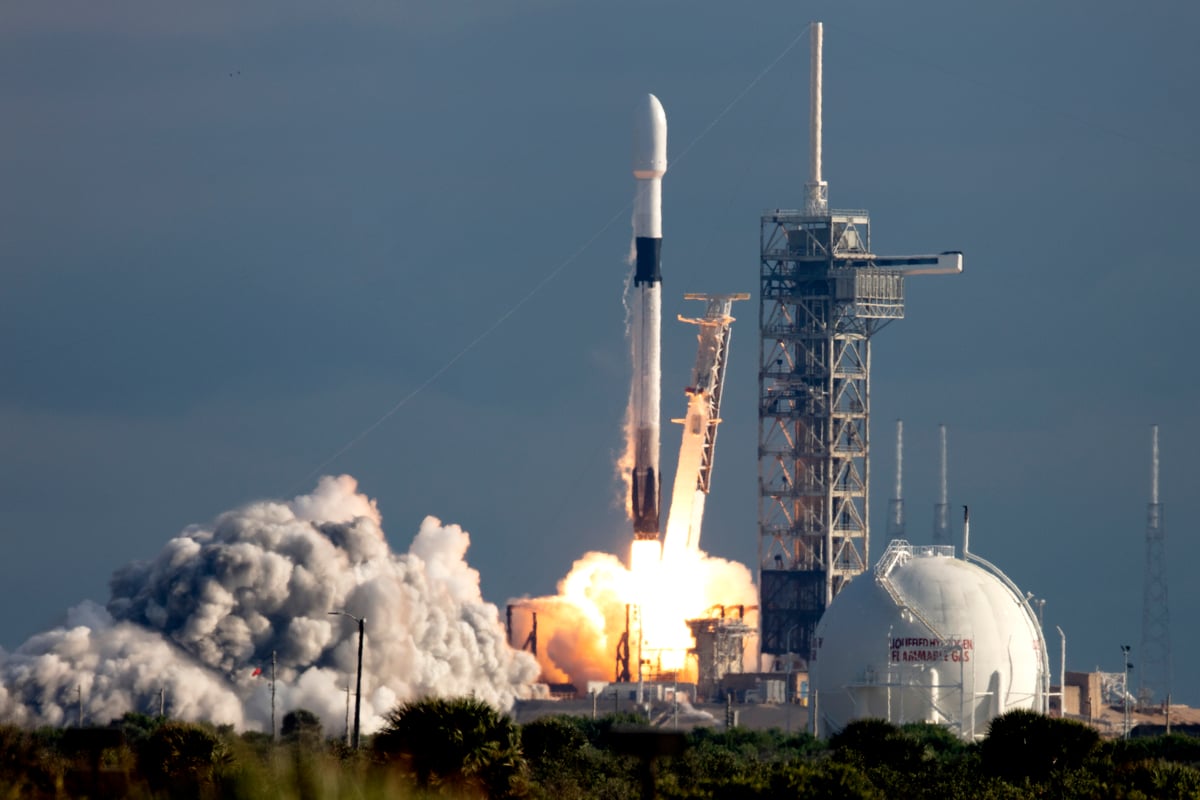
SpaceX Targets $1.75 Trillion Valuation for Historic IPO

- Massive IPO Potential: SpaceX is targeting a valuation of up to $1.75 trillion for its IPO, which, if successful, would surpass Saudi Aramco's record $1.7 trillion debut in 2019, highlighting its strong appeal in the capital markets.
- Significant Launch Advantages: By utilizing reusable Falcon rockets, SpaceX has drastically reduced the cost of reaching orbit, creating operational efficiencies that not only attract more contract demand but also fund innovation, establishing a virtuous cycle.
- Starlink Revenue Growth: Starlink serves as SpaceX's primary revenue driver, providing high-speed internet access, particularly in underdeveloped regions, through a predictable high-margin subscription model that helps offset R&D and infrastructure costs.
- Investment Risks to Consider: While SpaceX's prospects are enticing, it faces regulatory scrutiny and the potential for execution and governance risks due to founder Elon Musk's divided attention across multiple ventures, necessitating careful evaluation of its future profitability viability.
See More
Nvidia's Earnings Report Shows Strong Growth
- Significant Revenue Growth: Nvidia's revenue in Q4 of fiscal 2026 surged 73% year-over-year to $68.1 billion, primarily driven by its data center segment, which generated $62.3 billion in revenue, up 75% year-over-year.
- Profitability Improvement: The company reported non-GAAP earnings per share of $1.62, an 82% increase year-over-year, while maintaining an impressive adjusted gross margin of 75.2%, showcasing its strong pricing power and production scale within its hardware ecosystem.
- Optimistic Future Outlook: Management anticipates first-quarter revenue for fiscal 2027 to be approximately $78 billion, indicating that the company's growth in the AI sector is still in its early stages, with the data center business expanding nearly 13 times since fiscal 2023.
- Valuation Outlook Analysis: Despite a current price-to-earnings ratio of about 36, the forward P/E ratio is expected to drop to 21 over the next four quarters, and if the company meets Wall Street's earnings expectations, the stock price could appreciate by 12% over the next year, reaching around $197.
See More
Nvidia Reopens Key AI Market in China Amid Risks
- Market Reopening: Nvidia has reopened its operations in China, one of the world's most crucial AI markets, presenting potential for revenue growth despite existing policy risks that complicate the narrative.
- Policy Risks: While the opportunities in the Chinese market are significant, uncertainties surrounding government regulations and market access could impact Nvidia's long-term strategic positioning in the region.
- Investment Opportunities: Analysts suggest that despite the high costs associated with re-entering the market, Nvidia could leverage technological innovation and adaptability to capture growth opportunities in China, enhancing its global competitiveness.
- Future Outlook: As demand for AI technology continues to rise in China, Nvidia's market strategy will need to be agile to navigate the complex policy landscape and maximize returns on its investments in the region.
See More
Nvidia's Q2 Outlook: Restarting China Sales and Expanding AI Partnerships
- China Market Restart: Nvidia's revenue from China dropped to zero due to U.S. export controls in 2022, but recent approval to export H200 chips is expected to lead to recorded sales in Q2, significantly boosting overall company growth.
- Accelerated AI Partnerships: Nvidia's agreement with Nokia and investment in the telecom giant aims to develop AI for 6G, while collaboration with Marvell Technology integrates their tech into Nvidia's ecosystem, solidifying its leadership in the AI sector.
- Stock Price Potential: Trading at only 21x forward earnings estimates, with analysts predicting a 77% revenue surge this quarter, Nvidia is attracting both growth and value investors, likely driving the stock price higher.
- Market Sentiment Shift: Despite a 6% decline in Q1, ongoing AI spending and market demand may restore investor confidence in Nvidia, with expectations for a significant rebound in stock price during Q2.
See More
Nvidia Stock Fluctuations Amid AI Outlook
- Stock Volatility: Nvidia's stock has surged over 500% in the past three years, yet recently declined about 6% due to concerns over AI spending and the economic environment, indicating a shift in market sentiment that could impact investor confidence.
- China Market Recovery: The U.S. has permitted Nvidia to export its H200 chips to China, with revenue expected to be recorded in the second quarter; previously, China accounted for 13% of Nvidia's total revenue, making this a significant growth driver.
- AI Partnership Expansion: Nvidia has signed an agreement with Nokia and invested in the telecom giant to develop AI technology for the transition from 5G to 6G, while also partnering with Marvell Technology to enhance flexibility within its AI ecosystem, solidifying its leadership in the AI sector.
- Future Growth Expectations: Analysts predict Nvidia's revenue will soar by approximately 77% this quarter, with the stock trading at only 21 times forward earnings estimates, attracting both growth and value investors, potentially leading to a stock rebound in the second quarter.
See More
Muddy Waters Accuses SoFi of Financial Shenanigans
- Short-Selling Allegations: Short-seller Muddy Waters recently accused SoFi Technologies of engaging in financial shenanigans by inflating fair value gains in its portfolios, a claim that could undermine investor trust and lead to further stock price declines.
- Stock Price Volatility: SoFi's stock has dropped nearly 51% from recent highs, partly due to concerns raised by Muddy Waters, reflecting investor apprehension about the company's financial health and potentially impacting its future fundraising capabilities.
- Market Performance: Despite SoFi averaging annual gains of 38% over the past three years, the current negative news may affect its market position among younger consumers, especially as it aims to transform into a one-stop financial services platform.
- Management Confidence: In spite of the allegations, SoFi CEO Anthony Noto recently purchased shares, indicating confidence in the company's future; however, investors should exercise caution and wait for more information to assess the risks before making decisions.
See More
SpaceX Targets $1.75 Trillion Valuation for Historic IPO
- Massive IPO Potential: SpaceX is targeting a valuation of up to $1.75 trillion for its IPO, which, if successful, would surpass Saudi Aramco's record $1.7 trillion debut in 2019, highlighting its strong appeal in the capital markets.
- Significant Launch Advantages: By utilizing reusable Falcon rockets, SpaceX has drastically reduced the cost of reaching orbit, creating operational efficiencies that not only attract more contract demand but also fund innovation, establishing a virtuous cycle.
- Starlink Revenue Growth: Starlink serves as SpaceX's primary revenue driver, providing high-speed internet access, particularly in underdeveloped regions, through a predictable high-margin subscription model that helps offset R&D and infrastructure costs.
- Investment Risks to Consider: While SpaceX's prospects are enticing, it faces regulatory scrutiny and the potential for execution and governance risks due to founder Elon Musk's divided attention across multiple ventures, necessitating careful evaluation of its future profitability viability.
See More