American Airlines (AAL) Sidesteps Travel Disruptions as Airbus Repairs Conclude
Software Recall Update: American Airlines has successfully updated nearly all of its Airbus A320 jets following a major software recall, with only one aircraft remaining to be fixed. This is a significant reduction from the initial estimate of 340 affected jets.
Impact on Travel: Despite concerns about potential travel disruptions during the busy Thanksgiving period, American Airlines expects normal operations to continue, alleviating fears of delays for travelers.
Industry Context: The recall was prompted by Airbus's announcement that around 6,000 A320 aircraft worldwide required urgent software fixes due to a flight-control system risk.
Investor Confidence: The resolution of the software issue has eased uncertainty for investors, with American Airlines receiving a consensus Moderate Buy rating from analysts, indicating potential stock price growth.
Trade with 70% Backtested Accuracy
Analyst Views on AAL

About AAL
About the author


US Stocks Close Higher Amid Optimism Over Middle East Conflict Resolution

- Market Rally: The S&P 500 rose by 0.72%, the Dow Jones increased by 0.48%, and the Nasdaq 100 climbed by 1.18%, reflecting growing investor optimism regarding a potential resolution to the Middle East conflict, which has bolstered market confidence.
- Strong Economic Data: The US ADP employment change for March increased by 62,000, surpassing expectations of 40,000, while February retail sales rose by 0.6% month-over-month, indicating robust economic recovery that could influence Federal Reserve policy decisions.
- Interest Rate Expectations: Despite positive economic indicators, hawkish comments from St. Louis Fed President raised concerns about inflation and employment, leading to a mere 1% chance of a 25 basis point rate hike at the upcoming April FOMC meeting, reflecting cautious market sentiment.
- Divergent Stock Performances: Target Hospitality surged over 36% after securing a multi-year contract worth over $550 million, while Nike fell more than 15% due to revenue forecasts indicating a decline, highlighting the market's varied outlook on different companies' futures.
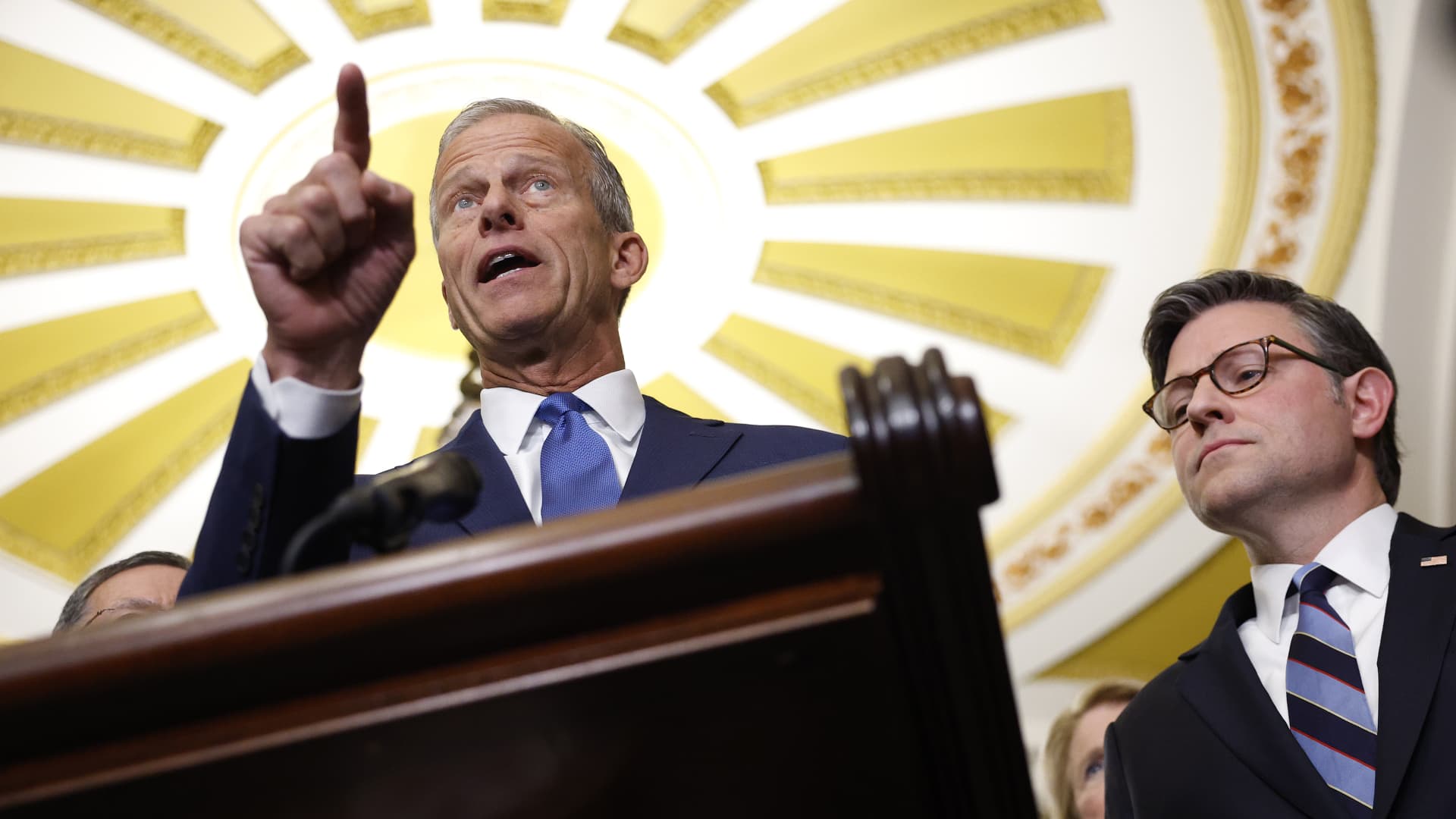
Republicans Push Two-Track Funding Plan for DHS

- Funding Plan Resumption: Senate Majority Leader John Thune and House Speaker Mike Johnson support a two-track funding plan for the Department of Homeland Security, aiming to secure immediate funding for the Transportation Security Administration while deferring debates on controversial immigration enforcement, thereby alleviating funding disputes.
- Budget and Reconciliation Process: The plan will advance through both the appropriations process and budget reconciliation, ensuring DHS funding can pass without the need for 60 votes, demonstrating Republican strategic flexibility in budget negotiations.
- Impact of Congressional Recess: Congress is currently in a two-week recess and is not scheduled to return until April 13, with DHS shut down since February, disrupting air travel as unpaid TSA agents have called out in large numbers, increasing pressure on lawmakers to reach an agreement.
- Trump's Support: President Trump announced he would draw from unspent funds in the 2025 tax and spending package to pay TSA agents, easing airport security lines, while urging Congress to deliver the funding bill to his desk by June 1, highlighting the urgency of the Republican stance on funding issues.
Trump Bypasses Congress to Pay TSA Employees Amid Shutdown

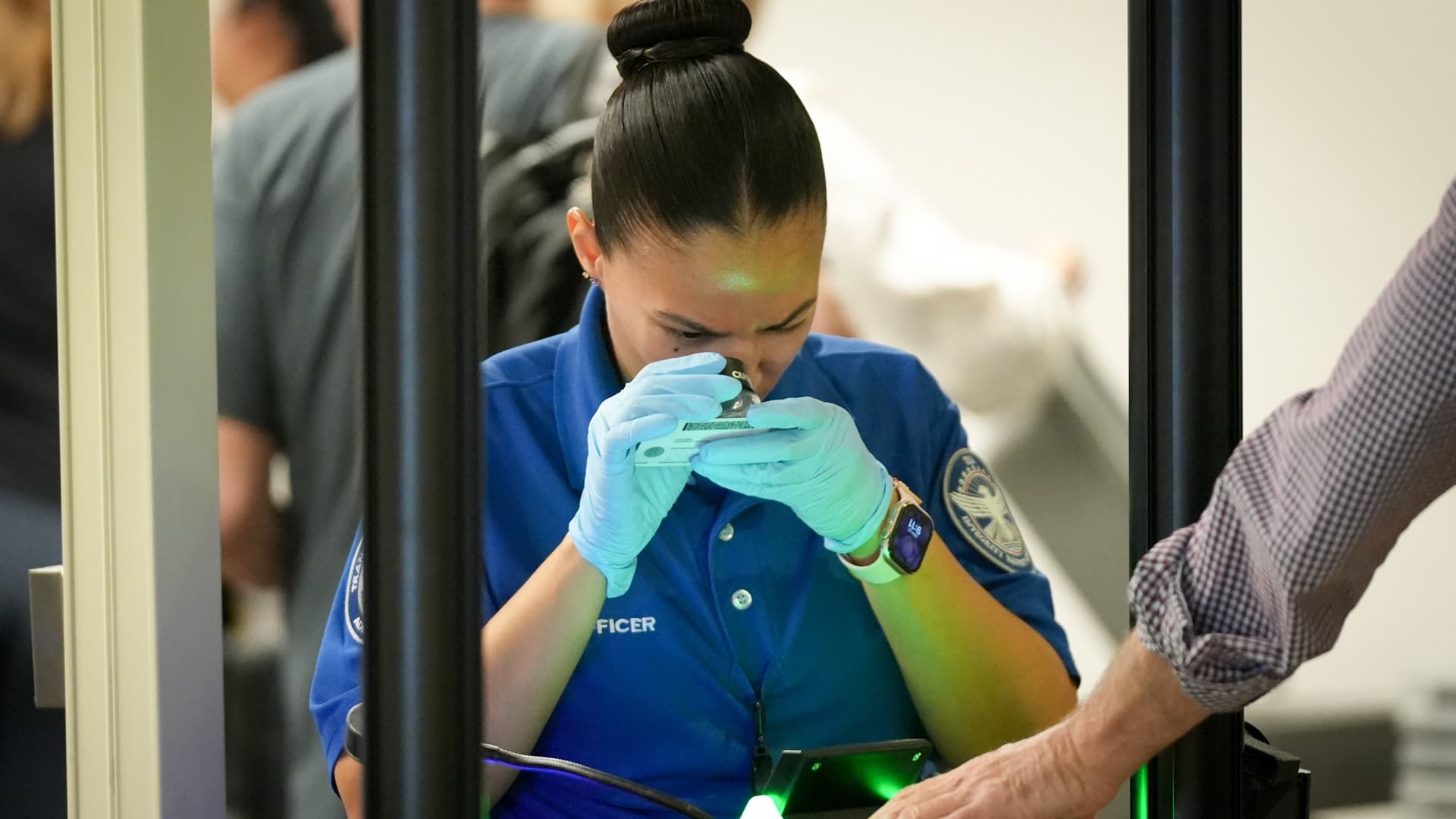
- Temporary Payment Measure: Trump has issued an executive order to pay TSA employees despite Congress being in recess over budget disputes, demonstrating short-term support for airport security personnel while raising questions about the funding source.
- Unclear Funding Source: The order directs the Department of Homeland Security to use funds related to TSA operations, although the specific source remains unclear; experts suggest it may come from a $10 billion allocation in last year's tax and spending bill.
- Legal Controversy: Experts express concerns about the legality of this payment measure, suggesting it may violate the Antideficiency Act, while congressional Democrats voice dissatisfaction with Trump's unilateral actions, fearing it could affect TSA employees' pay.
- Impact and Consequences: Although TSA employees have received retroactive pay, alleviating airport security wait times, the ongoing budget impasse in Congress leaves the sustainability of future funding uncertain, potentially impacting airport operational efficiency.
American Airlines Partners with Red Cross for 40 Years of Humanitarian Aid
- Long-Term Partnership: American Airlines has been a Mission Leader for the Red Cross since 2023, donating over $3 million annually to support emergency relief efforts, demonstrating the company's strong commitment to humanitarian causes.
- Customer Engagement Program: To celebrate the 40th anniversary of their partnership, American Airlines launched a special initiative where AAdvantage® members earn 10 bonus miles for every $1 donated, encouraging customer participation and strengthening emotional ties with the company.
- Disaster Response Capability: Since joining the Annual Disaster Giving Program in 2014, American Airlines has provided support in advance of disasters, enabling the Red Cross to respond swiftly and ensuring affected communities receive essential supplies and assistance, enhancing the company's image of social responsibility.
- Global Impact: As the world's largest airline, American Airlines operates over 6,000 flights annually, serving more than 200 million customers, and through its collaboration with the Red Cross, further solidifies its leadership position in global humanitarian aid efforts.
US Stocks Rise on Optimism Over Middle East Conflict Resolution
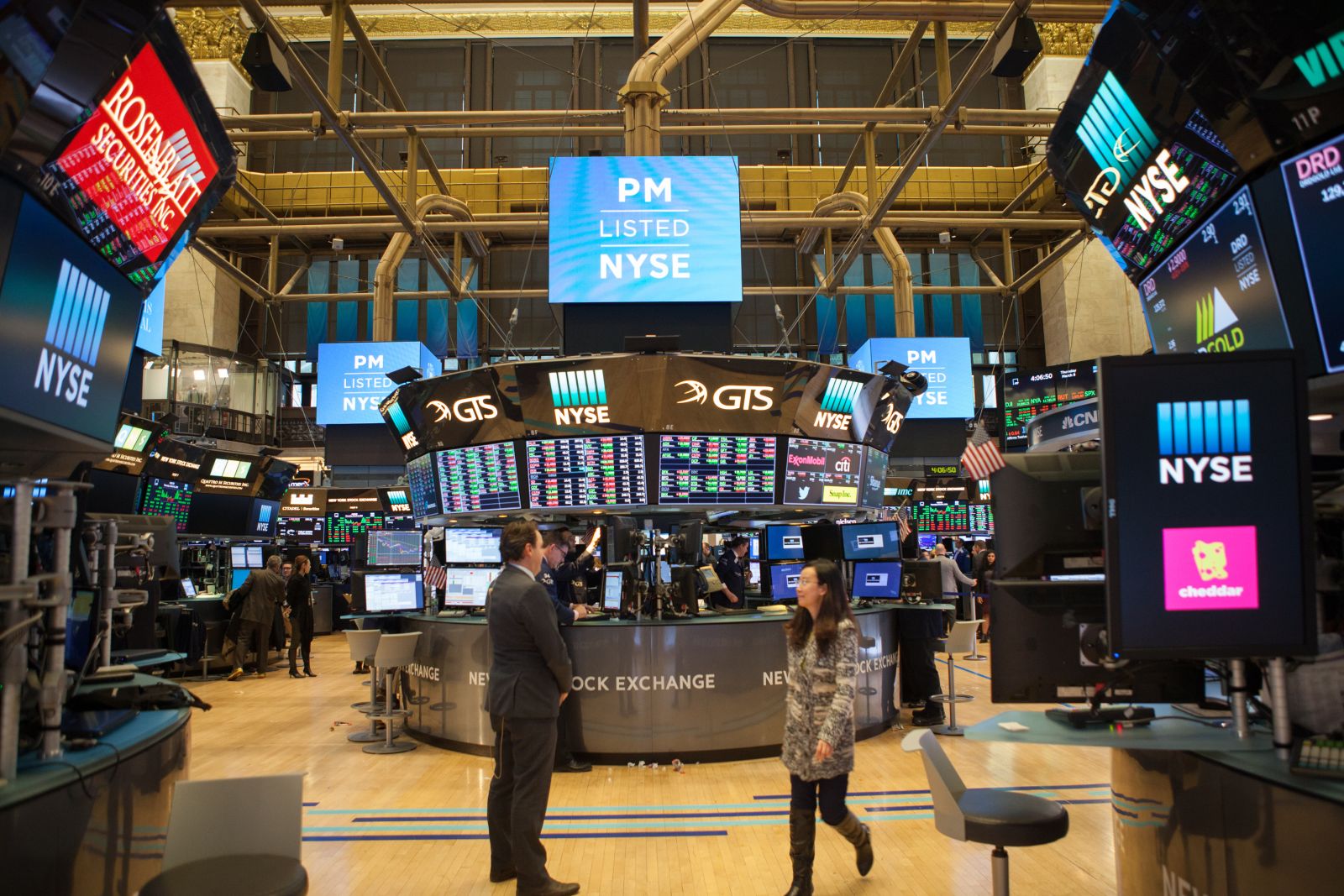
- Market Rally: The S&P 500 Index rose by 0.97%, the Dow Jones Industrial Average by 0.86%, and the Nasdaq 100 by 1.45%, reflecting growing investor confidence amid optimism that the Middle East conflict may soon conclude, which could stabilize global markets.
- Strong Economic Data: The US ADP employment change for March increased by 62,000, surpassing expectations of 40,000, while February retail sales rose by 0.6% month-over-month, indicating robust economic recovery that may influence Federal Reserve policy decisions.
- Interest Rate Outlook: Despite a mere 1% chance of a 25 basis point rate hike at the upcoming FOMC meeting, hawkish comments from St. Louis Fed President raised concerns about inflation and employment risks, potentially affecting investor sentiment and market dynamics.
- Divergent Stock Performances: Target Hospitality surged by over 37% after securing a multi-year contract worth over $550 million, while Nike fell by more than 13% due to revenue forecasts indicating a decline, highlighting varied market reactions to company-specific news.

ACCC Grants Interim Authorization for Qantas and American Airlines Cooperation
- Interim Authorization Granted: The Australian Competition and Consumer Commission (ACCC) granted interim authorization on April 1 for Qantas and American Airlines to continue their cooperation on trans-Pacific routes, ensuring no disruption to existing services during the ongoing assessment.
- Broad Cooperation Scope: This interim authorization allows the airlines to coordinate schedules, manage service capacity, share revenue, and implement cost-reduction initiatives across routes between Australia, New Zealand, the U.S., Canada, and Mexico, thereby enhancing operational efficiency.
- Five-Year Authorization Request: Qantas and American Airlines are seeking authorization for a five-year period through a Restated Joint Business Agreement, aiming to solidify their competitive position in the market through enhanced collaboration.
- Market Impact Assessment: The ACCC is conducting a detailed assessment to ensure that this cooperation does not negatively impact market competition, while also providing the airlines with greater flexibility to adapt to market changes.
US Stocks Close Higher Amid Optimism Over Middle East Conflict Resolution
- Market Rally: The S&P 500 rose by 0.72%, the Dow Jones increased by 0.48%, and the Nasdaq 100 climbed by 1.18%, reflecting growing investor optimism regarding a potential resolution to the Middle East conflict, which has bolstered market confidence.
- Strong Economic Data: The US ADP employment change for March increased by 62,000, surpassing expectations of 40,000, while February retail sales rose by 0.6% month-over-month, indicating robust economic recovery that could influence Federal Reserve policy decisions.
- Interest Rate Expectations: Despite positive economic indicators, hawkish comments from St. Louis Fed President raised concerns about inflation and employment, leading to a mere 1% chance of a 25 basis point rate hike at the upcoming April FOMC meeting, reflecting cautious market sentiment.
- Divergent Stock Performances: Target Hospitality surged over 36% after securing a multi-year contract worth over $550 million, while Nike fell more than 15% due to revenue forecasts indicating a decline, highlighting the market's varied outlook on different companies' futures.
Republicans Push Two-Track Funding Plan for DHS
- Funding Plan Resumption: Senate Majority Leader John Thune and House Speaker Mike Johnson support a two-track funding plan for the Department of Homeland Security, aiming to secure immediate funding for the Transportation Security Administration while deferring debates on controversial immigration enforcement, thereby alleviating funding disputes.
- Budget and Reconciliation Process: The plan will advance through both the appropriations process and budget reconciliation, ensuring DHS funding can pass without the need for 60 votes, demonstrating Republican strategic flexibility in budget negotiations.
- Impact of Congressional Recess: Congress is currently in a two-week recess and is not scheduled to return until April 13, with DHS shut down since February, disrupting air travel as unpaid TSA agents have called out in large numbers, increasing pressure on lawmakers to reach an agreement.
- Trump's Support: President Trump announced he would draw from unspent funds in the 2025 tax and spending package to pay TSA agents, easing airport security lines, while urging Congress to deliver the funding bill to his desk by June 1, highlighting the urgency of the Republican stance on funding issues.
Trump Bypasses Congress to Pay TSA Employees Amid Shutdown
- Temporary Payment Measure: Trump has issued an executive order to pay TSA employees despite Congress being in recess over budget disputes, demonstrating short-term support for airport security personnel while raising questions about the funding source.
- Unclear Funding Source: The order directs the Department of Homeland Security to use funds related to TSA operations, although the specific source remains unclear; experts suggest it may come from a $10 billion allocation in last year's tax and spending bill.
- Legal Controversy: Experts express concerns about the legality of this payment measure, suggesting it may violate the Antideficiency Act, while congressional Democrats voice dissatisfaction with Trump's unilateral actions, fearing it could affect TSA employees' pay.
- Impact and Consequences: Although TSA employees have received retroactive pay, alleviating airport security wait times, the ongoing budget impasse in Congress leaves the sustainability of future funding uncertain, potentially impacting airport operational efficiency.
American Airlines Partners with Red Cross for 40 Years of Humanitarian Aid
- Long-Term Partnership: American Airlines has been a Mission Leader for the Red Cross since 2023, donating over $3 million annually to support emergency relief efforts, demonstrating the company's strong commitment to humanitarian causes.
- Customer Engagement Program: To celebrate the 40th anniversary of their partnership, American Airlines launched a special initiative where AAdvantage® members earn 10 bonus miles for every $1 donated, encouraging customer participation and strengthening emotional ties with the company.
- Disaster Response Capability: Since joining the Annual Disaster Giving Program in 2014, American Airlines has provided support in advance of disasters, enabling the Red Cross to respond swiftly and ensuring affected communities receive essential supplies and assistance, enhancing the company's image of social responsibility.
- Global Impact: As the world's largest airline, American Airlines operates over 6,000 flights annually, serving more than 200 million customers, and through its collaboration with the Red Cross, further solidifies its leadership position in global humanitarian aid efforts.
US Stocks Rise on Optimism Over Middle East Conflict Resolution
- Market Rally: The S&P 500 Index rose by 0.97%, the Dow Jones Industrial Average by 0.86%, and the Nasdaq 100 by 1.45%, reflecting growing investor confidence amid optimism that the Middle East conflict may soon conclude, which could stabilize global markets.
- Strong Economic Data: The US ADP employment change for March increased by 62,000, surpassing expectations of 40,000, while February retail sales rose by 0.6% month-over-month, indicating robust economic recovery that may influence Federal Reserve policy decisions.
- Interest Rate Outlook: Despite a mere 1% chance of a 25 basis point rate hike at the upcoming FOMC meeting, hawkish comments from St. Louis Fed President raised concerns about inflation and employment risks, potentially affecting investor sentiment and market dynamics.
- Divergent Stock Performances: Target Hospitality surged by over 37% after securing a multi-year contract worth over $550 million, while Nike fell by more than 13% due to revenue forecasts indicating a decline, highlighting varied market reactions to company-specific news.
ACCC Grants Interim Authorization for Qantas and American Airlines Cooperation
- Interim Authorization Granted: The Australian Competition and Consumer Commission (ACCC) granted interim authorization on April 1 for Qantas and American Airlines to continue their cooperation on trans-Pacific routes, ensuring no disruption to existing services during the ongoing assessment.
- Broad Cooperation Scope: This interim authorization allows the airlines to coordinate schedules, manage service capacity, share revenue, and implement cost-reduction initiatives across routes between Australia, New Zealand, the U.S., Canada, and Mexico, thereby enhancing operational efficiency.
- Five-Year Authorization Request: Qantas and American Airlines are seeking authorization for a five-year period through a Restated Joint Business Agreement, aiming to solidify their competitive position in the market through enhanced collaboration.
- Market Impact Assessment: The ACCC is conducting a detailed assessment to ensure that this cooperation does not negatively impact market competition, while also providing the airlines with greater flexibility to adapt to market changes.