

Amazon Poised for 2026 Comeback with 20% AWS Revenue Growth
Written by Emily J. Thompson, Senior Investment Analyst
Updated: Jan 02 2026
0mins
Source: Fool
- AWS Growth Momentum: Amazon Web Services (AWS) achieved a 20% year-over-year revenue increase in Q3, marking its fastest growth rate in years, indicating a strengthening leadership position in the cloud computing market that will enhance overall profitability.
- Advertising Services Boosting Profits: Amazon's advertising services generated $17.7 billion in revenue in Q3, potentially yielding $5.3 billion in operating profits, highlighting the critical role of advertising in overall profitability and setting the stage for strong growth in 2026.
- Valuation Advantage: Amazon's price-to-earnings ratio is now in line with peers, allowing its stock price to fluctuate in tandem with business performance, with analysts projecting an 11% sales growth in 2026, presenting a favorable investment opportunity for shareholders.
- Future Outlook: Should AWS and advertising services continue to perform well, Amazon's operating profit growth is expected to outpace revenue growth, potentially leading to stock outperformance; conversely, failure to achieve this could result in another disappointing year for shareholders.
Trade with 70% Backtested Accuracy
Stop guessing "Should I Buy AMZN?" and start using high-conviction signals backed by rigorous historical data.
Sign up today to access powerful investing tools and make smarter, data-driven decisions.
Analyst Views on AMZN
Wall Street analysts forecast AMZN stock price to rise
44 Analyst Rating
41 Buy
3 Hold
0 Sell
Strong Buy
Current: 245.980

Low
175.00
Averages
280.01
High
325.00
Current: 245.980
Low
175.00
Averages
280.01
High
325.00
About AMZN
Amazon.com, Inc. provides a range of products and services to customers. The products offered through its stores include merchandise and content it has purchased for resale and products offered by third-party sellers. The Company’s segments include North America, International and Amazon Web Services (AWS). It serves consumers through its online and physical stores and focuses on selection, price, and convenience. Customers access its offerings through its websites, mobile apps, Alexa, devices, streaming, and physically visiting its stores. It also manufactures and sells electronic devices, including Kindle, Fire tablet, Fire TV, Echo, Ring, Blink, and eero, and develops and produces media content. It serves developers and enterprises of all sizes, including start-ups, government agencies, and academic institutions, through AWS, which offers a set of on-demand technology services, including compute, storage, database, analytics, and machine learning, and other services.
About the author

Emily J. Thompson
Emily J. Thompson, a Chartered Financial Analyst (CFA) with 12 years in investment research, graduated with honors from the Wharton School. Specializing in industrial and technology stocks, she provides in-depth analysis for Intellectia’s earnings and market brief reports.
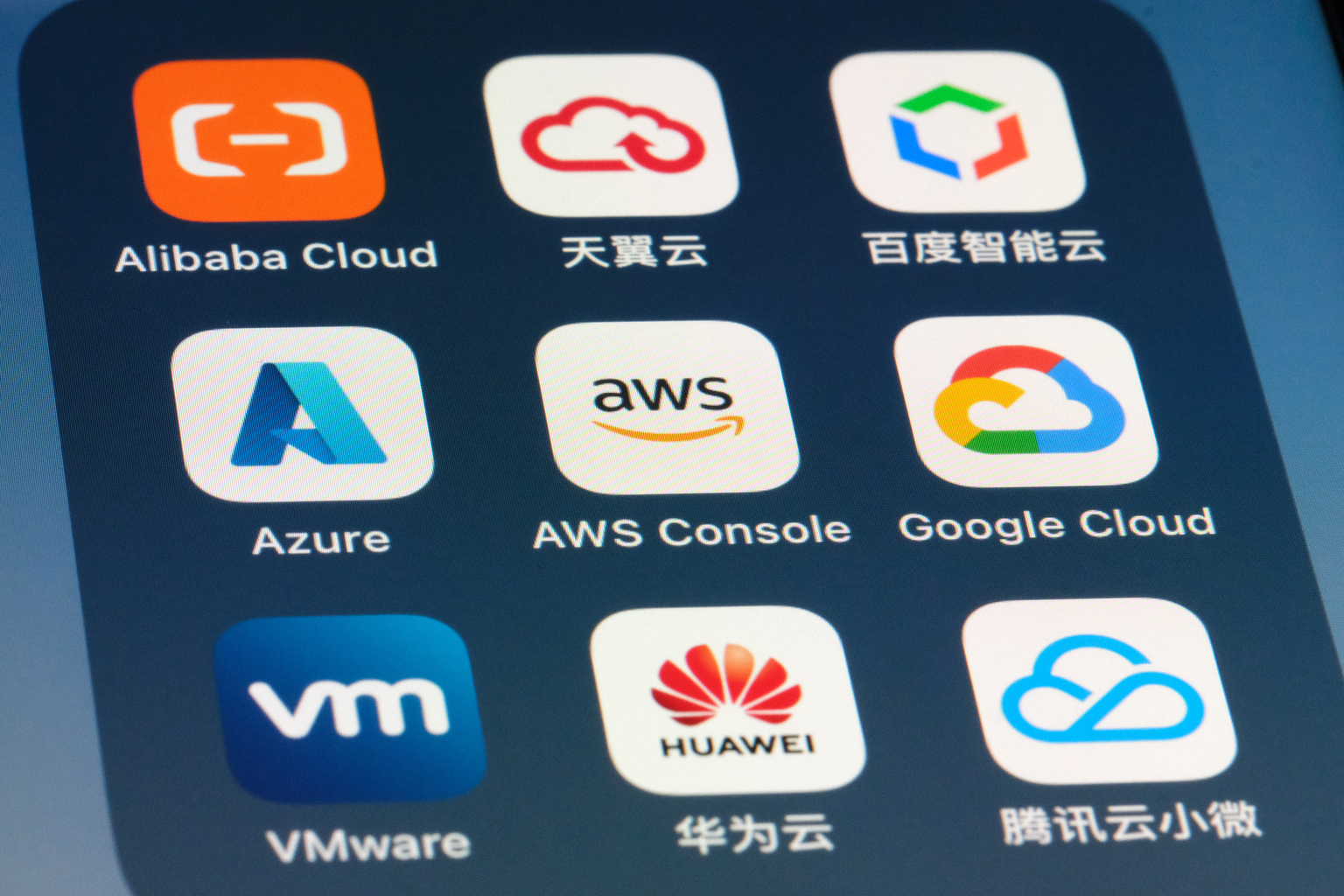
Amazon's Cloud Business Shows Strong Growth

- Cloud Business Growth: Amazon Web Services (AWS) achieved a 35.5% year-over-year growth in Q2, significantly up from 28.4% last year and 3.4% above consensus estimates, indicating strong performance in the cloud computing sector.
- Generative AI Driving Demand: Analyst John Blackledge noted that Amazon's investments in generative AI infrastructure are easing supply constraints, with estimated generative AI revenue reaching $6.9 billion, an 88% quarter-over-quarter increase and nearly 500% year-over-year, reflecting robust market demand.
- Overall Revenue Expectations: Amazon is expected to report Q2 revenue of $200.1 billion, a 19.3% increase from the same quarter last year, exceeding the high end of guidance by 1%, with North America revenue growing 15.1%, driven by faster delivery speeds and positive trends in everyday essentials.
- Optimistic Future Outlook: For Q3, AWS is expected to continue driving revenue growth, with TD Cowen's revenue and operating income expectations 0.3% and 3.2% above consensus estimates, indicating that AI demand will further accelerate AWS growth.
See More

Amazon Supports Humanitarian Air Delivery to Venezuela
- Humanitarian Airlift Initiative: Amazon collaborates with Airlink, the U.S. State Department, and the World Food Programme to conduct seven weekly flights delivering critical relief supplies to over 650,000 people affected by the twin earthquakes in Venezuela, ensuring timely aid delivery to those in need.
- Efficient Logistics Coordination: The U.S. State Department coordinates access with local authorities, while Amazon donates aircraft and fuel at no cost, and Airlink determines the cargo based on nonprofit needs, effectively preventing aid bottlenecks in heavily impacted communities.
- Historic Collaborative Model: This initiative is part of Amazon's disaster relief program, which has responded to over 200 disasters since 2017, donating and delivering more than 26 million emergency supplies, showcasing the company's rapid response capabilities in times of crisis.
- Technological Support and Community Engagement: Amazon provides rapid response technology systems to facilitate communication between hospitals and shelters in Venezuela, while also organizing volunteer events in multiple cities to further support local community rebuilding efforts.
See More

India's IPO Market Faces Major Risks Amid Geopolitical Tensions


- IPO Plans Under Threat: Trump's decision to end the ceasefire with Iran poses significant risks to India's anticipated $50 billion IPO pipeline, causing a more than 2% market slump and highlighting the increasing impact of geopolitical risks on financial markets.
- Weak Market Performance: IPO activity in India for 2026 has been lackluster compared to the U.S. and Hong Kong, raising only $4 billion in the first half, in stark contrast to the $128 billion and $27 billion raised in those markets, indicating insufficient market absorption for new listings.
- Regulatory Approval Progress: Approximately $22 billion worth of IPOs are seeking regulatory approval, expected to take 2-3 months, while $29 billion worth have already been approved, including major firms like Zepto and Avaada Electro, suggesting potential opportunities still exist in the market.
- Economic Transformation Context: India's economy is transforming with the rise of new manufacturing industries driven by digital technology adoption and tax reforms, and despite unfavorable market conditions, companies are still seeking to list to unlock growth potential, reflecting confidence in future prospects.
See More

The Importance of a Long-Term Investment Framework


- Investment Framework Shift: Long-term investing necessitates a different framework that emphasizes the ability to anticipate and adapt to future market changes, thereby enhancing the effectiveness and accuracy of investment decisions.
- Price Reference Timing: The stock prices referenced were the afternoon prices from July 5, 2026, reflecting the market's state at a specific point in time, which aids investors in understanding the context of market fluctuations.
- Video Release Timing: The video was published on July 7, 2026, providing an in-depth analysis of investment strategies aimed at helping investors make informed decisions in a complex market environment.
- Importance of Long-Term Perspective: It underscores the necessity of adopting a long-term perspective in investment decisions, focusing not only on short-term gains but also on long-term growth potential to achieve sustainable investment returns.
See More

Investing for the Long Run Requires a New Framework
- Investment Signal Resurgence: In 2009, Nvidia flashed a 'Double Down' signal, and now the same 'Total Conviction' signal is appearing for a company that is only 1/100th the size of Nvidia, indicating potential new investment opportunities in the market.
- Recommended Stocks Performance: The Motley Fool Stock Advisor team has identified 10 stocks that could yield significant returns in the coming years, notably excluding Coca-Cola, which reflects a market reassessment of traditional brands.
- Historical Return Comparison: An investment of $1,000 in Netflix on December 17, 2004, would have grown to $410,833, while an investment in Nvidia would have reached $1,208,693, demonstrating the substantial investment value of Stock Advisor's recommendations.
- Superior Market Performance: With a total average return of 917%, Stock Advisor significantly outperforms the S&P 500's 209%, indicating that its stock selection strategy is exceptionally effective and warrants investor attention.
See More

Market Warning Amid AI Boom


- Market Performance Review: The S&P 500 has surged in recent years due to the AI boom, with investors seeing potential for transformative changes in business and daily life, resulting in triple-digit gains for related stocks over the past three years.
- Investor Caution: Despite ongoing growth in AI stocks, geopolitical tensions and rising inflation have prompted investors to shift towards safer sectors like healthcare, leading to a more cautious sentiment towards AI companies, especially following the new Federal Reserve chair's appointment.
- Valuation Warning Signal: The S&P 500 Shiller CAPE ratio recently surpassed 41, a level only seen once in 155 years, mirroring the dot-com bubble, indicating that current stock valuations are extremely high and may face downward pressure.
- Long-Term Investment Outlook: While a decline may be imminent, history shows that holding quality stocks for the long term typically results in investment success, as the S&P 500 has historically recovered and advanced after downturns, suggesting a bright outlook for long-term investors.
See More
Amazon's Cloud Business Shows Strong Growth
- Cloud Business Growth: Amazon Web Services (AWS) achieved a 35.5% year-over-year growth in Q2, significantly up from 28.4% last year and 3.4% above consensus estimates, indicating strong performance in the cloud computing sector.
- Generative AI Driving Demand: Analyst John Blackledge noted that Amazon's investments in generative AI infrastructure are easing supply constraints, with estimated generative AI revenue reaching $6.9 billion, an 88% quarter-over-quarter increase and nearly 500% year-over-year, reflecting robust market demand.
- Overall Revenue Expectations: Amazon is expected to report Q2 revenue of $200.1 billion, a 19.3% increase from the same quarter last year, exceeding the high end of guidance by 1%, with North America revenue growing 15.1%, driven by faster delivery speeds and positive trends in everyday essentials.
- Optimistic Future Outlook: For Q3, AWS is expected to continue driving revenue growth, with TD Cowen's revenue and operating income expectations 0.3% and 3.2% above consensus estimates, indicating that AI demand will further accelerate AWS growth.
See More
Amazon Supports Humanitarian Air Delivery to Venezuela
- Humanitarian Airlift Initiative: Amazon collaborates with Airlink, the U.S. State Department, and the World Food Programme to conduct seven weekly flights delivering critical relief supplies to over 650,000 people affected by the twin earthquakes in Venezuela, ensuring timely aid delivery to those in need.
- Efficient Logistics Coordination: The U.S. State Department coordinates access with local authorities, while Amazon donates aircraft and fuel at no cost, and Airlink determines the cargo based on nonprofit needs, effectively preventing aid bottlenecks in heavily impacted communities.
- Historic Collaborative Model: This initiative is part of Amazon's disaster relief program, which has responded to over 200 disasters since 2017, donating and delivering more than 26 million emergency supplies, showcasing the company's rapid response capabilities in times of crisis.
- Technological Support and Community Engagement: Amazon provides rapid response technology systems to facilitate communication between hospitals and shelters in Venezuela, while also organizing volunteer events in multiple cities to further support local community rebuilding efforts.
See More
India's IPO Market Faces Major Risks Amid Geopolitical Tensions
- IPO Plans Under Threat: Trump's decision to end the ceasefire with Iran poses significant risks to India's anticipated $50 billion IPO pipeline, causing a more than 2% market slump and highlighting the increasing impact of geopolitical risks on financial markets.
- Weak Market Performance: IPO activity in India for 2026 has been lackluster compared to the U.S. and Hong Kong, raising only $4 billion in the first half, in stark contrast to the $128 billion and $27 billion raised in those markets, indicating insufficient market absorption for new listings.
- Regulatory Approval Progress: Approximately $22 billion worth of IPOs are seeking regulatory approval, expected to take 2-3 months, while $29 billion worth have already been approved, including major firms like Zepto and Avaada Electro, suggesting potential opportunities still exist in the market.
- Economic Transformation Context: India's economy is transforming with the rise of new manufacturing industries driven by digital technology adoption and tax reforms, and despite unfavorable market conditions, companies are still seeking to list to unlock growth potential, reflecting confidence in future prospects.
See More
The Importance of a Long-Term Investment Framework
- Investment Framework Shift: Long-term investing necessitates a different framework that emphasizes the ability to anticipate and adapt to future market changes, thereby enhancing the effectiveness and accuracy of investment decisions.
- Price Reference Timing: The stock prices referenced were the afternoon prices from July 5, 2026, reflecting the market's state at a specific point in time, which aids investors in understanding the context of market fluctuations.
- Video Release Timing: The video was published on July 7, 2026, providing an in-depth analysis of investment strategies aimed at helping investors make informed decisions in a complex market environment.
- Importance of Long-Term Perspective: It underscores the necessity of adopting a long-term perspective in investment decisions, focusing not only on short-term gains but also on long-term growth potential to achieve sustainable investment returns.
See More
Investing for the Long Run Requires a New Framework
- Investment Signal Resurgence: In 2009, Nvidia flashed a 'Double Down' signal, and now the same 'Total Conviction' signal is appearing for a company that is only 1/100th the size of Nvidia, indicating potential new investment opportunities in the market.
- Recommended Stocks Performance: The Motley Fool Stock Advisor team has identified 10 stocks that could yield significant returns in the coming years, notably excluding Coca-Cola, which reflects a market reassessment of traditional brands.
- Historical Return Comparison: An investment of $1,000 in Netflix on December 17, 2004, would have grown to $410,833, while an investment in Nvidia would have reached $1,208,693, demonstrating the substantial investment value of Stock Advisor's recommendations.
- Superior Market Performance: With a total average return of 917%, Stock Advisor significantly outperforms the S&P 500's 209%, indicating that its stock selection strategy is exceptionally effective and warrants investor attention.
See More
Market Warning Amid AI Boom
- Market Performance Review: The S&P 500 has surged in recent years due to the AI boom, with investors seeing potential for transformative changes in business and daily life, resulting in triple-digit gains for related stocks over the past three years.
- Investor Caution: Despite ongoing growth in AI stocks, geopolitical tensions and rising inflation have prompted investors to shift towards safer sectors like healthcare, leading to a more cautious sentiment towards AI companies, especially following the new Federal Reserve chair's appointment.
- Valuation Warning Signal: The S&P 500 Shiller CAPE ratio recently surpassed 41, a level only seen once in 155 years, mirroring the dot-com bubble, indicating that current stock valuations are extremely high and may face downward pressure.
- Long-Term Investment Outlook: While a decline may be imminent, history shows that holding quality stocks for the long term typically results in investment success, as the S&P 500 has historically recovered and advanced after downturns, suggesting a bright outlook for long-term investors.
See More





