Air India Crash Investigation Delayed Beyond Deadline
Written by Emily J. Thompson, Senior Investment Analyst
Updated: 3 hours ago
0mins
Source: Newsfilter
- Investigation Delay: Investigators will miss the Friday deadline to explain the Air India jet crash due to incomplete examination of the Boeing engines in the U.S., which undermines public confidence in aviation safety.
- Status Report Expected: The Aircraft Accident Investigation Bureau of India is likely to issue a status report this week focusing on the reasons for the delay, providing transparency about the investigation's progress, although the final report is expected within three months.
- Public Concerns: The delay in the investigation may raise public concerns regarding aviation safety and regulatory efficiency, especially after the incident, necessitating improved communication from airlines and regulators to restore trust.
- Future Implications: The release of the final report will have significant implications for safety standards and policies in the aviation industry, potentially prompting a reevaluation of existing safety inspection processes and emergency response mechanisms.
Trade with 70% Backtested Accuracy
Stop guessing "Should I Buy BA?" and start using high-conviction signals backed by rigorous historical data.
Sign up today to access powerful investing tools and make smarter, data-driven decisions.
Analyst Views on BA
Wall Street analysts forecast BA stock price to rise
16 Analyst Rating
14 Buy
1 Hold
1 Sell
Strong Buy
Current: 214.510

Low
150.00
Averages
269.14
High
298.00
Current: 214.510
Low
150.00
Averages
269.14
High
298.00
About BA
The Boeing Company is an aerospace company. Its segments include Commercial Airplanes (BCA), Defense, Space & Security (BDS), and Global Services (BGS). Its BCA segment develops, produces and markets commercial jet aircraft principally for the commercial airline industry worldwide. Its family of commercial jet aircraft in production includes the 737 narrow-body model and the 767, 777 and 787 wide-body models. Its BDS segment is engaged in the research, development, production and modification of manned and unmanned military aircraft and weapons systems for strike, surveillance and mobility. Its BGS segment provides services to its commercial and defense customers worldwide. It sustains aerospace platforms and systems with a range of products and services, including supply chain and logistics management, engineering, maintenance and modifications, upgrades and conversions, spare parts, pilot and maintenance training systems and services, technical and maintenance documents, and others.
About the author

Emily J. Thompson
Emily J. Thompson, a Chartered Financial Analyst (CFA) with 12 years in investment research, graduated with honors from the Wharton School. Specializing in industrial and technology stocks, she provides in-depth analysis for Intellectia’s earnings and market brief reports.
Emirates Expects Delivery of 777X by June 2024

- 777X Delivery Expectation: Emirates anticipates receiving its long-delayed first Boeing 777X by June 2024, despite development setbacks due to certification delays, indicating the airline's continued trust and expectation from Boeing.
- Engine Durability Concerns: President Tim Clark reiterated concerns regarding the Rolls-Royce Trent XWB-97 engine's durability in hot desert conditions, stating that Emirates will not order the competing Airbus A350-1000 until these issues are resolved, reflecting strong demands from engine manufacturers.
- Executive Compensation Controversy: Clark questioned the potential £100 million remuneration package for Rolls-Royce CEO Tufan Erginbilgic, who is credited with a significant turnaround in profits and shares, suggesting that this controversy could impact the company's reputation and its relationships with airlines.
- Industry Price Dispute: Tensions between Emirates and engine manufacturers have escalated, with Clark criticizing their failure to meet demand, resulting in idle aircraft, highlighting airlines' dissatisfaction with engine makers over pricing and delivery delays.
See More

US Inflation Hits Three-Year High Amid Geopolitical Tensions


- Rising Inflation: The US consumer price index rose to an annual rate of 4.2% in May, with Trump expressing optimism that prices will drop sharply once the conflict with Iran concludes, reflecting a potentially misleading confidence in economic stability amidst rising costs.
- Geopolitical Tensions: US airstrikes on Iran have escalated tensions in the Strait of Hormuz, driving oil prices higher, with July crude futures increasing by 2.94% to $92.68 per barrel and Brent futures rising by 2.52% to $95.45, indicating market sensitivity to energy price fluctuations.
- Market Volatility: Amid rising inflation and energy prices, Wall Street faced significant declines on Wednesday, with the Dow dropping over 900 points, highlighting investor concerns about future economic prospects, particularly as chip stocks experienced substantial sell-offs.
- Meta's Investment in India: Meta has agreed to lease an AI-enabled data center with a capacity of 168 megawatts from Reliance Industries in India, expected to be delivered within two years, which will enhance Meta's global AI infrastructure and demonstrate its long-term commitment to the Indian market.
See More
Air India Crash Investigation Delayed Beyond Deadline
- Investigation Delay: Investigators will miss the Friday deadline to explain the Air India jet crash due to incomplete examination of the Boeing engines in the U.S., which undermines public confidence in aviation safety.
- Status Report Expected: The Aircraft Accident Investigation Bureau of India is likely to issue a status report this week focusing on the reasons for the delay, providing transparency about the investigation's progress, although the final report is expected within three months.
- Public Concerns: The delay in the investigation may raise public concerns regarding aviation safety and regulatory efficiency, especially after the incident, necessitating improved communication from airlines and regulators to restore trust.
- Future Implications: The release of the final report will have significant implications for safety standards and policies in the aviation industry, potentially prompting a reevaluation of existing safety inspection processes and emergency response mechanisms.
See More

Air Force Confirms Progress on KC-46 System Fix
- System Repair Confidence: Air Force Secretary Troy Meink stated during a Senate subcommittee hearing that after years of efforts, the Air Force and Boeing have identified a fix for the KC-46 tanker’s remote vision system, with production rollout expected in 2028, five years later than initially planned.
- Delivery Progress: Boeing has delivered over 100 of the 188 KC-46 tankers ordered, with the Air Force considering an additional purchase of 75, totaling 263, indicating ongoing demand contingent on Boeing resolving existing issues.
- Contract Losses: Boeing has incurred over $7 billion in losses under the fixed-price contract, exposing the company to significant risks from cost overruns, highlighting the unfavorable performance of this contract over the past decade.
- Upgrade Timeline: The Air Force announced that retrofitting existing aircraft with the Remote Vision System 2.0 will take seven years, a lengthy upgrade period that may impact future procurement decisions, with Boeing's CEO acknowledging the contract's poor performance in the last decade.
See More
Comparative Analysis of Boeing and Firefly Aerospace in the Aerospace Market

- Boeing Financial Performance: In FY 2025, Boeing reported revenue of approximately $89.5 billion, a 34.5% increase year-over-year, with a net income of about $2.2 billion and a net margin improvement to 2.5%, indicating strong recovery in the global aviation market.
- Firefly Aerospace Growth Potential: Firefly Aerospace achieved nearly $159.9 million in revenue for FY 2025, a 163% increase, despite a net loss of $298.3 million, showcasing rapid expansion in the small launch vehicle market and future growth prospects.
- Risks and Challenges: Boeing faces operational challenges related to production stability and quality control for the 737 program, alongside financial pressures from fixed-price development project losses, while Firefly Aerospace relies on successful launch missions with a high customer concentration of 86%, increasing financial risk.
- Valuation Comparison: Boeing's forward P/E ratio stands at 52.4x, while Firefly Aerospace's P/S ratio is as high as 37.1x, reflecting the distinct investment risks and return potentials associated with their respective market positions.
See More
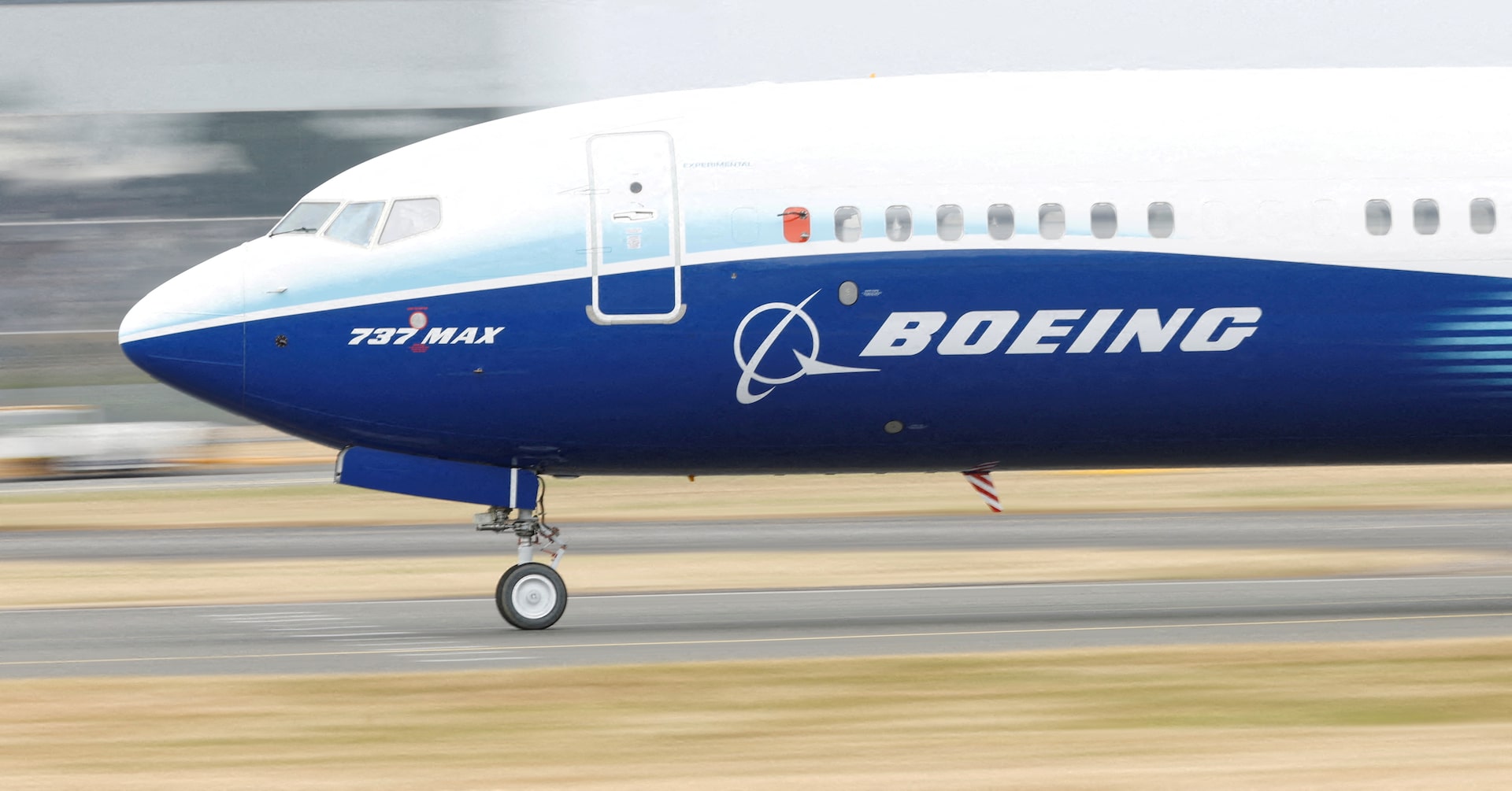
Boeing's Delivery Surge Boosts Investor Confidence
- Record Deliveries: Boeing reported 60 aircraft deliveries in May, a 27.7% increase from April's 47 and a 33% rise compared to May 2025, indicating a strong recovery trajectory that is expected to enhance free cash flow.
- 737 Max Production Boost: The company delivered 51 737 Max jets in May, marking the highest monthly deliveries since December 2024, with production ramping up to 47 jets per month, demonstrating improved capacity to meet market demand and reduce backlog.
- Chinese Order Revival: The Chinese Ministry of Commerce confirmed an agreement to purchase 200 Boeing aircraft, marking the first order from China in nearly a decade, suggesting a rebound in global demand and potential for increased future orders.
- Optimistic Financial Outlook: Despite an anticipated cash outflow of $218 million in Q2, analysts project free cash flow of $1.15 billion and $2.95 billion in the third and fourth quarters, respectively, indicating a positive trend in Boeing's financial health.
See More
Emirates Expects Delivery of 777X by June 2024
- 777X Delivery Expectation: Emirates anticipates receiving its long-delayed first Boeing 777X by June 2024, despite development setbacks due to certification delays, indicating the airline's continued trust and expectation from Boeing.
- Engine Durability Concerns: President Tim Clark reiterated concerns regarding the Rolls-Royce Trent XWB-97 engine's durability in hot desert conditions, stating that Emirates will not order the competing Airbus A350-1000 until these issues are resolved, reflecting strong demands from engine manufacturers.
- Executive Compensation Controversy: Clark questioned the potential £100 million remuneration package for Rolls-Royce CEO Tufan Erginbilgic, who is credited with a significant turnaround in profits and shares, suggesting that this controversy could impact the company's reputation and its relationships with airlines.
- Industry Price Dispute: Tensions between Emirates and engine manufacturers have escalated, with Clark criticizing their failure to meet demand, resulting in idle aircraft, highlighting airlines' dissatisfaction with engine makers over pricing and delivery delays.
See More
US Inflation Hits Three-Year High Amid Geopolitical Tensions
- Rising Inflation: The US consumer price index rose to an annual rate of 4.2% in May, with Trump expressing optimism that prices will drop sharply once the conflict with Iran concludes, reflecting a potentially misleading confidence in economic stability amidst rising costs.
- Geopolitical Tensions: US airstrikes on Iran have escalated tensions in the Strait of Hormuz, driving oil prices higher, with July crude futures increasing by 2.94% to $92.68 per barrel and Brent futures rising by 2.52% to $95.45, indicating market sensitivity to energy price fluctuations.
- Market Volatility: Amid rising inflation and energy prices, Wall Street faced significant declines on Wednesday, with the Dow dropping over 900 points, highlighting investor concerns about future economic prospects, particularly as chip stocks experienced substantial sell-offs.
- Meta's Investment in India: Meta has agreed to lease an AI-enabled data center with a capacity of 168 megawatts from Reliance Industries in India, expected to be delivered within two years, which will enhance Meta's global AI infrastructure and demonstrate its long-term commitment to the Indian market.
See More
Air India Crash Investigation Delayed Beyond Deadline
- Investigation Delay: Investigators will miss the Friday deadline to explain the Air India jet crash due to incomplete examination of the Boeing engines in the U.S., which undermines public confidence in aviation safety.
- Status Report Expected: The Aircraft Accident Investigation Bureau of India is likely to issue a status report this week focusing on the reasons for the delay, providing transparency about the investigation's progress, although the final report is expected within three months.
- Public Concerns: The delay in the investigation may raise public concerns regarding aviation safety and regulatory efficiency, especially after the incident, necessitating improved communication from airlines and regulators to restore trust.
- Future Implications: The release of the final report will have significant implications for safety standards and policies in the aviation industry, potentially prompting a reevaluation of existing safety inspection processes and emergency response mechanisms.
See More
Air Force Confirms Progress on KC-46 System Fix
- System Repair Confidence: Air Force Secretary Troy Meink stated during a Senate subcommittee hearing that after years of efforts, the Air Force and Boeing have identified a fix for the KC-46 tanker’s remote vision system, with production rollout expected in 2028, five years later than initially planned.
- Delivery Progress: Boeing has delivered over 100 of the 188 KC-46 tankers ordered, with the Air Force considering an additional purchase of 75, totaling 263, indicating ongoing demand contingent on Boeing resolving existing issues.
- Contract Losses: Boeing has incurred over $7 billion in losses under the fixed-price contract, exposing the company to significant risks from cost overruns, highlighting the unfavorable performance of this contract over the past decade.
- Upgrade Timeline: The Air Force announced that retrofitting existing aircraft with the Remote Vision System 2.0 will take seven years, a lengthy upgrade period that may impact future procurement decisions, with Boeing's CEO acknowledging the contract's poor performance in the last decade.
See More
Comparative Analysis of Boeing and Firefly Aerospace in the Aerospace Market
- Boeing Financial Performance: In FY 2025, Boeing reported revenue of approximately $89.5 billion, a 34.5% increase year-over-year, with a net income of about $2.2 billion and a net margin improvement to 2.5%, indicating strong recovery in the global aviation market.
- Firefly Aerospace Growth Potential: Firefly Aerospace achieved nearly $159.9 million in revenue for FY 2025, a 163% increase, despite a net loss of $298.3 million, showcasing rapid expansion in the small launch vehicle market and future growth prospects.
- Risks and Challenges: Boeing faces operational challenges related to production stability and quality control for the 737 program, alongside financial pressures from fixed-price development project losses, while Firefly Aerospace relies on successful launch missions with a high customer concentration of 86%, increasing financial risk.
- Valuation Comparison: Boeing's forward P/E ratio stands at 52.4x, while Firefly Aerospace's P/S ratio is as high as 37.1x, reflecting the distinct investment risks and return potentials associated with their respective market positions.
See More
Boeing's Delivery Surge Boosts Investor Confidence
- Record Deliveries: Boeing reported 60 aircraft deliveries in May, a 27.7% increase from April's 47 and a 33% rise compared to May 2025, indicating a strong recovery trajectory that is expected to enhance free cash flow.
- 737 Max Production Boost: The company delivered 51 737 Max jets in May, marking the highest monthly deliveries since December 2024, with production ramping up to 47 jets per month, demonstrating improved capacity to meet market demand and reduce backlog.
- Chinese Order Revival: The Chinese Ministry of Commerce confirmed an agreement to purchase 200 Boeing aircraft, marking the first order from China in nearly a decade, suggesting a rebound in global demand and potential for increased future orders.
- Optimistic Financial Outlook: Despite an anticipated cash outflow of $218 million in Q2, analysts project free cash flow of $1.15 billion and $2.95 billion in the third and fourth quarters, respectively, indicating a positive trend in Boeing's financial health.
See More