

Uranium Energy Corp Reports Revenue Decline Amid Market Challenges
Uranium Energy Corp (UEC) experienced a significant decline in stock price, crossing below its 5-day SMA, as it reported a 59% year-on-year revenue drop for Q2 2026, totaling $20.2 million.
The revenue decline reflects substantial challenges in the market environment, with increased operational costs and weak demand leading to a net loss of $13.9 million. Despite these setbacks, analyst Heiko Ihle from HC Wainwright noted that UEC remains well-funded for its production ramp-up, having completed new facilities and maintaining a strong financial position with $486 million in cash.
The implications of this revenue drop may affect investor confidence, but UEC's strategic focus on long-term growth and its robust liquidity could position it favorably for recovery as market conditions improve.
Trade with 70% Backtested Accuracy
Analyst Views on UEC

About UEC
About the author


Nuclear Energy Stocks Outperform S&P 500

- Nuclear Market Opportunity: As data centers strain traditional power grids, nuclear companies like Fluor, Uranium Energy, and Cameco are filling roles across engineering, construction, and mining, poised to benefit from the demand for 24/7 baseload power, driving market performance in 2026.
- Fluor Financial Dynamics: Fluor reported total revenue of $3.6 billion in Q1 2026, an 8% year-over-year decline; however, its energy solutions division saw profitability increase, with revenue rising from $47 million to $74 million, indicating growth potential in the nuclear sector.
- Uranium Energy Strategic Development: Uranium Energy reported $20.2 million in revenue for Q2 2026, and despite facing price volatility risks, its unhedged strategy could yield higher returns as nuclear demand rises, with the stock doubling over the past year.
- Cameco Strong Performance: Cameco reported revenue of CA$845 million in Q1 2026, a 7% increase, with net earnings of CA$131 million, up 87%, positioning it as a solid choice for risk-averse investors due to its leadership in the nuclear market and long-term contract strategy.

Nuclear Energy Companies Poised for Growth Opportunities
- Fluor Company Update: Fluor reported total revenue of $3.6 billion in Q1 2026, an 8% decline, yet its energy solutions division saw profitability rise from $47 million to $74 million, indicating growth potential in nuclear energy, particularly through its partnership with X-Energy for small modular reactors.
- Uranium Energy Development: Uranium Energy's revenue for Q2 2026 was $20.2 million, still modest, but its collaboration with Fluor and unhedged strategy may yield significant returns as nuclear demand rises, especially if uranium prices increase.
- Cameco Financial Performance: Cameco reported revenue of CA$845 million in Q1 2026, a 7% increase, with net earnings soaring 87% to CA$131 million, showcasing its strong position in the nuclear market and positioning it as a key beneficiary of sector growth.
- Market Outlook Analysis: As data centers strain traditional power grids, nuclear companies like Fluor, Uranium Energy, and Cameco are leveraging the flexibility and continuous power supply of small modular reactors, expected to emerge as winners in the energy market by 2026, attracting increased investor interest.

Uranium Energy Corp Appoints New VP of Government Affairs
- Executive Appointment: Uranium Energy Corp has appointed Bradley Williams as Vice President of Government Affairs, aiming to enhance the company's influence in Washington to support its leadership position at the front-end of the nuclear fuel cycle, which is expected to increase its engagement in policy-making.
- Rich Industry Experience: Williams brings 18 years of nuclear technology and energy policy experience, having worked at the Department of Energy and Congress, particularly contributing to U.S. nuclear energy policy while serving as a senior policy advisor at Idaho National Laboratory, showcasing his deep background in the industry.
- Legislative Advocate: During his Senate tenure, Williams played a key role in developing landmark nuclear legislation, including the ADVANCE Act and the Prohibiting Russian Uranium Act, which aim to expand America's mining and uranium processing capabilities, likely having a positive impact on the company's future growth.
- Clear Strategic Goals: Uranium Energy Corp is committed to becoming the national champion of the U.S. nuclear fuel supply chain, and Williams' addition will help advance the company's strategic priorities in government affairs, further solidifying its market position in the nuclear energy sector.

Nuclear Energy Renaissance Boosts U.S. Miners
- Nuclear Market Growth: As more companies embrace nuclear energy, Energy Fuels and Uranium Energy, two of the largest U.S. miners, are benefiting from this market resurgence, which is expected to drive their business growth.
- Energy Fuels Advantage: Energy Fuels owns the only operational uranium mill in the U.S., the White Mesa Mill, which allows it to process third-party ore, reducing regulatory costs and enhancing its competitive edge in the market.
- Cost Efficiency of Uranium Energy: Uranium Energy employs in-situ recovery technology, resulting in operating costs that are 50% lower than traditional mining, with a cost of around $30 per pound at its Christensen Ranch hub in Wyoming, ensuring solid margins as spot uranium prices hover around $85 per pound.
- Market Strategy Differences: Energy Fuels manages risk through long-term contracts to ensure steady cash flows, while Uranium Energy operates entirely on the spot market, benefiting from price increases but also facing greater downside risk.
Nuclear Renaissance Drives Investment Opportunities in Uranium Mining
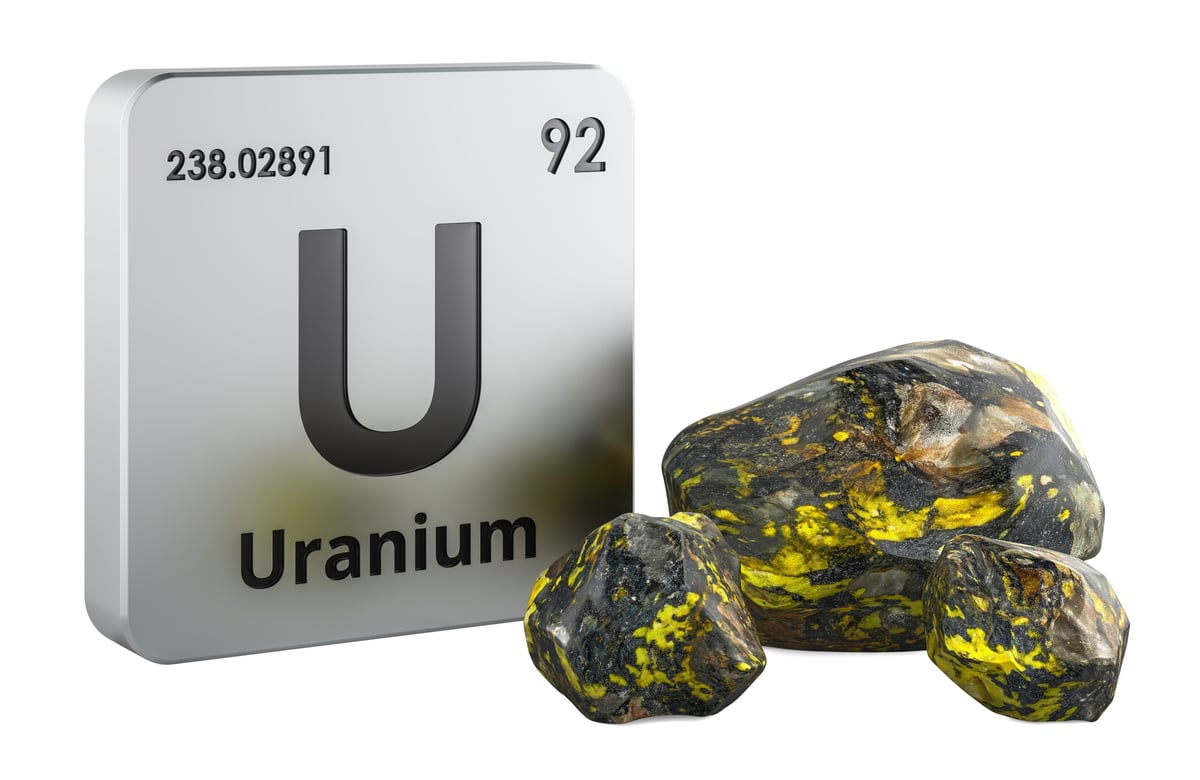
- Nuclear Renaissance: After years of stagnation, nuclear energy is once again gaining traction due to its zero emissions and reliable 24/7 baseload power, driving renewed interest in uranium mining investments, particularly as the U.S. government seeks to secure domestic uranium supplies.
- Energy Fuels' Competitive Edge: Energy Fuels operates the only licensed uranium mill in the U.S., the White Mesa Mill in Utah, providing a unique competitive advantage in uranium processing by allowing the company to process both its own ore and third-party ore, thus lowering market entry barriers.
- Uranium Energy's Low-Cost Production: Uranium Energy employs in-situ recovery (ISR) techniques, which are 50% cheaper than conventional mining, with production costs around $30 per pound at active hubs like Christensen Ranch in Wyoming, ensuring solid margins as spot uranium prices hover around $85 per pound.
- Business Model Comparison: Energy Fuels mitigates risk through long-term contracts, ensuring steady cash flows, while Uranium Energy relies entirely on spot market prices, benefiting from price increases but also facing downside risks, catering to different investor risk appetites.

Surging Demand for Nuclear Energy Stocks Amid AI Growth

- Market Performance Comparison: In 2023, Uranium Energy's stock price surged by 29.8%, while Oklo only increased by 1.05%, highlighting Uranium Energy's strong performance in the nuclear market and attracting investor interest.
- Resource Advantage: Uranium Energy boasts the largest uranium resource base in the U.S., and with rising commodity prices, it is well-positioned to meet customer demand, further solidifying its market leadership.
- Future Trend Investment: Oklo focuses on developing small modular reactors, facing regulatory approval challenges, but its partnership with Nvidia indicates potential in future nuclear energy demand, attracting some investor interest.
- Regulatory Approval Impact: Uranium Energy has received approval to begin production at its Burke Hollow project, enhancing its market supply capability, while Oklo is still awaiting regulatory approval, placing it at a competitive disadvantage.
Nuclear Energy Stocks Outperform S&P 500
- Nuclear Market Opportunity: As data centers strain traditional power grids, nuclear companies like Fluor, Uranium Energy, and Cameco are filling roles across engineering, construction, and mining, poised to benefit from the demand for 24/7 baseload power, driving market performance in 2026.
- Fluor Financial Dynamics: Fluor reported total revenue of $3.6 billion in Q1 2026, an 8% year-over-year decline; however, its energy solutions division saw profitability increase, with revenue rising from $47 million to $74 million, indicating growth potential in the nuclear sector.
- Uranium Energy Strategic Development: Uranium Energy reported $20.2 million in revenue for Q2 2026, and despite facing price volatility risks, its unhedged strategy could yield higher returns as nuclear demand rises, with the stock doubling over the past year.
- Cameco Strong Performance: Cameco reported revenue of CA$845 million in Q1 2026, a 7% increase, with net earnings of CA$131 million, up 87%, positioning it as a solid choice for risk-averse investors due to its leadership in the nuclear market and long-term contract strategy.
Nuclear Energy Companies Poised for Growth Opportunities
- Fluor Company Update: Fluor reported total revenue of $3.6 billion in Q1 2026, an 8% decline, yet its energy solutions division saw profitability rise from $47 million to $74 million, indicating growth potential in nuclear energy, particularly through its partnership with X-Energy for small modular reactors.
- Uranium Energy Development: Uranium Energy's revenue for Q2 2026 was $20.2 million, still modest, but its collaboration with Fluor and unhedged strategy may yield significant returns as nuclear demand rises, especially if uranium prices increase.
- Cameco Financial Performance: Cameco reported revenue of CA$845 million in Q1 2026, a 7% increase, with net earnings soaring 87% to CA$131 million, showcasing its strong position in the nuclear market and positioning it as a key beneficiary of sector growth.
- Market Outlook Analysis: As data centers strain traditional power grids, nuclear companies like Fluor, Uranium Energy, and Cameco are leveraging the flexibility and continuous power supply of small modular reactors, expected to emerge as winners in the energy market by 2026, attracting increased investor interest.
Uranium Energy Corp Appoints New VP of Government Affairs
- Executive Appointment: Uranium Energy Corp has appointed Bradley Williams as Vice President of Government Affairs, aiming to enhance the company's influence in Washington to support its leadership position at the front-end of the nuclear fuel cycle, which is expected to increase its engagement in policy-making.
- Rich Industry Experience: Williams brings 18 years of nuclear technology and energy policy experience, having worked at the Department of Energy and Congress, particularly contributing to U.S. nuclear energy policy while serving as a senior policy advisor at Idaho National Laboratory, showcasing his deep background in the industry.
- Legislative Advocate: During his Senate tenure, Williams played a key role in developing landmark nuclear legislation, including the ADVANCE Act and the Prohibiting Russian Uranium Act, which aim to expand America's mining and uranium processing capabilities, likely having a positive impact on the company's future growth.
- Clear Strategic Goals: Uranium Energy Corp is committed to becoming the national champion of the U.S. nuclear fuel supply chain, and Williams' addition will help advance the company's strategic priorities in government affairs, further solidifying its market position in the nuclear energy sector.
Nuclear Energy Renaissance Boosts U.S. Miners
- Nuclear Market Growth: As more companies embrace nuclear energy, Energy Fuels and Uranium Energy, two of the largest U.S. miners, are benefiting from this market resurgence, which is expected to drive their business growth.
- Energy Fuels Advantage: Energy Fuels owns the only operational uranium mill in the U.S., the White Mesa Mill, which allows it to process third-party ore, reducing regulatory costs and enhancing its competitive edge in the market.
- Cost Efficiency of Uranium Energy: Uranium Energy employs in-situ recovery technology, resulting in operating costs that are 50% lower than traditional mining, with a cost of around $30 per pound at its Christensen Ranch hub in Wyoming, ensuring solid margins as spot uranium prices hover around $85 per pound.
- Market Strategy Differences: Energy Fuels manages risk through long-term contracts to ensure steady cash flows, while Uranium Energy operates entirely on the spot market, benefiting from price increases but also facing greater downside risk.
Nuclear Renaissance Drives Investment Opportunities in Uranium Mining
- Nuclear Renaissance: After years of stagnation, nuclear energy is once again gaining traction due to its zero emissions and reliable 24/7 baseload power, driving renewed interest in uranium mining investments, particularly as the U.S. government seeks to secure domestic uranium supplies.
- Energy Fuels' Competitive Edge: Energy Fuels operates the only licensed uranium mill in the U.S., the White Mesa Mill in Utah, providing a unique competitive advantage in uranium processing by allowing the company to process both its own ore and third-party ore, thus lowering market entry barriers.
- Uranium Energy's Low-Cost Production: Uranium Energy employs in-situ recovery (ISR) techniques, which are 50% cheaper than conventional mining, with production costs around $30 per pound at active hubs like Christensen Ranch in Wyoming, ensuring solid margins as spot uranium prices hover around $85 per pound.
- Business Model Comparison: Energy Fuels mitigates risk through long-term contracts, ensuring steady cash flows, while Uranium Energy relies entirely on spot market prices, benefiting from price increases but also facing downside risks, catering to different investor risk appetites.
Surging Demand for Nuclear Energy Stocks Amid AI Growth
- Market Performance Comparison: In 2023, Uranium Energy's stock price surged by 29.8%, while Oklo only increased by 1.05%, highlighting Uranium Energy's strong performance in the nuclear market and attracting investor interest.
- Resource Advantage: Uranium Energy boasts the largest uranium resource base in the U.S., and with rising commodity prices, it is well-positioned to meet customer demand, further solidifying its market leadership.
- Future Trend Investment: Oklo focuses on developing small modular reactors, facing regulatory approval challenges, but its partnership with Nvidia indicates potential in future nuclear energy demand, attracting some investor interest.
- Regulatory Approval Impact: Uranium Energy has received approval to begin production at its Burke Hollow project, enhancing its market supply capability, while Oklo is still awaiting regulatory approval, placing it at a competitive disadvantage.



